
In March off Oahu, shark diving feels like packing for two seasons in one backpack, since the water sits around 74 to 76°F while swells can still roll in. You’ll want an early morning tour when the sea is smoother and the visibility looks like clean glass. Plan to check in 30 minutes early and bring a light jacket for the boat ride. Now the real question is whether you’ll feel better behind a cage or out in open water…
Key Takeaways
- Book an early-morning departure (~7 a.m.) for calmer seas, better visibility, and less seasickness risk; arrive 30 minutes early at Haleiwa Harbor.
- Expect March water temperatures around 74–76°F; bring a thin wetsuit or rash guard for comfort during your time in the water.
- March conditions are variable as a shoulder season; winds, swells, and post-storm runoff can reduce visibility on trips 3–4 miles offshore.
- Choose cage diving for steadier, beginner-friendly viewing, or cageless diving for more immersive photos in small, guided groups with safety divers.
- Crowds are moderate and spaces limited; reserve ahead, note the 24-hour cancellation policy, and expect published prices near $112 adult and $90 child.
Is March Good for Shark Diving Oahu?
If you’re eyeing a shark dive off Oʻahu in March, you’re picking a sweet spot on the calendar. Shark Diving feels smoother now, with calm waters often returning after winter’s mood swings, and morning tours leaving at 7 a.m. help you catch the clearest visibility. On the ride out, keep your ears open for spouts and slaps from humpback whales, since the season runs into April. Compared with peak summer, crowds stay moderate in March, though you’ll still want to reserve ahead because boat and cage space is limited.
Once you drop in, you’re covered by the 100% shark sightings guarantee Oahu operators offer year-round. Crowds stay moderate, but cages cap at eight, so book early. Check in 30 minutes ahead, aim for early morning, and pack seasickness meds if swells make you queasy. You’ll hear the boat hum, smell salt spray, and watch water flash below.
What Are March Ocean Conditions Off Oahu?
March ocean conditions off Oʻahu can feel like a friendly truce between winter swells and spring calm, which is why those 7 a.m. shark tours hit the jackpot.
March off Oʻahu strikes a friendly truce, winter swell fading, spring calm rising, making those 7 a.m. shark tours pure jackpot.
In March, Shark Diving morning tours run 3 to 4 miles offshore from Haleiwa, Oahu, and your offshore conditions can shift fast.
Seaswells may roll in with humpback whales nearby, plus whale boats, so expect surface noise and the haze in visibility after storms.
Water sits around 74 to 76°F, so a thin wetsuit or rash guard keeps you cozy during 20 to 30 minutes at the surface.
March sits in the shoulder season between winter surf and spring calm, so plan for variable swells and occasional stormy days.
- Feel the salt spray and steady boat hum.
- Watch for whale blows on the horizon.
- Pack seasickness prevention, winds can surprise you, locals chuckle too.
What Time of Day Is Best in March?
Usually, the best time to shark dive off Oʻahu in March is the first tour of the day, with boats leaving around 7 a.m. when the seas feel smoother and the wind hasn’t kicked up yet.
In March, early morning tours bring calmer seas and great visibility. Plan on check-in 30 minutes before you step aboard at Haleiwa Harbor, and expect about two hours total.
Those morning departures cut the odds of seasickness, especially if you’re prone to queasy rides.
Need waikiki round‑trip transport? Pickups can start around 5:45 a.m., and you’ll likely return to Waikiki near 2 p.m.
Afternoon tours exist, but winds often rise and the ride gets bouncy, so email or call if later is your only option for local advice.
For many visitors, a sunrise departure delivers a memorable Morning Ocean Encounter before the day’s winds build.
Cage or Cageless in March: Which?
Because Oʻahu’s mornings tend to run calmer in this season, you can choose between a cage drop that feels like a sturdy front-row seat or a cageless swim that puts you right in the blue. For Shark diving Oahu, March conditions and morning calm make both styles workable if you grab the earliest slot before the wind wakes up. If you want the most immersive option, a cage-free shark diving experience in Oahu keeps you fully in the water while staying guided and controlled.
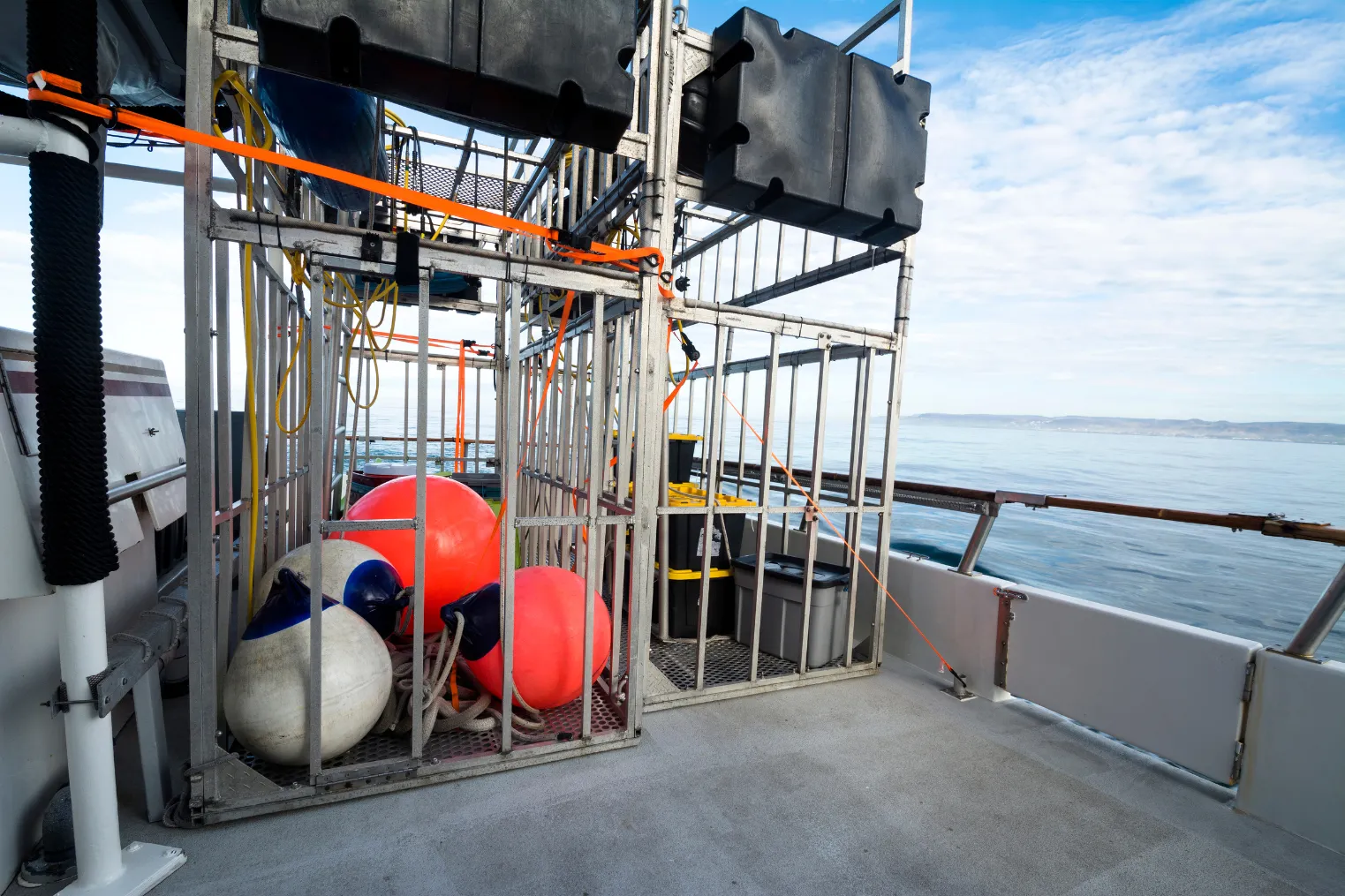
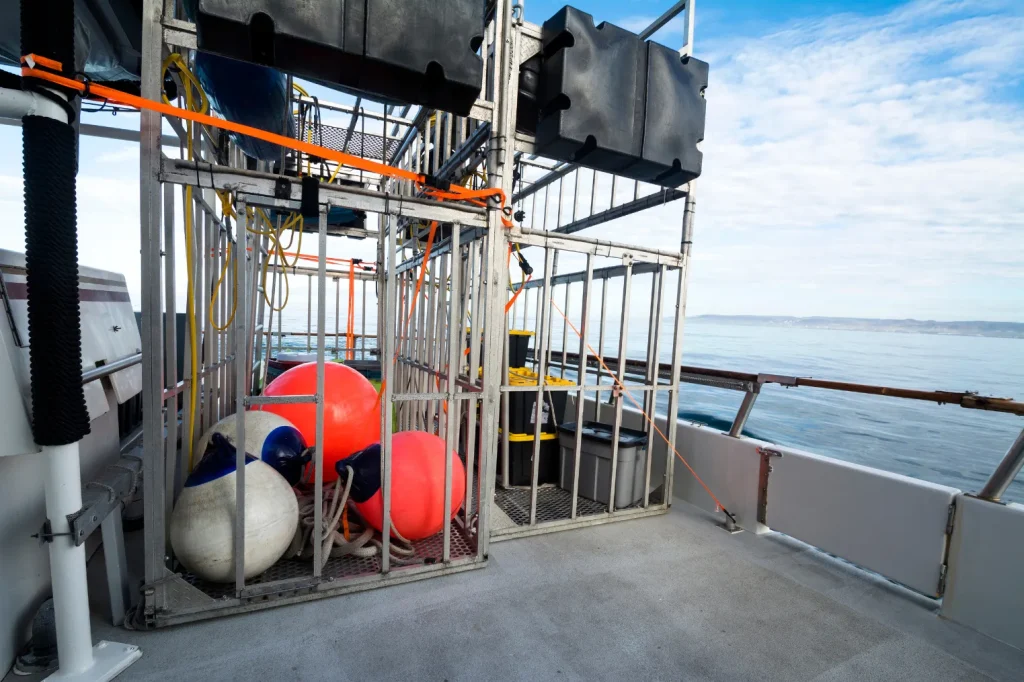
- Choose cage diving for a 2-hour ride and one 20-minute drop, steady rails, and near-guaranteed shark sightings with almost no swim skill.
- Choose cageless free‑diving for 1.5 to 2 hours, small groups, and safety divers beside you at a 6:1 ratio. Your photos feel alive.
- If motion sickness nags, the cage can feel like a porch. Still, book early and ask about discounts.
Still comparing Shark Diving Oahu In March: Conditions, Crowds, And What To Book?
Ask for tour ideas, hotel suggestions, or a simple trip plan that combines both.
Trip Helper
March Prices, Ages, and Check-In Rules?
If you’re lining up a shark plunge in Oʻahu for March, you’ll want the price, age rules, and check-in timing nailed down before you hear the harbor lines tapping the dock.
| Item | Note |
|---|---|
| March prices | $112 adult, $90 child |
| check-in time | 30 min early |
You can also lock in your spot with Reserve Now, Pay Later for Oʻahu shark dives.
For Shark Diving with Cage Divers, confirm ages and fees and whether Kama‘āina/Military discounts apply. Bring valid ID at check-in. Infant policy tracks the first tour start time. Ages 0–2 are free, but you must add them and book a boat that leaves before 9:00 a.m. Tax still isn’t included. Group rates apply only when 10+ adults enter the cage; nine or fewer pay the discounted retail rate. Charter rates come by inquiry. Respect the 24-hour cancellation window, or you’ll be charged.
Frequently Asked Questions
Do I Need Reef-Safe Sunscreen, and Is It Allowed During Shark Dives?
Yes, you’ll want reef safe alternatives, and they’re usually allowed if you follow local guidelines. Check chemical regulations and ingredient labels for coral health, UV protection, marine biodegradability; avoid SPF misconceptions/sunscreen myths; mind application timing too.
Can I Bring My Own Snorkel Mask, Fins, or Wetsuit?
Yes, bring your Personal gear, because sharing stranger spit’s elite. You’ll use Fit guidance on Mask types, Fin sizes, Wetsuit thickness; follow Sanitation rules, confirm Storage options, curb Mask fogging, apply Comfort tips, consult Sizing charts.
What Happens if My Tour Is Canceled Due to Weather?
If weather cancels, you’ll get last minute alerts on safety cancellations and weather thresholds; check the refund policy for partial refunds or credit vouchers, review rescheduling options, liability coverage, use travel insurance, pick alternative activities.
Are Photos or Gopros Allowed, and Are There Rental Options?
Like a net, you can shoot, camera policy allows GoPros, no helmet mounts; check gopro rentals. Underwater photography follows flash restrictions; there’s a drone ban. Use storage lockers, waterproof cases, sign permission forms, get guide assistance.
Is Transportation Available to Haleiwa Harbor From Waikiki?
Yes you’ve got Shuttle options, Public transit, Private car, Ride share, or Taxi services to Haleiwa Harbor from Waikiki; check Shuttle schedules and Meeting points. You’ll have Parking availability, Bicycle access, and note Luggage restrictions.
Conclusion
March lines up in your favor on Oahu. You step onto the dock and hear gulls squawk overhead. As the sun lifts, by coincidence the sea usually settles too. Check in 30 minutes early, zip your wetsuit, and feel that 74 to 76°F water wrap your ankles. Pick a cage if you get queasy, or go cageless for cleaner photos and louder bubbles. Seats fill fast, so book ahead and note the 24-hour cancel rule.


