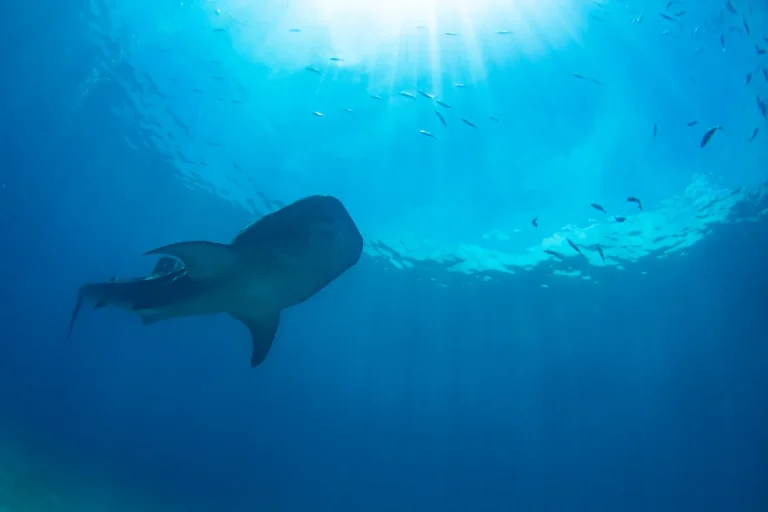
You’ll start your cage free shark dive on Oahu up in Haleiwa, where the harbor smells like salt and sunscreen and the boat ride feels more like a North Shore surf run than a theme park. You’ll get a quick briefing, check your mask and fins, then slide into clear blue water while a safety diver keeps things calm and organized. The real trick is picking the right operator, season, and gear so you feel steady when the first shadow cruises by.
Key Takeaways
- Cage-free shark dives on Oahu typically depart from Haleiwa Harbor and feature open-ocean snorkeling with trained crew oversight.
- Expect a mandatory 15–30 minute safety briefing covering shark species, hand signals, and strict in-water rules before entry.
- Standard flow includes a 20–60 minute boat ride, safety diver site assessment first, then 20–30 minutes guided snorkeling with optional supervised drops.
- Common sightings include sandbar and Galapagos sharks year-round; tiger shark season runs now through November, best on early light-wind mornings.
- Choose operators by vibe and budget: One Ocean (12 max, biologist), Island View (private pelagic), Go Adventure (6 guests), Ocean Outfitters ($93, family-friendly).
Best Oahu Cage-Free Shark Dive Operators (Prices, Group Size, Vibe)
While Oahu’s North Shore can feel laid-back and breezy from the sand, cage-free shark diving out of Haleiwa gets real the moment the boat clears the harbor and the water turns a deeper blue.
You’ve got four picks for a cageless shark Oahu shark dive, so weigh group size, price per person, and vibe. One Ocean Diving runs two hours, about 12 max, conservation-focused, with a marine biologist onboard.
Island View Hawaii offers a private pelagic dive for around 8, and it’s photo video friendly.
Go Adventure Hawaii keeps it boutique at about 6, with an easy ocean-education tone.
Ocean Outfitters Hawaii is the budget play at roughly $93 per person, and it’s the most family-friendly with kid policies.
You’ll launch from Haleiwa Harbor.
On a private shark dive charter, expect a more tailored pace and crew attention from start to finish.
What Happens on an Oahu Cage-Free Shark Dive? (Step-by-Step)
You’ve picked your operator out of Haleiwa Harbor, now it helps to know how the shark dive actually unfolds once you step from breezy North Shore pavement onto a boat deck that smells like salt and sunscreen.
You start with a pre-dive briefing, 15 to 30 minutes on sandbar, Galapagos, and tiger sharks, plus signals and operator rules.
During the boat ride out, 20 to 60 minutes, crew hands out mask, snorkel, and fins.
At the site, a safety diver enters first to read the scene, then you slip in from the ladder and hold a line for cage-free spacing.
Your in-water time lasts 20 to 30 minutes of guided snorkeling, with optional supervised drops.
Back in Haleiwa, you debrief and consider photo/video packages.

Safety, What to Bring, and Best Oahu Shark Seasons (Species + Conditions)
Once you’re past the adrenaline of spotting a fin in that clear North Shore blue, the trip gets wonderfully straightforward: cage-free operators on Oahu run tight safety protocols, and your job is mostly to listen, gear up, and move with the group.
A mandatory safety briefing comes next; a safety diver enters first, and you follow the crew’s live calls. One Ocean Diving and Ocean Outfitters keep cage-free shark diving calm when you stay close. Most tours launch from Haleiwa on Oahu’s North Shore, where cage-free shark dives typically focus on open-ocean encounters with species like sandbar, Galapagos, and occasional tiger sharks.
Bring reef-safe sunscreen, a towel, water bottle, snug snorkel gear, and a camera on a wrist float.
For Oahu shark seasons, expect sandbar and Galapagos sharks year-round; tiger shark season runs now through November, best on early, light-wind mornings.
Leave extra time for Haleiwa Harbor traffic, and book early.
Frequently Asked Questions
Do I Need Scuba Certification for a Cage-Free Shark Dive in Oahu?
No, you don’t need scuba certification; trips are snorkeling only with guided instruction, gear rental, and freediving basics for shallow water dives. You’ll review breath hold safety, training alternatives, age requirements, and sign liability waivers.
Can I Participate if I Can’t Swim Confidently or Tread Water Long?
Yes, you can, but you’ll choose non swimmer options or swim alternatives with guided assistance and floatation devices. Use pre dive training, confidence building, psychological preparation, panic management, and discuss visibility concerns and age restrictions.
Are There Medical Conditions or Medications That Would Prevent Joining?
Yes, like a hidden riptide, health issues can stop you: cardiac conditions, seizure disorders, respiratory illnesses, recent surgeries, immune suppression, contagious infections, implanted devices, medication side effects, psychiatric considerations, or blood thinning. You’ll need doctor’s clearance.
Will Shark Diving Affect My Flight Schedule Due to Pressure Changes?
It usually won’t disrupt flights: you’ll notice flight pressure at cabin altitude, causing ear popping or sinus barotrauma. Manage cabin humidity and cabin oxygen, plan for jet lag, time zones, luggage delays, and pre flighthydration.
Can Pregnant Travelers Join, or Is It Prohibited by Operators?
Like swimming through red tape, you often can’t join; many operators prohibit pregnancy. Check pregnancy policies, health waivers, operator insurance, maternal risks, trimester guidance, doctor clearance, tour liability, pregnancy accommodations, crew training, and legal restrictions.
Conclusion
You’re ready to step off Haleiwa Harbor and into clear blue water, knowing the briefing, the safety checks, and how to pick an operator that fits your pace and budget. Bring reef safe sunscreen, a snug mask, and a calm, steady kick, then let the guide handle spacing and signals while you focus on smooth breaths and good photos. Think of the dive as a moving window, you watch, learn, and drift back wiser.