

Like a scene out of *Jaws*, except you’re the calm one with a mask and fins, Oahu shark diving puts you about 3 miles offshore on a 1.5 to 2 hour trip, with roughly 20 minutes in the water. You can start with a floating plexiglass cage, or go cageless if you’ve got strong swim skills and steady nerves, and early mornings from May to September usually bring the clearest blue. Now, which tour actually fits your comfort level and the island’s rules?
Key Takeaways
- Choose between surface-only cage snorkeling (beginner-friendly, no scuba) and cageless swims recommended only for experienced swimmers.
- Prioritize operators with strict safety rules: mandatory briefing, no-chum policy, 2–3 meters distance, and controlled enter-first/exit-last procedures.
- Expect a 1.5–2 hour trip with a short boat ride offshore and about 20 minutes in-water for typical cage dives.
- For best conditions, book May–September and aim for 6–7am departures; winter trips may add humpback whale sightings but rougher seas.
- Look for small-group or private charters for more personalized crew attention and guided encounters with sandbar, tiger, or hammerhead sharks.

Oahu: Full or Half Day Grand Circle Island Tour
Choose from two exciting ways to experience Oahu's top attractions, scenic beauty, and local culture.Option 1: Dole Plantation & Haleiwa Town (6.5 H...

Oahu Majestic Circle Island Tour with Waimea Falls and Byodo Inn
Since 1974, E Noa Tours has specialized in showing visitors the real Oʻahu through immersive experiences led by pas...

Toa Luau at Waimea Valley, Oahu
Toa Luau invites you to immerse yourself in the beauty and excitement of Polynesia on Oahu’s historic North Shore!...
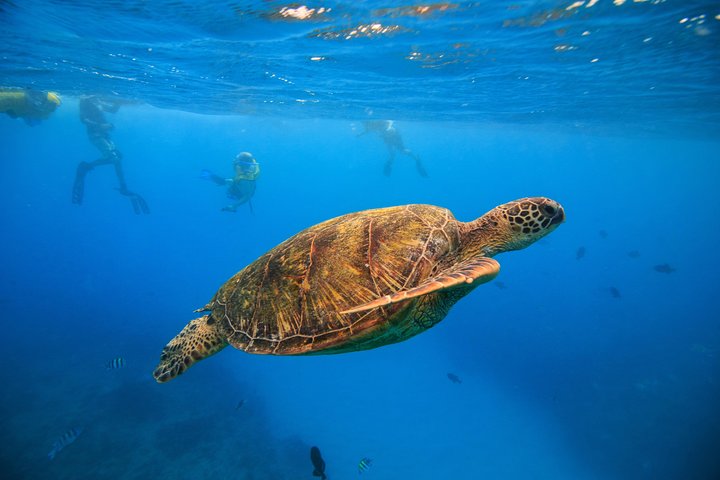
Waikiki, Hawaii: Turtle Canyon Snorkel Excursion
Discover the magic of snorkeling with Hawaiian Green Sea Turtles at Waikiki’s famous Turtle Canyon. On this 2-hour...
Oahu Shark Diving: Safety, Rules, and Swim Level
While shark diving in Oahu can feel like a big leap from your usual beach day, reputable tours keep it grounded in clear rules, solid staffing, and a swim level that’s easy to judge before you book.
On North Shore Oahu, a shark cage dive is surface-only snorkeling in a floating plexiglass cage, up to eight people, after a required safety briefing.
You’ll typically start with check-in before heading out for the boat ride to the offshore dive site.
Choose a cageless shark swim only if you’re an experienced swimmer, you may free-dive beside a safety diver in small group tours.
Operators enforce a no-chum policy, enter first, exit last, and keep you 2 to 3 meters off the sharks, with the option to stay on the boat.
Bring reef-safe sunscreen, share medical issues, and expect 1.5 to 2 hours total.

Best Oahu Shark Diving Tours (Cage and Cageless)
With the safety rules and swim expectations clear, choosing the best Oahu shark diving tour comes down to the style of encounter you want and how close you’d like to feel to the action.
Once you know the rules, the best Oahu shark dive is simply choosing your ideal encounter, caged, cageless, or close-up.
For first-timers, shark cage diving off Haleiwa shark tours puts you in a plexiglass cage 3 miles out, no scuba, 20 minutes in-water within a 1.5–2 hour trip, plus briefings that blend shark conservation education and Hawaiian culture. On a private charter, expect a more personalized timeline and crew attention, with clear guidance on what to expect from check-in to time in the water.
- Pick cage for a front-row view with shark safety protocols.
- Choose North Shore cageless shark snorkeling for a cage free shark swim, guided by safety divers in 6:1 ratios.
- Go for small group shark tours, so you can watch Galapagos sandbar tiger sharks, hammerheads, and other Hawaii shark encounters.
Best Time for Oahu Shark Diving (Visibility + Whales)
If you’re timing your Oahu shark dive for the clearest water and the smoothest ride out of Haleiwa, aim for May through September, when the North Shore usually settles into calmer seas and sharper visibility. You’ll often spot deep blue water, and on cage dives visibility can push 200 ft, with cageless snorkeling nearly as clear. May can be a sweet spot for lighter crowds while still delivering strong visibility and generally calmer conditions.
| Season | What you get |
|---|---|
| May–September | calm seas, best visibility |
| Oct–Nov | mixed sea conditions, more wind |
| Dec–Feb | winter surf and wind, humpback whale sightings |
Book early morning departures (6–7am) for glassier water and fewer bumps, whatever the month. In winter, plan extra days because cancellations happen, yet you might see adults and calves cruising past the North Shore of Oahu, turning the boat ride into a bonus wildlife show.
Frequently Asked Questions
What Should I Bring, and What’s Provided on the Boat?
Bring, pack, stash sun protection: reef safe sunscreen, water shoes, light jacket, sea sickness bands, underwater flashlight, extra batteries, small backpack, plastic dry bag, ziplock snacks. You’ll get masks, snorkels, fins, flotation, and guidance onboard
Are Photos and Video Included, or Can I Rent a Camera?
Photos/video aren’t included; you buy tour operator galleries. Rent: underwater photographers, rental camera insurance, action camera mounts, low light equipment, memory card sales. Follow photo permission policies, drone restrictions, marine life videography, photo editing tips.
How Far in Advance Should I Book Peak-Season Tours?
Book early, 4–8 ahead: you’ll snag seats, dodge seasonal pricing. For holiday weekends and school breaks, add lead time. Keep flexible dates, last minute cancellations happen; ask group discounts, use waitlist options, honor vendor deposits.
Is Seasickness Common, and Are Motion-Sickness Meds Recommended?
Seasickness is common; you’ll benefit from seasickness prevention: consider medication options, patch effectiveness, and timing dosage. Use non pharmacologic remedies, onboard remedies, acclimation techniques. Know susceptibility factors, antiemetic side effects, pediatric considerations, and consult clinicians.
Are Private Charters or Custom Group Tours Available?
Yes, you can book Private charters with Custom itineraries: pick Group size, get Exclusive access, and keep Flexible scheduling. It’s Family friendly for Corporate events, with a Private guide for Special occasions and Custom pricing today.
Conclusion
You’ll leave Oahu’s north shore with salt on your lips and a new respect for the blue. Most tours take you about 3 miles offshore, and you’re in the water roughly 20 minutes, which feels like a whole documentary in real time. Stick to the briefing, skip heavy breakfast, and pack reef safe sunscreen. Go early, especially May through September, when clear water can double your visibility, and winter may add whales on the horizon.

Oahu Shark Dive on the North Shore
Book the Oahu Shark Dive for a thrilling shark encounter off the North Shore. You’ll travel by boat from Haleiwa Harbor, then view sharks from a sec...

Oahu's North Shore: 8-Line Zipline Adventure
Experience the ultimate Oahu zipline adventure on this 3-hour guided tour across the island’s famous North Shore...

Oahu: The Magical Mystery Show! at Hilton Waikiki Beach Hotel
Step back in Hawaii's history to 1881 when King Kalakaua visited London. You've found the hidden gem of Oahu. This i...

Oahu: Mauka Warriors Luau Honoring Polynesia's Forgotten History
Step into the vibrant heart of Hawai‘i and experience a luau like no other—where culture, history, and celebrati...

Oahu: Grand Tour Around Island with Snorkeling
Come join on a circle island adventure led by some of Hawaii’s most knowledgeable local guides and experience breathtaking lookouts to capture mind-...

Oahu Grand Circle Island Experience from Waikiki
Enjoy Grand Circle Island experience tour with breathtaking views of Amelia Earhart Lookout on Diamond Head, admire...
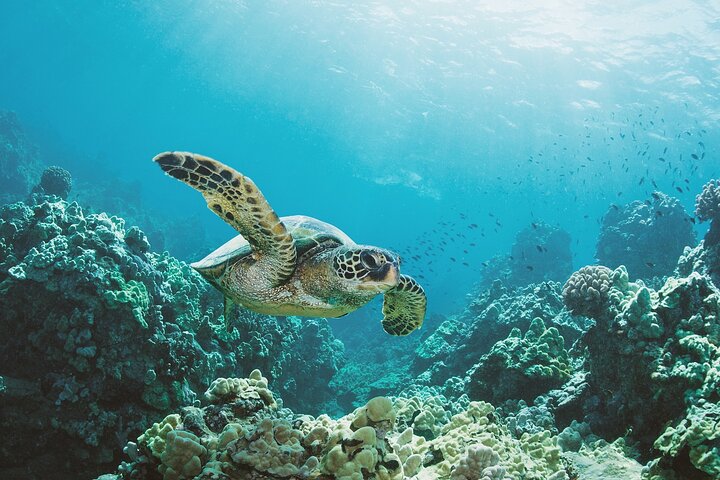
Waikiki: Turtle Canyon Snorkel Adventure on Oahu
Enjoy an exclusive snorkeling adventure in Waikiki with small group sizes for a comfortable and VIP experience. You...

Parasailing Experience in Waikiki, HI
Experience the thrill of Oahu parasailing on this unforgettable 1-hour adventure from Waikiki. Soar up to 1,000 feet...


