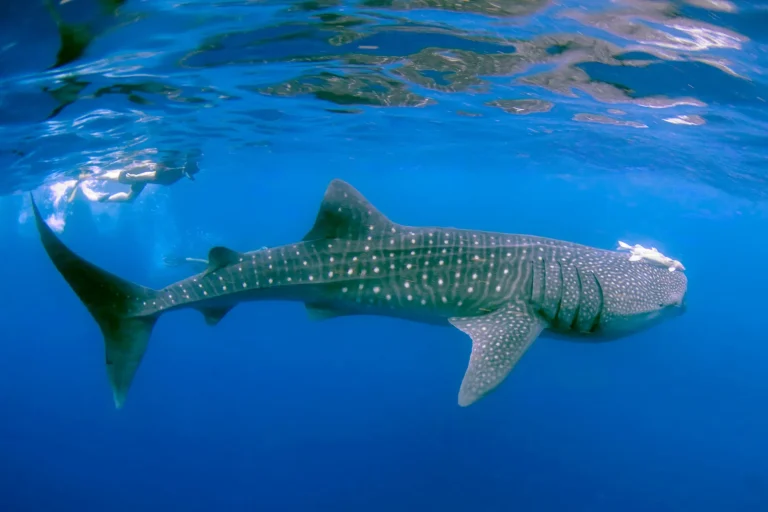
You can often shark snorkel or cage dive on Oahu with asthma or other medical conditions, but you can’t just show up with a grin and a GoPro. Most crews will hand you a medical form, and if your asthma isn’t well controlled, you might end up watching from the deck while the boat bobs and the salt air stings your nose. Before you book, you’ll want to ask a few specific questions about clearance, meds, and emergency backup, because the details matter.
Key Takeaways
- Most people with well-controlled asthma can join Oahu shark snorkel or cage trips if they prepare and disclose conditions.
- Expect a medical questionnaire; any asthma or rescue-med “yes” often requires written doctor clearance at check-in.
- Ask if the boat carries oxygen, an AED, a stocked first-aid kit, and reliable radio or satellite communication.
- Confirm trained crew count and their plan for inhaler access, oxygen use, and evacuation time back to port or ER.
- Bring inhalers (plus backup) in a labeled waterproof pouch, keep meds in original containers, and arrive 30–45 minutes early for paperwork.
Can You Do an Oahu Shark Dive With Asthma?
If you’ve got asthma, you can usually still join an Oahu shark snorkel or cage trip, as long as you treat it like a smart travel checklist, not a last-minute shrug. You’ll fill out the operator’s medical questionnaire, and if you tick yes for asthma or rescue meds, bring written doctor clearance at check-in.
Pack your inhaler and any backups in a labeled waterproof pouch, then mention it at check-in and the briefing so it’s easy to grab. Responsible operators typically also keep CPR and first aid gear onboard for emergencies at sea. The open ocean can feel like a fan with salt spray, and exercise-triggered or cold air symptoms can flare when you climb ladders or kick fins. If you don’t have well-controlled asthma, operator policy may shift you to a topsider/observer role, even with first aid onboard.
What Should You Ask the Oahu Crew About Emergencies?
Before you step off the dock and the boat starts thumping over the swell, ask the crew a few calm, specific emergency questions so you know exactly what happens if breathing gets tight or someone takes a hard knock.
> Before leaving the dock, ask calm emergency questions so you know the plan if breathing tightens or someone gets hurt.
For your shark dive, confirm whether a medical questionnaire is required, if asthma needs physician clearance, and when it must be submitted.
Then check emergency response gear: a stocked first-aid kit, oxygen cylinder, AED, and a radio or satellite phone.
Ask how many are trained safety crew with current CPR/first aid, and whether they’ve handled asthma attacks or severe allergies.
Also confirm where life jackets are stored, how they’re assigned, and who is responsible for checking them before departure.
Finally, walk through the plan, who guarantees inhaler access, when they’ll start oxygen, and the evacuation time to port or an ER if they divert.

What to Bring for Check-In, Meds, and Paperwork?
Although the ride out can feel like a mini road trip over rolling blue swells, check-in runs more like an airport counter, quick, picky, and much smoother when you’ve got your documents and meds in one easy grab.
Before your shark dive, bring a completed medical questionnaire and liability waiver, and if you tick any yes box, pack doctor’s clearance signed for open-ocean snorkeling or diving.
At check-in, show a photo ID, your certification card if applicable, and payment confirmation, plus any ER notes or recent surgery clearance.
Carry medications in original labeled containers, add an inhaler and spacer, stash a spare in a waterproof zip bag, and tell the crew where it is.
Also review the operator’s booking policies ahead of time so you’re not surprised by waiver requirements, cancellation windows, or check-in rules.
Respect the arrival time, arrive 30 to 45 minutes early.
Frequently Asked Questions
Can My Doctor’s Note Be Digital, or Must It Be Printed?
You can use digital note if they’ll accept it, verify. Submit telemedicine note with electronic signature as PDF document via secure portal, get emailed authorization or faxed confirmation, bring photo copy, smartphone screenshot, guarantee HIPAA compliance.
Are There Age, Height, or Weight Limits for Cage Diving?
Yes, sharks don’t check IDs, but operators do: you’ll face age requirements, height restrictions, weight limits, minimum measurements, maximum capacities, equipment sizing, safety thresholds; expect child supervision, teen exemptions, and senior considerations, call ahead before you book.
Can I Wear Contact Lenses or Glasses in the Cage?
You can wear contacts in-cage, but you’ll remove glasses. Mask fit, eye protection, and clear visibility; use waterproof contacts, bring contact solution, lens displacement, fogging issues, skip protective eyewear, follow safety protocols, know emergency removal.
What Happens if Bad Weather Cancels the Trip Last Minute?
If bad weather forces late cancellations, you’ll get weather refunds or rescheduling options, sometimes trip vouchers. Expect crew notifications and customer communication. Ask about alternate activities, insurance claims, condition exacerbation safeguards, and emergency transport coverage.
Are Private Charters Available for Extra Medical Privacy or Assistance?
Yes, you can book private vessels for family privacy and discreet boarding; you’ll get a custom itinerary, individualized briefing, specialized crew, and oxygen availability. Ask about medical staff, wheelchair accessibility, and whether they’ll use secluded moorings.
Conclusion
You can still slip into that blue Oahu water and watch sharks glide like slow planes beneath you, as long as you plan like a smart traveler. Call the operator, ask what asthma paperwork you’ll need, and when a doctor note’s required. Pack your inhaler in a dry pouch you can reach fast, not buried in a bag. Confirm they’ve got oxygen, an AED, and a clear run-to-shore plan, then breathe easy and enjoy it.