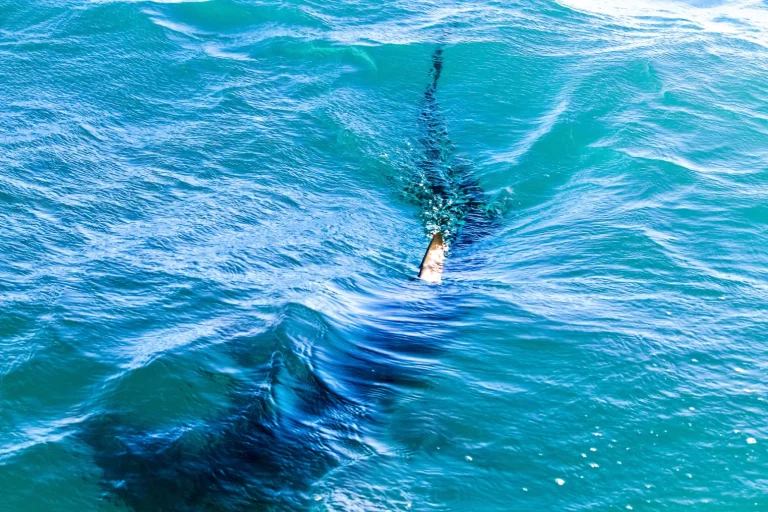
You roll off a North Shore boat, grab the float line, and watch a gray reef shark glide under you like a quiet shadow. That’s what “no scuba” means here. You stay on the surface with a mask, snorkel, and fins. No tanks. No regulator. No certification stress. You hear the slap of water on the hull and your own steady breathing while guides keep the group tight. So what makes it feel so close yet so controlled?
Key Takeaways
- “No scuba” means you stay on the surface using mask, snorkel, and fins, no tanks, regulators, or deep diving.
- Tours typically last about two hours, with roughly one hour spent snorkeling in the water.
- You snorkel cage-free in open ocean while crew and safety divers monitor sharks and keep guests together.
- Gear is usually provided, and flotation devices let non-swimmers float comfortably while observing from the surface.
- Most trips require a safety briefing, moderate fitness, and following guide instructions; weather can cancel tours with reschedule/refund options.

What Are Snorkel-Only Shark Swims in Oahu?
Out on Oahu’s North Shore, a snorkel-only shark swim is exactly what it sounds like: you stay on the surface with a mask, snorkel, and fins, and you leave the scuba tanks and regulators behind. That’s No scuba in practice. The crew hands you gear, and you ride out from the Oahu North Shore for about two hours. Many operators also offer private shark dive charters for a more exclusive, customized trip.
Once you slide in, Shark snorkeling gets quiet except for your breathing. It’s Cage-free, so you float and watch sleek bodies cruise an Open-ocean habitat, sometimes a few meters away. Expect about an hour of In-water time.
Small-group tours stay personal, max six guests, and guides help Ages 6 and up. You’ll get Safety briefings, then you’re off, wide-eyed as sunlight ripples over your fins below.
Are Snorkel-Only Shark Swims Oahu Safe (and What Rules Apply)?
While sharks may sound like a big leap, snorkel-only swims on Oahu are built around clear rules and steady supervision that keep the vibe calm and controlled. You stay on the surface with mask, snorkel, and fins. It’s no scuba, so you won’t juggle tanks or certifications, just calm breathing and steady kicks. Most tours provide floatation devices so non-swimmers can stay comfortably on the surface while guides keep you close.
- Check age minimums (often 6+) and be comfy with open-ocean snorkeling.
- Listen closely to safety briefings before you slide into the blue.
- Choose a small group; the size cap of six means hands-on help.
- Trust the crew: safety divers watch shark movement and your comfort.
Operators screen moderate fitness, so you don’t gas out.
Most Oahu shark swims run rain or shine, but weather cancellations can shift dates or trigger refunds.
What to Expect on a Snorkel-Only Shark Swim Oahu (Timing, Sightings, Who It’s For)?
Once you step onto the boat on Oahu’s North Shore, the adventure snaps into a simple rhythm: briefing, ride, swim, and a ride back.
With Ocean Addict Shark Excursions, your Oahu shark swim runs as a two-hour tour, and you’ll get about one hour in water. It’s snorkel-only. No scuba. You float at the surface with mask, snorkel, and fins, and the crew hands you gear if you need it.
In the clear North Shore blue, you may hear your own breathing and the slap of swells.
Because it’s a cage-free experience, guides prioritize calm surface control, clear briefings, and close-by supervision the entire time you’re in the water.
Sightings are common, sometimes within a few meters, but numbers and species shift with conditions.
You’ll do cageless snorkeling in small-group (max 6) comfort, with pros nearby.
It’s family-friendly (ages 6+) if you’re steady in open water.
Frequently Asked Questions
Do I Need to Know How to Free-Dive to Join?
No, you don’t need to free-dive; you’ll practice breath hold basics, surface floating techniques, snorkel entry methods, shallow water skills, skip equalization myths, mask clearing practice, wave reading tips, buoyancy awareness, stress reduction, safety communications today.
Can I Bring My Own Mask, Snorkel, and Fins?
Yes, you can bring own; 70% of leaks come from seals. Don’t skip rental options. Use fit tips, material choices, travel packing; reduce mask fogging; check fin sizes, adjustment techniques, snorkel purge, valve types, gear sanitation.
Are Prescription Masks or Contact Lenses Okay in the Water?
You use prescription goggles or contacts in contact safe materials and keep lens retention, UV protection. Fight mask fogging with soap free cleaners, don’t ignore saltwater irritation, follow optometrist advice, check replacement policies, storage cases.
What Happens if I Get Seasick During the Boat Ride?
Uh-oh, feel it? Tell crew; you’ll: choose seated spots, motion sickness prevention, pre boarding precautions, acupressure wristbands, doctor prescribed patches, ginger based snacks, stay hydrated tips, ventilation and airflow, sea sickness remedies, when to disembark signals.
Is the Tour Suitable for Kids or Non-Swimmers?
Yes, you’re covered: age restrictions start at 6, with child supervision, child friendly briefing, buddy system, and emergency reunification. You’ll get life jacket sizes, floatation devices, shallow water options, water confidence building, and non swimmer accommodations.
Conclusion
You slide off the boat and the Pacific feels like cool silk on your ankles. You don’t need tanks or a certification badge. You just breathe through a snorkel and float while a guide keeps watch. In an hour, you’ll swear the sharks glide like quiet submarines inches from your mask. You hear your own bubbles and the slap of waves. Then you climb the ladder, grinning, and check “braver than yesterday” off your list.