
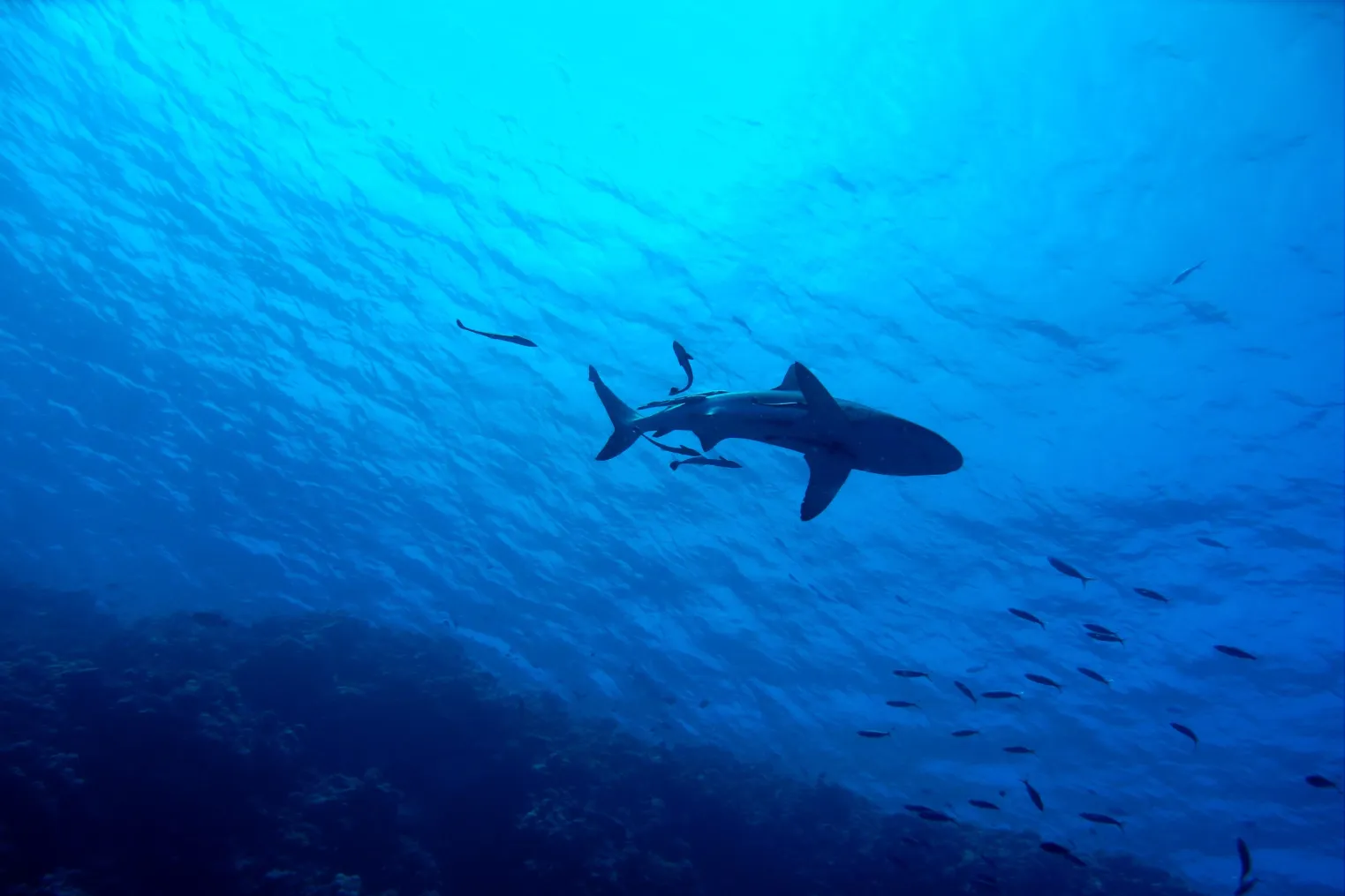
You’re on Oahu’s North Shore, stepping from a rocking boat into warm blue water while the cage bars hum and bubbles tick past your mask. You want that clean thrill of seeing a tiger shark glide in close, not a messy scene sparked by scent trails or sloppy rules. Some tours swear they don’t bait, others play it vague, and enforcement can feel spotty. So what should you ask before you climb in?
Key Takeaways
- Commercial shark dives in Hawaii have a generally calm safety record, with no unprovoked attacks recorded during organized tours.
- Recent Haleiwa-area bites were classified as provoked, often linked to repeated disturbances and a heavily used patch of ocean.
- Chumming is illegal in Hawaii, yet baiting rumors persist; ask operators to clearly explain attraction methods and confirm no scent trails.
- Incident accounts frequently cite risky crew and passenger behavior, jabbing, bait bags, panic, or fingers outside cages, as key provocation factors.
- Regulation exists but enforcement is limited; prioritize transparent operators with audits, clear protocols, incident reporting, and conservative group limits.
Is Shark Diving in Hawaii Safe for Tourists?
While the idea of dropping into deep blue water with sharks can make your stomach do a little flip, commercial shark-diving tours in Hawaii have a surprisingly calm safety record.
Commercial shark dives in Hawaii may feel nerve-racking, but their safety record is unexpectedly steady and reassuring.
On commercial tours you hear the engine idle, bars hum as you slip into shark diving in Hawaii. No unprovoked attacks have been recorded during these dives, but a few recent bites counted as provoked incidents tied to tour actions.
Choose operators that say they don’t use chumming, which is illegal in Hawaii waters. Knowing the difference between chumming and scent trails can help you ask clearer questions about how operators attract sharks without feeding them. Ask about safety protocols, crew training, and group limits.
Off Haleiwa, reports involving bait bags show how much the crew’s choices matter. Follow the briefing, move, and keep fingers inside the cage. Conservation minded guides explain the sharks you’re watching.
What Raises Risk on Oahu Shark Tours?
Most Oahu shark tours off Haleiwa run smoothly, but the risk can jump fast when the boat’s choices change the sharks’ behavior.
If an operator slips into illegal chumming or tosses other attractants, you’ll often see more fins cutting the blue and more bumping near the ladder. Some Hawaii operators advertise “no bait,” so it’s worth confirming their policy on baiting sharks before you book. Sudden baiting, loud splashes, or a crew member jabbing with a broom can turn curiosity into agitation, and that’s when provoked shark bites become more likely.
Ask about crew training and watch for clear safety protocols: cage checks, calm entry, and a plan for exits. Weak regulatory enforcement around Haleiwa can let corners get cut on some commercial tours, so you’ve got to shop carefully for diver safety. Listen to the briefing, and trust your gut always.
Six “Provoked” Bites Near Haleiwa: What Happened?
Look a little closer at the Haleiwa shark tour reports and a clear pattern pops up. You see six provoked bites tied to odd cues in a tight patch of ocean used by commercial tours.
Zoom in on Haleiwa tour reports: six provoked bites, same strange cues, clustered in one heavily worked patch of ocean.
In one Oahu cage dive, chumming started fast, passengers stiffened, and a diver climbed out while the crew thumped a broom on the gunwale to push sharks back. Other accounts mention bait bags and fish swirling near the boat like they’d found a free buffet.
Here’s what keeps repeating on a shark tour:
- Sudden stimuli and erratic motion near the cage.
- Direct human–shark interaction that breaks crew safety protocols.
- Thin regulation enforcement, even though Hawaii shark feeding is illegal.
If you’re driving up for a dive, plan around North Shore parking and timing to avoid last-minute rushing that can ripple into sloppy dockside prep.
You can’t ignore the cluster near Haleiwa.
Do Hawaii Shark Tours Chum or Bait Sharks?
That Haleiwa cluster makes you ask a simple question as the boat noses past the surf line and the water turns ink blue.
On a shark dive off the North Shore, you’ll hear operators promise no chumming and no baiting, and some, like Hawaii Shark Encounters, say they rely on sound and sight instead.
You might notice a metal bottle clinking on a line, or a crew member scanning the swells.
Depending on whether you choose cage-free or cage diving off Oahu, the way sharks are approached and how guests perceive attraction methods can feel markedly different.
Yet other riders describe bait bags, crab bits slipped over the side, and fish stacking under the hull like they got a dinner invite.
Some even report brooms used to shoo sharks back after apparent chumming.
Chum regulations ban feeding, but you can still wonder how steady enforcement really looks out here today.
Still comparing Shark Diving Controversies In Hawaii: A Balanced Look?
Ask for tour ideas, hotel suggestions, or a simple trip plan that combines both.
Trip Helper
Hawaii Shark Diving Laws: and Why Enforcement Is Weak
While the crew points out dorsal fins and you taste salt on the wind, Hawaii’s shark-dive rulebook sits in sharp contrast to what you might see on the water. Hawaii law bans feeding and chumming, but you may still hear rumors of bait bags. DLNR has a small marine enforcement team covering a vast sea, so the enforcement gap shows. If weather turns or your comfort level changes, prioritize operators that advertise free cancellation so you can back out without pressure.
Salt air and dorsal fins meet a hard truth: Hawaii bans chumming, yet rumors persist amid thin ocean enforcement.
A 2018 citation near Haleiwa showed rules bite, yet many claims vanish behind NDAs and silence. Before you book shark diving, do three checks:
- Ask shark tour operators, “Do you chum?”
- Look for incident reporting and shared trip logs.
- Prefer boats that back shark-tour zones, GPS tracking, and audits.
Until those fixes go statewide, you rely on reviews and your questions
Frequently Asked Questions
How Do Native Hawaiian Cultural Beliefs View Shark Diving Tourism?
You’ll find native perspectives split: kapu traditions and ancestral stories frame shark kinship and spiritual guardianship, tying land sea relationships to royal lineage; so you shouldn’t dive commercially without community protocols, ceremonial offerings, and consent.
Which Shark Species Are Most Commonly Seen on Hawaii Dives?
You’ll see Galapagos shark and Sandbar shark on Hawaii dives; you might spot a Tiger shark. Blacktip shark, Whitetip reef, Lemon shark, Spinner shark appear less; expect rare Hammerhead sightings and occasional Mako encounters too.
What Is the Best Season or Time of Day for Shark Dives?
Best seasonal timing: late spring–early fall, when the reef’s bazaar stirs in spawning season. You’ll pick dawn dives; keep dusk preference. Avoid winter months; note summer lull, tourist peaks, changing current patterns, variable midday visibility.
How Can Tourists Verify a Shark Tour Operator’s Conservation Claims?
You’ll verify by checking third party certifications, operator permits, review consistency, photo evidence, conservation reports, staff credentials, partnerships disclosed, financial transparency, and on site signage; then call partners, confirm policies in writing, and cross-check records.
Are There Non-Cage Alternatives, and Who Should Avoid Them?
Yes, choose snorkel only trips, guided breath hold, shark tagging observation, remote observation platforms, or virtual experiences; free swimming etiquette, protected area rules, non invasive feeding, insurance considerations: don’t ever go if you’ll panic or bleed.
Conclusion
You’re here for wild peace. So you climb into a boat off Haleiwa, zip your wetsuit, and listen to the cage rattle in the chop. The tours are mostly calm, which is why the few rough moments matter. Ask if they bait or chum. Ask how they train crew and log incidents. Pick an operator that answers fast and cancels when conditions shift. Then stay still, keep hands in, and let the sharks do the show.


