
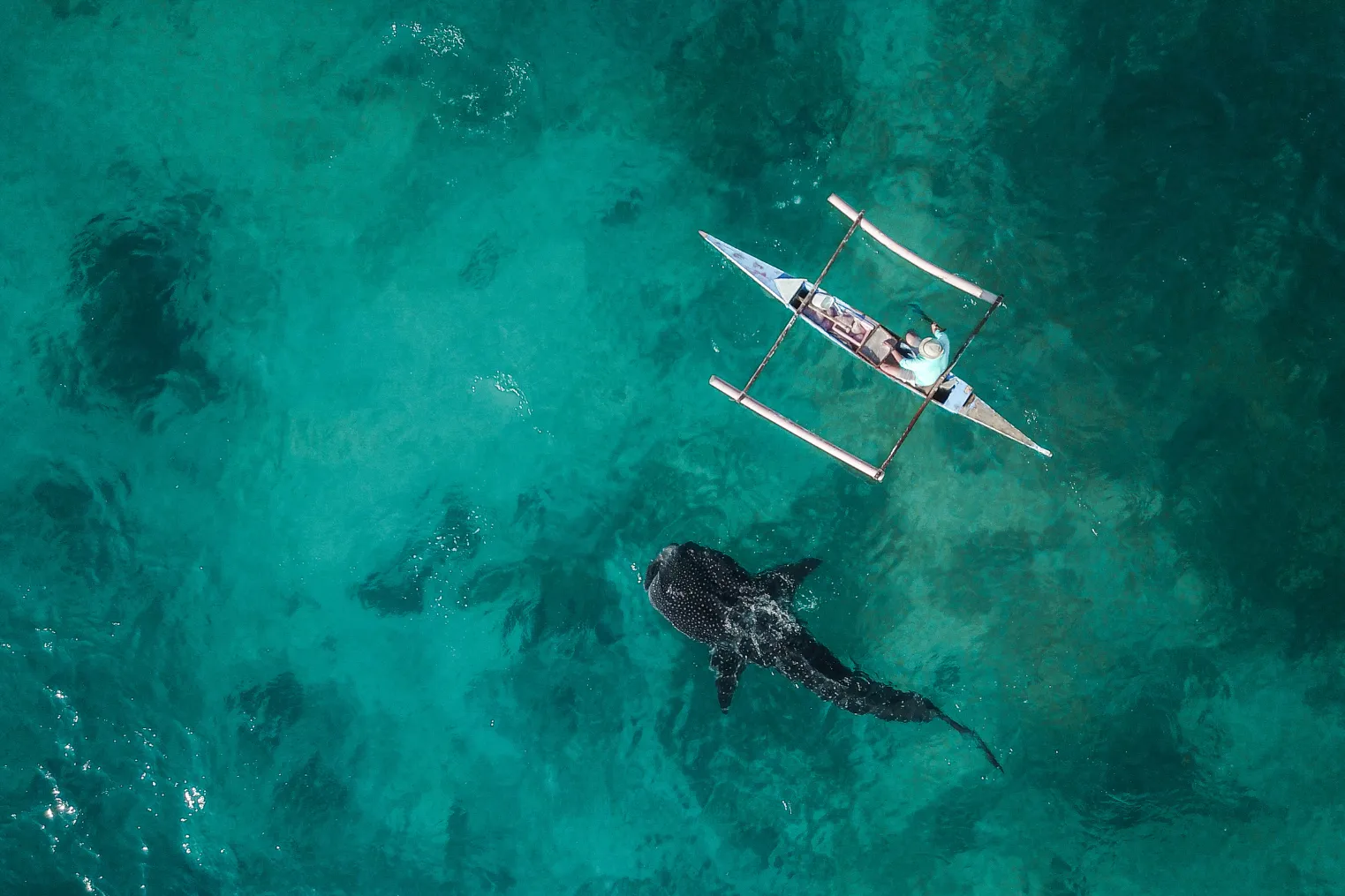
Do you want your shark story to feel like a deep-water thriller or a reef-side safari? On Oahu’s North Shore, you hop a boat, feel the spray, and watch blue water turn dark over a drop-off as Galapagos or sandbar sharks cruise past. On Maui, you slip in near Molokini or Mala Pier, hear your own bubbles, and spot white-tips tucked under ledges. Now comes the real choice.
Key Takeaways
- Choose Oahu for more reliable pelagic shark sightings, especially Galapagos and sandbar sharks on North Shore drop-offs in 150–300+ ft water.
- Choose Maui for reef-structure encounters, with frequent whitetip reef sharks at Molokini, Mala Pier, and Lahaina ledges in shallow, clear water.
- Oahu encounters feel bigger and more open-ocean, with sharks cruising wide arcs and longer passes over deep blue water.
- Maui encounters feel closer and calmer, with reef sharks hugging ledges and pilings alongside turtles and other reef life.
- Oahu offers more cage options and longer boat rides; Maui is mostly cageless snorkeling with shorter trips and easy shore entries.
Shark Diving Oahu vs Maui: Which Should You Choose?
So, where should you dive if Hawaii sharks are on your must-do list, Oahu or Maui?
If you want near-guaranteed offshore action, book Oahus North Shore. Boats run year-round into deep blue water near crab grounds, and you’ll often spot Galapagos and sandbar sharks cruising like silent torpedoes. Many trips stay small and conservation minded, and you can pick cage diving or go cage-free for a clearer view. Oahu is also known for cage-free shark diving experiences that prioritize clear, unobstructed encounters in open water.
Choose Maui when you’d rather keep it simple. You can slip into calmer, shallow water near Mala Pier or Lahaina and watch reef sharks weave through coral while turtles glide by. It’s less boat time, more shoreline ease. Want more pelagic variety without island hopping? Stick with deep-water Oahu charters. Bring a windbreaker, the ride’s brisk.
Is Shark Diving Safe in Oahu vs Maui?
You’ll feel safest when you book with an operator that keeps groups small, runs no-touch and no-feed rules, and posts clear conservation policies with a seasoned crew in the water. Before you commit, run through a quick operator checklist that covers safety briefings, group size, and clearly stated rules.
On Oahu’s North Shore you may meet bigger sharks in deep blue water around 150 to 200 feet and some boats use controlled chum, while Maui often keeps things shallower at 40 to 100 feet where reef sharks and hammerheads can seem more cautious in calm daylight.
You can lower risk by listening for the quick safety brief over the engine hum, choosing a cage on Oahu if you want that extra barrier, and following simple habits like staying close, moving slow, and keeping your hands to yourself.
Operator Safety Standards
While sharks have a big reputation, shark dives on both Oahu and Maui are widely considered safe when you go with a reputable operator that runs tight protocols. You’ll get a clear briefing, a no touch rule, and safety divers watching your fins and your breathing. A solid briefing also covers hand signals and spacing rules so everyone moves predictably in the water.
On Oahu, many trips run offshore in North Shore water, 150 to 300 deep. If you book a cage dive, crews may use scent to draw sharks in, so they double down on barriers, entry routines, and radios on deck.
Maui operators often work shallower sites and coach snorkel or free dive basics for newer swimmers. They manage shore entries near reef structure and keep groups small. Either way, an experienced shark guide makes the ocean feel orderly.
Shark Behavior Differences
Strong safety rules set the stage, but shark behavior is what shapes how each trip feels once you hit the water.
Off the North Shore of Oahu, you float above blue water 150 to 300 feet deep and watch Galapagos and sandbar sharks cruise like steady patrol boats. Bigger bodies mean wider arcs and longer passes.
On Maui, you’re often near lava ledges or a pier, where white-tips and reef sharks slip through cracks and fade into sand swirls. If you like big silhouettes, Oahu delivers. If you prefer mellow close-up moments, Maui wins.
On Oahu, many operators run a private shark dive charter that keeps the experience focused and controlled from boat briefing to water entry.
- Oahu sharks circle in open space
- Maui sharks hug structure and shade
- Pelagic sightings stay consistent year-round
- Reef encounters change with local conditions
- You’ll hear boat engines, then quiet bubbles
Still comparing Shark Diving Oahu Vs Maui: Which Island Is Better For Sharks??
Ask for tour ideas, hotel suggestions, or a simple trip plan that combines both.
Trip Helper
Risk Reduction Practices
Most days, shark diving in Oahu or Maui feels calm and well-managed because good operators keep the rules simple and strict. You listen to the brief, check your mask strap, and follow no-touch and no-feed rules so sharks stay wild. In Oahu’s deep blue, teams often add safety divers and small groups. If you’re new, you can choose a cage and watch sandbars glide past like submarines. For many first-timers, cage shark diving can lower anxiety because the barrier creates clear boundaries and helps you focus on technique and breathing. Guides also redirect curious Galapagos sharks with smooth moves, not drama.
On Maui, you may slip in near Mala Pier or on Lanai charters where reef sharks cruise in shallow light. It’s steadier for your stomach, but you still mind currents and pilings. Avoid baiting/feeding, pick conservation-first crews, and you’ll feel the ocean’s rhythm without pushing luck.
Shark Sightings: Oahu vs Maui Reliability and Conditions
If you want the highest odds of seeing sharks on a set schedule, Oahu’s North Shore makes it almost easy.
An Oahu shark tour heads to blue-water drop-offs around 150 to 300+ feet, so shark sightings feel steady year-round. Spring and fall often bring cleaner visibility, so you’ll hear the boat idle and then slip into open water. Many of the top shark diving tours in Oahu operate out of the North Shore, which helps keep departure times and sightings more consistent.
Oahu shark tours hit 150–300+ foot blue-water drop-offs, with steady sightings year-round and clearest spring and fall visibility.
On Maui, you can still score great moments, but conditions call the shots.
Shore and crater sites sit shallower, and swell or currents can turn a “maybe” into a no-go.
- Choose Oahu for dependable bookings
- Choose Maui for flexible timing
- Watch seasonal windows for extra action
- Expect offshore clarity vs shore variability
- Pick small groups with safety divers and no bait
Shark Species: Oahu vs Maui (What You’ll Likely See)
On Oahu’s North Shore, you’ll most often spot Galapagos and sandbar sharks cruising the deep blue offshore, and guided tours make sightings feel close to guaranteed.
Sandbar sharks tend to favor sandy-bottom channels and nearby drop-offs around Oahu, often moving through these areas in predictable patterns.
On Maui, you’ll more likely meet white-tip reef sharks and other smaller reef locals tucked around Molokini or gliding past Mala Pier with the reef clicking and the water staying clear. You can hope for bigger pelagic surprises off Oahu, but Maui usually keeps it reefy and relaxed unless you book a between-islands charter.
Common Species On Oahu
Often, shark dives off Oahu’s North Shore feel like you’ve stepped into the deep blue’s fast lane, where bigger pelagic species show up with surprising regularity.
You’ll motor offshore to 150 to 300 plus feet of water, hear the boat idle, then slip in with a guide and watch shadows turn into fins.
- Galapagos and sandbar sharks circle with calm confidence
- Tiger sharks appear more in fall, so keep scanning below
- Silky and dusky sharks sometimes cruise the edge of visibility
- An oceanic whitetip can pop in like an unexpected guest
- A rare mako may streak past, quick and silver
Galapagos sharks are often identified by their broad, rounded snout and tall dorsal fin, and they tend to cruise in smooth, steady loops with a calm, curious posture, classic Galapagos shark behavior.
Oahu (North Shore) is best known, for these deep water encounters, and you’ll feel that wild, open ocean scale in every slow breath there.
Common Species On Maui
Usually, Maui gives you shark sightings that feel tied to the reef, not the open-ocean blue. At Molokini you scan lava ledges and coral shelves and spot a white‑tip reef shark tucked under a lip like it’s napping after lunch.
Around Lahaina’s Mala Pier, you fin past rusted beams and hear your bubbles click, then catch smaller reef sharks cruising the sand in only a few yards of water.
You don’t usually chase big pelagics here. Tiger sharks are common in Hawaii, and the tiger shark is a key species visitors should understand before getting in the water. Tiger or silky sharks show up mostly on special deep-water charters.
If you want a surprise, book a deeper night run toward Moloka‘i and watch for scalloped hammerheads ghosting in the dark. You’ll still hear about Galapagos sharks from Oahu, but Maui keeps it local and close today.
Best Oahu Shark Dives: North Shore Tours and Sites
Head to Oahu’s North Shore and you’ll trade beach sand for blue water fast, about 3 miles offshore where the bottom drops to roughly 150 to 200-plus feet.
This North run puts you in pelagic water near crab fishing grounds, so sightings feel close to guaranteed.
You’ll usually meet sandbar and Galapagos sharks gliding like gray submarines, and in fall you might spot a tiger cruising through.
Afterward, plan time for North Shore stops to round out the day once you’re back on land.
Operators like Go Adventure Hawaii and North Shore Shark Adventures keep groups small, bring safety divers or marine biologists, and stick to no-touch, no-feed rules.
Pro photographers often tag along, so you’ll leave smiling.
- Choose cage-free or cage
- Expect 30–90 minutes in water
- Budget about $100–$120
- Listen for the briefing and splashes
- Let guides redirect curious sharks
Best Maui Shark Dives: Reef Encounters and Top Sites
On Maui, you can meet reef sharks where lava fingers and coral gardens shape the scene, and Molokini Crater puts you over sheltered slopes with 30 to 100+ feet of clear blue.
You’ll likely spot white-tip and blacktip reef sharks cruising low while boats keep it reef-friendly with no chum and plenty of turtles and reef fish stealing the show.
If you want something quick and shore-based, you can slip in at Mala Pier in Lahaina and watch white-tips glide through the broken beams like they own the place.
Over on Oahu, the list of sharks you might spot can differ by area and season, so it’s worth knowing what species are commonly seen before you book a dive.
Molokini Crater Reef Sharks
Just off Maui’s south shore, Molokini Crater feels like a natural aquarium carved into an old volcano. You drop into glassy water and scan the inner slope at 10 to 40 feet. That’s where you often spot a white-tip reef shark tucked under ledges, or a whitecheek gray reef shark cruising past like it owns the place.
- Launch early from Maʻalaea or West Maui harbors.
- Expect non-baited encounters shaped by reef habitat.
- Look for collapsed walls and busy cleaning stations.
- Time trips for March to May or September to November.
- Set goals for small reef sharks, not big pelagics.
For footage that doesn’t wash out in the blue, dial in GoPro settings before you drop so reef sharks stay crisp and colors hold as light shifts along the crater wall. You’ll hear your bubbles and see lava rock textures as the current whispers along the rim, and you’ll leave grinning with salt on your lips.
Mala Pier Shore Dive
By the time you wade in at Mala Pier in Lahaina, the broken pilings already feel like a reef-made obstacle course. Slip past the sharp concrete and you’ll see why it’s one of the best free shark encounters on Maui. In the shallow blue, white-tip reef sharks tuck under slabs and cruise the shadow lines. Green sea turtles flap by like slow, calm kites.
You don’t need a boat, bait, or deep water, which makes this one of the best places to swim if you hate seasickness. Before you splash in, stash cash, keys, and your phone using a secure plan for protecting valuables so you’re not distracted topside after the dive. Conditions stay pretty good year-round, but you’ve got to be your own guide. Keep your fins off the coral, don’t chase anyone, and plan your exit so you don’t scrape a knee and watch surge near rocks.
Cage or Cageless in Oahu vs Maui: Which Is Best?
Where do you want the thrill to come from, a steel cage in blue water or your own calm breaths above a reef?
On Oahu’s North Shore, you can pick a cage drop into 150 to 300 feet of blue and watch Galapagos and sandbar sharks slide past.
If you’d rather go cageless, some crews run no-feed drifts that feel like quiet spacewalks.
On Oahu, deciding between cage-free and cage diving often comes down to how close you want to be and how much structure you want around you.
Maui flips it.
You float over reefs at Mala Pier or Molokini and spot white-tips under ledges, no plexiglass, just fins and patience.
- Oahu gives offshore action with steady odds.
- Maui keeps it shallow on reef.
- Choose a cage if you can’t swim.
- Go cageless for calmer viewing.
- Ask if they chum before you book today.
Best Time to Go: Oahu vs Maui by Season
Often, the best shark day comes down to the season you pick and how much ocean you want between you and shore.
On Oahu’s North Shore, you can bank on sharks year round, but spring and fall (March to May, September to November) bring calmer runs, clearer blue, and access to deep water for Galapagos, sandbar, and the occasional tiger.
Maui also works in every month, yet those same shoulder seasons give you the visibility at Mala Pier and easier boats toward Molokaʻi.
In summer, Oahu can turn hazy with south swell, while Maui’s sheltered shore entries stay friendlier.
For more reliable hammerheads, aim late spring through fall. In Hawaii, hammerhead sightings tend to peak during the warmer months, making late spring into fall a smart window to plan around.
Plan your Shark Diving in Hawaii around these rhythms to hit the best shark diving spots.
Ethical Tour Checklist (Oahu vs Maui): No-Feed, No-Touch
After you’ve picked your season, the next smart move is choosing a tour that lets sharks stay sharks. On Oahu’s North Shore, favor operators that clearly state no-feed, no-touch and run out to pelagic water 150–300 feet deep, where you can watch shapes glide in blue silence without bait drama. On Maui, Mala Pier style sites can be naturally sharky, but you still need the operator to say “no baiting” in plain English. Prioritize outfits that follow responsible operator standards for ethical shark diving, with transparent practices that avoid conditioning wildlife.
- Ask for a written protocol, not vibes
- Zero touching and zero hand-feeding
- No chumming, no bait lines, no “just a little”
- Keep 3–5 meters unless the shark chooses otherwise
- Look for conservation ties, trained safety divers, and abort rules if behavior looks food-conditioned
before you book.
See Sharks Without Diving (Oahu vs Maui): Boat and Snorkel
Out on open water, you can meet Hawaii’s sharks without strapping on a tank or logging a single dive.
Meet Hawaii’s sharks in open water, no scuba tank, no dive log, just a snorkel and a front-row view.
On Oahu’s North Shore, boat snorkel tours head toward crab-fishing grounds where Galapagos and sandbar sharks cruise in blue water. You’ll hear the captain call sightings, then slide in and watch sleek bodies cut past like quiet torpedoes.
Many trips run bigger boats with marine biologists and photographers, so your Shark Dive feels like a floating classroom.
You may also spot sea turtles and rays cruising the same offshore waters on Oahu shark tours.
On Maui, you can skip the boat and still spot sharks.
At Mala Pier in Lahaina, you fin through sunlit pilings and often see white-tip reef sharks tucked under ledges with turtles nearby.
Maui boat trips stay nearshore, which is kinder if you get seasick most days, too.
Frequently Asked Questions
Do I Need Scuba Certification for Shark Dives on Oahu or Maui?
You don’t need scuba certification for most Oahu or Maui shark tours, since you snorkel or ride a cage. If you choose a scuba dive, you’ll need open water certification requirements, guided briefings, equipment rental.
What Are the Typical Age and Weight Limits for Shark-Diving Tours?
You’ll usually face age restrictions of 3–12+ years: about 3 for boat/snorkel viewing, 12 for scuba/cage dives. Weight limits rarely apply, but scuba may cap you near 300–330 lb; disclose size/health.
How Much Do Oahu and Maui Shark-Diving Trips Usually Cost?
Wave-tossed budgets: you’ll pay $100–$130 on Oahu’s North Shore, or $150–$250 for specialty trips. On Maui, you can go free from shore, or book $100–$200; luxury charters run $200–$300, with group discounts when you ask.
Will Operators Provide Photos/Video, or Should I Bring My Own Camera?
Many trips include operator photos or video, but you should bring camera anyway if you want guaranteed personal footage. Ask about pricing, delivery links/USB, and drone rules; high-res packages sell out fast, so book early.
What Should I Do if I Get Seasick on the Boat Ride?
Go with the flow: sit mid‑boat, face the horizon, get fresh air, and skip screens. For motion sickness, use anti nausea remedy options, ginger or wristbands, and follow medication tips: take meclizine or dimenhydrinate 1–2 hours beforehand.
Conclusion
Pick Oahu if you want the Odyssey feel. You’ll ride out of Haleiwa, hear the hull slap chop, then watch Galapagos and sandbars cruise the blue edge. Choose Maui if you want an island reef chapter. You’ll slip in at Mala or Molokini, skim lava rock and coral, and spot white tips tucked under ledges with turtles nearby. Either way, go no-feed and hands-off. Let the sharks set the pace.


