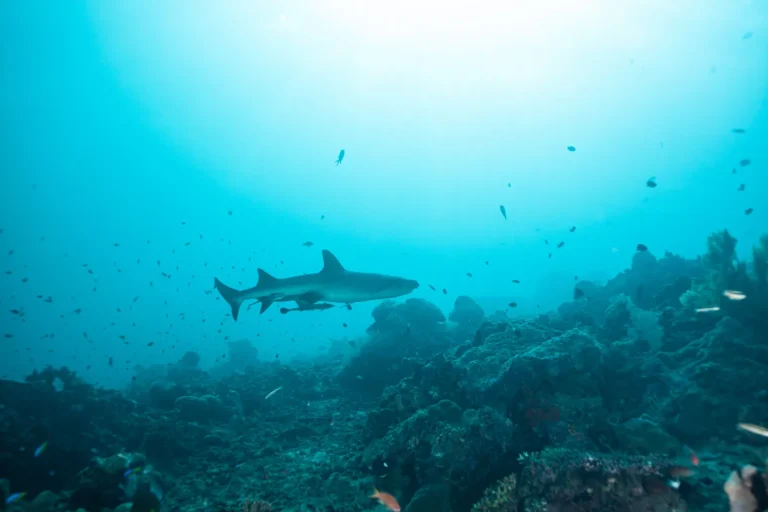
You slip into Oahu’s blue water, hear your own bubbles, and spot a gray shape cruising past. Then your mask turns into a steamy windshield. You can beat that. You scrub a new lens the night before, swipe on reef safe anti fog, and keep your fingers off the inside glass. If it still clouds up, you fix it fast without drifting off the group. Here’s what works when sharks show up right on time.
Key Takeaways
- Before splashing in Oahu, apply reef-safe anti-fog or two drops baby shampoo, rub thinly, then rinse lightly.
- For new masks, scrub inside lenses with non-gel toothpaste until water sheets, then avoid touching the inside glass.
- Don’t park the mask on your forehead between shark sightings; keep it sealed to reduce temperature swings and fogging.
- Mid-dive, exhale softly through your nose; if fogging starts, surface calmly, rinse, reapply one drop, then descend.
- Use spit as a quick, non-stinging rescue; avoid ammonia or harsh chemicals, and flush with fresh water if eyes burn.
Stop Mask Fogging on Oahu Shark Dives (Quick Steps)
Usually, you can beat mask fogging on an Oahu shark dive with a few quick habits before you even hear the boat engine settle into its hum.
Right before you splash in for scuba diving, add a reef safe anti-fog spray or two drops of baby shampoo. Spread it across the lens like you’re waxing a tiny window, then rinse lightly.
Right before you splash in, add reef-safe anti-fog or two drops of baby shampoo, wax the lens, then rinse lightly.
Going zero cost? Use saliva, rub gently, and give it a quick rinse.
Underwater, keep your fingers off the inside glass, and don’t park the mask on your forehead between looks at the blue as sharks cruise by. Exhale through your nose softly so you don’t steam it up.
If your snorkel starts gurgling while you’re watching sharks, use a steady exhale to practice snorkel clearing before you descend again.
If mask fogging hits mid dive, surface calmly, rinse, reapply, then drop back down.
Clean Your Mask to Prevent Fogging (New vs Used)
Those quick anti-fog habits work even better when your mask starts out truly clean. A new mask often hides a factory film that grabs fog. Scrub the inside lens with non-gel toothpaste and a soft toothbrush. Rinse thoroughly. Repeat until water sheets across the glass instead of beading.
Used or new, you still need to clean your mask with gentle dish soap after dives. Salt, sunscreen, and skin oils love Oahu air and they’ll cloud your view. Rinse with water and let it air-dry in shade. Store it in a case so dust can’t sneak in. Handle the mask by the skirt or strap, not the lens. Then apply a thin anti-fog coat right before you splash. Keep using the routine. It works well. For chilly Oahu shark dives, pairing this routine with the right wetsuits, rash guards helps reduce temperature swings that can trigger lens fogging.
Choose Reef-Safe Anti-Fog That Won’t Sting Eyes (and What to Do Mid-Dive)
Picking the right anti-fog feels like a small gear choice until you’re floating over Oahu’s blue water and your mask starts to cloud.
For everyday mask defog, choose reef-safe anti-fog drops labeled non-toxic. Use 1 to 2 drops per lens, rub the inside to a thin film, then rinse lightly right before you splash in.
If you’re close to sharks and want something that won’t sting, go classic with a mid-dive spit rescue. Spit, rub, rinse, done. Skip ammonia or harsh chemicals. If your eyes burn, get out, flush with fresh water, and get medical help.
During shark dives, you can surface, press the mask on, exhale through your nose, lift the skirt to drain, then reapply one drop of reef-safe anti-fog, then descend.
Just like your sun protection, sticking to reef-safe formulas helps reduce impact on Oahu’s marine environment during shark dives.
Frequently Asked Questions
What Water Temperature Should I Expect on Oahu Shark Dives?
You’ll feel 24°C in winter and 28–29°C in summer water temperature, with modest seasonal variation. You won’t notice much thermocline effects on 0–30 m dives. Choose 3mm or rashguard; guarantee safe exposure on longer sessions.
Can I Wear a Snorkel Mask, or Do I Need a Scuba Mask?
You can wear a snorkel mask for shallow shark swims, but you’ll need a scuba mask for deeper or tethered dives, no contest. Skip full face; choose a low profile, panoramic, dry recreational mask that seals.
Are Prescription Lens Inserts Available for Shark Dive Masks?
Yes, you can get optical inserts for many shark-dive masks. You’ll choose prescription options or a custom fit, consider lens coatings, and confirm replacement availability. Check mask compatibility, ask for polycarbonate lenses, and get shop fitting.
Will Defog Treatments Harm Marine Life or Violate Local Regulations?
You won’t harm marine life or break rules if you choose reef-safe defog. Avoid alcohol/ammonia to reduce chemical runoff and marine toxicity. Rinse on shore, and use rentals for regulatory compliance and lower environmental impact.
How Do I Prevent Fogging if I Have a Mustache or Facial Hair?
Use a trim technique to clear the skirt line, then you’ll do seal adjustment by brushing hair aside and testing suction. Add a facial barrier (tape), maintain beard compression, and choose accessory guards plus anti-fog.
Conclusion
On an Oahu shark dive, a clear mask is your front-row seat. You scrub a new lens with plain toothpaste, swipe on reef-safe anti-fog, and you don’t touch the inside again. If haze creeps in, you surface, spit, rinse, and reseat. Last summer a nervous first-timer did that, then dropped back down. Her view snapped sharp: silver sharks gliding past, bubbles hissing, sunlight rippling like glass. She laughed into her reg. You’ll feel calm again.