
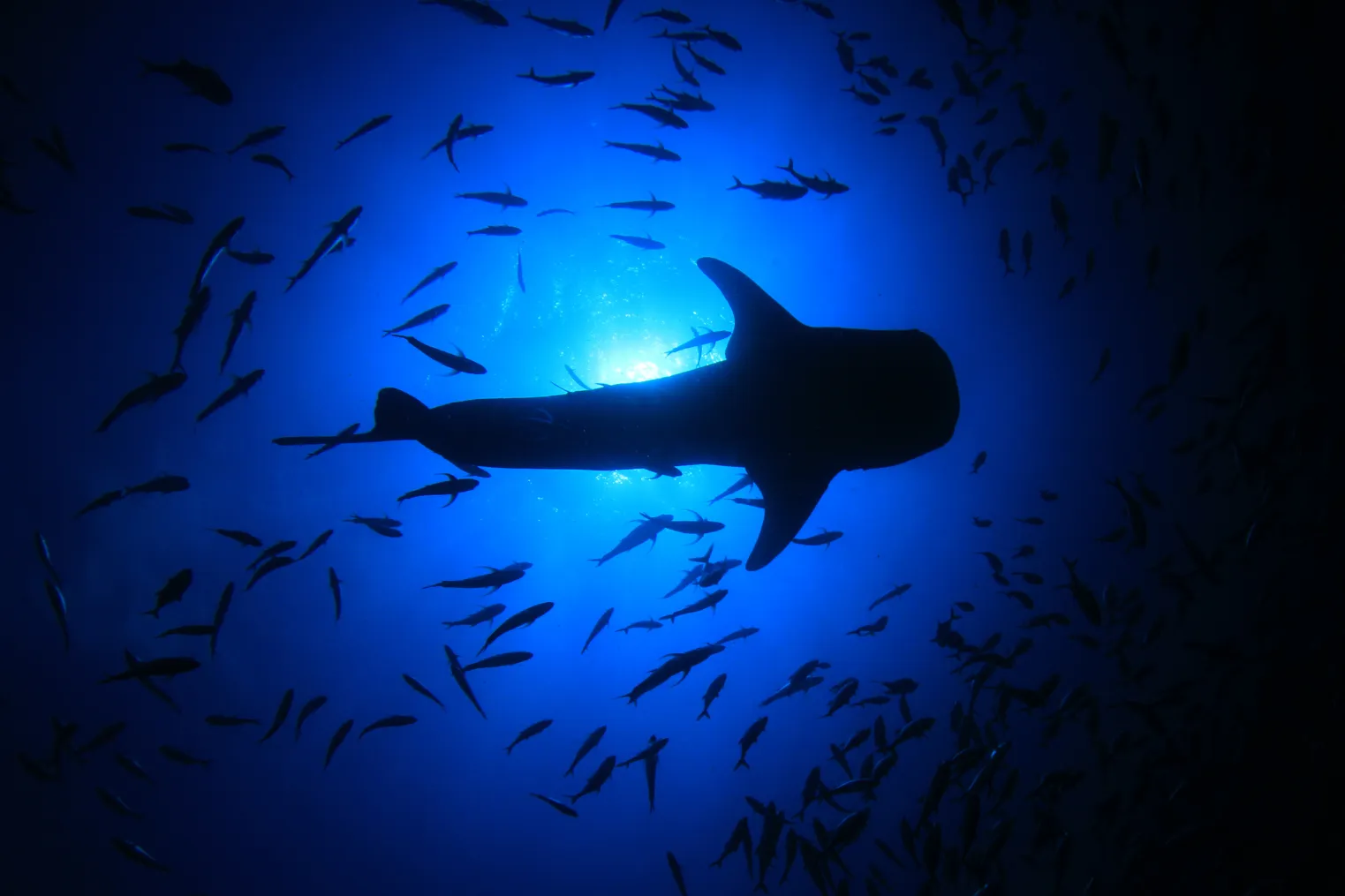
If you want the smoothest ride and the most space in the cage, you’ll do best on a midweek morning, Tuesday through Thursday. You’ll hear fewer coolers thumping on the dock and more gulls calling over Haleiwa. The first boat out, often around 7:00 am, tends to hit glassier water and lighter winds. Weekends can feel like a floating group chat. But what happens when swells and seasons change the whole game?
Key Takeaways
- Tuesday–Thursday usually has the calmest docks, fewer passengers, and better seat availability for Oahu shark dives.
- Friday–Sunday brings the biggest crowds, fuller boats, and busier check-in; reserve several days ahead for weekend trips.
- Book the earliest morning departure (around 7:00 am, or 6:00 am in summer) for smoother seas and clearer conditions.
- Afternoon trips often face stronger trade winds and building swell, creating more chop, spray, and a rollier ride.
- During holidays, school breaks, and peak summer, book 2–4 weeks ahead to secure early slots and avoid sell-outs.
What’s the Best Day for Shark Diving Oahu?
Usually, the best day for shark diving on Oahu lands midweek, especially Tuesday through Thursday, when the docks feel calmer and you can snag those early morning seats.
Midweek, Tuesday through Thursday, brings calmer docks and better odds of snagging those early morning shark dive seats.
You’ll hear fewer suitcase wheels and more gulls as you check in. Aim for the first boat out. Most shark cage diving tours leave around 7 am, or 6 am in June through August, and the water often looks like brushed glass. For the calmest seas and clearest conditions, many operators recommend a morning departure over an afternoon trip.
If you’re chasing tiger sharks, pencil in July to November and stick to weekday mornings.
On Saturdays and Sundays, boats fill fast, especially during whale season and summer. Book several days ahead for weekends or holiday weeks so you don’t miss that crisp, quiet departure. Bring a jacket. The ride feels cool and salty.
Should You Go Midweek or Weekend in Oahu?
If you’d rather hear seabirds than suitcase wheels at Haleiwa Harbor, go midweek. Tuesday through Thursday usually means fewer passengers, more elbow room on deck, and a calmer check-in line.
Midweek trips also have better slot availability, so you can lock in the departure you want before the weekend rush.
On Saturdays and Sundays, tourists and local day-trippers pack the harbor. The parking lot fills, the restrooms stay busy, and boats book out fast.
You won’t see fewer sharks on a weekend, but you may share the rail with more cameras and more chatter. If you want quiet water, easier logistics, and a guide who can focus on you, choose a weekday charter.
All tours leave at dawn, and weekdays make snagging spots easier. If you’re staying in Waikiki, plan ahead for transportation from Waikiki to reach the North Shore harbor on time.
What Time Is Best for Oahu Shark Diving (Morning vs Later)?
More often than not, the best time for shark diving on Oahu is the first trip out in the morning. Early mornings feel quieter at the harbor. You hear lines slap the dock and smell coffee on the boat. Most tours leave at 7 am, or 6 am in June to August, so grab the earliest slot and book ahead. On most charters, your actual time in the water is limited, so calmer morning conditions help you make the most of every minute.
| Time | What you notice | Why it helps |
|---|---|---|
| 6 am | cool air | smooth start |
| 7 am | glassy water | clearer views |
| 9 am | more chop | mixed visibility |
| 12 pm | bouncy surface | less comfort |
You can spot sharks anytime, but guides say morning trips stay more consistent. Later slots fill with families, and cameras fog faster. If you get seasick, that first departure is your best bet.
How Do Wind and Swells Affect the North Shore Ride?
That early departure doesn’t just buy you calmer nerves, it often buys you a calmer ride too. At the right time of day, the North Shore can feel like glass with a soft lift under the hull. On the first trip out, lighter trade winds usually mean less chop, so your 15 to 20 minute run to the shark site stays smooth and quiet except for the engine and flying fish. In general, morning winds are typically lighter on the North Shore, which is why earlier shark dive departures often have the calmest surface conditions.
Later, winds tend to crank up and the surface turns into a rattling washboard. Add a bigger open-ocean swell train and the boat starts to roll, toss spray, and make your stomach file a complaint. Captains chase mornings because the odds favor gentler seas before midday. You’ll get there, just wetter and wobblier.
Which Season Is Best for Shark Diving Oahu?
In winter, you can roll out early with the whale migration nearby, but North Shore swells can make the boat ride loud and bouncy.
Come spring and you’ll often get calmer seas and cleaner visibility, plus fewer crowds on the dock and more space on your photos.
Summer into late fall brings warm water and your best shot at tiger sharks through November, while Galapagos and sandbar sharks keep things exciting any time you go.
If you’re hoping to spot them, hammerhead sharks have seasonal patterns in Hawaii, so timing your trip can make sightings more likely.
Winter Swells And Whales
When winter rolls into Oahu, the North Shore starts to flex with bigger swells, and you’ll feel it on the ride out. You’ll bounce over chop and hear spray slap the hull, so pick the earliest morning departure when swells and trade winds sit lower.
Winter is also a popular time for shark diving Oahu in January, so plan for extra demand during peak travel dates.
Winter also brings humpback whales close to shore. On many Dec to Mar trips you’ll spot blows and tail flukes between shark passes. Tiger sharks drop in odds now, but you’ll still meet Galapagos and sandbar sharks in clear blue water.
Holiday weeks pack the harbor and bump prices, so reserve early and arrive with patience. The payoff feels like a small expedition with ocean noise and wildlife on all sides. Bring a jacket for the cool run back.
Spring Calm Seas Advantage
Often, spring on Oahu feels like the sweet spot for shark diving because the ocean settles down and the day runs smoother. From March to May you get milder air, softer sun, and generally calmer ocean conditions. The boat ride out of Haleiwa Harbor feels less like a rodeo. You’ll hear the bow slice clean water instead of slap.
With fewer holiday and summer crowds, your tour group often stays small and check in moves fast. Clearer visibility makes sandbar and Galapagos sharks pop into view sooner, even without a cage. Trade winds and afternoon swells bother you less, so you can float longer and focus on fins and shadows. According to the seasonal conditions guide, spring is often one of the best windows for smoother rides and more consistent water time off Oahu’s North Shore. A quick rain shower may roll through, then pass. Prices often ease too now.
Summer Heat And Tigers
Because summer turns the North Shore into a bright, glassy playground, it also kicks tiger shark season into high gear. From June through November your odds climb, and June to November is the sweet spot. Some crews roll out at 6 am, when the ocean feels like cool silk and the trade winds haven’t woken up yet. While encounters are possible year-round, Hawaii’s tiger sharks are most commonly seen in warmer months and can grow impressively large, so always follow your operator’s safety briefing.
You’ll often get better visibility under that hard blue sun, but you’ll share it with more visitors, so book early. Pick a light wind day and an early morning charter for the smoothest ride and the best chance at a big striped silhouette. If tigers don’t show, your Oahu Shark dive can still deliver Galapagos or sandbar sharks year-round. Bring a hat and keep your camera ready.
How Crowded Are Tours (and What Do Crowds Change Onboard)?
Most days, the crowd level on Oahu shark dives comes down to your calendar as much as your courage. Friday through Sunday you’ll see fuller boats out of Haleiwa, hear more zippers and tank clinks, and wait longer at check in. Gear briefings feel tighter, and you’ll trade elbow room for extra chatter. Last-minute travelers can sometimes still snag same-day bookings on less crowded weekdays, especially for later departures.
| Day window | What you notice | What changes |
|---|---|---|
| Fri–Sun | Busy dock, packed benches | Shorter water turns, fewer photo angles |
| Tue–Thu | Small groups, quiet rails | More surface time, more guide Q&A |
Holidays and school breaks can fill early slots all week, then spill into later departures. Operators often add boats, so shark sightings stay steady, but boat traffic around the chum slick can soften your view. You’ll still feel the ocean thrum underfoot.
How to Book the Calmest Shark Diving Oahu Trip
You’ll get the calmest shark snorkeling trip when you book the earliest departure, usually 7:00 am or 6:00 am in June through August, when the ocean often looks like smooth blue glass and the harbor stays quiet.
This kind of early start is part of the Sunrise Shark Dive experience, when the ocean encounter happens right as the day begins.
You’ll also want to watch the wind forecast and pick a low-wind morning so the ride out from Haleiwa feels more like a gentle glide than a bumpy bus.
Lock in your date several weeks ahead during winter holidays or summer so you can snag that first slot and show up with coffee in hand instead of crossed fingers.
Book The Earliest Slot
If calm water sits at the top of your shark diving wish list, set your alarm and grab the earliest slot on the schedule.
You’ll want to book the earliest morning slot (typically 7:00 am year-round,or 6:00 am June–August).
At first light the sea feels glassy and the boat hums instead of slams.
You also dodge the trade winds and growing swells that can turn North Shore afternoons into a comedy sketch.
Lock that time in early once flights are booked.
Winter holidays and summer dates sell out fast and rates creep up.
Some operators also offer a Reserve Now, Pay Later option so you can lock in that early departure without paying everything upfront.
Pick an operator that leaves from Haleiwa Harbor.
The ride runs about 15–20 minutes to the site, so you spend less time bouncing and more time watching fins cut through water.
Choose Light Wind Days
Early alarms get you on the water before it wakes up, but the real cheat code for a smooth Shark Diving Oahu trip is picking a light-wind day. Your best Time investment is scanning the wind forecast and being picky. Aim for under 10 to 12 knots, and smile when you see offshore or variable arrows. Skip North Shore afternoons when trade winds and swell often get noisy and slap the hull. Trade winds can stack up short-period wind waves, creating ocean chop that makes the ride feel rough even without big swell.
- Check wind speed and direction, not just sun icons
- Favor offshore or variable winds for clearer water
- Watch for rising swell that turns the ride bouncy
- Call the operator the night before to confirm
- Reschedule if trades roar and whitecaps show up
You’ll hear less gear clatter and more seabirds on glide.
Secure Dates In Advance
While the ocean can look calm from the beach, the calmest Shark Diving Oahu trip usually starts with your calendar, not your wetsuit. Book the earliest morning slot available (typically 7:00 am,or 6:00 am June–August) to maximize calm sea conditions and smoother boat rides.. Morning harbors feel quieter, and the water often looks like brushed glass. You’ll hear less engine chatter. In winter holidays and summer, reserve 2–4 weeks ahead so that sunrise departure doesn’t sell out. During peak season, locking in your spot 2–4 weeks ahead also gives you more flexibility to switch dates if conditions change.
| When | Why it helps | Aim for |
|---|---|---|
| Tue–Thu | fewer passengers | relaxed deck |
| Light winds | clearer views | tiger season Jul–Nov |
Before you pay, check the operator’s refund or reschedule rules. If trades spike or swell rolls in, you’ll slide to the next calm morning date without eating the cost.
Frequently Asked Questions
Do I Need to Be a Certified Scuba Diver for Oahu Shark Diving?
No, you don’t need to be a certified scuba diver, most Oahu shark tours are snorkeling or cage-free freediving, so there’s No certification required. You just need swimming skills, comfort offshore, and to meet health/age rules.
Is Shark Diving on Oahu Safe for Kids and Non-Swimmers?
Yes, it’s generally safe: many operators set a minimum age around 8–10. You’ll get Supervised participation with licensed guides, safety briefings, cages or flotation devices, early calm departures, and onboard first-aid, tell staff you can’t swim.
What Should I Bring or Wear for a Shark Cage Tour?
You’ll wear a swimsuit under quick-dry layers and bring a towel, clothes, and closed-toe water shoes. Take seasickness meds early, pack a waterproof camera, and don’t forget Sun protection essentials: reef-safe sunscreen, hat, sunglasses, water.
Are There Weight Limits or Medical Restrictions for Participants?
Many boats cap riders at 300–350 lbs (136–159 kg) for safe capacity, so yes, weight limits apply. You’ll also face Health screening: pregnancy’s usually prohibited; serious heart/respiratory issues, seizures, or recent surgery may disqualify you.
Can I Bring a Gopro or Camera, and Are There Filming Rules?
Yes, you can bring a GoPro or small handheld camera; Camera policies vary, so you’ll confirm with your operator. Secure mounts only, don’t obstruct guides, skip flash/lights, and preclear pro rigs, drones, or commercial filming.
Conclusion
Book a Tuesday to Thursday morning slot and you’ll notice the coincidence right away. The dock feels hushed. The first boat slips out around 7:00 am and the water looks like polished glass. You hear only the engine and a few seabirds. Fewer guests means more rail space for photos and less bumping elbows in wetsuits. If wind picks up later it’s almost like Oahu’s reminding you. Early wins.


