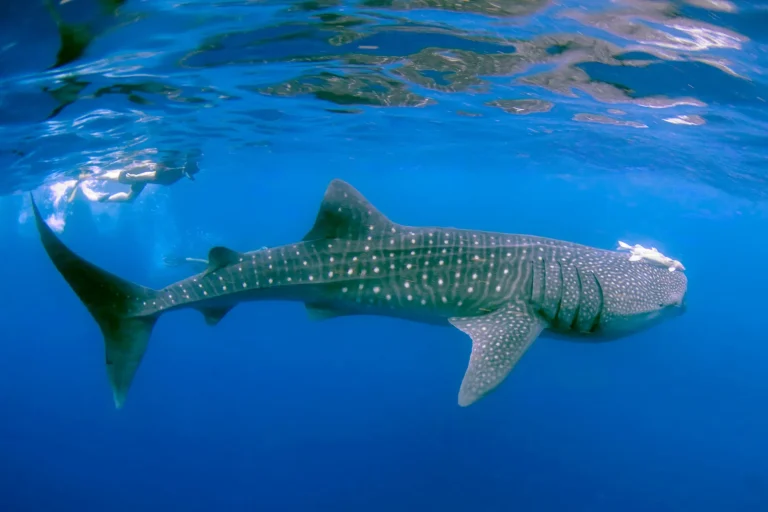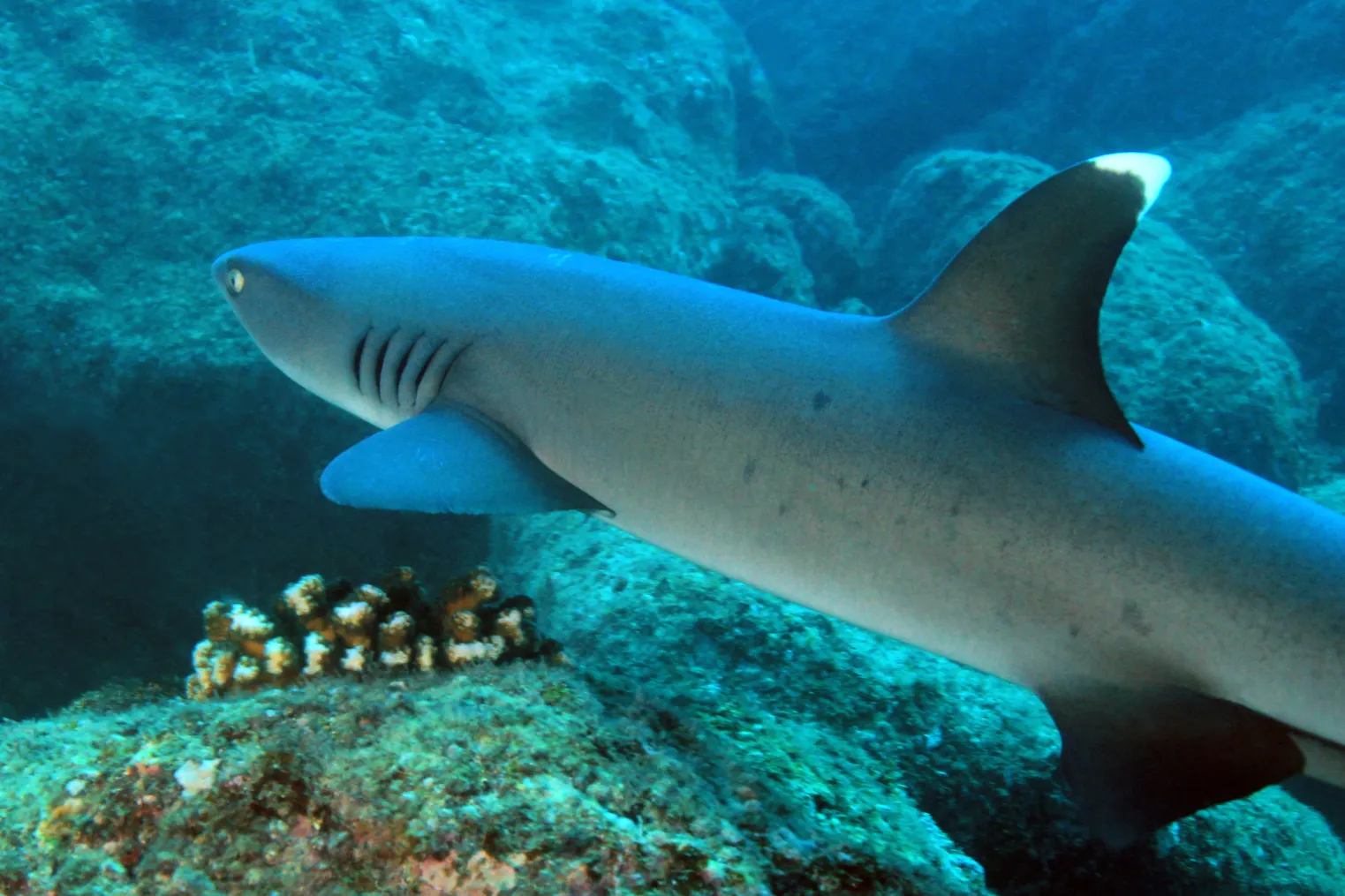
Before you slip into shark country, you’ll want your snorkel basics to feel automatic. You practice slow belly breaths so your chest rises like a quiet swell and your fins stop splashing. You clear your mask with a sharp exhale and purge your snorkel fast when a wave sneaks in. You stay level by tweaking lung volume. Then you rehearse buddy checks and simple hand signals, because the ocean gets loud in a hurry…
Key Takeaways
- Practice slow diaphragmatic breathing face-down, targeting 6–8 breaths per minute, to stay calm and manage CO₂ buildup.
- Use lung-volume buoyancy control: inhale to rise, exhale to sink slightly, maintaining neutral surface trim with minimal leg movement.
- Master mask clearing: chin up, reseat skirt, then sharp nose exhale to clear water in under five seconds.
- Drill snorkel purging immediately after surfacing with one strong blast to expel water and prevent accidental inhalation.
- Follow buddy rules and signals: stay within 0.5–1 meter, scan every 30–60 seconds, and use calm, low-splash finning.
Snorkel Breathing and Buoyancy for Shark Dives
Slip into a pool first and make your snorkel breathing and buoyancy feel as normal as walking.
In pool practice, settle into a face-down float and listen to bubbles hiss past your ears. Use diaphragmatic breathing and keep a steady breathing rhythm of 6 to 8 slow breaths per minute so CO2 doesn’t sneak up on you. Think “stillness equals calm” and practice floating techniques that keep you relaxed and level even when the water is deep.
Then work buoyancy control with your lungs. Inhale to rise like a cork, exhale to sink a touch, and aim for neutral surface trim. Add fins and keep your legs quiet so the surface stays glassy. Try an inflatable snorkeling vest early on and practice quick-surface recovery.
If you feel edgy, lift your head, take two full breaths, then glide back down and watch shadows cruise below.
Clear Your Mask and Purge the Snorkel (Fast)
Master these two quick fixes and the ocean gets a lot quieter. In pool-practice, you’ll run the mask-clearing and snorkel-purge drills until they feel like flipping a light switch. Before you even hit the water, treat the lens to a quick mask fogging fix so you’re not fighting a cloudy view on Oahu shark dives.
> Master these quick fixes in pool practice, mask-clearing and snorkel-purging become automatic, and the ocean gets a lot quieter.
- Tilt your chin up, then seal-and-reseat the mask with light pressure. Do a sharp, controlled-exhale through your nose and watch beads of water slip out the skirt. Repeat until it’s under five seconds.
- For a waterlogged-snorkel, keep the tip above the surface and blast air through the mouthpiece so the valve spits water in one burst.
- Combine them after a deliberate dip and quick-breach. Purge, equalize, then return to calm breathing-techniques and steady heart-rate-recovery in 20 to 30 seconds.
If it jams, lift your head, reset, try. Flash buddy-signals before you start.
Shark Dive Safety: Buddy Rules, Signals, Calm Finning
Often, the safest shark dive feels almost quiet, like you’ve stepped into a moving blue hallway where every fin kick matters.
Before you drop in with your snorkel, lock in safety with buddy rules. Pick roles. One of you tracks sharks and the scene. The other checks your buddy and gear. Make eye contact or scan every 30 to 60 seconds.
Keep talk with hand signals: look, up, down, stop, boat. Add an emergency wave or tap. Confirm your group understands the briefing’s spacing rules before you enter the water.
Then practice calm finning. Use slow flutter or frog kicks and keep splash low, under 60 strokes a minute. Pair that with breathing techniques. Inhale for four and exhale for six.
For stress management, close ranks in buddy consolidation, 0.5 to 1 meter apart. Hold neutral posture
Frequently Asked Questions
How Do I Choose the Right Snorkel and Mask for a Shark Dive?
Choose Low volume masks with Mask skirt; do Fit testing by nose-inhaling. Add Prescription lenses, Lens coatings, and Anti fog treatments. You’ll pair Dry top snorkels featuring Purge valves, Tube flexibility, and Snorkel clips safety.
What Should I Wear for Warmth and Sun Protection During the Snorkel?
You’ll wear rash guards and UV leggings or swim leggings, add sun hats, and choose wetsuit thickness 1–3 mm over thermal layers. Pull on neoprene socks, use hooded vests, apply waterproof sunscreen, bring polarized gear.
Can I Shark Snorkel if I’M Not a Strong Swimmer?
Yes, you can: like Mia, you’ll join with guided supervision if your confidence level’s honest. Use flotation aids, keep a buddy system, practice breath control, panic management, emergency signals, exit strategies, snorkeling etiquette, and swimming lessons.
What Medical Conditions Could Prevent Me From Joining a Shark Dive?
You may be turned away for cardiac conditions, uncontrolled asthma, severe COPD, severe epilepsy, recent surgery, untreated inner ear infections, immunosuppression, mobility impairments, severe claustrophobia, and pregnancy concerns, since these raise drowning, barotrauma, or risks.
How Do I Handle Seasickness Before and During the Boat Trip?
Beat motion sickness like a superhero: take antiemetic medications early, wear acupressure bands, pack ginger remedies, follow hydration strategies and meal timing, nail cabin selection, grab fresh air, use breathing techniques, and try distraction activities.
Conclusion
You’re not training to fight the ocean. You’re learning to float with it. Breathe low and steady through your snorkel, then tweak your buoyancy with a quiet sip or sigh of air. Clear your mask fast, feel the cool rush, hear the sharp spit of a clean purge. Stay close to your buddy, trade simple hand signals, and fin slow and flat. The goal is calm control, even when a shadow glides by.