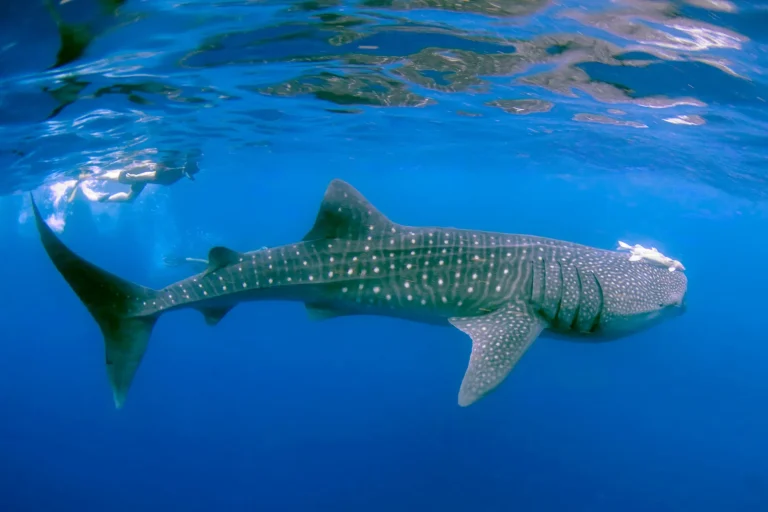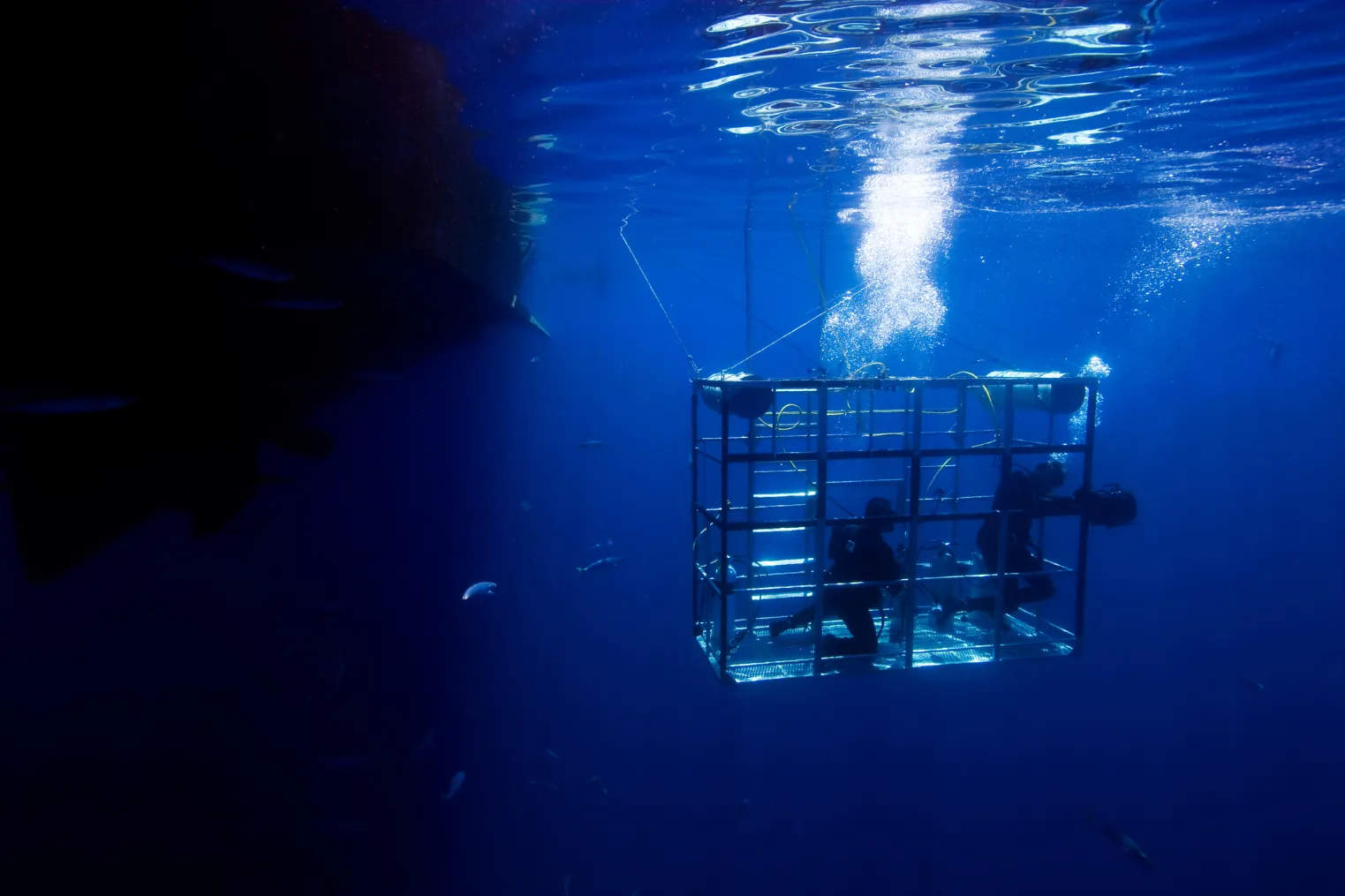
Before you slip into Oahu’s blue water and spot that first gray shape cruising by, you’ll get a safety briefing that’s more than box checking, it’s your shared language underwater. You’ll practice simple hand signals like stop, OK, and recall, learn where to line up on the rope with about an arm’s length of space, and lock in the big three rules, no touch, no chase, no feed. The small details are what keep it smooth, so watch what comes next.
Key Takeaways
- Follow core rules: no touching, chasing, or feeding; keep hands, cameras, and fins close with smooth, quiet movements.
- Enter and exit in order: safety divers first, guests one at a time; climb the ladder only on crew clearance.
- Use the safety rope to hold position and counter current, keeping 1–1.5 m spacing and the boat/safety diver within sight.
- Know emergency signals: “stop” palm-out freezes and grabs rope; recall whistle/wave returns to ladder; overhead arms call a safety diver.
- Manage stress: breathe slowly (6–8 breaths/min), stay vertical holding the rope, and signal “not OK” early for immediate crew assistance.
What’s Covered in a Shark Dive Oahu Briefing?
Before you even see that first shadowy fin slide through the blue, the crew walks you through a clear, step-by-step safety briefing that covers shark behavior, simple hand signals, and exactly how you’ll enter and settle in, so nobody’s guessing once the boat starts to rock.
You’ll learn the order, safety divers go first, then your small group follows, shoulder-to-shoulder or slightly staggered to keep spacing.
In the water you hold the safety rope, breathe slow and steady, and keep your eyes on the guide.
They also point out where life jackets are stored on the boat and clarify crew roles so you know who to follow if conditions change.
They fit your mask, snorkel, and fins, then have you practice clearing a leak, controlled finning, and ladder exits.
Finally, they review emergency signals, thumbs-up, stop, come-here, and remind you that shark diving works when everyone follows the plan.
Shark Dive Oahu Rules: No Touch, Chase, Feed
Once you drop into that clear Oahu blue and hear only your own slow breath through the snorkel, the big three rules snap into focus: don’t touch, don’t chase, and don’t feed.
Slip into Oahu’s blue, match your breath, and remember the big three: don’t touch, don’t chase, don’t feed.
Touching or prodding a shark can scrape its skin and your fingers, so the crew will pull you out if you ignore it. Hold your hands, camera, and fins close, and move like you’re gliding past a museum window, not splashing like a wounded fish.
Let sharks set the pace. Stay calm on your assigned spot on the rope, follow entry and exit order, and let curiosity bring them near.
Feeding is off-limits because it teaches bad habits, so any baiting happens only from the boat under tight shark safety control today. Operators also reduce risk by enforcing strict operator practices like clear briefings, controlled spacing, and immediate exits if conditions change.
Shark Dive Oahu Hand Signals You’ll Use
You’ll use a small set of hand signals to keep things calm and clear in the water, starting with thumbs up for “OK” and thumbs down for “not OK, I need out,” and when you see either one from the crew, you don’t debate it, you follow their direction back to the boat.
Before you ever hit the water, the crew covers the full check-in to boat ride flow so you know exactly what’s happening and when.
To stay close together, you’ll watch the guide like you’d watch a crossing guard on a busy street, mirror their pointing and open-hand cues so everyone’s looking the same way when a shark slides in from one side.
If you get the closed-fist “hold the rope” sign or a slow-down cue like a flat hand at the throat, you tighten your spacing, keep a steady grip, and let the group move as one.

Still comparing Shark Dive Oahu Safety Briefings Explained: Signals, Spacing, And Rules?
Ask for tour ideas, hotel suggestions, or a simple trip plan that combines both.
Trip Helper
OK And Not OK
Slip into the water, take a steady breath through your snorkel, and treat hand signals like your shared language in the blue, they keep the crew looped in and the group moving smoothly even when a shark glides past and everyone’s a little wide-eyed.
Show OK with a thumbs-up or palm so guides know you’re steady in the Shark encounter. If you’re not OK, wave a flat hand side to side, or make a quick X with both hands, and the safety diver responds.
Before you even gear up, confirm the operator includes a clear safety briefing so everyone understands these signals and expectations.
For spacing, point left or right with an open hand, add a count, then drift to keep 2 to 3 meters between snorkelers and sharks.
Tap your mask then point to flag a sighting, and freeze on the stop palm.
Return To Boat
When the crew flashes the “Return to Boat” signal, a flat hand palm-up sweeping toward the surface or boat, it’s your cue to pause, settle your breathing, and head in with the same calm rhythm you used out in the blue. Stop kicking, grab the safety rope, and glide toward the ladder they point out, keeping your eyes on the safety diver like you’re following a calm tour guide. Ascend slowly, equalize, and let the boat’s shadow grow above you. Plan to be ready for these cues by arriving at the dock by your assigned check-in time so the safety briefing isn’t rushed.
| Signal | Your move | Why it matters |
|---|---|---|
| Return to boat | Stop, hold rope | Smooth approach |
| Pointed ladder | Swim to that side | Avoid mix-ups |
| After boarding | Sit, clip in | Quick headcount |
Returning early? Signal return to boat with a waving hand, and the diver escorts you.
Stay Close Together
Out in the blue, the “stay close together” cue keeps the dive calm and easy to manage, like forming a neat line at the edge of a swimming pool before you hop in. You’ll hover within arm’s reach, 1 to 2 meters, of your buddy and the safety rope, and operators often keep groups near six so the crew can monitor everyone. On a Sunrise Shark Dive Oahu, the low-light morning conditions make this tight formation even more important for clear crew oversight.
Line up shoulder to shoulder, face one way, and keep 1.5 to 2 meters between you so there aren’t gaps. A closed fist or shoulder tap means tighten, sliding toward the rope without crossing. An open palm means spread for photos, then return on “hold position.” If you’re uncomfortable, show the off signal, thumb down, and swim to the ladder, staying close.
Shark Dive Oahu Spacing: Where to Position
Because the water can feel wide open even with the boat right there, you’ll stay calmer and safer by choosing a clear, predictable spot and holding it.
Choose a clear, predictable spot and hold it, staying calmer and safer, even when the water feels wide open.
Set up along the safety rope or clipped line off the hull, leaving an arm’s-length, about 1 to 1.5 meters, from the next snorkeler so a safety diver can glide between you.
Keep the boat and a safety diver within easy sight, usually 5 to 10 meters, and give sharks room, a clean 2 to 3 meters, never cutting across their travel lane.
Practice camera courtesy by taking turns for photos and avoiding crowding someone’s shot so the group spacing stays orderly.
To avoid fin bumps and murky bubbles, stagger depth, one person shallow, one slightly deeper, instead of stacking.
On entry and exit, queue single file, one body length apart, moving one at a time.
Shark Dive Oahu Rope: Hold On and Stay Calm
You’ll use the safety rope clipped to the hull as your steady handrail in the current, so you can hold your spot and keep your feet clear of the ladder while sharks cruise by like calm commuters.
Keep a relaxed grip, give your neighbor a little space, and when you’re moving, switch to slow, controlled kicks with neutral buoyancy so nothing looks sudden or splashy.
If you’re prone to nausea, focus on seasickness prevention before you enter the water so you can stay steady and attentive during the dive.
Breathe low and even behind your mask, and you’ll stay calmer, last longer on the rope, and be ready to follow the crew’s timing and exit signals without fuss.
Safety Rope Purpose
Often, the simplest tool on a shark dive is the one that keeps everything feeling steady: the safety rope clipped to the boat and set around chest height, so you can hold on with one hand, keep your face in the water, and watch sharks glide in from the blue.
Think of it like a handrail in the ocean, it steadies you when the boat rocks, cuts fatigue, and helps you slow your breathing during the 20 to 60 minute window.
If you feel panic rising, focus on slow breathing while keeping one hand on the rope to steady yourself and signal a safety diver if you need help.
It also keeps the group orderly so sharks have a clear lane, and so safety divers can slip in if one gets too curious about fins or masks.
Listen for crew signals like hold, release, or exit, then always respond quickly, no debate.
Proper Grip And Spacing
The safety rope works best when you treat it like a steady ocean handrail and use it the same way as everyone else. Grip it with two hands where it’s clipped to the hull, keep your body vertical in the water, and let small, even kicks do the stabilizing instead of splashing. Remember move calmly and stay relaxed in the water, since steady, quiet movement helps keep everyone safer around sharks.
- Stay about one arm’s length, around 2 to 3 feet, from the person beside you.
- Don’t reach over or around others, and stow loose gear, jewelry, and anything shiny before you enter.
- If a shark glides close, signal the safety diver, angle your shoulders slightly, and keep holding on unless crew tells you otherwise.
Most sessions run 20 to 60 minutes, so settle into the rhythm and enjoy the view below quietly.
Calm Breathing Techniques
Breathing like you’re settling into an easy swim lap keeps the whole rope line calmer, so hold the safety rope with two hands, stay vertical in the water, and slow your rhythm to about 6 to 8 steady breaths per minute.
Inhale gently through your snorkel, then exhale long and smooth, like you’re fogging a window, so your body stays quiet and you don’t kick up splashy signals.
If you’re a first-timer, remember the deep water can feel intense at first, so let your slow breathing set the pace for calm.
If your chest tightens, keep one hand on the rope, lift your head up, and skip quick head turns or arms.
Flash the pre-briefed panic signal for the safety diver, yet keep calm breathing, since rapid, shallow sips trap CO2 and read as agitation.
Practice mask clearing in the briefing, and you’ll feel steadier out there.
Shark Dive Oahu Entry/Exit and Ladder Rules
Before you slip off the boat, you’ll follow a simple entry and exit rhythm that keeps the water calm, the group organized, and the sharks at a respectful distance.
Follow a calm entry-and-exit rhythm, steady water, organized group, and sharks that keep a respectful distance.
You’ll depart from Haleiwa Small Boat Harbor, and at the site you use the sturdy swim ladder while the crew stabilizes the boat, holding on until they tell you to clip to the safety rope. Some operators may also meet at nearby boat ramps depending on conditions and logistics.
- Let safety divers enter the water first, then go one at a time, quiet and unhurried.
- Once you’re afloat, grab the rope along the hull and keep your spacing, about arm’s length or as directed.
- If you need out, signal, wait for clearance, then climb the ladder as crew assists.
Listen for the splash, not your voice.
Shark Dive Oahu Gear Check: Mask, Fins, Snorkel
Next up, you’ll do a quick gear check so your time on the rope feels steady and quiet, not like a slapstick fight with foggy lenses and loose straps.
Your mask is sanitized and defogged, and you’ll test it by pressing it to your face and inhaling lightly, it should hold with suction, not with the strap.
The crew sizes fins with or without booties, checks straps, and swaps pairs if your kick feels clunky, you want finning to hover in place.
Your snorkel gets a clear-airway check and purge test, then you’ll practice clearing and easy breathing.
If the water feels cool, ask about layering a rash guard under a wetsuit so you stay warm without sacrificing easy movement.
Remove jewelry and anything shiny; gear is allowed if pre-approved and fit-checked.
They’ll recheck seal, fin straps, and snorkel clip before entry, then do in-water mask-clear.
Shark Dive Oahu Emergency Signals: Stop, Recall, Exit
Once you slip into the water and settle onto the rope, three simple emergency signals keep everything smooth and coordinated, even if the swell bumps you around like a slow-moving washing machine. “Stop” is a firm flat hand raised palm-out, sometimes doubled with two vertical palms to the surface crew, and it means you freeze right where you are, stop kicking, and hold the safety rope until you’re cleared to move again. Good operators also keep CPR and first aid gear onboard so the crew can respond immediately if anyone needs help.
- Recall: captain waves or whistles, you swim back to the ladder or muster point, calm and steady.
- Exit: downward chops or horn, you remove fins if told, ascend, and climb in order.
- If stuck: tap your head or wave both arms overhead, a safety diver comes right away, always.
Frequently Asked Questions
What if I Have Never Snorkeled or Dived Before?
You can still go first: you don’t need certification, just swim and float. Beginner tips: get fitted, practice snorkel breathing, hold the rope, kick slowly. Safety divers stay close. Disclose medical issues at check-in always.
Are Shark Dives Safe for Kids or Non-Swimmers?
They can be safe if you meet the operator’s age and skill minimums and stay calm in water. You’ll complete a competency check, disclose medical issues, accept flotation, and follow Parental supervision and crew instructions.
What Sharks Will We Likely See, and During What Seasons?
You’ll most likely see Tiger and Galapagos sharks, especially on North Shore offshore trips. You’ll get peak sightings May–September, with June–August most consistent. You might spot an occasional hammerhead, but it’s less predictable.
Can I Bring My Own Camera or Gopro, and Where Can I Mount It?
Yes, it’s perfectly acceptable to bring your own GoPro, provided you declare it at check-in and follow their Camera Mounts rules. Use a secure wrist/chest mount, no loose straps or selfie-sticks, and crew’ll inspect it.
What Happens if I Get Seasick or Panic in the Water?
If you get seasick or panic, you’ll follow Sea sickness procedures: take meds, sit upwind facing the horizon, sip water, and alert crew. In-water, raise arm, move to the rope, and get escorted out.
Conclusion
You’ve heard the briefing, now you get to play the world’s calmest underwater traffic cop. Flash the flat palm to stop, give an OK, and if you’re spooked, signal early, not after you’ve invented a new stroke. Keep 1 to 1.5 meters on the rope, stagger your depth, and let sharks cruise with a polite 2 to 3 meter bubble. No touch, no chase, no feed, and you’ll climb the ladder smiling back on board.