
If you’re eyeing a shark dive off Oahu, you’ll hear a range of local takes, from proud North Shore watermen who treat it like a calm ocean practice to skeptics who worry about hype and sloppy operators. You’ll launch near Haleiwa, smell diesel and salt, and get a no-drama briefing, think steady breathing, hands in, no touching. The real question is what “respect” looks like out there, and who’s actually delivering it…
Key Takeaways
- Many North Shore watermen view shark diving as a respectful, carefully run ocean experience when operators follow strict etiquette and safety protocols.
- Mano holds cultural significance, sometimes as an ʻaumākua, so locals favor calm behavior, low voices, and avoiding hype around sharks.
- Community attitudes often hinge on operator practices, especially no-touch rules, brief encounters, and avoiding baiting that could condition sharks.
- Shark diving can benefit Oahu’s North Shore economy through local guides, boats, and visitor spending when tours are community-based and responsible.
- Locals often support trips that teach shark biology and conservation, including photo-ID logging, research partnerships, and stewardship-focused messaging.
What Do Locals Think About Shark Diving on Oahu?
While shark diving can sound like a thrill-seeker’s stunt, many Oahu locals, especially Native Hawaiian watermen and long-time North Shore crews out of Haleiwa Harbor, treat it as a respectful, carefully run ocean experience where the mano deserves space and attention, not hype.
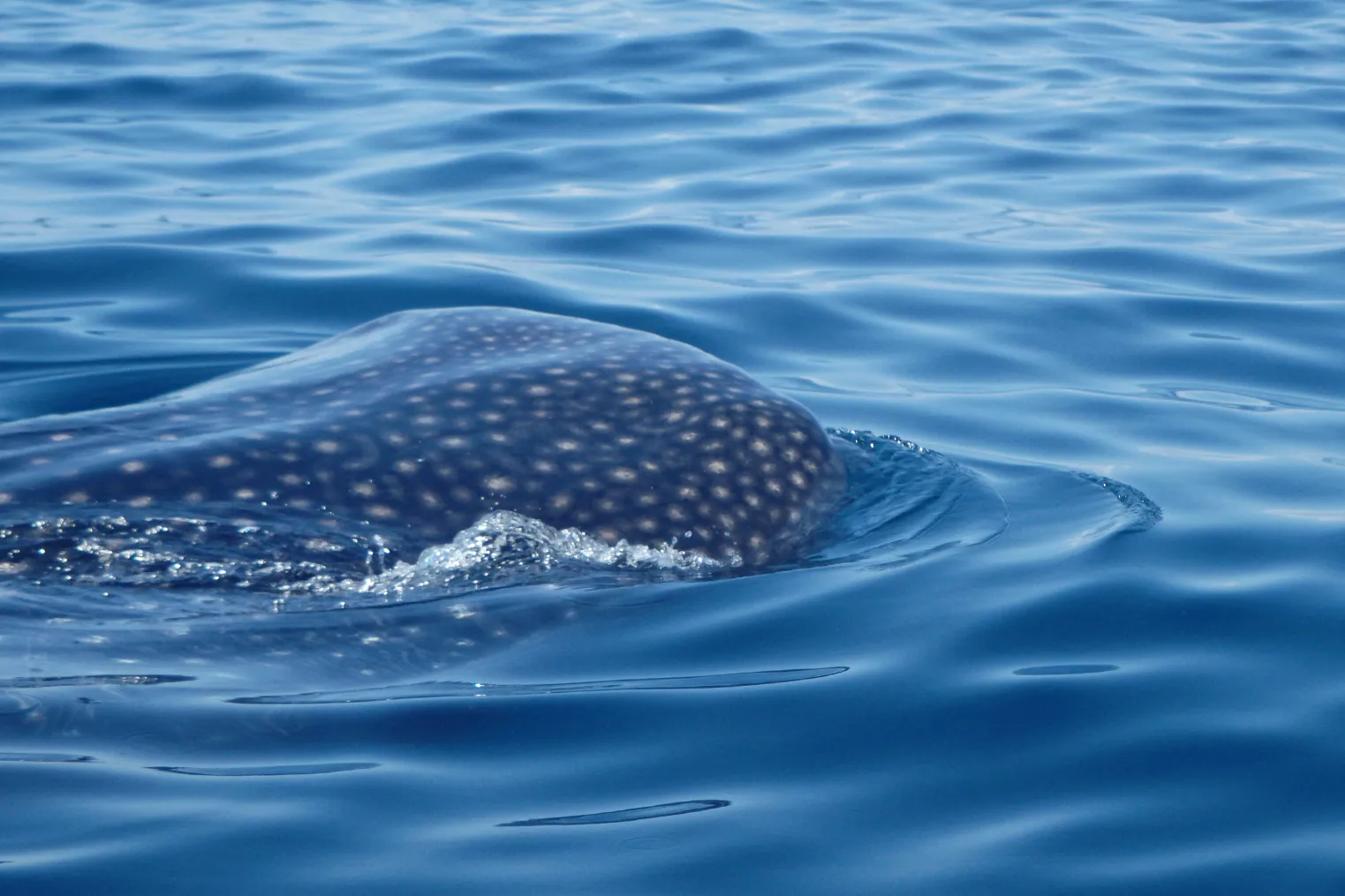
When you join shark tours on the Oahu North Shore, you’ll go in a small group for cage-free shark diving about three miles offshore, in clear water where Galapagos and sandbar sharks glide year-round, and tiger sharks appear July to November.
Evidence-based operators also avoid practices tied to behavioral conditioning and keep encounters brief to reduce stress and disruption.
local watermen pair conservation and education with firm safety protocols, so follow the captain and safety divers, skip solo freediving, and pack reef-safe sunscreen.
seasonal conditions matter, higher surf can cancel October to April, so choose early mornings for visibility.
Why Is Haleiwa the Center of Oahu Shark Diving?
You start in Haleiwa because the Small Boat Harbor puts you on the water fast, and in about three miles you’re over deep, clear blue where shark sightings stay steady.
Just offshore, the seafloor drops away and the visibility often feels like swapping a city pool for open ocean glass, so you can spot movement early and keep your bearings.
If you’re coming without a rental car, plan ahead for getting there so you still make the early boat check-in.
Plan on an early morning departure, bring a light layer for the breezy ride, and you’ll see why Haleiwa’s launch advantage sets the pace for the whole North Shore experience.
Haleiwa Harbor Launch Advantage
Just beyond Haleiwa’s surf-town storefronts, Haleiwa Small Boat Harbor sets the pace for Oahu shark diving because it launches you fast into deep, clear North Shore water where shark tours run about three miles offshore.
You’ll appreciate the calm ramp, free parking, and that quick slip into deep clear water at dawn, when crews like to get moving and you don’t want to hunt for a spot.
Arrive early and plan a little buffer for parking so you’re not rushing when the boats start loading at first light.
From this launch point in Haleiwa, licensed captains often reach the zone in 15 to 30 minutes, faster than Waikiki or Honolulu boats.
You can pick cage-free or caged dives, hear safety notes on currents and traffic, meet Galapagos or sandbar pelagic sharks, then finish your 1.5 to 2 hour outing with shave ice in town afterward.
Offshore Depth And Visibility
Out past Haleiwa’s last line of reef, the ocean drops fast and turns a deep, clean blue, which is exactly why this North Shore harbor has become Oahu’s shark-diving hub.
From Haleiwa Harbor you’re three miles offshore before offshore depth hits several hundred feet, and that steep channel pulls in Pacific water, so visibility often runs 50 to 200+ feet.
You’ll notice fewer tour boats and swimmers than Waikiki, which keeps encounters calmer and gives you room for cage-free freediving when conditions line up.
That deep, food-rich pelagic habitat, stocked with tuna and mahi-mahi, brings Galapagos sharks and sandbar sharks cruising near the surface.
Plan your 2-Day North Shore Itinerary so the shark dive anchors the trip and you can pair it with nearby North Shore highlights.
Plan for May through September for the longest sightlines, and expect winter swells to blur the view or cancel trips.
What Does Mano Mean in Hawaiʻi Today?
When you hear people say *mano* in Hawaiʻi, you’re hearing more than “shark”, for some families it also points to an ʻaumākua, an ancestral guardian that deserves respect, not panic.
You’ll notice that mindset in small choices, like how locals talk at the harbor, how a tour boat might carry a name like Mano Kalani, and how you’re expected to keep your voice low and your hands to yourself when sharks are near.
In the water, follow ocean etiquette by moving calmly, floating when you can, and staying safe without sudden splashing or chasing.
Today, *mano* also shows up in art, classrooms, and conservation talk, so you can listen for the mix of story and science, then follow the simple rule that fits both: watch calmly, keep your distance, and treat the ocean like someone’s home.
Cultural Guardian And Ancestor
Although you’ll hear “mano” used as the everyday Hawaiian word for shark, it also carries the weight of a living relationship, one that many Native Hawaiian ʻohana recognize as protection and kinship rather than thrill-seeking wildlife drama. On Oʻahu, you can listen for Hawaiian history in the way guides speak softly before the water, and you’ll hear how a mano may be an ancestor or ʻaumākua, a cultural guardian tied to moʻokūʻauhau. Hawaiʻi also supports this relationship through shark conservation protections that help keep these animals safe and the ocean ecosystem balanced.
- Ask what family stories connect to that reef.
- Notice a chant (mele/oli) or oli pule offered, then the quiet pause.
- Follow simple kapu cues, like where you sit and when you enter.
- Practice mālama ʻāina by leaving the shoreline cleaner than you found it.
It’s a powerful lens.
Modern Respect And Conservation
You’re supporting shark conservation with crews, safety divers, and regulated zones offshore for cage-free viewing and less baiting.
When Galapagos sharks slide past like submarines, you’ll hear moʻolelo, notice tags and fin shapes, then practice malamā ʻāina by leaving no trash.
These small choices are part of ocean stewardship that helps shark diving give back to the sea.
How Do Oahu Crews Keep Shark Diving Safe and Respectful?
Because the best shark encounters happen on the sharks’ terms, licensed Oahu crews run trips several miles offshore, often about three miles out from Haleiwa Harbor, where deep water and steady currents keep the scene natural and well away from nearshore boat traffic.
Licensed Oahu crews head about three miles offshore from Haleiwa Harbor, where deep water keeps encounters natural and away from boat traffic.
On the Oahu North Shore, trained guides set the tone for shark diving with a quick pre-dive briefing, you’ll practice calm posture, slow kicks, and clear exit signals.
Safety divers track shark body language and use gentle, hands-off redirection, keeping 4–12 guests tight and tidy.
These cage-free trips are designed as a cage-free shark diving experience that prioritizes natural behavior and respectful distance.
- Sanitized gear, optional life jackets
- Controlled entries, no touching, no injuring chum
- Conservation and education, species ID (Galapagos, sandbar)
- Early starts, cancel if seas turn
It’s a cage-free freedive, follow the rules.
Cage vs Cage-Free on Oahu: What Do Locals Prefer?
Often, the real debate on Oahu isn’t whether you’ll see sharks, it’s whether you want a cage between you and the blue.
On the North Shore (Haleiwa), many local crews lean cage-free because you can watch natural behavior and hear conservation talk, especially when you’re freediving in calm water.
You’ll need comfort in open ocean, and operators keep numbers small, usually 6 to 12, with sharp-eyed safety divers about three miles off Haleiwa.
If you’re traveling with families or first-timers, a cage feels like training wheels, it fits 6 to 8 at once, and it suits bigger, mall groups on choppier days.
Either way, ask about season, May to September often favors cageless swims with Galapagos and Sandbar sharks, and bring a mask defog.
On many trips, the experience is run like private shark dive charters, with a more personal briefing and tailored pacing once you’re on the boat.
Does Shark Diving on Oahu Actually Support Conservation?
Sometimes shark diving on Oahu does more than deliver that heart-thump moment in clear blue water, it can also nudge real conservation forward when the crew treats the trip like a floating classroom and a data-gathering mission.
Shark diving on Oahu can thrill and teach, advancing conservation when crews turn each trip into a classroom and research mission.
On your shark tour in Hawaii, you’ll notice guides pointing out fins and scars, then tying them to shark biology and local culture.
When done responsibly, shark dive tourism can also support Oahu’s communities through local economy impact tied to guiding, boats, and related visitor spending.
Before you book, check for:
- education and outreach
- chum/no-feeding policies
- research partnerships
- permit compliance and data sharing
Crews that log Galapagos and sandbar photo-ID can boost conservation, but some scientists say any bait may shift movement, so demand clear briefings and outside oversight.
Pack a hat, and skip flash photos.
You’ll leave Oahu smarter, and less likely to fear them.
Frequently Asked Questions
How Much Do Shark Diving Tours on Oahu Typically Cost per Person?
You’ll typically pay $99–$167 per person; common price ranges hit $130–$162. Ask about group discounts, seasonal pricing, private charters, deposit policies, what’s included, gratuity expectations, and watch cancellation fees, plus ride-along rates and camera add-ons.
What’s the Best Season or Time of Day for Clearer Water?
You’ll get clear water on morning trips, especially May–September; winter mornings can work before trade winds rise. Check visibility forecasts, moon phases, swell patterns; avoid algae blooms and coastal runoff after rain. Watch water temperature.
Are There Age Limits or Swimming Requirements for Participants?
Operators let observers join from age 3. You’ll face age restrictions for in-water (often 5–8) plus swimming requirements: swim/tread unaided, show snorkeling proficiency. No cert, check certification options, child supervision, medical disclosures, mobility accommodations, flotation devices.
Can I Bring My Own Camera or Drone on the Boat?
You can bring your camera, following camera policies: use waterproof cases, prioritize phone safety, and obey mounting rules, battery limits, footage rights, and insurance requirements. You can’t fly drones; expect strict drone restrictions unless approved.
What Should I Do if I Get Seasick During the Tour?
If you get seasick, you’ll feel like the ocean’s attacking you. Bring medication, choose seat mid-boat, avoid heavy meals, stay hydrated, wear acupressure bands, focus on horizon, take deep breaths, get fresh air, tell crew.
Conclusion
You come to Haleʻiwa expecting a thrill, yet the real surprise is how quiet it feels, salt on your lips, fins slicing like slow metronomes. You listen to the briefing, follow the simple kapu cues, keep your hands in, and suddenly you’re the cautious one, not the shark. Cage or cage free, you choose the crew that stays small, skips bait games, and backs research, so your postcard moment doubles as stewardship for the ocean.


