
You’re here for the surf breaks, shrimp trucks, and golden light, but the North Shore runs on local rhythms, so you’ll want to move like a guest who gets it. Show up early, park only in marked stalls, and keep your voice low near homes and trailheads, it’s quieter than Waikīkī and the wildlife notices. Follow your guide, stay on paths, pack reef-safe sunscreen and a reusable bottle, and never crowd turtles or seals. One more habit makes a big difference…
Key Takeaways
- Book locally owned, small-group tours (12–15 max) and choose operators with local hires, cultural advisors, and community givebacks.
- Check surf and wind forecasts early, build buffer time, arrive early, and plan alternate stops if lots fill or conditions change.
- Park only in marked stalls or public lots, never on shoulders or residential streets, and keep driveways, gates, and mailboxes clear.
- Follow beach, trail, and cultural-site rules: obey closures, stay on marked paths, and keep 10 feet from turtles and 150 feet from monk seals.
- Pack reef-safe mineral sunscreen, reusables, and trash bags, and avoid geotagging sensitive spots like remote coves, surf breaks, or wildlife haul-outs.
Know Oʻahu’s North Shore Before You Go
A good map and a little timing go a long way on Oʻahu’s North Shore, a compact 7 to 10 mile run of coast that feels laid-back until winter swells turn places like Banzai Pipeline and Waimea Bay into stadium-sized surf breaks.
A good map and smart timing unlock Oʻahu’s compact North Shore, calm most days, until winter swells turn it into a surf stadium.
From November to March, expect 20 to 30 foot sets and traffic on Kamehameha Highway, so add buffer time and reserve dinner in Haleʻiwa.
You’ll find the hub’s local shops, plate lunches, and shave ice, and support local businesses at all.
Treat beaches as living classrooms, keep clear of monk seals and nesting turtles, and follow signs near heiau and other Native Hawaiian cultural sites.
At breaks, wait your turn, don’t drop in, ask before photos, and skip geotags for fragile spots.
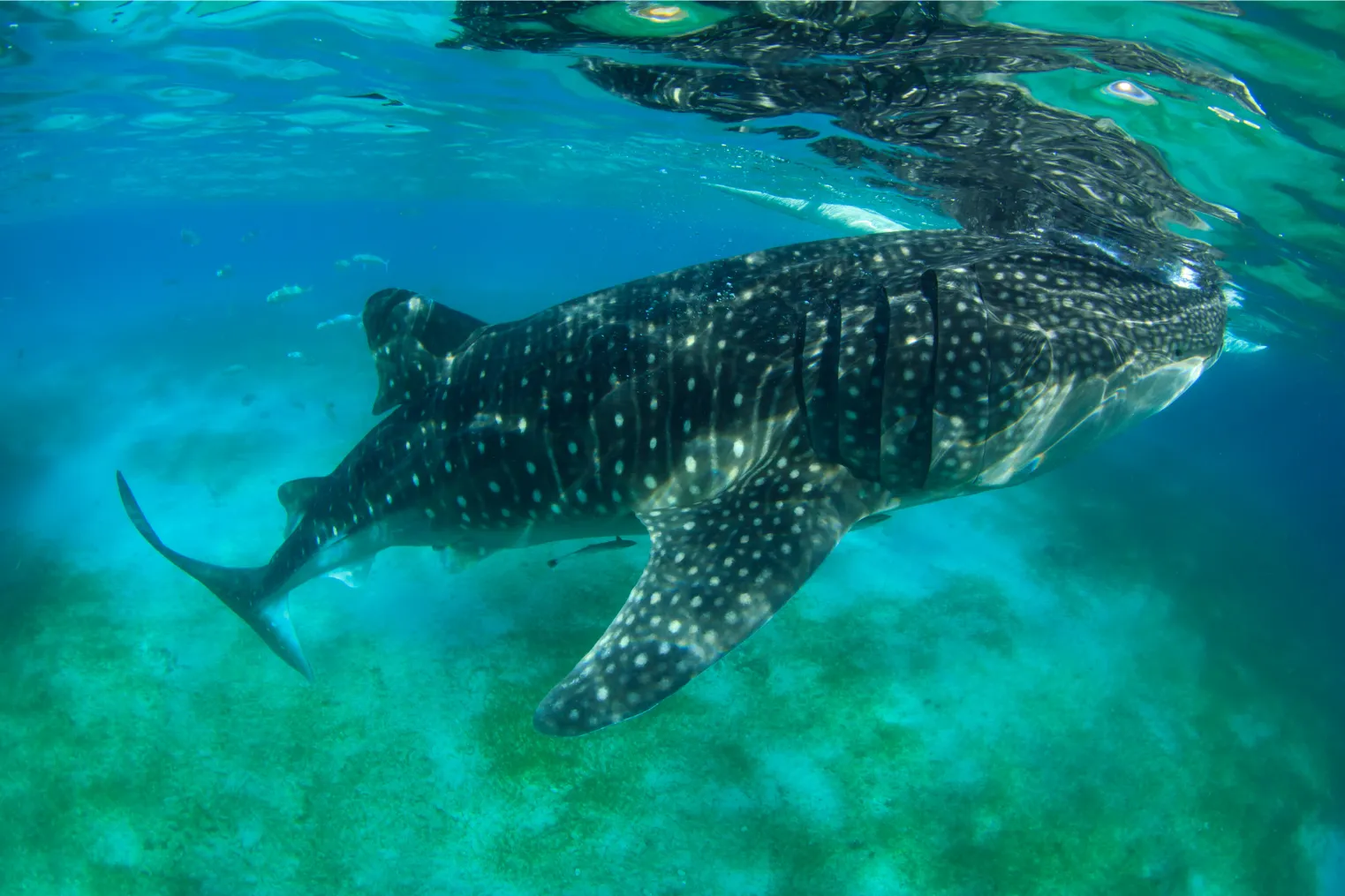
For shark diving days, check North Shore weather early and often so winds and winter swells don’t catch you off guard.
Choose North Shore Tours Owned by Locals
Choices matter on the North Shore, so book tours run by local owners and you’ll keep more of your spend in the community that’s hosting you, not a mainland office.
Start by filtering for locally owned operators, like Island Cruzin Hawaii or other small businesses you’ll spot on Kuhikuhi.com, then check the About page for Native Hawaiians in leadership and on-site cultural advisors.
If you’re pairing your visit with ocean time, the 2026 guide to Oahu’s best shark operators highlights how choosing top shark diving tours that are locally run helps keep benefits closer to the North Shore community.
Look for clear community givebacks, profit-sharing, local hires, or partnerships that fund mālama work, not just vague promises.
Ask about group size and choose small-group tours, ideally under 12 to 15 guests, so you tread lighter and hear your guide over the wind and surf.
Scan reviews for notes on local suppliers, artisans, and food stops, it’s how you support local.
Pack Reef-Safe Gear and Reusable Basics
Start with reef-safe sunscreen, choose non-nano zinc oxide or titanium dioxide, and put it on about 20 minutes before you hit the water so less residue washes off when the first cool wave smacks your ankles. For shark dives in Oahu, stick with mineral formulas labeled non-nano zinc oxide or titanium dioxide and skip oxybenzone and octinoxate.
Then make reusables your default, carry a 1-liter bottle you can refill all day and toss a compact mesh bag or dry sack in your pack for wet gear and any tiny trash that doesn’t belong on the sand. You’ll travel lighter, leave fewer plastics behind, and keep the shoreline friendlier for coral, turtles, and the occasional monk seal that’s clearly trying to mind its own business.
Reef-Safe Sunscreen Essentials
Often, the smartest North Shore packing move is the one that protects your skin and the reef at the same time, so bring “reef-safe” sunscreen that skips oxybenzone and octinoxate, the two common chemicals linked to coral damage and banned in places like Hawaii.
Pick a mineral option with non-nano zinc oxide or titanium dioxide, then apply it 20 minutes before you enter the water. Wear a UPF 50+ rash guard for snorkel days, it’s like a tee and means less lotion.
If your tour passes near Marine Protected Areas, follow your guide’s rules and keep your sunscreen routine dialed in so you’re not adding extra stress to sensitive shoreline habitats. Pour 3 to 4 oz of reef-safe sunscreen into a small pump for touch-ups every 90 minutes, especially after swimming or towel-drying. Avoid aerosol sprays, keep the bottle out of direct sun, and park it by water bottle to honor local culture.
Reusable Water And Bags
A couple of small reusables can make your North Shore days smoother and cleaner, especially when the trade winds kick up and the sand gets everywhere.
Carry an insulated refillable water bottle, top it off at cafes and parks with free or low-cost refills, and you’ll cut single-use plastic that drifts toward reefs and shorelines.
Tuck a lightweight reusable bag in your daypack for fruit runs at farmstands like Kuilima, and bring a second one for beach cleanups, because someone always drops a wrapper.
Add a zippered pouch for wet swimwear, a small mesh trash bag, plus reusable utensils and a collapsible container for food-truck plate lunches.
Packing a container makes it easy to bring leftovers from post-shark-dive food stops without extra waste.
You’ll pack out litter, keep your hands free, and still have room for shave-ice napkins onboard today.
Drive and Park Legally on the North Shore
On the North Shore, you’ll have a smoother day if you follow posted parking signs and time limits, then tuck your car into marked stalls or public lots instead of gambling on a “just for a minute” spot.
When lots fill up and the air smells like salt and sunscreen, don’t park on shoulders or grass or along the beach edge, circle back later or use an authorized lot, and if you’re stopping for photos, pull fully into a legal turnout.
If you’re coming for Haleiwa shark diving without a rental car, plan ahead with getting there options so you’re not tempted to accept an illegal curbside drop-off.
Keep residential streets flowing by staying clear of driveways, gates, and mailboxes, because locals will report blocked access and enforcement can be quick.
Follow Posted Parking Signs
Start by tuning in to the parking signs as you roll along Kamehameha Highway and into Haleʻiwa, because the rules change block by block and towing is common near busy favorites like Haleʻiwa Town and the Rainbow Bridge.
In Haleʻiwa, scan lot boards, time limits and reserve-only stalls change fast. If a sign says “No Parking” or “Residents Only,” keep rolling and pay municipal in a marked lot or use Haleʻiwa Aliʻi Beach Park.
If you’re driving out for a shark dive on the North Shore, aim to arrive early and use marked lots so you’re not scrambling for legal parking right before your tour time.
At trailheads, look for overnight bans and fine amounts, then set a phone timer so you don’t overstay after shave ice.
Park squarely, leave sidewalks, mailboxes, and fire lanes open so every local-resident and emergency crew can pass.
When lots fill, follow attendants, loop back later, and you’ll skip tickets.
Avoid Shoulder And Beach Parking
Even if the ocean looks close enough to touch from Kamehameha Highway, resist the temptation to tuck your car onto the shoulder or into an “easy” beach pullout, because many of those spots are illegal, signed as tow zones, and they clog a narrow road that needs room for buses, bikes, and ambulances.
County tows are frequent and fines can top $200, so treat those gaps like lava.
For reliable parking, aim for designated lots at Waimea, Haleʻiwa Aliʻi, or Pupukea, and follow time limits, meters, or permit fees. If you’re heading out for a boat trip, plan around parking costs and arrive early because the best lots fill fast.
If a lot’s full, keep rolling to the next break, you’ll find another view and local people will notice the respect.
Pack out snack wrappers and cups, leave no trace, and your day stays breezy.
Respect Residential Streets And Driveways
| Where you are | What to do |
|---|---|
| Quiet lane | Idle elsewhere, keep it open |
| Blind curve | Don’t stop, keep rolling |
| Legal pullout | use pullouts and wide shoulders only where legal and safe |
If you’re heading from Waikiki to the North Shore for a shark tour, plan for transportation from Waikiki so you’re not circling residential blocks looking for a spot.
Drive like you’re passing a school, observe local speed limits, yield to walkers and buses, and if beach lots fill up, shuttle or walk from town before you hop out, breathe.
Follow North Shore Beach and Trail Rules
Often, the best North Shore days begin with a quick scan of the posted beach and trail signs, because “No Swimming,” “Closed,” and “Area Restricted” usually mean real hazards like strong currents and sharp shorebreak, or sensitive places where access is limited for habitat or cultural reasons.
When you obey posted rules, you rely on local knowledge. On hikes, stay on designated trails and boardwalks, don’t cut switchbacks, and you’ll help prevent erosion. At the shore, keep 10 to 15 feet from resting sea turtles and seals, and use zoom. Don’t attempt to touch, feed, or chase animals, following respectful wildlife interaction guidelines helps keep them safe and reduces stress. Don’t take rocks, shells, sand, or any cairns, some mark cultural sites. Pack out all trash, even bottle caps, and use official bins or take it home. Skip geotagging hidden beaches and faint paths.
Keep Wildlife Distant: Never Touch or Feed
When a honu hauls out for a nap or a monk seal drifts onto the sand like a sun-warmed log, give it room and let the moment stay wild. You’ll stay at least 10 feet from turtles and 150 feet from monk seals, because these natural resources are protected and fines aren’t a souvenir. Keep kids close and dogs leashed, and never touch, crowd, or flash into a selfie.
Don’t feed anything, “just a chip”, since snacks change behavior, spread disease, and can turn pushy animals. Snacks can also draw sharks closer to shore, and Hawaii’s shark protections exist to reduce harm to both people and wildlife. In the water, float over reefs, use reef-safe sunscreen, and keep hands off corals and fish.
If you spot trouble, don’t play rescuer; report injured or entangled animals to DOCARE or NOAA, note location, keep distance from them.
Skip Geotags for Fragile North Shore Spots
Hold back on the geotag before you hit “post”, because a single pin can turn a quiet North Shore cove into a crowded checklist stop overnight.
Remote beaches near Shark’s Cove and secret breaks off Kamehameha Highway can’t handle a surge of feet, fins, and cars, and the reef pays first.
Never post haul-out spots for Hawaiian green sea turtles or monk seals, since shared coordinates invite crowds and can violate state protections.
This year’s department theme, Coastal Kuleana, is a reminder to learn about coasts, get outside, and get involved in caring for them.
If you share a lesser-known trail or viewpoint, strip location metadata and keep it general, like “north-facing tide pools”, then swap details only in private messages.
When you’re unsure, use local knowledge, ask a guide or host, and accept no, even if you’ll feel awkward back home if local family asks.
Spend Local: Food, Shops, and Artisans
Lean into the North Shore’s small places and your money does more than cover lunch, it helps keep the coast’s character intact. Skip chains and grab a plate lunch or pastry at Ted’s Bakery for spam musubi and haupia cream pie, or swing by Wailua Bakery for something warm and buttery.
When you’re hungry between beaches, follow the line at Pupukea Grill, Haleʻiwa Cafe, or Rajanee Thai, a simple rule is to eat where the locals go. Browse MORI by Art + Flea or Na Mea for gifts, and use Kuhikuhi.com to find Native Hawaiian makers and local artisans. Choose tour crews that are owned and operated here, like Island Cruzin Hawaii, then finish at Kahuku food trucks such as Papi’s Tacos afterward, too. If you’re planning a 2-day visit built around a shark dive, consider pairing it with North Shore highlights that keep your spending rooted in the same local communities.
Frequently Asked Questions
What’s the Best Time of Year to Visit the North Shore?
You’ll get the best weather in the shoulder months (April–May, September–October), with lighter crowds and steady surf. Come November–February for big waves and whale season; avoid holiday rushes. “Peak foliage” isn’t really a thing here.
Do I Need Reservations for Tours, Restaurants, or Beaches?
You’ll want reservations for most tours and popular restaurants; beaches don’t require them. Like catching a wave, use advance bookings in peak seasons, ask about group discounts, and read cancellation policies to avoid wipeouts today.
Are There Public Restrooms and Showers Near Popular Stops?
You’ll find restrooms at Waimea Bay, Haleʻiwa Aliʻi Beach Park, and Sunset Beach, but many roadside stops don’t. Shower facilities are limited. Practice restroom etiquette, consider accessibility concerns, and support water conservation by planning ahead.
Is Cell Service Reliable, and Do I Need to Download Offline Maps?
Like a fickle tide, cell service isn’t reliable; you’ll hit signal deadzones outside Haleʻiwa. Download offline maps for offline navigation, cache tickets and downloaded guidebooks, carry a battery, and use airplane mode to save power.
What Should I Do if I Get Injured or Have an Emergency?
Call 911 for serious injury or ocean danger, giving a North Shore landmark. Signal lifeguards if present. Provide first aid for minor issues. Keep emergency contacts, know evacuation routes, and confirm medical insurance coverage now.
Conclusion
On the North Shore, you’re not just passing through, you’re stepping into someone’s front yard and a living reef. Arrive early, park in the lines, and keep your voices as soft as the trade winds at dusk. Stick to trails, listen to your guide, and give honu and resting seals a wide, camera-zoom kind of bubble. Pack out every crumb, skip the geotag, then buy lunch and crafts locally. Your future self will thank you.


