

On a typical Oahu shark dive, you can spot 20-plus different animals in a single tank of air. You drop into warm blue water and hear your bubbles crackle as green sea turtles cruise past sandy pockets. Humuhumunukunukuāpuaa flash through coral cuts while whitetip reef sharks snooze under ledges like they own the place. Out in the current you might catch mahi or a spinner dolphin streak. And if the season lines up, something bigger might slide into view…
Key Takeaways
- Hawaiian green sea turtles often glide over sandy pockets and rest near reef ledges during Oahu shark dives.
- Reef fish like humuhumunukunukuāpuaa, surgeonfish, wrasses, and butterflyfish dart and cruise around coral crevices and ledges.
- Spinner dolphins may ride bow waves and spin at the surface, especially at light-wind dawns offshore.
- Bluewater fish like mahi-mahi, tuna, ono, and flying fish can appear in currents, especially when surface commotion signals feeding activity.
- Seasonal sightings include winter humpback whales, calm-day manta rays, summer eagle rays, and occasional Hawaiian monk seals requiring respectful distance.
Reef Regulars on Oahu Shark Dives
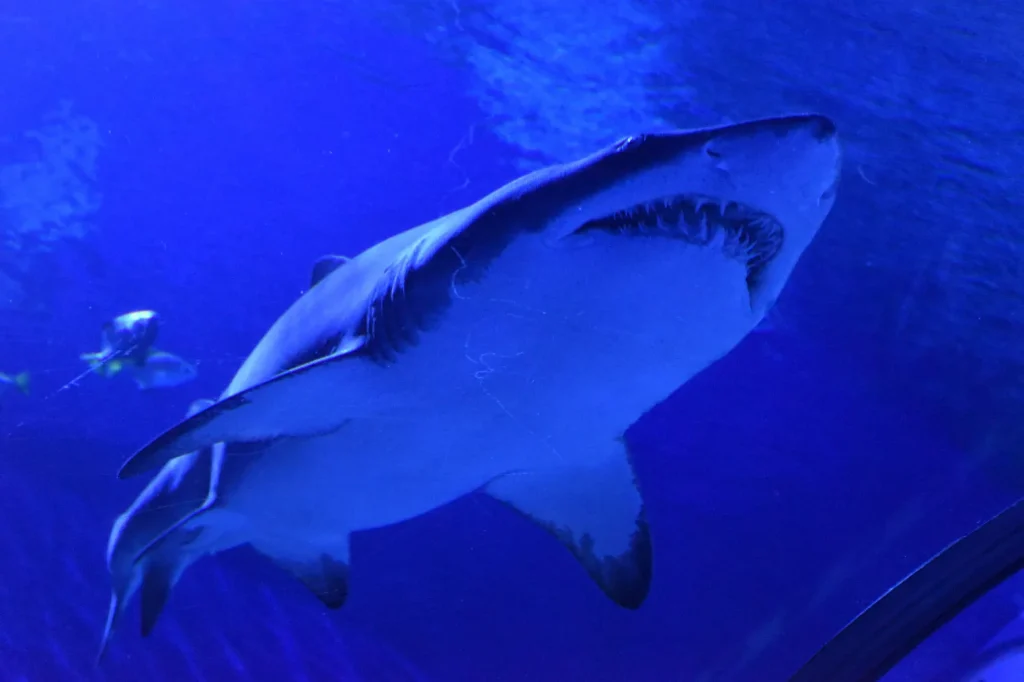
Often, the first “wow” moment on an Oahu shark dive isn’t a shark at all. You drop into clear water on scuba diving and spot hawaiian green sea turtles. Each honu can stretch near 4 feet and glide over sandy pockets by the reef ledges, then park like a calm boulder. Nearby, a humuhumunukunukuāpuaa flashes bold patterns and guards coral crevices, darting in and out of reef holes with attitude. Look under overhangs and you may find a Whitetip Reef Shark napping, small and unbothered by your bubbles. All around, reef fish fill the scene. Surgeonfish cruise in loose lines while wrasses and butterflyfish flicker. Sometimes you even hear distant clicks and see spinner dolphins pass far off. Your guide points, and you nod. You might also spot a Galapagos shark cruising the open water nearby, typically calm and steady as it patrols the edge of the reef.
Bluewater Wildlife on Oahu Shark Dives
Sometimes the biggest surprise on an Oahu shark dive happens right at the surface, before you’ve even checked your fins. On Oahu shark dives, spinner dolphins often zip in to ride the bow wave then pop out for quick spins. You hear their sharp breaths and the slap of tails on chop.
Once you drop for bluewater shark dives, the scene turns electric. Pelagic fish cruise past like moving chrome. Mahi-mahi flash green and gold. Tuna and ono cut tight lines through the current. Flying fish skitter above you like tiny paper planes. The commotion draws sharks and keeps your eyes scanning. During winter, whale season can bring humpback sightings even from a shark dive boat. You may glimpse humpback whales or manta rays far off, just extra punctuation in the marine life on calm mornings near boat.
Rare and Seasonal Encounters (Seals, Whales, Rays)
That bluewater buzz can get even better when a rare visitor slides into view. On Oahu shark dives you might spot a Hawaiian monk seal, but you’ll keep your distance and watch it roll. In December, ocean conditions can shift fast, so these rare sightings tend to come in brief windows between swells and wind. In winter, a humpback whale may appear as a distant blow or breach. On calm, clear days a manta ray can cruise in with pelagic species. Summer brings seasonal sightings of eagle ray and spotted eagle ray near reef edges. At light-wind dawns you may see spinner dolphin or a false killer whale.
| When | What you might see | Your move |
|---|---|---|
| Winter | humpback whale | Look for blows |
| Calm days | manta ray | Stay still |
| Summer | eagle ray, spotted eagle ray | Watch the edges |
| Light-wind dawn | spinner dolphin, false killer whale | Scan offshore |
Frequently Asked Questions
What Should I Bring on a Shark Dive to Spot Other Marine Life?
Bring GoPro, reef-safe sunscreen, rash guard, mask, fins, waterproof slate, because you’re ‘professional.’ You’ll spot reef fish, marine turtles, cleaner stations, octopus sightings, rare nudibranchs, eel behavior, manta flashes, schooling jacks, shrimp gobies, sea cucumbers today.
Is Scuba Certification Required, or Can I Snorkel These Shark Dives?
Trips don’t have a scuba requirement; you’ll choose snorkel options with certification exemptions. Beginner friendly guided snorkels, but check age restrictions. You’ll attend safety briefings, use rental equipment, respect breath hold limits, follow operator policies.
How Long Do Shark Dives off Oahu Typically Last?
Like a tideglass, you’ll spend typical duration, average length just 3–5 hours; you’ll hit short excursions with surface intervals. Boat schedules, timeframe variability, seasonal differences often stretch longer expeditions into half day or full day.
What’s the Best Time of Day for Clearer Water and Better Visibility?
Go early morning for clearest water; you’ll beat midday heat and wind direction. Aim for slack tide, prefer incoming tide over outgoing tide. Watch seasonal plankton, a water thermocline, and sun angle; late afternoon is worse.
Are Underwater Cameras Allowed, and What Settings Work Best for Wildlife?
Like a key to silence, you’re allowed, confirm camera policies and seal your camera housing. Dial lens selection, burst shooting modes, white balance, autofocus tips, shutter speed, low ISO settings, image stabilization, and careful flash use.
Conclusion
You drop in and the reef feels like a busy street. Turtles glide past sand pockets while humuhumunukunukuāpuaa flash through coral cracks. Then you look up and the blue turns quiet and wide. A tuna streaks by, flying fish scatter, and a spinner dolphin clicks in the distance. On lucky days a manta or humpback slides into view. You climb back aboard salty and grinning, checking your fins twice. The boat hums under your feet.


