
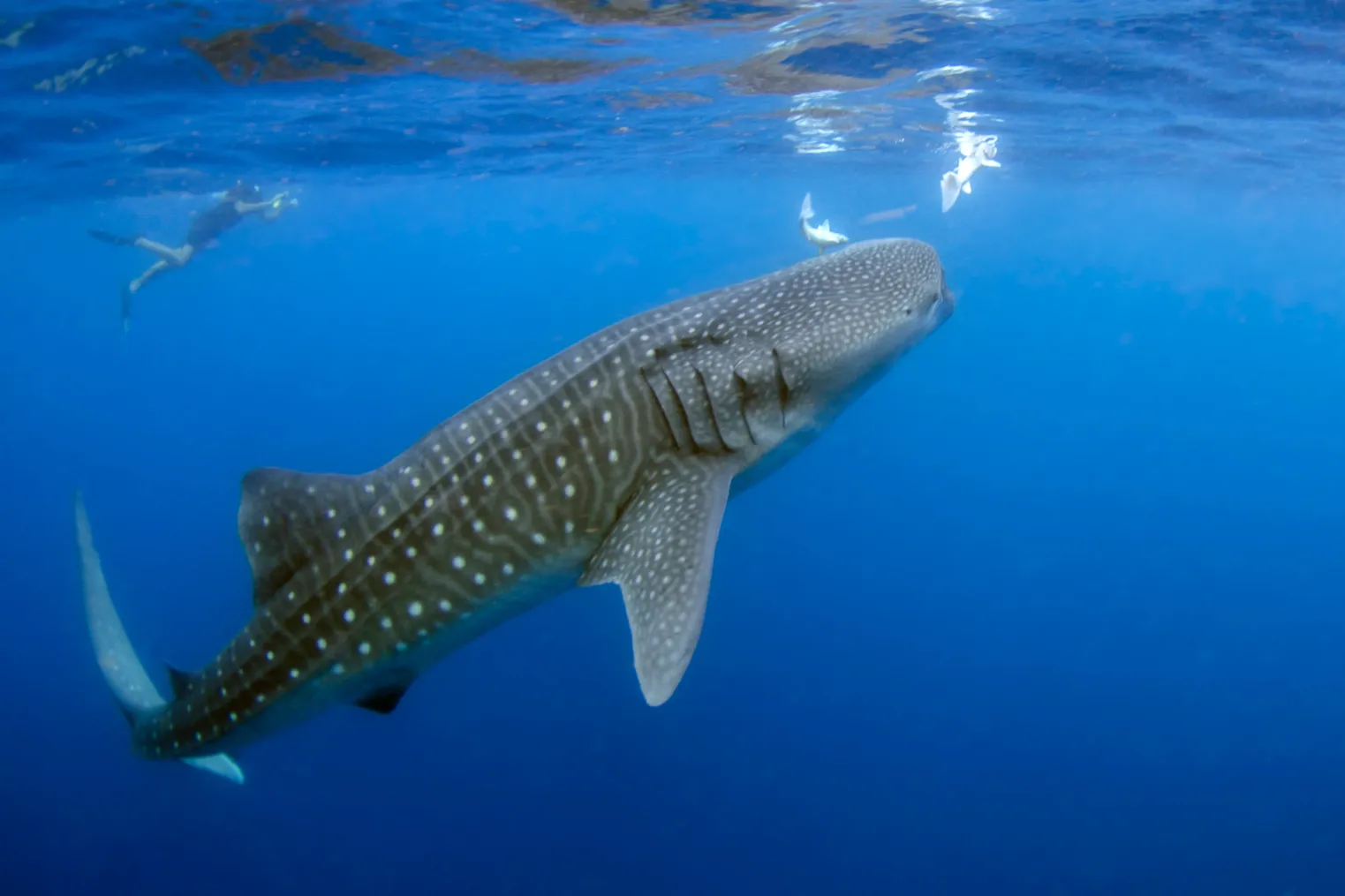
You might wonder if the “hard part” of an Oahu shark dive is really the sharks or just getting to Haleiwa on time. You plug 66-250 Kamehameha Hwy into Google Maps and aim for Haleiwa Small Boat Harbor at 21.5873°N, 158.1087°W. You hear traffic hiss fade into trade winds and harbor clinks. You check in by the kiosk near the Anahulu Bridge 15 to 30 minutes early. But that timing buffer has a twist…
Key Takeaways
- Navigate to Haleiwa Small Boat Harbor, 66-250 Kamehameha Hwy, Haleiwa, HI 96712 (21.5873°N, 158.1087°W) and meet at the kiosk by Anahulu Bridge.
- Arrive 20–30 minutes early; check-in requires photo ID, waivers, medical disclosures, and a safety briefing before boarding.
- From Waikiki, drive 45–60 minutes off-peak and 60–90 minutes in traffic; add 15–30 minutes on weekends for bridge congestion and parking.
- From HNL Airport, expect 45–60 minutes off-peak and 60–90 minutes in peak crowds via H‑1 → H‑2 → Kamehameha Hwy toward Haleiwa.
- Parking is usually free but fills early; plan an extra 15–30 minutes, and call the operator immediately if running late.
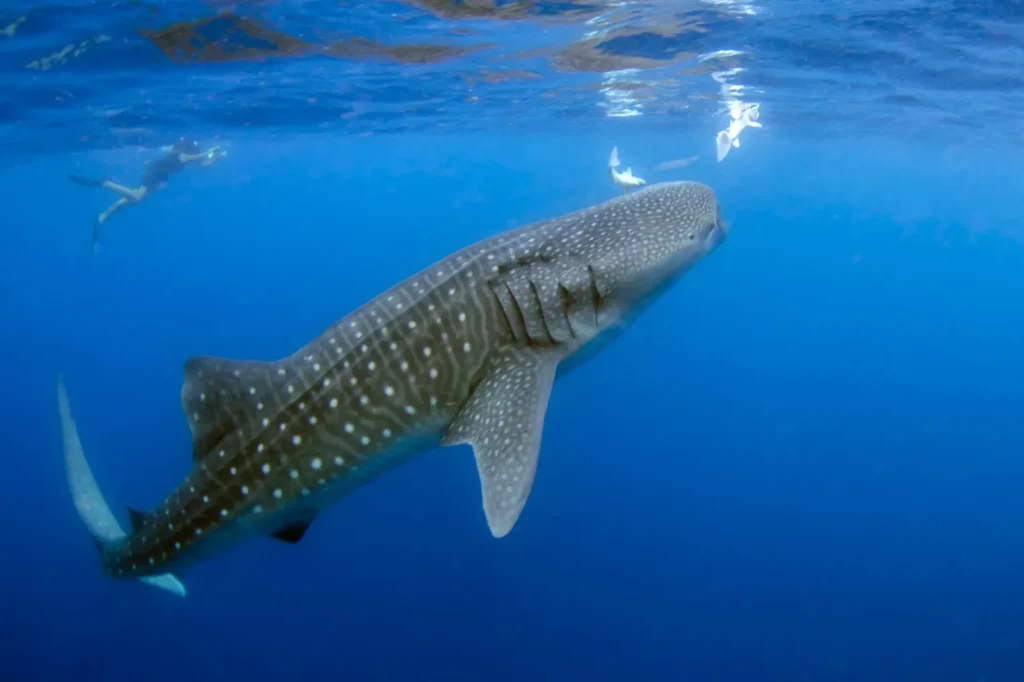
Shark Dive Oahu Map: Haleiwa Harbor Basics
Think of Haleiwa Small Boat Harbor as your launchpad for a North Shore shark dive. You’ll roll in from Waikiki or the airport in about 45 to 60 minutes by car, trading city noise for salty air and clinking rigging. Plan to arrive 15 to 30 minutes early. Check in at your operator’s kiosk near the Anahulu Bridge and show a valid photo ID.
Parking is usually free or close, but weekends can turn it into a slow-motion treasure hunt. If you’re not driving, book a shuttle ahead and leave Waikiki 60 to 90 minutes early. You can also get there without a rental car via TheBus to Haleiwa with extra time for transfers and walking to the harbor.
Once you’re aboard, the ride offshore runs 15 to 25 minutes, and the whole outing typically lands at two to three hours. Bring water. The breeze stays cool.
GPS Pin + Address to Plug Into Google Maps
Plug “Haleiwa Small Boat Harbor, HI” into Google Maps or use the GPS pin 21.5873° N, 158.1087° W, and you’ll roll in with salt air in the vents and boat masts clicking like wind chimes.
If your charter meets closer to Sharks Cove, save “Sharks Cove, Haleiwa, HI 96712” or 21.5870° N, 158.1065° W so you land at the right kiosk and parking lot on the first try.
Most Oahu shark tours launch from harbors and ramps, so confirm your exact departure point with your operator before you start the drive.
Keep both pins in your phone and use Google Maps “Depart by” time, because traffic can turn a simple coast ride into a longer story.
Exact Harbor Address
Even if the North Shore roads feel like they’re pulling you toward surf breaks and shrimp trucks, your shark dive starts at Haleiwa Small Boat Harbor.
Plug this into navigation for the cleanest arrival: Haleiwa Small Boat Harbor, 66-250 Kamehameha Hwy, Haleiwa, HI 96712.
You’ll roll past masts clinking in the breeze and the smell of salt.
Most crews meet at the small kiosk by the Anahulu (Haleiwa) Bridge, so aim for the bridge-side parking inside the harbor.
If you’re coming without a car, plan ahead for tour pickup options or a rideshare drop-off directly at the harbor entrance.
- Use GPS 21.5842° N, 158.1016° W to sanity-check your ETA.
- From Waikiki or the airport, budget 45–60 minutes light traffic, 60–90 peak.
- Tell rideshare drivers both the address and 21.5842, -158.1016.
- Walk to the kiosk and listen for your operator’s boat name.
Google Maps Pin Tips
Your harbor plan’s set, so now let Google Maps do the fine-detail work with the right pins and search terms.
For the North Shore dive site, type “Sharks Cove, Haleiwa, HI 96712” or drop a pin at Sharks Cove (Pupukea Marine Sanctuary) so you land on the right lava-rock turnout.
For shark charters, enter “Haleiwa Small Boat Harbor, Haleiwa, HI” or pin the Anahulu (Haleiwa) Bridge to spot the kiosk and free parking near the river’s rustle.
If you need the exact check-in dot, search “Haleiwa Boat Harbor Kiosk” or your operator name like Hawaii Eco Divers.
From Waikiki or HNL, budget 60 to 90 minutes and leave early.
Factor in North Shore traffic since morning and afternoon slowdowns can stretch your drive time from Waikiki to Haleiwa.
Download offline maps before you roll.
Cell service dips, but your blue dot keeps swimming.
Still comparing Shark Dive Oahu Map Guide: Drives, Meet Points, And Timing Buffers?
Ask for tour ideas, hotel suggestions, or a simple trip plan that combines both.
Trip Helper
Drive From Waikiki to Haleiwa Harbor (Best Route)
When you roll out of Waikiki before the beach crowds wake up, the drive to Haleiwa Small Boat Harbor feels like a quick cross-island switch from city buzz to North Shore air.
You’ll usually make it in 45 to 60 minutes, but plan 60 to 90 when traffic stacks up.
Take H-1 West, then hop onto Farrington Highway (HI-930) northbound and merge onto Kamehameha Highway (HI-99) through Wahiawa.
Follow signs for Haleiwa and the Anahulu Bridge, and you’re there.
If you’re aiming for a shark dive, build in extra time for North Shore parking and morning check-in lines.
- Leave early and enjoy the sunrise on the asphalt.
- Add 15 to 30 minutes on weekends for bridge crawl and parking.
- Arrive 15 to 30 minutes before check-in for kiosks and ID.
- No car? Pre-book a shuttle because buses run slow
Drive From HNL Airport to Haleiwa Harbor (Best Route)
From HNL, you’ll get the quickest run by taking H-1 West to H-2 North, then rolling onto Kamehameha Highway as it climbs past Wahiawa and into Haleiwa’s breezy North Shore streets.
You’ll usually make it in about 45 to 60 minutes, but you should pad it to 60 to 90 when morning traffic or weekend surf crowds slow things down near town.
If you’re not driving, consider pre-booking transportation from Honolulu so you still arrive with a comfortable buffer for check-in.
Top off fuel early, grab a snack and coffee for the road, and plan a quick stop so you can roll into Haleiwa Small Boat Harbor with time to park and check in.
Fastest Freeway Route
Although Oahu looks small on the map, the quickest way to reach Haleiwa Harbor still feels like a clean little road trip that swaps jet noise for green ridges and open sky.
Leaving HNL, you’ll roll onto HI-92 West, then slide onto I‑H‑1 West with the city fading in your mirrors. Stay alert for the H‑2 North split, where the freeway straightens and the air often feels cooler.
Exit at Ka Uka Blvd to connect with Kamehameha Hwy (HI‑99), then follow Route 83 toward Haleiwa’s surf-town storefronts.
For the last turns, plug “Haleiwa Small Boat Harbor” into Google Maps and follow local signs near the Anahulu Bridge. Many operators also offer hotel pickup for shark dives on Oahu if you’d rather skip the drive and timing buffers altogether.
- Fuel early.
- Keep gear ready.
- Follow harbor parking signs.
- Check in kiosk there.
Traffic And Time Buffers
Usually, the drive from HNL up to Haleiwa Harbor feels quick and scenic, but traffic can turn it into a slower glide on H‑1 and H‑2.
On a clear run, you’ll cover about 28 to 30 miles in 45 to 60 minutes via H‑1 W, H‑2 N, then Kamehameha Highway.
During morning rush or holiday weekends, expect 60 to 90 minutes, with sticky spots near Wahiawa and the northbound stretch into Haleiwa town.
Because crowds and conditions can vary by day of the week, build extra cushion time if you’re aiming for a popular morning departure.
For 7:00 to 9:00 check-ins, leave the airport or Waikiki 60 to 90 minutes early.
Then add 15 to 30 minutes for parking, a short walk by the Anahulu Bridge kiosk, gear stowage, and showing your photo ID.
Aim to arrive 20 minutes before check-in for a calm ocean start.
Fuel, Food, And Stops
A little planning on fuel and food makes the drive to Haleiwa Harbor feel like part of the adventure, not a scramble. You’ll roll out of HNL on H-1 West, cut to Farrington Highway, then cruise Kamehameha Highway as the air turns salty and the pines thicken.
- Top up fuel in Waipio or Waialua before you leave central Oahu. Stations get scarce up North and prices hover around $4 to $5 a gallon.
- Grab coffee and a quick breakfast at the airport if time’s tight.
- If you’ve got room, stop in Haleiwa town for Haleiwa Joe’s or a food truck, then it’s 5 to 10 minutes to the harbor.
- Arrive 15 to 20 minutes early for parking and the Anahulu Bridge kiosk meet point.
Plan for parking costs and a little extra time, since the best lots for shark dives near Haleiwa can fill up depending on timing.
Exact Meet Point: Kiosk Area by Haleiwa Bridge
Just beyond the Haleiwa (Anahulu) Bridge, you’ll find the exact meet point at a small tour kiosk tucked inside Haleiwa Small Boat Harbor.
Walk toward the harbor side and look for the kiosk near gear trucks and stacked cages, where crew hustle and radios crackle. Check in 15 to 20 minutes before departure. You’ll show a valid photo ID, sign waivers, and get your gear assignment so you’re not fumbling on the dock.
The harbor has restrooms and showers available, so you can rinse off and reset before or after your trip.
If you’re arriving by rideshare or shuttle, tell your operator in advance that the kiosk is your pickup spot. On weekends or busy mornings, give yourself a bigger buffer. Aim to arrive 30 to 45 minutes early so you can breathe, listen to the rigging clink, and still feel on time.
Haleiwa Harbor Parking: Where to Park Fast
Once you’ve spotted the kiosk by the Haleiwa Bridge, your next mini-mission is parking fast so you can stroll in calm instead of sprinting with fins. At Haleiwa Small Boat Harbor, most parking is free, but weekend mornings turn lots into a quick puzzle. Aim for spaces closest to the kiosk and bridge. You’ll hear masts clink and smell salt while you shoulder your gear. After your dive, nearby tranquil beaches make an easy next stop to unwind without adding much drive time.
Spot the kiosk by Haleiwa Bridge, then park fast, free lots fill quickly on weekends, so aim close and stroll in calm.
- Scan the main lot first, then the overflow spots nearby.
- Park close, lock up, and plan a 2–5 minute walk to the check-in booth.
- Add 15–30 extra minutes on busy mornings so parking doesn’t pinch your schedule.
- Show up 20–30 minutes before departure for check-in and fitting.
No rental car? Pre-book a shuttle so you skip the hunt entirely.
Traffic Buffer: When to Leave Waikiki or Town
If you’re rolling out from Waikiki or town, give yourself a real traffic cushion so the drive north feels like part of the adventure, not a race.
On a normal weekday, the run to Haleiwa usually takes 45 to 60 minutes, but morning backups can surprise you. Plan to leave 60 to 90 minutes before your harbor time, especially if you’re coming from the airport corridor.
Weekend and holiday mornings clog up Kamehameha Highway near Haleiwa, so tack on another 30 minutes and enjoy the cruise past food trucks and surf vans.
Winter swell advisories or a surf contest can add closures and parking, so add 30.
During peak travel months, locking in your spot early (think 2-4 weeks ahead) helps you choose a departure time that fits your drive buffer.
No rental car? Book a shuttle 24 hours ahead and pad 30 to 45 minutes for pickups.
Arrive 20–30 Minutes Early for Check-In + Waivers
Because the Haleiwa Small Boat Harbor runs on island time and tight boat schedules, you’ll want to arrive 20 to 30 minutes before departure and head straight to the check-in kiosk. Salt air and diesel rumbles set the mood while you handle the quick but important stuff. Before you head out, the crew will also walk you through an inside an Oahu shark dive flow, from check-in to the boat ride, so you know exactly what to expect.
- Show your valid photo ID and confirm your reservation time
- Sign waivers, medical disclosures, and media-release terms without rushing
- Meet the captain and crew, and listen for swimmer-competency questions
- Review camera or photo-package preferences, especially if you picked up items yesterday
Operators may say 15 to 20 minutes is enough, but Haleiwa mornings get busy. Give yourself the extra 10 minutes so you’re not marked late or risking your spot. Relax a bit.
Gear Fitting Tips: Mask, Fins, Dry Bag Essentials
Start with your mask: you want a snug suction seal and clear vision, so test it on land and plan to defog it before you hit the water.
Then sort your fins with the booties you’ll wear so your heel stays put and your kicks feel smooth instead of crampy.
Don’t forget reef-safe sunscreen so you’re protected without harming the marine environment.
Finally pack a 25L dry bag with your phone, wallet, meds, and a spare strap or clip, and stash it in the boat’s dry spot so the only thing getting soaked is you.
Mask Fit And Defog
Dial in your mask and fins before the boat even cuts the engine, and the whole shark dive feels smoother and calmer.
- Test your mask seal without the strap. Set it on your face and inhale gently through your nose. If it holds a light vacuum, you’re set.
- Refit the strap so it sits flush, no gaps on your cheeks. Skip oily sunscreen on the skirt or it’ll slip.
- Defog before every entry. Use commercial defog or a tiny drop of baby shampoo, rub inside, then rinse lightly with fresh water. If you get a little water in your mask or snorkel, practice a quick mask and snorkel clear at the surface so you stay calm and keep your breathing steady.
- Pack your personal mask in a 25L dry bag with fin straps, a spare mask strap, and a microfiber cloth. Tie it down or use secure storage, and ditch jewelry.
Fin Sizing And Comfort
When you’ve got salt spray in the air and the deck’s rocking under your feet, a comfy fin fit feels like a small miracle. Set your fins so your toes reach the front but don’t curl, then snug the heel strap so it holds without pinching. Test with the same booties you’ll wear, since thickness can shift fit by about a size and change control. For comfort in Oahu water, consider packing a thin rash guard layer under your wetsuit to reduce chafe and add warmth. Your mask should make a gentle suction seal with loose straps. Bring a 25L dry bag and nest valuables in a small case so they don’t scuff gear. Stow jewelry and check camera mounts sit flush so nothing snags.
| Check | Quick cue |
|---|---|
| Toes | Reach, no curl |
| Heel strap | Secure, no bite |
| Booties | Match thickness |
| Mask seal | Stays on inhale |
Dry Bag Packing Essentials
A solid fin fit gets you moving cleanly in the water, and a smart dry bag setup keeps the rest of your day just as smooth. Bring a 25L waterproof bag that fits under seats. It’s your locker on a busy deck. Choose fins with the right fit and comfort so you avoid blisters and still get solid power in the water.
- Seal your phone in a case, then pack wallet, keys, meds, a light towel, and reef safe sunscreen.
- Test your mask fit without straps. Press it on and inhale through your nose for a gentle seal. Ask crew to recheck in water.
- Try fins with and without neoprene booties. Do a few standing kicks. No heel slip, easy ladder holds.
- Label dive gear, then clip the bag to a secure rack or hand it to crew. Skip jewelry.
Find Your Operator in 2 Minutes (Signs + Cues)
Although Haleiwa Small Boat Harbor feels low-key at first glance, you can spot your shark dive operator fast if you know what to scan.
Start near the tour kiosk by the Anahulu (Haleiwa) Bridge. Most crews set up a small booth or marked trailer within 50 to 100 yards, with gear racks clacking and wetsuits hanging like dark flags.
Look for branded trucks at the harbor entrance. Logos on a pickup or van are your quickest tell, plus stacked fins and masks in neat piles.
Show up 15 to 20 minutes early and check in at the booth with a photo ID. This window lines up with common check-in times so you can handle waivers and a quick safety rundown without rushing. If you’re stumped, ask the harbor office or follow a crew member in a logo rash guard or life vest nearby today.
Timeline: Dock to Shark Site + Time in Water
Spot your operator’s booth and you’re already on the clock in the best way. At Haleiwa Small Boat Harbor, you’ll want 15–30 minutes before departure to check in, sign waivers, and snug up your mask and fins.
The boat hums out a few miles offshore, and as the shoreline shrinks, the crew runs a safety brief and does final gear checks. When the water turns that deep cobalt and drops to about 200–300 feet, you’ve hit the shark zone.
- Check-in buffer: 15–30 minutes.
- Ride out: 15–25 minutes.
- Time in water: 20–60 minutes, often 30–45.
- Ride back plus de-rig: plan the full trip at 2–3 hours.
Most trips also cover the core gear in the shark dive price, so you can focus on timing and comfort rather than what to pack.
If seas get you, take meds early and give yourself 15–30 minutes at the dock.
If You’re Late or Carless: Call, Shuttle, Reschedule
Running behind happens, so don’t panic and don’t go silent. Call the operator booth at Haleiwa Small Boat Harbor the moment you know you’re late. Most crews want you 15 to 20 minutes early and they may be able to hold the boat or slot you into a later pickup window.
Running late? Call Haleiwa Small Boat Harbor right away, arrive 15–20 minutes early or ask about a later pickup.
Once the safety briefing starts many tours won’t take late arrivals so don’t gamble.
No car? Set up a shuttle or pre-booked ride to Haleiwa Harbor and give yourself 60 to 90 minutes from Waikiki especially on weekends when traffic crawls. You’ll check in at the kiosk by the Anahulu and Haleiwa Bridge with photo ID.
If you can’t make it call fast and follow the reschedule rules. Fees can bite on no-shows.
If you’re still deciding on a day, choosing a Reserve Now, Pay Later option can help you lock in a spot while keeping timing flexible.
Frequently Asked Questions
Do I Need to Be a Strong Swimmer to Join the Shark Dive?
You don’t need to be elite, but you should swim calmly and tread water 10–15 minutes. No swimming?. Tell the crew, they can add flotation or divers. You’ll confirm health, and prep for seasickness in advance.
Are Shark Dives Safe for Kids, and What’s the Minimum Age?
Yes, like a well-run boat in calm seas, you can keep kids safe with reputable crews. Age limits typically run 8–10 for snorkel trips, 12+ for cage/freedive. You’ll often need strong swimming, waivers, clearance too.
What Should I Do if I Get Seasick Easily?
If you get seasick easily, take meclizine or use a scopolamine patch 4–12 hours ahead. Sit mid-ship, face forward, you’ll watch horizon. Motion sickness? Remedies: ginger, hydration, light meals, lie down, ask crew for help.
Can I Bring My Own Snorkel or Dive Gear Instead of Renting?
Yes, you can bring Personal gear instead of renting, but confirm at booking. Crew will check fit and safety; if you bring a snorkel/regulator, notify them for sanitation and valve checks. Leave jewelry; verify camera rules/dry-bag.
What Happens if Weather Cancels the Trip, Refund or Rebooking?
Roughly 1 in 5 ocean charters cancel for weather annually. If conditions cancel your trip, you’ll usually get Refund Options: a full refund or a free rebook, with notice by text/call shortly before departure too.
Conclusion
You’ve come to Oahu for wild sharks, yet your biggest predator is the clock. Slide into Haleiwa Small Boat Harbor, park, then walk to the kiosk by the Anahulu Bridge where crews in branded rash guards wait. Salt air, clinking rigging, and warm asphalt set the scene. Give yourself 15 to 30 minutes. Add weekend traffic padding from Waikiki or HNL. If you’re late, call fast, not fate. Dry bag close all day. Grin too.


