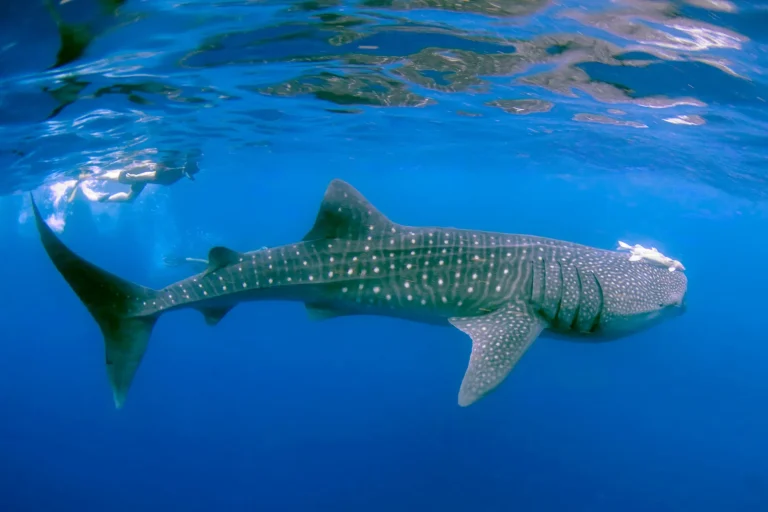
You’re about to meet some locals with impressive smiles. You show up at Haleiwa Harbor 15 to 30 minutes early, find the kiosk, sign the waiver, and get fitted for mask and fins while the crew runs through hand signals, safety rules, and quick medical checks. Then you step onto a small boat, stow what stays dry, and glide out past the harbor mouth as the wind and salt hit your face, but the real routine starts just ahead…
Key Takeaways
- Arrive at Haleiwa Small Boat Harbor 15–30 minutes early, park nearby, and find your operator’s kiosk near the Haleiwa Bridge.
- Check in to sign waivers, complete medical disclosures, and confirm age and swimming requirements before boarding.
- Get fitted for mask and fins, store valuables in a dry bag, and remove jewelry or shiny items before heading to the dock.
- Meet the captain and guides for a safety briefing covering shark behavior, hand signals, entry order, and holding the safety rope.
- Board the small boat and ride 10–25 minutes into open water, where the crew organizes the group and prepares for water entry.
Where Your Oahu Shark Dive Departs (Haleiwa)
You’ll start things off in Haleiwa, the laid-back North Shore of Oahu town where most Oahu shark dives depart from Haleiwa Small Boat Harbor, about a 45 to 60 minute drive from Waikiki and the airport.
Start in Haleiwa on Oahu’s laid-back North Shore, with most shark dives departing Haleiwa Small Boat Harbor, 45–60 minutes from Waikiki.
At Haleiwa Harbor, you’ll find free or nearby parking, salty air, and an cluster of restrooms, cafes, and shops near the Anahulu Bridge, handy if you need water, sunscreen, or a coffee.
If you’re visiting without a rental car, there are options for getting there without a car to reach Haleiwa for your shark dive.
Your operator’s check-in point is usually a small kiosk or booth in this area, so it’s simple to spot even if you’re running on time.
From the slips, boats head a few miles offshore to water, so plan on a short boat ride each way.
Many trips keep groups small, often around six guests per trip.
Oahu Shark Dive Timeline: Check-In to Return
You’ll start at Haleiwa Boat Harbor about 15 to 20 minutes early, check in at the kiosk, sign waivers, meet the captain and guides, and get fitted with mask, snorkel, and fins so you’re not fumbling once the boat’s ready. Aim for the recommended check-in time so you’re not rushed and the crew can keep everything on schedule.
Then you’ll cruise a few miles offshore for about 15 to 25 minutes as the wind picks up, salt spray hits your face, and the guides run a clear safety briefing on what to do and what not to do, kind of like airplane instructions but with better scenery.
At the site you’ll watch the team read the water, sometimes teasing curiosity with a shiny lure while safety divers go in first, and you’ll follow the captain’s cue for a 20 to 60 minute in-water session before a quick towel-off and an easy ride back to the harbor.
Check-In At Harbor
Before the boat ever leaves Haleiwa (Anahulu) Harbor, the day starts at the tour kiosk with a quick, organized check-in about 20 minutes before departure, when you sign waivers, meet the captain and crew, and get a clear rundown of what’s ahead.
At Haleiwa Harbor, you’ll hear halyards clinking while the team keeps things moving. Expect:
- ID and paperwork, so your waivers are done before you touch the dock.
- A safety briefing on shark behavior, in-water rules, and where you’ll board.
- Snorkel gear fitting, with mask checks and fin swaps if needed.
- Camera guidance, so you know if your GoPro’s allowed or photos are provided.
Haleiwa (Anahulu) Harbor is one of the main departure points on Oahu for shark dives, so arriving early helps you find the right ramp or meet spot without rushing.
Stash gear, sip water, skip a full breakfast, and you’ll be ready for boat departure.
Still comparing What Happens On Shark Dive Check Boat Ride?
Ask for tour ideas, hotel suggestions, or a simple trip plan that combines both.
Trip Helper
Boat Ride And Briefing
Once you’ve signed the waivers and tucked your gear into a dry bag, the pace shifts to salt air and engine hum as your small-group boat, often capped around six guests, noses out of Haleiwa (Anahulu) Harbor.
You’ll pass the Haleiwa Boat Harbor jetties, then settle in for a 15 to 25 minute boat ride a few miles offshore, where the water turns inkier and the horizon feels closer than it looks.
For some operators, hotel pickup is an easy add-on that gets you to the harbor without worrying about parking or timing.
While you cruise, your guides keep the small group on track with a briefing on safety, shark behavior, and in-water rules, plus how to fit the snorkel mask so it doesn’t leak.
They’ll point out the deep-water sites ahead, about 200 to 300 feet down, and take questions before the action starts.
In-Water Session Timeline
Although the whole trip runs about two to three hours from check-in to return, the in-water portion follows a clear rhythm that helps you stay calm and focused, even when the ocean looks like deep blue glass.
After leaving Haleiwa boat harbor and cruising three miles offshore, you’ll watch the crew scan the surface, rev the engine, and flash a lure while safety divers slip in for photos. This shark dive makes an easy day trip from Kaneohe, with a straightforward drive to the North Shore before check-in at Haleiwa for your day trip itinerary.
- You pause 20 to 30 minutes as sharks circle nearby.
- You enter for your in-water session, freediving/snorkeling, holding the rope and keeping kicks small.
- You spend 30 to 60 minutes total, or take turns if it’s a shark cage dive.
- You climb back aboard, warm up, and point the bow toward Haleiwa.

When to Arrive + Parking at Haleiwa Harbor
Plan to arrive at Haleiwa Boat Harbor 20 to 30 minutes early so you can check in, sign waivers, spot your operator’s kiosk near the entrance, and still have a calm minute to look out at the working harbor.
Parking is free around the harbor and by the historic Haleiwa Bridge, but spaces can feel like musical chairs, so build in extra time for North Shore traffic and the last few loops of the lot. If the main lot is packed, check nearby free parking by the historic Haleiwa Bridge.
Once you’ve parked, grab a small dry bag, wear your swimsuit under your clothes, and take the short walk to the dock so you’re ready to board without a scramble.
Recommended Arrival Time
About 20 to 30 minutes before your departure, aim to pull into Haleiwa Small Boat Harbor so you can check in without rushing, sign waivers, and meet the crew while the air still smells like salt and sunscreen.
Free parking is usually nearby, but North Shore spots can vanish fast on busy mornings, so pad your drive and keep your dry bag handy. Some lots may have parking costs, so bring a little cash just in case.
- Leave Waikiki 60 to 90 minutes ahead, more if traffic looks stubborn.
- Head to the operator’s kiosk for check-in, gear fitting, and policy notes.
- Stash extras in your car since space is tight.
- Listen for the boat captain’s timing cues, then walk to the dock calmly.
You’ll start the day focused, not frazzled, yet.
Finding Harbor Parking
Pull in to Haleiwa Small Boat Harbor 20 to 30 minutes before your shark dive, and you’ll have enough breathing room to hunt down a spot, sign waivers, and get fitted without that last-minute sprint past the fishing boats. If you’re coming from Honolulu without a car, consider booking transportation from Honolulu in advance so you’re not scrambling on dive morning. Free parking sits by Haleiwa Harbor and near the Haleiwa Bridge, but on North Shore weekends it fills, so treat that time as insurance.
| Situation | What to do |
|---|---|
| Weekend morning | Add 10 minutes for parking |
| No rental car | Arrange shuttle/transport ahead |
From Waikiki, plan 60 to 90 minutes and stick to the H-1 route when traffic’s light. Keep load simple, stash valuables in your vehicle or with a non-diving buddy, and bring essentials in a dry bag for check-in.
Walking To The Dock
Show up at Haleiwa Boat Harbor 20 to 30 minutes before departure, and the whole morning clicks into place, you’ll have time to check in, sign waivers, meet the crew, and stroll to the dock without rushing. Free parking sits near the harbor and the Haleiwa (Anahulu) Bridge, but weekends tighten fast, so build in a buffer, especially if you’re driving up from Waikiki, 45 minutes to 1.5 hours with traffic. If you’re coming from Waikiki, plan your route ahead using Shark Dive Oahu Transportation Guide details so you’re not scrambling last-minute.
- Park, lock up, and keep keys handy.
- Follow signs to the operator’s booth, then check in again if asked.
- Wear your swimsuit under clothes, so changing feels like a magic trick.
- Grab a dry bag, plus a light layer, and walk to the dock with your Haleiwa Boat crew.
Find the Booth and Check In Fast
Start by homing in on the tour operator’s kiosk at Haleiwa Boat Harbor, often set near the Anahulu, Haleiwa Bridge, where you’ll hear the low hum of trucks, smell salt in the air, and spot crews sorting gear.
Aim to check in 15 to 20 minutes early, flash a valid photo ID, and keep your questions ready so the line moves fast.
You’ll sign a liability waiver at the booth, then confirm gear preferences, whether you’re using your own mask or theirs, plus any camera rules and photo package details.
Ask about sea sickness tips, exact boarding time, and where to park if you drove, or where to meet if you arrived by shuttle or rideshare.
If you’re coming without a car, confirm the exact meeting point for tour pickup options so you’re not scrambling at the harbor.
Keep valuables in a dry bag, then board.
Oahu Shark Dive Waiver: What You’re Agreeing To
Before you step onto the boat, you’ll sign a waiver that spells out liability and assumption of risk, meaning you accept the normal open-ocean bumps and the rare, unpredictable wildlife moment.
You’ll also confirm you’re medically fit and a capable swimmer, so be ready to note any heart issues, pregnancy, severe asthma, recent surgery, or seasickness that could turn a salty breeze into a rough ride.
Some operators also include clear booking policies in the paperwork, covering things like cancellations, rescheduling, and late arrivals.
And yes, there’s usually a photo and media release tucked in, so if you’d rather not show up on their Instagram later, ask the crew what your options are before you put pen to paper.
Liability And Assumption Of Risk
Even if the ocean looks glassy at the dock and the coffee’s just kicked in, the waiver you sign at check-in puts the day in plain language: shark diving is an inherently risky activity, and you’re choosing to take on those risks, from seasickness and scrapes to drowning and unpredictable wildlife encounters.
The Liability and Assumption of Risk section reads like a briefing:
- Follow crew instructions, or you may be removed and protections shift.
- Give a medical disclosure, confirming you can swim and sharing key info.
- Sign a release of claims, limiting lawsuits against the operator, crew, and owners.
- Accept an indemnification clause, sometimes photo-use rights or emergency recovery costs, so ask first.
You’re also agreeing to follow key safety briefing basics like hand signals, spacing, and rules, because clear communication and controlled positioning are part of how crews manage risk around sharks.
Read every line, then sign with calm.
Medical Fitness Requirements
Although the waiver feels like just another clipboard moment at check-in, this is where you confirm you’re genuinely fit for open-ocean snorkeling or freediving, and the crew uses your answers to keep the day smooth and safe.
You’ll disclose medical conditions, certify you’re sober, and note issues like heart disease, recent surgery, seizures, asthma, or pregnancy. They want competent swimmers who can tread water, handle current, and climb the ladder. Confirm age minimums and whether minors need a parent’s consent, cageless trips often require kids. You acknowledge open-ocean risks, including wildlife and seasickness, and you sign a release of liability for the captain and crew. You’ll also review crew roles and procedures so you know who to listen to and what to do if conditions change. Listen to safety instructions, stay with the diver or rope, and know they can sideline you if you’re unwell.
Photo And Media Release
Once you’re suited up and the deck’s buzzing with cameras, the waiver’s photo and media release clause quietly decides where your shark day might show up later, from the operator’s website to Instagram reels and even printed brochures.
It often grants perpetual, royalty-free permission to film you, edit footage, and share it on web, social, print, and third-party marketing use, with no compensation.
If you get professional photos from the safety diver, the waiver may let the company provide or sell them while retaining rights.
Because photo packages can be pricey, it helps to know whether photo packages are worth the cost before you agree to how your images may be used or sold.
At check-in, read every line.
- Ask where they post.
- Check minors and moral rights.
- See how to get copies or removal.
- If you’d rather opt out, notify staff early, but expect incidental shots.
Get Fitted: Mask, Fins, Snorkel
Step up to the gear table at Haleiwa Harbor and let the guides dial in your mask, snorkel, and fins so you’re not fiddling with straps when the boat’s rocking.
Right after check-in, you’ll try on a snorkel mask that’s been sanitized, defogged, and snugged to your face, the seal should feel like a suction, not a clamp. They’ll size fins with booties or bare feet, then pick a length that makes kicks feel more like cycling than slogging. If you’ve brought your own set, the crew will inspect valves, straps, and mouthpiece before you hop in. This is also the moment to confirm you’ve packed the essential gear you’ll want on the water, like reef-safe sunscreen and a towel.
During the safety briefing you’ll practice snorkel breathing, clearing a flooded mask, and finning efficiently while holding position by the ladder. They’ll recheck fit in the water.
What to Bring on Your Oahu Shark Dive
You’ll usually enjoy the shark dive more if you pack like you’re heading out for a breezy boat day, not just a dip, because the ride back can feel cooler when your hair’s wet and the wind picks up. Wear your swimsuit under clothes, stash a towel and a light rash guard or sweatshirt, and pack a 25L dry bag so your phone, wallet, and spare layers stay dry and easy to grab. If you bring valuables you don’t need on the water, consider leaving them locked in your car or with the operator’s designated storage for valuables on a shark dive.
- Reef-safe sunscreen, used lightly, and skip face lotion to cut snorkel mask fog.
- Motion-sickness meds if you’re queasy, plus polarized sunglasses, a hat, and waterproof sandals.
- Your own snorkel mask if it fits better than rentals.
- A GoPro with a float handle, if the operator allows cameras.
What Stays Behind (and Why)
Before you climb into the cage and the water turns that clear, electric blue, the crew will ask you to leave a few things behind, and it’s not about being strict, it’s about keeping the boat tidy and the sharks uninterested.
Leave a few things behind before you enter the cage, it keeps the boat calm, clean, and sharks politely uninterested.
After you check in at the Haleiwa Harbor kiosk and sign your waiver, stash anything that can’t get soaked, like your phone, wallet, and electronics, either in the cubby or a dry bag.
You’ll also wipe off sunscreen, since the oils can fog your mask and aren’t great for the ocean.
Pop off jewelry and any shiny bits, reflections read like “what’s that?” to a curious shark.
Skip snacks and loose gear, too, because crumbs, clatter, and flying items don’t belong on water.
If you’re comparing companies ahead of time, the best operator checklist will also mention what to bring (and what to leave behind) so you’re not juggling extra stuff on the dock.
Boarding and Water Entry: Ladder + Safety Rope
Often, the smoothest part of the whole shark dive is the water entry, because the crew turns it into a calm, repeatable routine from the moment you board at Haleiwa Harbor.
At the site, you step down the sturdy swim ladder while the crew handles boat stabilization, so it feels like climbing into a pool that moves. Once you’re floating, you grab the safety rope clipped to the hull, eyes scanning the blue for a shadow. Many private trips are run as private shark dive charters, so the crew can keep the entry sequence controlled and consistent for your group. Follow the rhythm:
- Wait at the ladder until the cue.
- Hold the line, don’t kick out.
- Stay near the crew safety divers, they’re watching angles and shark behavior.
- When cleared to freedive, drop one at a time, then return to the ladder or rope fast.
Boat Ride + Seasickness Tips for an Oahu Shark Dive
Just beyond Haleiwa’s harbor mouth, the ride shifts from protected water to open Pacific, so arriving 15 to 20 minutes early for check-in and the safety briefing pays off when the boat bumps into a steadier rhythm.
From Haleiwa Boat Harbor you’ll cruise a few miles offshore, usually 10 to 25 minutes, until the water drops to 200 to 300 feet and the crew points out the day’s shark tour zone.
Because you’re in small groups, six guests max, the captain and safety divers can adjust gear.
If you get seasick, sit upwind, lock on the horizon, and take meds beforehand, skip heavy meals.
For seasickness prevention, what actually helps most is taking motion-sickness medication in advance and pairing it with simple habits like fresh air and a steady visual reference.
Pack a light extra layer, sip water, try ginger chews or acupressure bands for seasickness on the boat ride back.
Frequently Asked Questions
How Safe Is Shark Diving in Oahu?
Shark diving in Oahu’s generally very safe if you choose reputable tours: you’ll see strong marine regulations, equipment standards, operator credentials, solid incident history, risk mitigation, and clear emergency protocols that crews actively enforce always.
What Do Divers Do if They See a Shark?
You follow diver protocol: stay calm, breathe slow, and keep buddy awareness. Use observer positioning while safety divers assess if it’s non aggressive. You rely on signal communication, then execute the exit strategy when directed.
What Month Are Sharks Most Active in Oahu?
On Oahu, you’ll see sharks most active May–September, especially June–August, when water visibility peaks. You’ll notice temperature influence on predator behavior, seasonal migration, breeding patterns, and bait effects from abundant prey drawing them nearer offshore.
Will Shark Tours in Oahu, Hawaii Take Pictures of You Too?
Yes, about 70% of Oahu operators include tour photography, so you’ll likely get shots. You must check camera policies for guest photographers, compare photo packages, and ask about privacy concerns and image rights before booking.
Conclusion
By the time you step back onto the dock at Haleiwa, salt still on your lips, the flow feels simple: sign in, gear up, ride out, hold the rope, watch, ride home. You’ll spend less than an hour in the water, yet you’re meeting an animal line older than the island chain. Sharks have existed for about 400 million years, so your 60 minutes is a visit, stay calm, breathe slow, and enjoy the perspective.