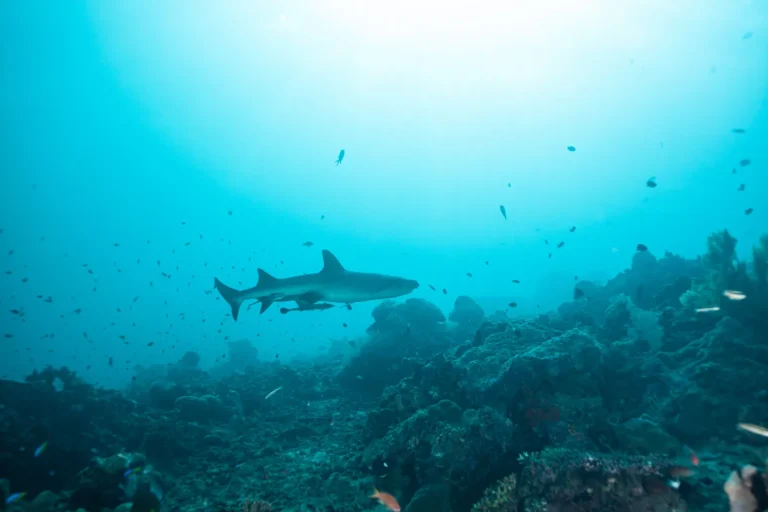
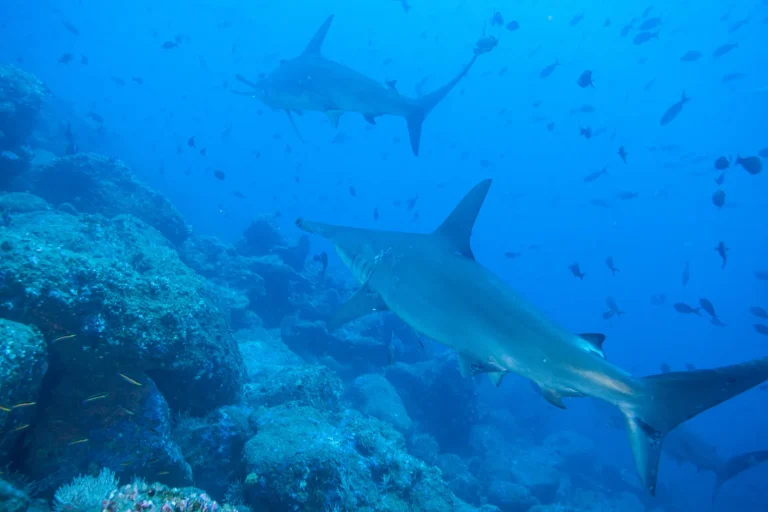
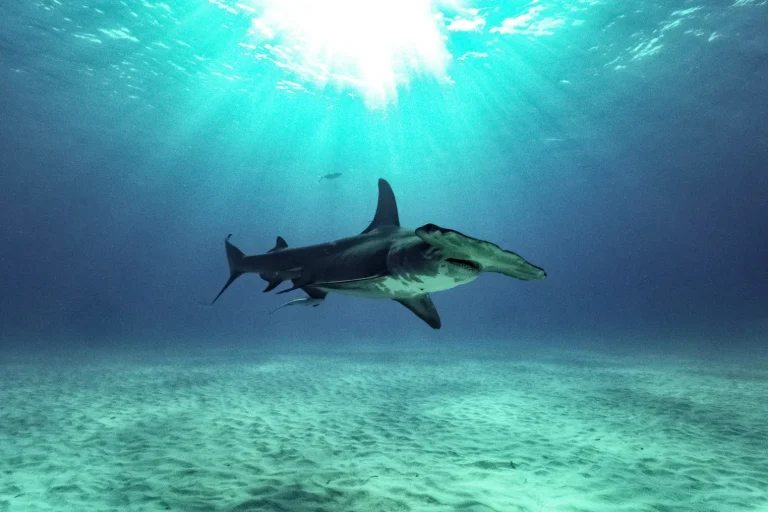
On my last shark dive, a silky slid from 15 feet out to arm’s length like a taxi that can’t decide where to stop, and your lens choice feels the same. If they cruise close, you’ll want a fisheye or wide prime for bold color and that big, in-your-face perspective; if they hang back or swing wide, a fisheye or rectilinear zoom lets you adapt fast without flailing. Then there’s the dome port question, which changes everything…
Key Takeaways
- Pick lenses by real approach distance: fisheye for 1–2 feet, rectilinear wide for shy sharks staying 10–15 feet away.
- A wide-angle zoom handles mixed behavior, letting you frame close passes and drift-outs without changing position.
- Fisheye primes give maximum field of view and close-focus punch, but look overly curved when sharks don’t come close.
- Rectilinear zooms keep horizons and shark proportions straighter, ideal for 3–15 feet and calmer, more natural compositions.
- Underwater success depends more on holding position and letting sharks choose distance than “zooming” by chasing them.
How to Choose a Shark Photography Lens (Distance + Shark Behavior)
Because sharks don’t read your shot list, the smartest way to choose a lens is to match it to how close they actually come and how they behave once they’re there.
Start with subject distance: if they cruise within a foot or two, a fisheye lens lets you press in for close-focus color and bold perspective, with strobes kept low and tight to cut haze.
When visits are mixed, pick a wide-angle lens with a flexible focal length range, your own “wetsuit zoom” for moments when a curious snout taps the dome port, then drifts a few meters out.
If the shark behavior stays shy at 10 to 15 feet, go rectilinear wide for straighter horizons and calmer scale in underwater photography every time.
Instead of chasing the subject, focus on underwater composition by holding your position and letting sharks choose their comfort distance.
Best Shark Photography Lenses: Fisheye Prime vs Fisheye Zoom vs Rectilinear Zoom
A shark lens choice really comes down to how close you can get before it turns away, and how much of the scene you want to keep in the frame when it does.
If shark behavior is bold, a fisheye prime delivers a 180° field of view and close working distance for punchy forced-perspective.
- Inches away, shoot widest
- Mid-range, zoom to soften curves
- Farther pelagics, use rectanglear zoom
- Keep horizons straight in wide-angle lenses
- Plan split shots with large dome
Choose a fisheye zoom for mixed ranges, or a rectanglear zoom when sharks stay 3 to 15 feet and you want natural lines.
For Oahu dives, prioritize underwater photography tips like controlling buoyancy and minimizing sudden fin kicks so you don’t spook sharks as you close the distance.
In clear water you’ll feel calmer, because framing gets easier, and you waste fewer fin kicks chasing a perfect composition today.

Shark Photography Dome Ports: Mini Vs 230MM, Splits, and Corner Sharpness
When you drop in with sharks and that blue water opens up around you, the dome port on your housing quietly decides whether the scene looks crisp and confident or a little mushy at the edges. A 230mm dome gives your wide-angle view room to breathe, so you keep field of view, dodge vignetting, and get better corner sharpness, especially with a fisheye lens. In low-visibility waters, getting close and keeping your strobe-to-subject distance short helps preserve contrast so your images stay sharp.
A mini dome can work for travel, but expect softer corners underwater, and you’ll often stop down to f/8–f/16 or bump ISO. For split shots, size matters because you need the nodal point near the waterline, otherwise the surface curve ruins alignment. If you shoot a rectilinear zoom, test extensions, diopters, or wet lenses, and watch for corner blur too.
Frequently Asked Questions
Is Image Stabilization Useful Underwater for Sharks, or Irrelevant?
It’s irrelevant for sharks: you’ll beat underwater blur with fast shutter and strobe sync, not stabilization benefits. Use firm grip, handheld framing, IS versus lenses. For video stabilization, gyro sensors tame wave motion, rolling shutter.
What Camera Settings Work Best for Fast-Moving Sharks in Low Light?
You’ll hunt sharks like a lighthouse-beam: pick shutter priority, set fast shutter, boost high ISO, open wide aperture, use continuous AF with focus tracking, shoot burst mode, lock manual exposure, raw capture, add exposure compensation.
How Do You Avoid Backscatter When Shooting Wide-Angle With Strobes?
You’ll use strobe positioning with arm length and outward beam angle; keep ambient balance, add light diffusion, and practice backscatter mapping. Tighten snoot usage, nail aperture control, skip focus stacking, and finish with postproc cleaning.
Do Filters or White Balance Techniques Improve Shark Color Underwater?
Yes, shifting 500K often fixes shark grays. You’ll boost color correction with kelvin shift, ambient balance, magenta push, blue reduction, tint adjustment, white pointing, custom presets, hue mapping; avoid filter stacking unless you can spare light.
What Safety and Etiquette Rules Should Photographers Follow Around Sharks?
Maintain distance, show you Respect marine life: No sudden movements, Minimize noise, Avoid baiting, Secure gear, Use dive buddy, Follow local rules, Protect habitat, Leave no trace; you’ll keep eye contact and exit calmly always.
Conclusion
Pick your lens like you pick a seat on the boat, based on how close the sharks actually come, not your wish list. If they glide in tight, a fisheye prime gives bold scale, bright color, and that wow-up-close feeling. If their distance changes, a fisheye or rectilinear zoom lets you react fast without backing into your buddy. Worried zooms look “less epic”? Nail your position, keep the horizon clean, and let calm, steady framing do the work.