
Funny coincidence, the day you spot a Hawaiian monk seal napping on the sand is often the day you realize how close “too close” feels. You’ll want to snap a photo, but you’re better off backing up, give seals and sea turtles at least 10 feet, keep 100 yards from humpback whales, and stay about 50 yards from dolphins when boating, no touching, feeding, or crowding. If an animal looks hurt or tangled, you don’t step in, you call NOAA, and there’s one detail that makes that call count…
Key Takeaways
- Don’t touch, feed, chase, crowd, or otherwise disturb marine mammals or sea turtles; it’s illegal under federal law.
- Keep at least 10 feet (3 m) from Hawaiian sea turtles and monk seals; step back farther if a seal pup is present.
- Stay 100 yards (91 m) from humpback whales; keep whale-viewing brief and never attempt to approach by boat or board.
- When boating near dolphins, porpoises, or turtles, keep 50 yards (46 m) and shift to neutral if animals approach.
- If wildlife is injured, entangled, or stranded, don’t intervene; report details to NOAA at 1-800-853-1964.
Hawaiʻi Wildlife Interaction Guidelines: Non‑Negotiable Rules
While Hawaiʻi’s wildlife can feel as approachable as a beachside neighbor, the rules here are strict and they’re not optional: it’s illegal under federal law to touch, feed, chase, crowd, or otherwise disturb marine mammals and sea turtles, so give monk seals and sea turtles at least 10 feet, and keep a full 100 yards from humpback whales, whether you’re on sand, a board, or a boat.
Treat that minimum distance as the core do’s and don’ts, you’ll respect local marine life without trying. Don’t block sea turtles or monk seals, skip selfies, and keep drones away unless permitted under federal laws. For shark dives and snorkeling, follow ethical shark diving practices that avoid baiting, chumming, or conditioning sharks to associate people with food.
If you spot trouble, move back and report injured animals to NOAA at 800‑853‑1964. Choose reef-safe sunscreen. Pack light, watch, then walk.
How Far to Stay From Turtles, Seals, Whales
Those wildlife rules get easy to follow once you can picture the right space between you and the animal, like giving them their quiet bubble on the sand or in the water.
Picture a quiet bubble around wildlife, on sand or in water, and you’ll naturally keep the respectful space they need.
For Hawaiian green sea turtles, or honu, Stay at least 10 feet (3 meters) back, snorkeling or watching them nap on shore, so they don’t feel crowded. Give resting Hawaiian monk seals the same 10 feet (3 meters), and if a pup’s nearby, don’t approach, step away and stay quiet.
On the water, maintain distance from humpback whales at 100 yards (91 meters), and keep viewing short.
When boating near dolphins, porpoises, or sea turtles, hold 50 yards (46 meters), shift to neutral if they come closer, and let them pass.
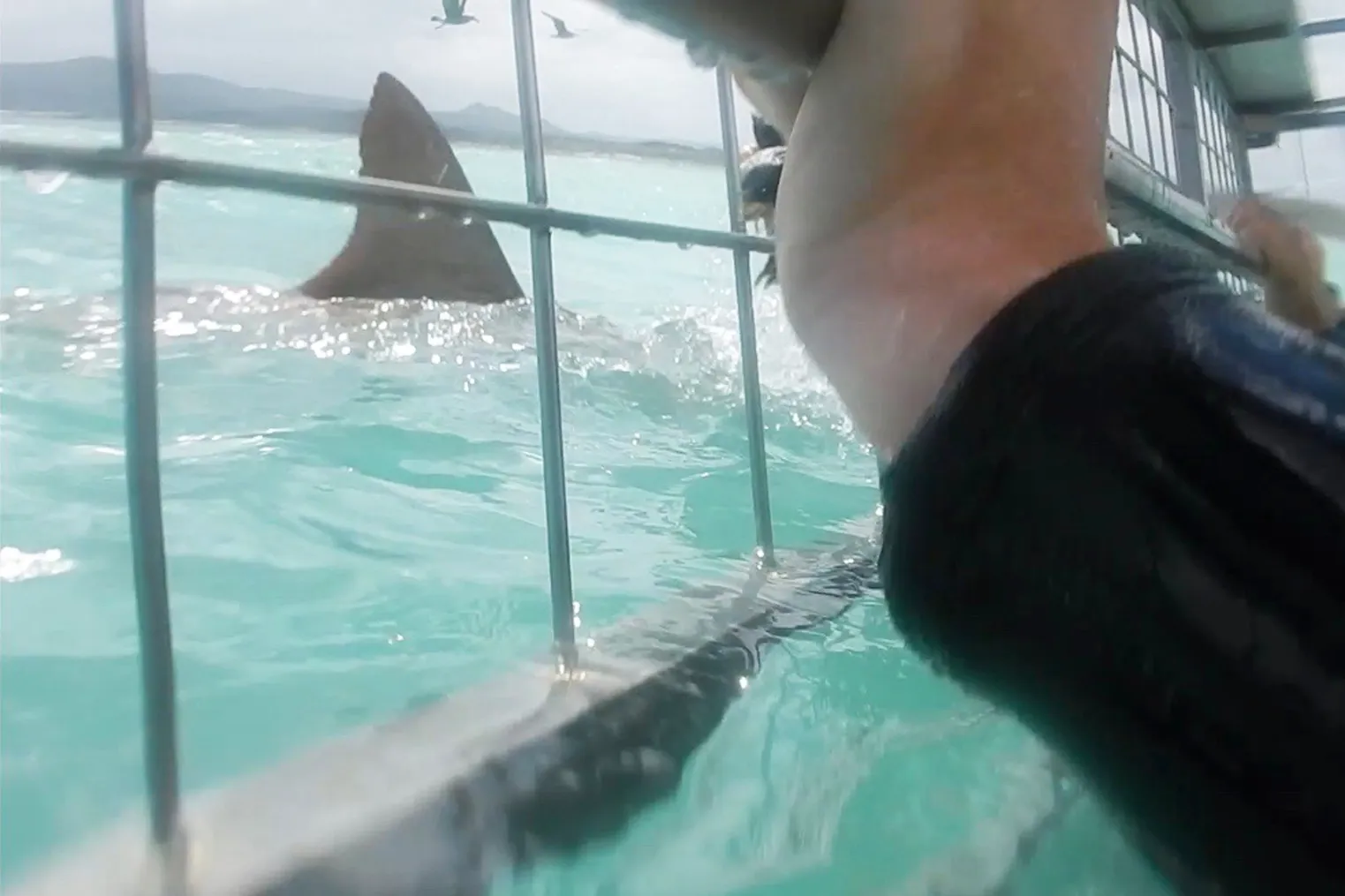
Around sharks, follow the No Touch, No Chase rule to avoid stressing or provoking them.
If Wildlife Is Hurt or Tangled: Who to Call
Come upon a turtle with fishing line wrapped tight, a seal that can’t scoot away, or a dolphin acting oddly in the shallows, and your best move is to pick up the phone, not jump in.
If it’s stranded injured or entangled, keep your beach-towel distance, at least 10 feet for a sea turtle or monk seal, and don’t touch/report location. Call NOAA’s National Enforcement Hotline, 1-800-853-1964, and share the species, condition, landmarks, GPS, and a photo if you can.
If you’re unsure, ring the NOAA Marine Wildlife Hotline at 877-925-7773 or your local island stranding coordinator.
On private property or if it’s a safety risk near swimmers, call 911 first, then update NOAA.
These reports support NOAA’s ongoing marine mammal monitoring, including the right whale calving season tracking of mothers and calves.
Wait, watch, and let trained responders do the untangling.
Frequently Asked Questions
What Should I Do if Someone Else Is Harassing Wildlife Nearby?
Like a lifeline tossed to a struggling turtle, you’ll call authorities, keep distance, intervene safely: educate harasser, alert guide. Document incident, record location, note time, prioritize safety, then report later with photos/videos plus vehicle or vessel details.
Are Drones Allowed for Filming Turtles, Seals, or Whales in Hawaii?
No, you can’t film turtles, seals, or whales with drones in Hawaii without aircraft permits, video permits, drone regulations: buffer distances, flight altitude, operator licensing; avoid wildlife disturbance, respect cultural considerations, recognize research exemptions, conservation enforcement.
Can I Use Flash Photography or Lights Around Resting Animals at Night?
No, you should avoid flash and reduce disturbance: use red lights only if needed, maintain distance, observe quietly, follow nighttime etiquette, minimize noise, use long lens, respect signs, and park responsibly always near resting animals tonight.
Do These Wildlife Interaction Rules Apply During Snorkeling and Scuba Diving Too?
Yes, safe swimmers always follow snorkel etiquette and dive regulations: keep marine distancing, coral protection, and legal protections; mind boat interactions on guided tours; respect equipment restrictions; watch wildlife signals; follow emergency procedures if trouble.
What Fines or Penalties Could I Face for Touching or Feeding Wildlife?
You’ll face fines amounts up to $100,000, criminal penalties like a year in jail, mandatory court, probation terms, community service, restoration fees, civil liability, confiscation risks, and for operators, permit revocations; revocation history worsens sanctions.
Conclusion
Treat Hawaiʻi’s wildlife like it’s guarded by invisible velvet ropes, because it practically is. You stay 10 feet from turtles and monk seals, 50 yards from dolphins at sea, and a full 100 yards from humpback whales, even when their blows look like postcards. You don’t touch, feed, chase, crowd, or selfie-block their path. Pack reef-safe sunscreen, keep drones grounded unless allowed, and if you spot trouble, call NOAA, not your courage, for quick help.


