
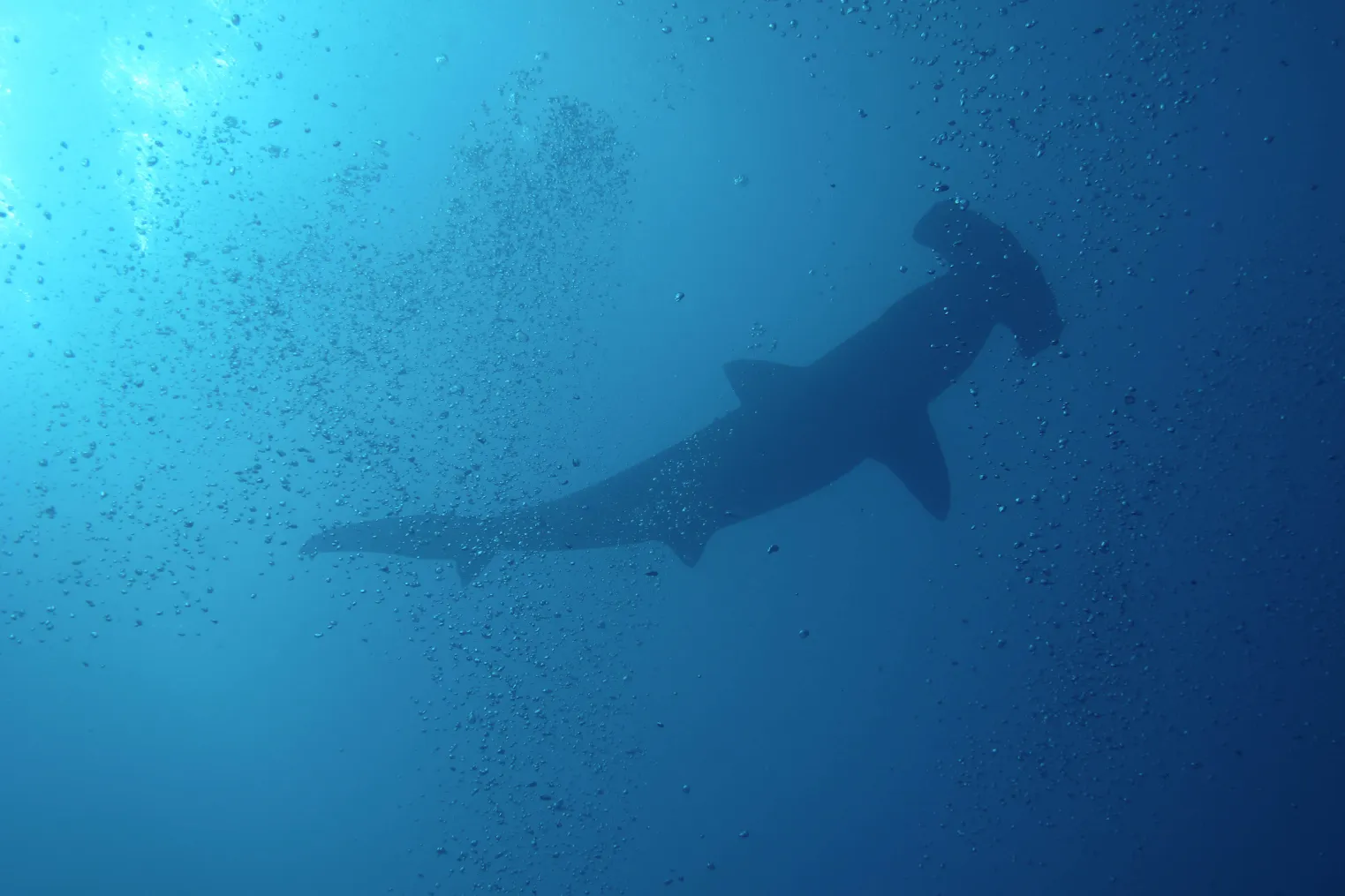
Out in the surf, a shark’s senses work like a four-part compass, scent on the breeze, low thumps in the water, quick flashes of shape, and a final electric tick that confirms a meal. You’re not on the usual menu, you don’t move like a seal, and you lack that fat, easy payoff, so most encounters come from confusion in murky water or at dawn and dusk. Want to lower the odds with a few simple choices?
Key Takeaways
- Sharks hunt using layered cues, smell, sound, sight, and electroreception, switching emphasis with water clarity and distance.
- Most human bites are investigatory “test bites,” with sharks often releasing once the object doesn’t match normal prey.
- Mistaken identity drives many incidents, especially when silhouettes or splashing resemble seals or fish in low visibility.
- Humans aren’t typical prey because we don’t match sharks’ preferred high-fat targets, and our size, shape, and behavior differ.
- Risk rises in surf zones, near baitfish or seals, and at dawn/dusk or in murky water when sharks hunt and misidentify more.
What Counts as a Shark Attack?
Even though people toss around the phrase “shark attack” like it’s one clear thing, researchers use it in a pretty specific way: it usually means any incident where a shark bites a person, then it gets sorted as unprovoked if you were simply swimming, surfing, or wading as usual, or provoked if you started the interaction by feeding, touching, or spearfishing.
At the International Shark Attack File, editors vet reports, tallying roughly 60–85 unprovoked shark bites a year and about 5–10 deaths. They refine attack classification by context and severity, and they flag provoked incidents separately.
The International Shark Attack File is the world’s only scientifically documented database compiling all known shark attacks, with coverage stretching from the early 1500s to the present.
To confirm a case, they use forensic evidence like bite‑mark analysis, DNA swabs, tooth fragments, and medical notes. Reporting biases still skew counts, so file details quickly, locally.
How Do Sharks Find and Hunt Prey?
Because the ocean doesn’t hand out clear signposts, sharks hunt by reading a whole bundle of clues at once, like a careful traveler steering by smell, sound, and streetlights in a new city.
Sharks hunt by weaving many signals, scent, sound, and sight, like navigating a new city without street signs.
You can picture them sampling currents for prey scent, then switching tools as conditions change: in murky bays, bull sharks lean on smell and electroreception to track a heartbeat-sized signal, while in clear water great whites trust vision and a crisp silhouette. Many species also detect tiny electric fields with their electroreception to pinpoint prey at close range.
When something splashes or struggles, many sharks cruise in to inspect, and a great white may stage an ambush from below, rocket up, and bite once.
Tiger and bull sharks often prowl reefs and shallows, nibble and assess.
If you’re near bait-rich surf zones, expect more human encounters nearby.
Why Do Shark Attacks on Humans Happen?
While you might picture a shark as a single minded hunter, most bites on humans happen for simpler, mundane reasons: the shark’s checking something out, or it briefly mistakes you for normal prey.
In near-shore waters, where baitfish swirl over sandbars and seals loaf, your splashing and silhouette can trigger mistaken identity, especially when visibility drops at dawn or in murky surf.
Sharks don’t actually “smell fear” in the human sense, though they can pick up stress-related body chemistry and other cues via electroreception.
Sharks often sample with investigatory bites, then let go once they realize you aren’t on the menu. Scientists using bite-mark patterns and video find many incidents are single nips, and globally you’ll see roughly 60–85 unprovoked bites a year.
Stay practical: avoid cloudy runoff, keep groups tight, skip jewelry shine. Great white sharks, bull sharks, and tiger sharks pass through too sometimes.
Which Sharks Cause Most Shark Attacks?
When you look at which sharks cause most unprovoked bites, you’ll find it’s a small cast, mainly great white, tiger, and bull sharks, not the hundreds of smaller species you might spot on a reef.
You can often guess the risk by how they hunt and where they cruise: great whites hit fast from below and may back off after one devastating bite, while tiger and bull sharks prowl warm, shallow, sometimes murky water where swimmers and surfers share the same busy “lane.”
On an Oahu shark dive, it’s realistic to expect some sharks may approach within a few body lengths, so calm behavior and following crew direction helps keep close passes as part of normal shark dive expectations.
Keep it practical, if you’re in the surf zone at dawn or dusk and the water looks like weak coffee, you’ll want to stay close to shore, avoid splashing like a wounded fish, and remember that curious juveniles can test unfamiliar shapes, including you.
Still comparing How Sharks Hunt And Why Humans Aren’t Typical Prey?
Ask for tour ideas, hotel suggestions, or a simple trip plan that combines both.
Trip Helper
Species Most Often Implicated
Most of the time, shark bites trace back to a surprisingly short guest list, only about a dozen of the 500 plus known species have ever been linked to attacks on people, and three names show up again and again: the great white, the tiger, and the bull shark. For you, that narrows the risk to great whites, tiger sharks, and bull sharks, behind most unprovoked bites. Great whites favor single investigative bites from mistaken identity. Tiger sharks may mouth and then let go. Bull sharks bite in murky water, near shore breaks. Around Oahu, visitors most commonly ask about tiger sharks when learning what species they might spot locally.
| Species | Typical contact | Quick tip |
|---|---|---|
| Great white | Single test bite | Exit smoothly |
| Tiger | Exploratory mouthing | Don’t thrash |
| Bull | Close range bite | Skip low visibility |
Behavior And Habitat Factors
Those three repeat offenders, great white, tiger, and bull, don’t bite because they’re “mean,” they bite because your swim spot lines up with how they hunt and where they like to cruise.
As apex predators, each shark species that attack humans follows a map of conditions, and you can lower odds by reading the water like you’d read a forecast.
In Hawaii, tiger sharks are a common nearshore presence year-round, so knowing tiger shark behavior can help visitors choose safer times and places to enter the water.
- In coastal habitat near sandbars or seal colonies, a great white may rise from below, hit once, then peel off.
- In turbid nearshore estuaries and rivers, bull sharks rely on smell and electroreception, so shallow water raises risk.
- Surf zones attract juveniles and foragers, putting swimmers and surfers in their lane.
- Hotspots like Florida, southern Australia, and Réunion spike when crowds and prey cluster.
Where Do Shark Attacks Happen Most Often?
You’ll see most unprovoked shark bites happen close to shore, right where you wade and paddle in the surf zone near sandbars and sudden drop-offs, especially when baitfish bunch up and the water looks a bit milky at dawn or near sunset.
You’ll also notice global hotspots pop up in familiar coastal hubs like Florida, Hawaii, southern Australia, and Réunion Island, and the odds can tick up when sharks follow recovering prey like seals into busy, tourism-heavy waters.
In Hawaii, many incidents occur in nearshore waters where people are swimming or surfing, so following local conditions and avoiding low-visibility water can be a practical way to reduce risk.
You can travel smarter by treating murky water like fog on a road, give extra space to seabird feeding frenzies, and remember that some remote coastlines may look “quiet” simply because fewer encounters get reported.
Global Shark Bite Hotspots
Often, the world’s shark bite “hotspots” aren’t remote, spooky corners of the ocean, they’re busy, sunlit coastlines where people and predators cross paths at the shoreline’s busiest hour.
If you track unprovoked bites, Florida sits at the top, about 23% of the global total in 2023, so expect headlines where beach access is easy and crowds are thick. You’ll also hear about:
- Eastern Australia, where big coastal cities share water with great whites and other hunters
- southern Australia, following baitfish and growing seal populations
- Réunion Island, where surfers have faced a sharp rise in fatal attacks since 2011
- Cape Cod, where rebounding seals bring seasonal white-shark visits
On Oahu, many visitors headed out from Waikiki for cage dives plan around transportation from Waikiki to reach North Shore shark-boat departures.
High-Risk Coastal Conditions
Shark bites don’t cluster in the middle of the blue-water map, they stack up where the shoreline gets busy and the sea turns messy, in the same near-shore lanes you wade into on a classic beach day. You’ll find the risk highest nearshore along sandbars and steep drop-offs, especially in surf zones where prey congregates and your silhouette pops against bright foam.
Because beaches and oceans are dynamic natural environments, conditions like currents, waves, and wildlife activity can change rapidly even within the same swim session. Read the water like a local: if it’s murky water after rain, or you’re out at dawn or dusk, sharks have a harder time sorting you from a quick meal. Steer clear of tight schools of baitfish, and don’t linger where seal populations haul out or hunt, that’s the buffet line. Swim in a group, splash less, and choose clearer, calmer stretches.
Reporting And Regional Trends
Most years, reported unprovoked bites land in a surprisingly familiar pattern: not in the far-off open ocean, but in crowded, well-loved coastal corridors where people surf, swim, and fish by the thousands.
Global reporting logs about 60 to 100 shark attacks a year, yet regional trends cluster where your human water use overlaps healthy shark populations and busy prey.
Florida stays the classic geographic hotspots leader, while eastern US coasts, southern Australia, Hawaii, and Réunion Island pop in and out as conditions shift.
In Hawaii, ongoing shark population research helps track how fishing pressure and habitat change may influence where sharks and people overlap.
- Check local advisories after baitfish runs.
- Avoid murky inlets at dusk.
- Swim near lifeguards, not alone.
- Remember underreporting skews remote coasts.
If numbers jump, you’re often seeing more beach time or habitat change, not a sudden new taste for tourists today.
What Raises Your Risk of Shark Attacks?
Usually, your risk of a shark bite climbs when your plans line up with a shark’s dinner schedule, meaning you’re in the nearshore surf zone, around sandbars or estuaries, or in murky water at dawn, dusk, or night when visibility drops and hunters move in close.
In nearshore surf zones, you’ll see prey aggregations, like baitfish dimpling the surface or seals and sea lions rafting offshore, and sharks may cruise the edge like you’d circle a food truck line.
Chumming creates a localized attractant, while a scent trail can extend downcurrent and draw sharks toward the source without actually feeding them.
You raise the odds with splashing erratic movement, jewelry, or fishing scraps, so keep strokes smooth and skip dangling bits at dawn dusk night.
Finally, remember that more people in the water means more encounters, especially during seasons and after changes shift bait and sharks.
Frequently Asked Questions
Do Sharks Sleep, and Can They Hunt While Resting?
Yes, you’ll find sharks doze differently: some use unihemispheric sleep while swimming, others enter buoyant dormancy on the bottom. You can see resting hunting, even shark sleepwalking; but unconscious predation’s rare, nocturnal foraging follows energy budgeting.
How Fast Can Different Shark Species Swim During a Chase?
Chase, what speeds do you see? You’ll see whites hit burst speeds 25–30 mph, makos 45, while tigers/bulls hold sustained speed 1–3 mph and reefs 2–6 km/h, tail propulsion, metabolic limits, hydrodynamic drag, ambush tactics, sensory tracking.
Can Sharks Recognize Individual Humans or Remember Encounters?
You shouldn’t expect human recognition: sharks show limited individual recognition, but they’ve got memory retention for places and cues. Encounter imprinting drives learned avoidance or returns, and habituation effects mimic social memory without remembering you.
How Does Climate Change Affect Shark Hunting Patterns and Migration?
Climate change means you’ll see sharks follow ocean warming and prey shifts; altered currents and habitat loss reroute them. Acidification effects and breeding disruptions shrink nurseries, and migration timing shifts earlier, extending seasons and overlap.
What Role Do Sharks Play in Maintaining Healthy Ocean Ecosystems?
You rely on sharks for trophic regulation and population control in predator prey webs, boosting biodiversity maintenance. You benefit from habitat engineering via fear effects, seagrass protection, and nutrient cycling, keeping fisheries and ecosystems resilient.
Conclusion
Out there, you’re just another shape in shifting light, and sharks read the sea like a map, following scent trails, thumps, and tiny sparks of electricity. You can tip the odds by swimming in clear water, staying close to shoremates, skipping dawn and dusk, and keeping fish scraps off your itinerary. Move smoothly, don’t thrash, and if you spot seals nearby, pick a different beach and laugh it off later. You’ll still have ocean time.


