
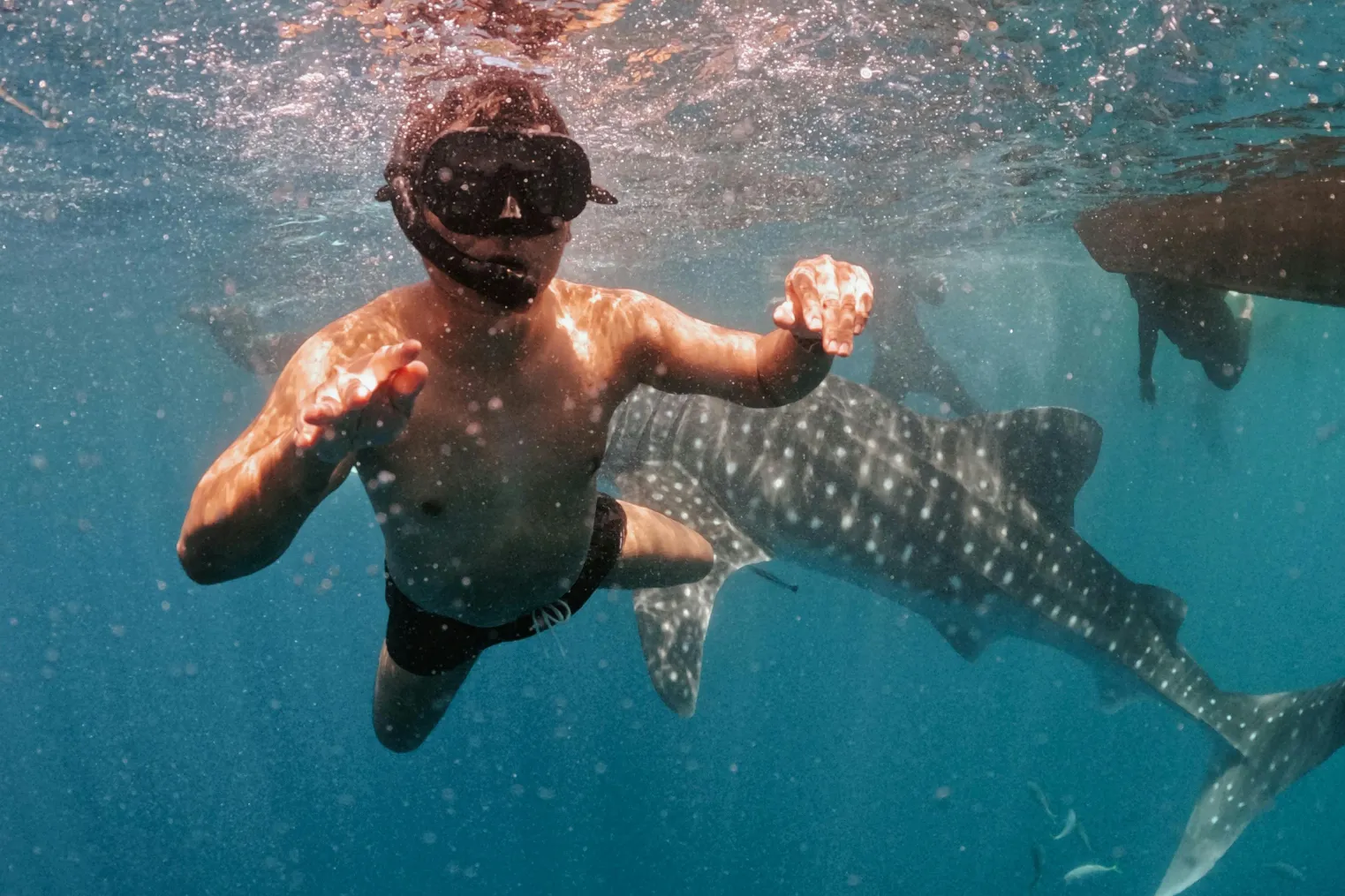
On Oʻahu, you can spot sharks in places that feel surprisingly close, from calm lagoon channels to deep blue drop offs just offshore, and knowing which species favors which zone keeps the experience relaxed. You’ll watch whitetips tucked into ledges, blacktips slicing through shin deep water, and maybe a tiger shark cruising the edge like a slow patrol boat. Keep your distance, stay smooth in the water, and you’ll start to notice the patterns that matter most…
Key Takeaways
- Oʻahu visitors most often see tiger, Galapagos, sandbar, and whitetip reef sharks, with occasional barracuda or whales offshore.
- Tiger sharks peak now through November, with highest sightings August–November; summer clarity and early, light-wind mornings improve visibility.
- Shore snorkeling can spot whitetip reef sharks resting under ledges and in caves, plus sandbars near sandy seams and channel mouths.
- Offshore charters reach drop-offs, deeper reefs, and seamount edges where tiger and Galapagos sharks patrol; arrange transportation to departures in advance.
- Keep 3–4 feet distance, stay calm and vertical, remove shiny jewelry, and choose operators that avoid feeding/chumming near swimmers.
Where To See Sharks On Oʻahu (Shore Vs Offshore)
Start by deciding whether you want the easy, shore-based peek or the higher-odds offshore run, because on Oʻahu the best shark viewing depends on depth, timing, and how far you’re willing to travel from the beach.
For shore‑based sightings, post up near boat ramps, channel mouths, or reef flats, then scan sandy seams, you’ll most often spot Sandbar sharks or Whitetip reef sharks cruising like quiet submarines.
If you swim out, pick ledges with caves where whitetips nap.
For bigger water and better odds, book offshore charters from the North Shore or leeward coast, they’ll reach drop‑offs, deeper reefs, and seamount edges where Tiger sharks patrol.
Plan your ride from Honolulu in advance using transportation tips, since most shark dive departures require getting out to the North Shore or leeward coast early.
You might also see Galapagos sharks, and sometimes whales or barracuda.
Bring polarized shades, keep your camera handy.
Best Time To See Sharks On Oʻahu
On Oʻahu, you’ll usually get your best shark odds when summer settles in and the water turns clearer, with tiger shark season running from now through November and the real sweet spot landing in August through November. Aim for early mornings on light wind days, when the surface looks like brushed glass and you can spot shapes below before the sun gets harsh. In February, expect more wind and swell days that can affect visibility and offshore departures, so it helps to plan for schedule flexibility and confirm conditions close to your trip by following booking tips. Don’t worry if a tiger shark doesn’t cruise by, Galapagos shark and sandbar shark hang around year-round, so you’ve still got solid chances.
| When | What you’re likely to notice |
|---|---|
| Aug–Nov | Highest tiger shark sightings, warmer, clearer blue |
| Year-round | Backup encounters, reef sites, daily variability |
Seasonal migration and shifting currents keep things unpredictable, so pick operators who track wind, swell, and reports.
Shark Safety On Oʻahu: Distance And Etiquette
Even if the water looks like a calm sheet of blue glass, shark safety on Oʻahu comes down to simple distance and good manners: give any shark at least an arm’s length, about 3 to 4 feet, and don’t touch, chase, or try to block its path.
In practice, keep at least an arm’s-length and avoid touching or chasing, because crowding raises stress.
In the water, stay vertical and calm, float like a buoy, and limit splashing or kicks.
Remember move calmly and stay safe by keeping your motions slow and steady around sharks.
On tours, follow your charter guide’s instructions, enter and exit only on their signal, and stay in cages or marked zones.
Don’t feed or bait sharks, and don’t bring speared fish.
Before you slip in, remove shiny jewelry, it flashes like bait in chop.

What Sharks On Oʻahu Typically Do (Behavior 101)
Most sharks you’ll spot around Oʻahu, like Galapagos and sandbar sharks, move like calm commuters, cruising mid-water or making a slow circle rather than acting frantic.
When one swings by for a look, you can often tell it’s inspecting, not hunting, by the steady pace, relaxed body line, and quick pass that keeps going once it’s checked you out.
In Oʻahu waters, Galapagos sharks are often seen cruising confidently along reef edges and drop-offs, sometimes in small loose groups, rather than charging in erratically.
You’ll stack the odds in your favor on early-morning, light-wind outings near reefs, channels, or sandy flats, and you’ll want to avoid splashing or trailing speared fish since their sharp smell and electric senses can turn plain curiosity into a closer investigation.
Calm, Curious Movements
Slip into the water off Oʻahu and you’ll notice something that surprises first timers, sharks usually move like quiet, steady commuters, not frantic predators. A tiger or Galapagos often glides with slow tail beats, staying calm as it samples scents and signals, so you’ll see turns instead of splashing drama. Around reefy areas, white-tip vs black-tip reef sharks can be told apart by their fin markings and typical daytime habits.
| Species | Typical motion | What you notice |
|---|---|---|
| Galapagos | circles steadily | calm, curious passes |
| sandbar | cruises mid water | loose groups, space kept |
| whitetip reef | rests by day | tucked under ledges |
Match their pace, breathe out long, keep your hands close; you’ll look less like a flailing seal, more like part of the reef.
Inspecting Versus Hunting
When a shark on Oʻahu swings wide and comes back on a smooth loop, you’re usually watching an inspection, not the opening move of a hunt. In this inspecting versus hunting moment, Galapagos sharks and sandbar sharks often cruise like careful tourists, keeping a steady pace, turning one eye toward you, then drifting off. They’re site-attached, so you may see the same pattern. One reason for these loops is sensory inspection, circling helps sharks gather scent and vibration cues while keeping you in view.
Tiger sharks can feel different, they glide past with a swagger, sampling scents and silhouettes, especially August to November, yet most passes stay curious, not charged. True hunting tends to look faster and more direct, and for whitetip reef sharks it’s mostly nocturnal hunting, nosing into cracks at night. Stay calm, keep your hands close, and let them decide you’re boring.
Tiger Sharks On Oʻahu: What You’ll See
Look out and you might spot a tiger shark cruising just beyond the reef line, a solid 10 to 14 feet long, moving with the unhurried confidence of an animal that knows this is home.
On Oʻahu, that size/length feels like a small car in the water, and if it’s young you’ll notice bold spots/stripes that fade into faint vertical bars with age, plus a broad head and calm eyes.
Its feeding behavior is opportunistic, it’ll eat fish, turtles, squid, seabirds, other sharks, even carrion, and it can sense a drop of blood and electrical cues.
Your best odds come in the season through November, especially on early mornings with light wind.
Keep your distance, state law protects them, and trackers follow their routes.
Visitors should also follow essential safety guidelines when observing tiger sharks in Hawaii.
Galapagos Sharks On Oʻahu: The Regulars
You’ll spot Galapagos sharks around Oʻahu in most seasons, and you can ID them by a tall, narrow dorsal fin, a long streamlined body, a rounded snout, and that charcoal-to-white fade that looks like a well-worn wetsuit.
You’ll usually find them sticking close to reef edges, drop-offs, and current lines, the same neighborhoods again and again, so if one site’s quiet you can try the next ledge like you’re checking familiar corners of a busy market.
While you’re watching them, keep an eye out for other marine life that sometimes cruises the same reefs and bluewater edges on Oʻahu shark dives.
When you’re in a cage, expect a calm, curious inspection, they often circle and size things up like they’re reading your luggage tag, so keep your hands in, stay still, and let the shark do the sightseeing.
Identifying Galapagos Sharks
A Galapagos shark is the kind of regular that makes Oʻahu dives feel familiar, a solid, streamlined presence that cruises in with quiet confidence.
When you’re identifying Galapagos sharks, size helps, most run 6 to 10 feet, and a few look closer to 12. Check the tall, narrow dorsal fin, the rounded snout, and the dark gray back that fades to a white belly, sometimes with whitish spots.
You’ll often see them site‑attached and calmly circling, curious rather than frantic, especially around divers or cages.
While Galapagos sharks are common, Hawaii’s hammerhead seasonality means certain months can bring different shark sighting patterns around the islands.
Use this quick checklist:
- Look for that upright dorsal fin and long, torpedo body.
- Notice their steady, looping passes, not sharp darting.
- Watch what they hunt, reef fish, squid, or octopus. Protected, so keep it respectful
Reef Attachment And Range
Galapagos sharks aren’t just easy to spot once you know the fin and profile, they also tend to keep to familiar neighborhoods around Oʻahu.
This reef attachment means many individuals are site-attached to the same reefs and seamounts, so you can plan dives with better odds than you’d expect from a wide roaming predator.
On Oʻahu, researchers study this using acoustic tagging to track how often individuals return to the same reefs and how they move between nearby seamounts.
Look for them year-round along reef edges, steep drop-offs, and current lines where the water feels cooler and the baitfish bunch up like confetti in a breeze.
Most you’ll see run 6 to 10 feet, big enough to respect, not so big you’ll mistake them for a bus.
Follow your guide’s briefings, stay near structure, and remember they’re protected under state law, so watching is the whole point for you.
Calm Cage-Dive Behavior
Often, the first clue that the regulars have arrived is the vibe in the water, steady current, cool edges, and a few tall dorsal fins slicing past the cage with unhurried purpose.
On Oʻahu, Galapagos sharks are often 6 to 10 feet, sometimes close to 12, and that tall, narrow dorsal makes them easy to spot.
During cage-diving you’ll see calm cage-dive behavior, they circle the baited area, pause, then hover to inspect the bars like a careful neighbor.
It’s normal for them to cruise close enough to inspect the cage, then peel away and repeat in patient loops, so realistic expectations are more about steady passes than constant face-to-face moments.
Many are site-attached to reef and seamounts, so they’re dependable when tiger sharks aren’t around.
- Stay still, keep hands inside.
- Follow the slow circles, then scan wide.
- Ask your guide about fin shape and posture.
You’ll leave with sharper shark-reading skills today.
Sandbar Sharks On Oʻahu: Mid-Water Cruisers
You’ll regularly spot sandbar sharks cruising Oʻahu’s mid-water like calm, bronze-gray submarines, their tall triangular dorsal fin cutting a clean silhouette against the blue.
Most are 5 to 8 feet long, with a bronze-gray body and a relaxed, unhurried glide that makes them mid-water cruisers near drop-offs and sandy edges. You can log year-round sightings, but late spring through early fall stacks the odds, especially on mornings when baitfish flicker above the bottom. Local guides often watch for Oʻahu hotspots where sandbar sharks predictably patrol sandy edges near deeper water.
Watch them patrol for small fish, squid, octopus, and crabs, then circle back with mild curiosity, they’ll usually keep a polite distance from boats or cages. Stay buoyant, keep your hands close, and enjoy the view, these Near Threatened sharks benefit from monitoring and smart regulations, so don’t chase a photo.
Whitetip Reef Sharks On Oʻahu: Daytime Rest Spots
Look for whitetip reef sharks in the reef’s quiet corners, they like to park themselves in ledges, caves, and shaded overhangs or even sandy channels where they can keep water moving over their gills.
You’ll spot a small, slender body around 4 to 6 feet long, a blunt snout, and crisp white tips on the first dorsal fin and upper tail, often with a few others stacked like sleepy commuters in a nook.
Their senses are tuned for hunting after dark, using electroreception to detect tiny signals from nearby prey even when visibility is low.
Scan slowly with your eyes, not your hands, and check the back of an overhang for the steady rise and fall of breathing, if you’re patient you’ll catch them before they head out at night to hunt.
Favorite Daytime Hideouts
Most days on Oʻahu, whitetip reef sharks, or Manō Lālalākea, spend the bright hours doing the opposite of what you’d expect from a shark, they nap.
In daytime you’ll find them where shade and structure break the current, letting them rest motionless because they can pump water over their gills. Look along rocky reefs and coral heads in shallow waters, roughly 4 to 30 feet, where sand channels and ledges feel like a quiet hotel corridor. When observing them, follow the No Touch, No Chase rule to avoid stressing resting sharks and changing their natural behavior.
- Reef caves and crevices, cool and dim, often hold small groups tucked under the ceiling.
- Overhangs and under ledges on drop-off edges, where the bottom turns darker fast.
- Sheltered hollows near coral heads, where a blunt snout and white-tipped dorsal peek from cover all year.
How To Spot Resting
Start by slowing down and scanning the reef like you’re checking shaded doorways on a bright street, because resting whitetip reef sharks on Oʻahu often tuck themselves into the calmest, dimmest pockets of structure.
Aim your search at shallow reef habitats, especially reef caves, ledges, and sandy channels along reef slopes, where small groups may lie still from 10 to 60 feet. Hover a few fin kicks back, let your eyes adjust, and look for a blunt snout, catlike eyes, and the telltale white tips on the first dorsal and upper tail.
If you see a shark wedged under coral, it’s likely pumping water over its gills, so keep your distance and stay quiet. Remember that a resting shark can still react defensively if it feels crowded in its personal space.
Come back at dusk and dawn, repeat visits pay off.
Blacktip Reef Sharks On Oʻahu Lagoons
Curiosity comes easily in Oʻahu’s shallow lagoons, where blacktip reef sharks, known locally as manō paʻele, glide through clear water like quick shadows over the sand. You’ll often spot a blacktip reef shark cruising reef flats and lagoon channels, usually under 6 feet, its black-tipped dorsal fin slicing the glare like a fin-shaped bookmark.
In Oʻahu lagoons, they hunt small reef fishes and the odd crab or shrimp, then swing back toward shore, wary but nosy during snorkel encounters. If you’re planning a full wildlife day, many visitors pair lagoon sightings with shark dive and turtle snorkel combos to compare how these animals behave across different habitats around Oʻahu.
- Go on calm clear days, when ripples don’t blur the shallow coral-reef.
- Scan sandy edges beside coral heads, where mullet and sardines bunch up.
- Give space, keep your hands in, and you’ll watch a smooth daytime hunter pass, then fade into blue-green light near you.
Gray Reef Sharks On Oʻahu Drop-Offs
Step past the calm lagoon flats and head for Oʻahu’s reef drop-offs, where gray reef sharks patrol the edge like commuters on a fast lane, using current and contour to their advantage.
Leave the lagoon flats behind, at Oʻahu’s reef drop-offs, gray reef sharks patrol the edge, riding current and contour like a fast lane.
You’ll notice their slim 6 to 8 foot build, the pale streak on the dorsal fin, and a tail tipped in black as they cruise from the surface toward deeper blue, though they show up most where currents stack bait around 300 feet.
For the best sightings, pick rugged points or seamount-like ledges, pause, and let the water bring them to you. Watch their feeding behavior, quick turns after small fish, squid, or crustaceans, and sometimes a loose pack forming.
They key in on typical prey cues, which is one reason humans aren’t a usual target compared with the fish and other marine animals they’re adapted to hunt.
Because bycatch is a risk, conservation monitoring keeps tabs on local numbers.
Sharks On Oʻahu: Conservation Laws And Research
While you’re scanning Oʻahu’s blue water for a fin or a shadow sliding along the reef edge, it helps to know the rules and the science working quietly in the background. Since 2022, tiger sharks and other species here are protected by law, so don’t chase, touch, or corner them for a photo.
- Ask your operator how they use tagging and satellite tracking updates, it can hint at where sharks travel seasonally.
- Time your dives with care: researchers map tiger shark pupping seasons and core areas, so respectful distance matters.
- Watch the reefs, too, because Galapagos sharks and sandbar sharks show site loyalty, and surveys track numbers as oceans warm.
Choose tours that follow responsible operator standards like no chumming near swimmers and briefings that prioritize shark welfare.
You’ll enjoy encounters, and you’ll help reduce bycatch pressure with choices.
Frequently Asked Questions
Do I Need a Guide or Permit to Snorkel Near Sharks on OʻAhu?
You don’t need a permit because permit exemptions apply, but you should follow local regulations. You don’t need a guide, yet guided tours or private charters add training requirements, liability insurance, and safer sightings often.
What Should I Do if a Shark Circles or Approaches Me Repeatedly?
Stay calm, float, and maintain eye contact as you use slow backward movement toward shallower water or your boat. Group up, signal, and keep tight formation. Exit smoothly, avoid splashing, and use deterrent device if needed.
Can I Bring a Gopro or Drone to Film Sharks Legally and Safely?
Yes, you can, and it’s a million times easier if you plan ahead. Check camera restrictions, airspace rules, permit requirements, privacy concerns, insurance options, and safety guidelines with your charter; secure gear, avoid harassment, follow crew.
Are Shark Sightings More Common After Storms or During Murky Water?
You’ll see more sharks post storm because baitfish movements, runoff nutrients, and coastal erosion concentrate food nearshore often though reduced visibility hides them. Watch tidal changes; wait for clear, light-wind mornings for safer sightings too.
How Can I Tell a Shark From a Dolphin or Turtle at a Distance?
Judge dorsal shape and swim pattern: sharks glide level with tail symmetry and blowhole absence; dolphins arc, splash, show breathing cues; turtles sit low, paddle slowly. You’ll watch surface behavior, leaps signal dolphins, passes suggest sharks.
Conclusion
On Oʻahu, you don’t have to chase sharks, you just learn their neighborhoods. Watch reef edges and channels for sandbars and Galapagos, scan ledges for sleeping whitetips, and keep an eye on deeper drop offs when tiger season rolls in. Stay calm, give space, follow the briefing like a tide chart, and skip baiting. Choose operators who back research, then let the ocean write the rest. Bring a mask, float and treat sightings like luck.


