
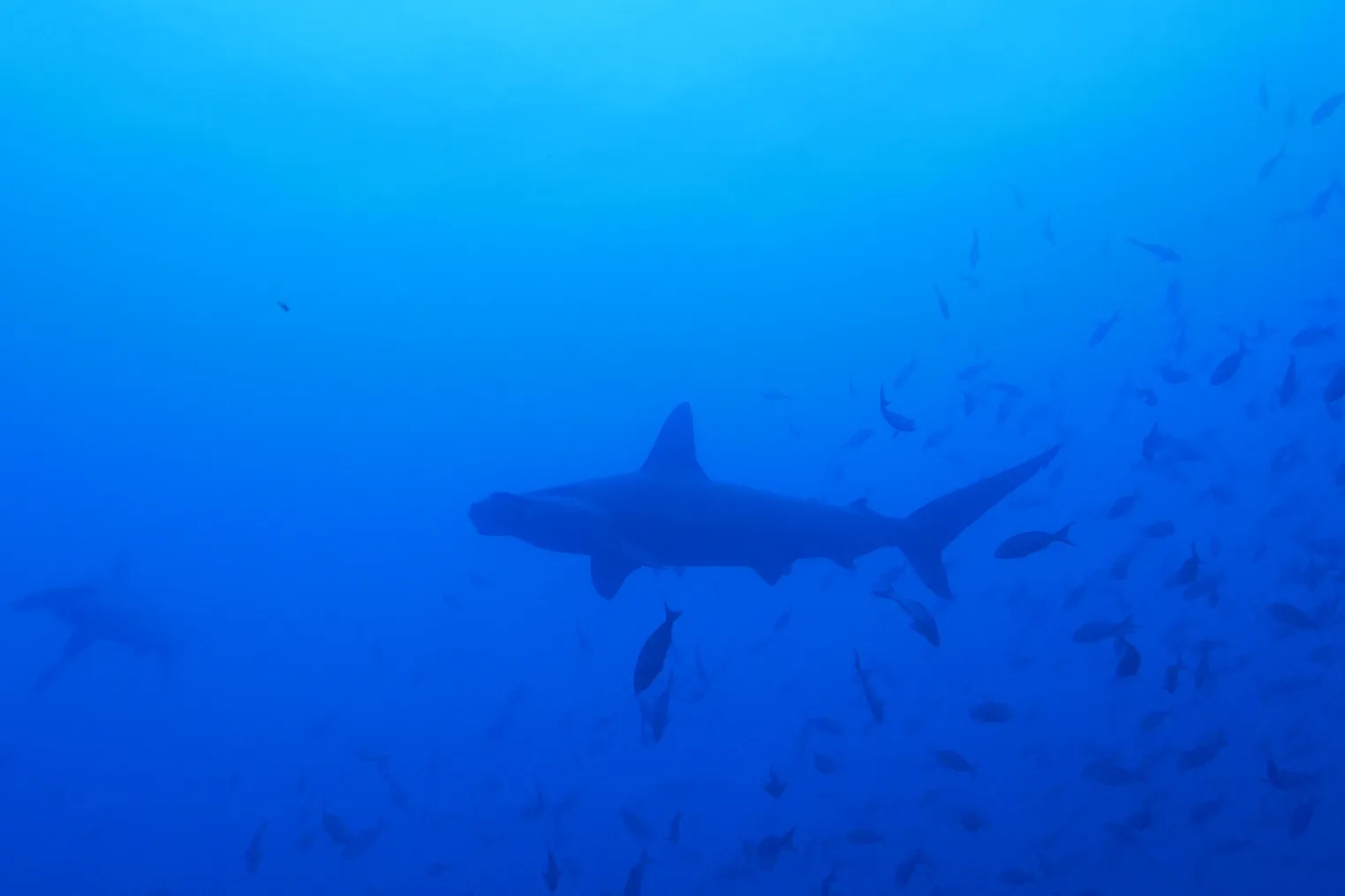
If you’re snorkeling off Oʻahu or watching the horizon from a boat on Maui, it’s fair to wonder if Hawaii’s sharks are in trouble. You’ll find a mix here, a few species are threatened or worse, while others still cruise the reefs, yet face quiet pressure from bycatch, illegal trade, and slow growth that makes rebounds hard. Knowing which sharks you’re seeing, and how scientists track them, changes how you travel, and what you report next.
Key Takeaways
- Several Hawai‘i shark and ray species are IUCN near threatened, vulnerable, or endangered, though many local species remain data-limited.
- Oceanic whitetip sharks are the highest concern: Critically Endangered globally, ESA-listed in Hawai‘i, and frequently caught as offshore bycatch.
- Main declines come from longline, purse seine, and gillnet bycatch, plus illegal fin trade and slow shark reproduction that limits recovery.
- Hawai‘i bans finning and fin trade and restricts harming sharks and rays in state waters, but enforcement and international markets still undermine protections.
- Researchers track trends using long-term fishery records, acoustic tags, PSATs, photo-ID, biopsies, and citizen reports to map movements and estimate populations.
Are Sharks Endangered in Hawaii Right Now?
While you can still spot sharks and rays in Hawaiʻi’s clear, blue water, several of the species that pass through or live here are at real risk right now, with many listed by the IUCN as near threatened, vulnerable, or endangered, and a few, like the oceanic whitetip shark and the giant oceanic manta ray, federally protected as threatened under the U.S. Endangered Species Act.
Even in Hawai‘i, ocean shark numbers can drop from bycatch and targeted fishing, trends echoed worldwide. Strong local rules ban fin trade and restrict take, but illegal harvest and international markets persist. Hawaii’s shark protections help keep ecosystems balanced and highlight why shark conservation matters for healthy reefs and fisheries.
Travel smart: pick operators that follow wildlife rules, keep distance in the water, and slow your boat near feeders. Citizen photos and tags help fill research gaps.
Which Hawaii Sharks Are Most at Risk?
Hawaiʻi’s shark scene can feel lively from the surface, but a few species carry most of the risk, so it helps to know which names matter when you’re choosing a tour, scanning a reef, or reading a local safety notice.
Among nearly 40 shark species here, the oceanic whitetip tops the worry list, it’s Critically Endangered worldwide and still shows up as bycatch far offshore.
With nearly 40 species around Hawaiʻi, oceanic whitetips stand out, Critically Endangered and still caught as far‑off bycatch.
The giant oceanic manta ray isn’t a shark, but you’ll hear it in the same conversations, it’s ESA listed and slow to rebound.
Closer to shore, tiger sharks shape bite headlines, yet fishing pressure and changing habitats can still raise their risk of extinction.
For visitors, understanding tiger sharks in Hawaii can help you choose safer, lower-impact wildlife encounters while supporting responsible operators.
Look for operators that avoid chumming, respect no-take rules, and report entanglements or illegal finning.
What We Know About Hawaii Shark Population Trends
Because sharks spend most of their lives beyond the easy view of a snorkel mask, the trend picture in Hawaiʻi comes from long-term records, fishing reports, and a growing toolkit of tags and photo-ID, and the takeaway is both clear and nuanced. On Oʻahu, researchers build that toolkit with acoustic tags and tracking receivers that reveal when sharks move along the coast and how long they linger near shore.
Across many Hawaiian species, assessments point to declines, and some wide-ranging ocean travelers you might never see from shore are listed as threatened or worse.
Tiger sharks, the name you hear in bite reports, don’t give such a simple signal; studies suggest seasonal nearshore visits, including fall pupping time, so a busy beach month doesn’t automatically mean a bigger Population.
For your own reality check, follow DAR updates you can trust, and see how photo-ID and tag maps turn fins into stories.
Still comparing Are Sharks Endangered In Hawaii? Populations, Threats, And Research?
Ask for tour ideas, hotel suggestions, or a simple trip plan that combines both.
Trip Helper
What’s Driving Shark Declines in Hawaii Waters?
You see the pressure start offshore, where longlines, purse seines, and gillnets can snag sharks as unwanted bycatch, and even a quick release often turns into a slow loss.
NOAA’s Pacific Islands Fisheries Science Center supports ecosystem-based management by monitoring U.S. fisheries in the Pacific Islands and oceanic waters of the central and western Pacific.
You also can’t ignore the pull of overseas markets, because fin and gill raker demand keeps targeted take and illegal trade alive even when local rules say otherwise, so it helps to ask where seafood comes from when you’re scanning a menu.
Finally, sharks don’t bounce back fast, they grow up late and have few pups, so one busy fishing season can echo for years like a favorite reef spot that stays quiet long after the crowds leave.
Commercial Bycatch Pressure
Out beyond the reef, where the water turns from bright aqua to deep blue, sharks often get swept up in the same commercial nets and lines meant for tuna and other big fish. In commercial fisheries, longlines, purse seines, and gillnets don’t just hook dinner, they create bycatch, and millions of sharks die annually, roughly 63 to 273 million. Around Hawai‘i, that pressure hits slow growing species hard, so even a released shark may not survive. Clear rules separating feeding from chumming and scent trails can also matter, because attracting sharks in different ways changes how long they linger near fishing activity and potential gear. Threatened oceanic whitetips and giant mantas have dropped sharply, and you can’t spot what isn’t there. Researchers track individuals with photo ID and push for reporting, but sharks roam far, and logs can be thin. If you fish, use circle hooks, cut lines close, and report every encounter.
International Fin And Gill-Raker Demand
To travel smarter, you can:
- Skip any menu that hints at shark fin soup.
- Ask tour operators how they report bycatch and support enforcement.
- Choose seafood with clear traceability, so your plate doesn’t fund fin or gill-raker markets.
The IUCN SSC Shark Specialist Group, established in 1991, is recognized as the leading authority on the status of sharks, rays, and chimaeras and helps turn assessments into conservation plans and interventions.
Better monitoring and international teamwork make those tips count from Waikiki to Midway.
Slow Reproduction Rates
Watching a shark glide past a reef ledge in Hawaiʻi feels effortless, but rebuilding that kind of ocean presence takes decades because many local species grow up slowly and don’t have many young.
When you learn the timelines, you see why losses add up fast: some Species in Hawaiʻi don’t breed until 8 to 20 years old, and females may skip seasons between litters.
A tiger shark carries pups for around 16 months, then you might see 15 to 30 pups every year or two, tiny next to reef fish.
On Oʻahu, visitors may spot species like tiger sharks and reef sharks, as covered in the Species Guide for visitors.
Oceanic whitetips give birth every other year to up to 14 pups, and manta rays manage just one.
Practical takeaway: choose seafood from well-managed fisheries, back bycatch-cutting gear, and log sightings for local researchers.
How Longline Bycatch Affects Hawaii Sharks
On a calm blue day offshore, Hawai‘i’s pelagic longlines can feel like invisible fences in the water, with hundreds of baited hooks set for tuna and billfish but snagging oceanic whitetip sharks, tiger sharks, and even manta rays along the way.
In Hawaii’s longline fisheries, bycatch removes adults and juveniles, and you can’t replace them fast when whitetips have 1 to 14 pups every other year and tiger sharks carry for 15 to 16 months.
Follow the paper trail:
- logbooks and regional reports of hookups
- photo ID programs that spot repeat visitors
- unknown movement and post release survival
For broader context, the Florida Museum of Natural History’s International Shark Attack File maintains a scientifically documented record of shark-human incidents dating back to the early 1500s, offering global monitoring that helps researchers track trends over time.
Even with stronger rules, some fleets still hook sharks offshore.
Practical tip: ask crews about quick dehooking, it’s like a seatbelt at sea.
Is Shark Finning Illegal in Hawaii? Key Rules
Longline bycatch shows how easily sharks can end up in trouble offshore, but Hawaii draws a hard line when it comes to fins. In the State of Hawaii, shark finning has been banned since 2010, and HAR 13-221-43 bans possession, sale, trade, and distribution of fins. Responsible operators also avoid practices like chumming and baiting that can condition sharks around boats.
| Rule | What it means for you |
|---|---|
| 2010 ban | No fin removal, no fin-only landings |
| HAR 13-221-43 | No buying or carrying fins |
| SB489, HB808 | Don’t knowingly capture or harm sharks or rays in state waters |
| Federal ESA | Listed species can’t be taken or traded |
Ask servers what’s in the broth, skip fin soup, and remember black-market trade still targets fins worldwide too. If you see a tagged shark or a sketchy landing, take a sharp photo and report it.
Oceanic Whitetip Sharks in Hawaii: Status and ID
Although you’ll usually meet them far beyond the sight of land, oceanic whitetip sharks are one of Hawai‘i’s most important offshore travelers, and they’re worth learning to spot because the species is listed as threatened under the U.S. Endangered Species Act.
Far offshore, oceanic whitetips roam Hawai‘i’s blue water, learn to spot them, as they’re threatened under the U.S. Endangered Species Act.
You’ll find this pelagic shark in blue water, and in Hawai‘i it’s the only oceanic member of the Carcharhinus clan.
Look for:
- White, mottled tips on the dorsal, pectoral, and tail fins, like someone dabbed on sunscreen.
- Broad, paddlelike pectorals that give it a slow, cruising silhouette.
- An opportunistic hunting style, often around fish and squid.
Their hunting relies on cues like vibration and smell in open water, and humans don’t match their usual prey profile the way fish or squid do.
Don’t mix it up with silky, blacktip, or Galápagos sharks.
Globally it’s critically endangered, and longlines, purse seines, and gillnets catch it by accident.
How Hawaii Researchers Track Sharks (Tags + Photo ID)
Step into Hawai‘i’s shark research scene and you’ll see it runs on a smart mix of tags and photo ID, the kind of tools that turn quick glimpses in clear blue water into real travel maps of where sharks go and when they hang around. With acoustic tags, receivers on an array log each visit, so you can tell if a shark’s just passing or living nearby. For pelagic runs, PSATs record depth and temperature for months before popping up to satellite. On land, photo-identification catalogs and biopsies sort lookalikes, then managers blend bycatch records, spotting October tiger peaks. PacIOOS also supports ocean monitoring and mapping through tools like PacIOOS Voyager that let researchers view and combine observations, forecasts, and historical ocean data for the Pacific Islands region.
| Tool | What you picture |
|---|---|
| Dart tag | Small streamer near dorsal fin |
| Acoustic array | Reef posts listening for pings |
| PSAT | Mini buoy that later emails space |
How to Report Shark and Manta Sightings in Hawaii
Those tags and photo-ID catalogs don’t fill themselves, and your quick reef-side sighting, snapped between sets of warm trade-wind spray and sun-glare on the surface, can become a real data point that helps researchers map sharks and oceanic mantas across Hawai‘i.
In Hawaiian waters, sharks and rays need your notes.
- Log the basics: date, time, GPS or exact spot, species if known, count, and behavior.
- For oceanic manta (Mobula birostris), shoot the underside and submit to Manta Pacific Research Foundation or the Hawai‘i Association for Marine Education and Research.
- For sharks, upload photos to Hawai‘i Shark Tagger, DAR uses them for photo-ID and estimates; if one’s injured, tangled, or illegally handled, call DAR and local authorities, don’t attempt a rescue right away.
Community seafood efforts in Hawaiʻi also use a whole fish approach to reduce waste and increase food access.
Frequently Asked Questions
How Safe Is It to Swim or Surf Near Sharks in Hawaii?
You’re generally safe swimming or surfing in Hawaii because bites are rare, but you must keep situational awareness. Avoid dawn/dusk, murky runoff, and baitfish areas; in October be extra cautious. Make smart personal gear choices.
What Should I Do if I See an Injured or Entangled Shark?
Keep your distance and avoid contact. Note location, behavior, and any gear or wounds, then photograph from afar with a landmark. Call authorities, DLNR, harbor patrol, or NOAA, and keep boats and bystanders away until help arrives.
Can I Legally Fish for Sharks in Hawaii, and What Permits Apply?
You generally can’t legally fish for sharks in Hawai‘i state waters; fishing regulations now prohibit taking sharks and rays. If authorized offshore, you must meet permit requirements, including NOAA incidental-take permits and DLNR approvals first.
Do Shark Feeding Tours Affect Shark Behavior or Conservation Outcomes?
Yes, like ringing a dinner bell, shark feeding tours can shift behavior; you’ll see tourism impacts through higher local presence and behavioral conditioning. You can support conservation when operators follow strict rules and fund monitoring.
What Are the Penalties for Possessing or Selling Shark Fins in Hawaii?
If you possess or sell shark fins in Hawai‘i, you’ll break HAR 13‑221‑40.7, face seizure and forfeiture, civil fines under HB808/SB489, and possible criminal penalties; federal laws can add charges for transport, plus vessel penalties.
Conclusion
Right now, you’re seeing Hawaii’s sharks and rays at a crossroads, some holding steady, others slipping under pressure from hooks, nets, and trade. Think of the reef as a busy airport, and these animals as the air-traffic controllers keeping things moving. You can help by learning key IDs, snapping a clear photo, noting time and place, and reporting sightings, it’s simple, like logging a great hike after salty, sun-warm swims before you head to dinner.


