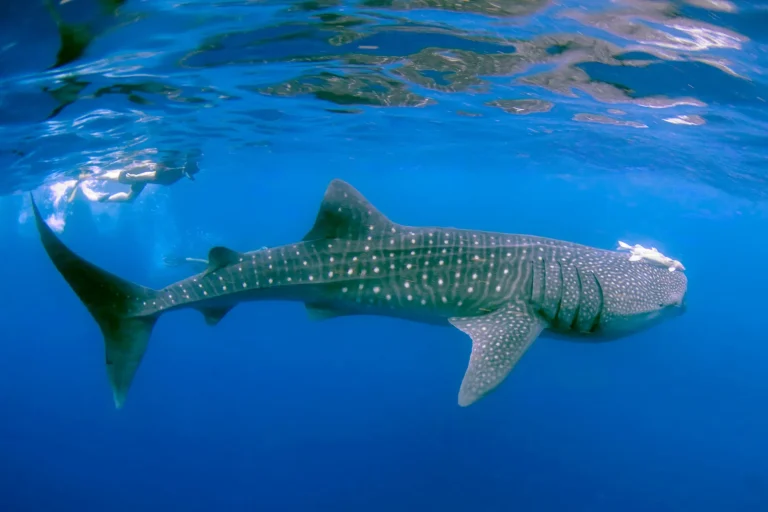
Like a scene borrowed from *Jaws*, a gray North Shore sky can make you wonder if you should even step on the boat, but rain alone usually doesn’t shut down a shark dive. You’ll often still go if the wind stays light and the swell behaves, and that early charter can feel smoother, with clean, cool air and calmer water. Heavy showers and runoff can turn visibility milky though, so you’ll want to call the Shark Shack before you commit, because the real question isn’t the rain, it’s what comes with it…
Key Takeaways
- Most North Shore shark dives run rain or shine; light rain rarely cancels trips.
- Heavy downpours can create runoff and “milky green” water, reducing visibility more than drizzle.
- Early-morning charters usually have calmer seas before trade winds and afternoon chop build.
- Safety depends on swell and wind; 6–8 ft swell or 15–20+ knot winds often trigger reroutes or cancellations.
- Check the marine forecast and call the Shark Shack; operators may offer reschedules or refunds if weather cancels.
Should You Shark Dive in the Rain on Oahu?
Usually, you can still shark plunge in the rain on Oahu’s North Shore, because most Haleiwa tours run rain or shine and won’t cancel just for a wet forecast. On rainy days, the ocean can look gray, but shark diving feels the same once you’re in the cage, and sightings stay strong when the wind’s light, especially on morning charters.
If you’re coming from Waikiki, plan extra time for Waikiki-to-Oahu transportation so you still arrive early for check-in. Plan for about 1.5 hours on the boat, with a 20-minute cage session per person, and listen to the crew’s safety briefing and rain-ready tips. Bring a light jacket or umbrella for the dock, use free parking, and check in at the Shark Shack before boarding. If you’re prone to seasickness, take an OTC pill or patch, watch the horizon, and skip engine fumes.
What Rain, Swell, and Wind Make Conditions Unsafe?
Rain matters less than the drizzle on your jacket and more than the water’s clarity, because heavy showers and runoff can turn the sea into milky green soup and crews may skip dropping the cage if you can’t see well.
Swell is the next deal breaker, and once it’s pushing past about 6 to 8 feet or turning confused, you’ll feel the surge tug and slap at the surface, making steady positioning and safe entry feel like timing a jump onto a moving sidewalk.
Wind ties it together, and when it’s blowing over roughly 20 knots you’ll notice sharp chop and extra boat roll, so it’s smart to watch the harbor mouth and listen for a delay or cancel call that keeps boarding and emergency response simple.
Before you commit, check the North Shore forecast and compare rain bands, swell direction, and wind speed to what your operator considers safe for cage drops.
Rain Vs. Visibility
Watching the sky isn’t enough, because what matters for a North Shore shark dive is how rain, wind, and swell team up to shape what you’ll see and how safe the cage feels. Light rain rarely dents visibility, but heavy rain can send runoff into the sea and cloud the view. Wind can be the deal breaker; surface chop scatters light and makes cage moves awkward, so operators plan for light wind and may cancel when gusts build. Add swells and the boat feels restless, so captains postpone until it calms. The other piece to weigh is boat ride conditions, if it’s rough getting to the shark site, the trip out can be the toughest part of the day. Ask about last night’s rain before boarding.
- You scan for blue, not tea.
- Spray stings, salty and cold.
- You time your step on the rail.
- Shadows sharpen, sharks appear.
Swell Height And Surge
Clear water is only half the story on the North Shore, because the real go or no-go call often comes down to swell height and the surge it creates under the boat and at the launch.
After heavy rain, that swell can stack up with onshore wind, and you’ll see whitewater boiling near the ramp, a clear sign boarding or stepping back onto the deck could get sketchy.
Sometimes the ocean feels rougher not from swell alone but from short-period wind chop riding on top of it.
Once the height climbs past about 6 to 8 feet, even offshore you’ll feel the boat lift, drop, and yaw, and operators often choose a reroute or cancelation.
In 3 to 5 feet, you might still do cage diving, but expect ladder work, entries, and tired legs.
Tip: watch the horizon, if it breathes, surge runs.
Wind Speed And Chop
Although a drizzly morning can look harmless from the harbor, wind is usually the real deal-breaker on the North Shore because it turns a manageable swell into sharp chop that knocks the boat around and makes cage entries feel like stepping onto a moving curb.
When wind holds above 15 knots, chop builds, and transfers get sketchy. Cross chop and steep wind waves can dunk the cage top, and even moderate swell can blur visibility, so operators cancel for safety. Trade winds can rise fast after sunrise, so morning trade winds often mean the earliest departures have the calmest ride. Choose early charters and check the morning forecast. If you’re set on going, ask how they read the chop, and trust a cautious crew’s call without second guessing.
- Whitecaps appear.
- Rails feel slick.
- Timing feels tight.
- Turning back feels smart.
When Will a North Shore Shark Tour Get Canceled?
Most North Shore shark tours run rain or shine, so a light sprinkle on your jacket usually won’t change a thing, but whitecaps, strong winds, or a lumpy, rolling swell can shut it down fast.
In general, weather and ocean conditions are the main reasons shark dives in Oahu get canceled, and operators will typically prioritize safety over sticking to the schedule.
You’ll always get the final word from the captain or operator, because safety rules the day, and morning charters often go more smoothly while later trips may get canceled or shifted as the breeze builds.
Before you head out, check the sea and wind report, then swing by the Shark Shack or call for the latest update, and if weather cancels your tour you’ll typically be offered a reschedule, sometimes with a small hold fee, or a refund in emergencies.
Weather And Sea Conditions
Even if the sky looks a little moody over the North Shore, your shark tour will still run in light rain, because it’s the wind and the size of the swell, not a few showers, that decide whether the boat leaves the harbor. Operators watch the wind and swell before you step aboard, and morning charters usually feel smoother, like driving on an empty road before rush hour.
Check the marine forecast, then call before you leave your hotel, since conditions can flip fast.
- You’ll smell salt and wet eucalyptus, not disappointment.
- You’ll trade choppy spray for a calmer dawn slot.
- You’ll know the reschedule policy: $43 pp plus tax, if needed.
- You’ll stay flexible, because safety cancellations happen when seas get serious today.
If you need to bail last-minute, prioritize operators with free cancellation so you can cancel a shark dive on Oahu without stress.
Safety Calls And Policies
When the harbor looks calm but the wind starts tugging at the palm fronds, your shark tour can still get the plug pulled, because captains cancel for sea safety, not for a little rain on your jacket.
Tours run rain or shine, so light showers just bead on your hood and you keep going.
If wind builds or swell stacks up, the captain may call a safety cancellation near departure.
Plan to arrive early for check-in times so you’re not rushing if conditions shift close to launch.
Check the forecast, ask about wind and swell limits, then confirm by phone at the Shark Shack.
If they cancel, you’ll get a refund or reschedule, with a $43 per person plus tax fee unless waived.
Missed your time for flights or medical issues? Call, share documentation, and they’ll review it case by case.
What’s the Best Time to Go on Rainy Days (Morning, Light Winds)?
Usually, the best move on a rainy North Shore day is to book the earliest shark dive you can, because dawn charters tend to catch calmer seas, cleaner surface conditions, and sharks that are still actively cruising.
The Sunrise Shark Dive Oahu experience pairs perfectly with rainy forecasts because you’re on the water right at first light, when conditions are often at their calmest.
Early mornings are the best time to see action, especially from now through November, when conditions stack in your favor.
Watch the forecast for light wind, ideally winds under 10 to 15 knots, and you’ll notice easier entries and clearer views even with drizzle.
- Step aboard while the harbor smells like coffee and wet salt.
- Feel the boat ride stay smooth before afternoon chops kick in.
- Catch brighter water as showers usually thicken later.
- Relax knowing crews run rain or shine, so book charters for early mornings.
What Sharks Will You See in Rain (Tigers vs Galapagos/Sandbar)?
So which sharks show up when rain taps the deck and the North Shore turns slate gray?
Most days, your most dependable North Shore Shark cast is Galapagos sharks and sandbar sharks, both cruising year-round and often stacking up in twos and threes, like commuters in a slow lane.
Count on Galapagos and sandbar sharks year-round, cruising the North Shore in twos and threes like slow-lane commuters.
A tiger shark can still glide through the curtain of rain, especially in the seasonal window now through November, but it’s a bonus, not a promise.
If you’re lucky, you may also spot reef sharks closer inshore, though they’re less consistent than the offshore regulars.
Book early mornings on light wind days for the best odds across the board, when the surface stays smoother and you can scan the water longer.
After a hard downpour, runoff can dull visibility, so keep expectations flexible and enjoy the lively mix, even if the striped giant skips.
What to Bring for a Comfortable Rainy North Shore Boat Trip
Packing smart turns a gray, drizzly North Shore morning into an easy, comfortable boat ride, even with a cool breeze sneaking under the clouds.
You’ll be on the water 1.5 hours, so dress for changes and sudden sunbreaks on morning charters, and you’ll feel ready for anything.
- A light waterproof jacket and a towel, so mist and spray don’t steal your warmth.
- Swim trunks under your clothes, plus dry layers for the ride back to town.
- Seasickness meds or patches taken before boarding, then keep breakfast light.
- Reef safe sunscreen, a hat, polarized shades, and a waterproof case for your phone or GoPro when the clouds lift.
For best results, take seasickness prevention steps early, meds before boarding and staying topside in fresh air can make a big difference on an Oahu shark dive.
Masks and snorkels are provided, and photographers can catch those underwater moments too
Frequently Asked Questions
Do I Need Prior Diving Experience or Certification for the Shark Dive?
No, you don’t need prior certification for this shark tour. You’ll snorkel, not scuba, after a dive briefing. If you’ve only trained in confined water, consider an open water refresher course; rescue training isn’t required today.
Are Shark Dives Safe for Kids, Teens, or Non-Swimmers?
Yes, if you prep, listen, and follow rules, you’ll keep kids, teens, and non-swimmers safe. You’ll get age limits, child supervision, life jackets, comfort measures, communication tools, emergency drills, and pros guiding every entry today.
Will Rain Affect Underwater Photography or Gopro Settings and Results?
Rain won’t ruin your GoPro shots underwater, but you’ll use low light techniques, nail white balance, and trust underwater autofocus. Do water droplet removal before entry, shoot wide angle composition, then finish with color correction.
What Is the Cancellation Policy if the Tour Is Called off Last-Minute?
When safety slams the door, you won’t sail: you’ll get weather dependent rescheduling; same day refunds are discretionary. Expect operator cancellation fees, partial credit options, consider third party insurance, and watch closely emergency closure notices.
Can I Get Seasick Medication Advice or Prescriptions Before the Trip?
Yes, get motion sickness meds ahead: start with over the counter meclizine or dimenhydrinate and follow timing dosage (30–60 minutes). For stronger prescription options, schedule a doctor consultation days prior. Check travel insurance for coverage too.
Conclusion
Don’t let a gray sky scare you off, you can still slip into blue water while rain taps the deck like fingers on a drum. You’ll watch the crew read swell and wind, and you’ll pivot fast if runoff turns the sea to skim milk. Book early, mornings feel smoother and quieter, then pack a light rain jacket, dry bag, and warm layer for the ride back. Call ahead, stay flexible, and you’ll dive smarter.