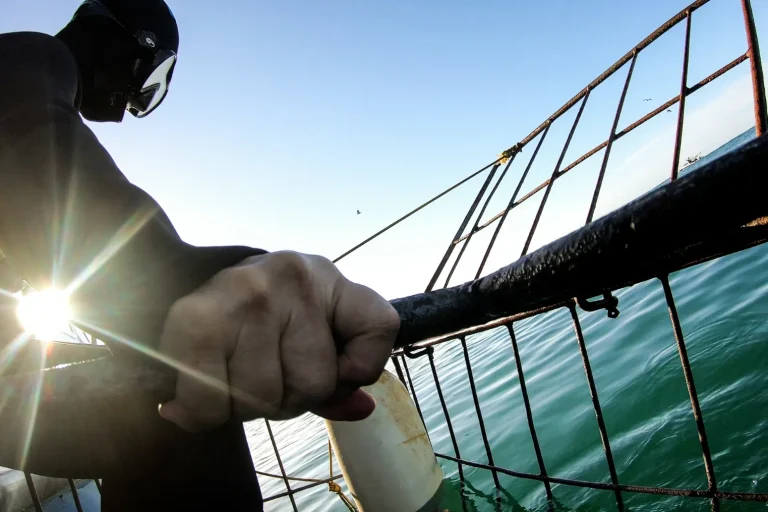
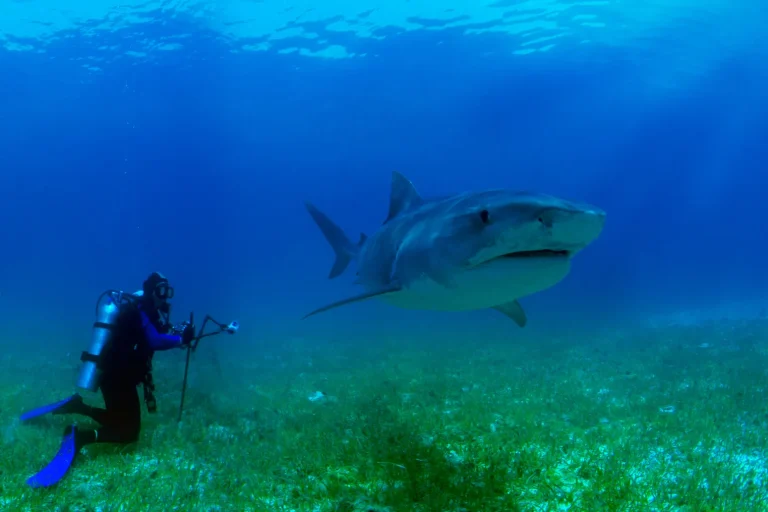
Most people don’t realize the ride to Oahu’s shark site can flip from glassy to slappy in minutes, even when the sky looks calm at Haleiwa. You’re usually out there in 20 to 40 minutes, and if the trade winds kick up you’ll feel short, rolling chop, hear the hull smack, and catch a bit of spray, especially on smaller backup boats that feel twitchier and tighter. If you get queasy, take meds early, and keep a light jacket handy, but the real trick is knowing when captains switch plans or call it…
Key Takeaways
- Sea can look calm in harbor, but wind and swell offshore often make the crossing bouncy, choppy, and spray-heavy.
- Transit is usually 20–40 minutes, about 2–10 nautical miles offshore, with shoreline often still visible.
- Trade winds can rise fast, creating short, slappy waves and jolting hull impacts, especially on smaller “backup” boats.
- After storms or cold fronts, operators may delay, shorten, or cancel trips, or wait on land for a brief glassy window.
- Sit low and central near the centerline for the smoothest ride; bring a windproof layer and expect to get wet.
Boat Ride Conditions in One Sentence
Although the coastline can look calm from the harbor, boat rides here often depend on wind and swell, so you might face choppy, longer crossings, last minute schedule changes, or the occasional swap to a smaller backup boat, especially after winter storms or cold fronts in places like Gansbaai, Simons Town, Oahu’s north shore, Duiker Island, and Durban, where gales, rough seas, and poor visibility can keep trips on land until a brief, glassy window opens, and when you do head out you’ll get a quick safety briefing, hold tight, pack a windproof layer, and treat the spray like part of the adventure.
Because conditions can shift quickly, your operator will often rely on wind and swell forecasts to time departures for the safest crossing.
Plan days, listen for radio checks, and once at the Shark Cage, keep one hand around the boat and breathe easy.
What Are Oahu Boat Ride Conditions From Haleiwa Like?
From Haleiwa, you’ll usually head out on a small tin-style boat into north shore water that can turn choppy fast, with trade winds and swell making the ride bumpy, wet, and loud as the diesel engine hums the whole way.
The run can feel long not just on the water but before you even board, since buses often handle island transport, and if the main vessel has issues you might switch to a newer, smaller spare that’s a bit more crowded, especially with about 14 people checking in.
If you’re skipping a rental car, planning around Oahu bus routes can make the pre-boat portion feel longer than the ride itself.
To stay comfortable, you’ll want a light rain layer, ear protection, and a simple seasickness plan like eating small, staying hydrated, and keeping your eyes on the horizon when the boat starts to bounce.
Typical Sea State
Since most boats leaving Haleiwa point their bows north along Oahu’s windward edge, you should expect a lively ride, with patches of chop and rolling swell that can feel like a bumpy backroad on water, especially on the more exposed stretches.
Trade winds can rise fast, and open-ocean fetch stacks short, slappy waves, so you’ll hear hull rattles and feel quick jolts between smoother rollers.
Plan to arrive early enough to handle parking costs near Haleiwa before you board, since timing and lot choice can affect how relaxed you feel heading into a bumpy ride.
On rough days, crew may lash the floating cage to the boat until they find a calmer pocket, and they’ll swap vessels if one’s unserviceable.
If you’re on a smaller backup boat, close quarters can feel twitchy, so brace your feet, keep one hand free, and take seasickness meds if you’re sensitive. Sit mid-boat, keep your eyes on horizon.
Ride Duration And Distance
Whether the ocean’s glassy or kicking up whitecaps, you’ll reach the shark sites off Haleiwa in about 20 to 40 minutes, with the exact timing shifting with the day’s swell, wind, and which spot the captain chooses.
Most runs stay close enough for shoreline proximity, so you can still pick out the ridge line as the harbor shrinks. Plan for North Shore parking near Haleiwa Harbor to take extra time on busy mornings so you’re not rushed at check-in. Check in, meet your 14 person group, and step onto a small tin boat for transit logistics, gear stows fast, and you’re off.
If the main boat’s down, a smaller spare can change speed, and bumpy chop plus trade winds may stretch the ride. Captains watch fuel consumption and conditions, aiming to keep round trip travel under an hour so you spend time at the cage.

Comfort And Seasickness Tips
Expect a ride that’s often brisk and bouncy out of Haleiwa, with the tin boat slapping across chop and the wind carrying a salty mist that feels great until your stomach disagrees. Take your motion-sickness pill before the bus and boat, especially if the bus blasts air-conditioning on the long transfer. If you’re coming from Waikiki, plan ahead for Waikiki to Haleiwa transportation timing so you’re not rushing onto the boat already feeling off.
Pack ginger candies, sip water, and look at the horizon, not your phone. If you’re prone to queasiness, try wrist bands that target pressure points, they’re small but handy.
At the site, the crew may set sea anchors, and the boat clips to the floating cage, so keep both hands on the metal bars and plant your feet on the foot rails. Move slowly on entries and exits, and listen to the briefing.
How Far Offshore Is the Shark Site From Haleiwa?
Just beyond Haleiwa Harbor, the shark site sits a short ride off Oahu’s north shore, close enough that you’ll often still track the coastline while the boat noses out toward reefs and drop-offs.
Most days you’re only 2 to 10 nautical miles out, so shore proximity stays real, think city blocks turned ocean blue, not a far-off speck.
Operators pick the exact spot based on shark activity, but they usually settle near contour lines where coastal ecology shifts and baitfish gather.
You’ll see the water darken over ledges, and you might pass marine traffic like fishing skiffs.
Plan on 20 to 40 minutes from the harbor, pack a light layer, and keep your camera ready, because land often stays in view for quick bearings.
If you’re coming from Kailua, your day trip itinerary typically includes the drive up to Haleiwa before boarding for this offshore run.
Why Can the Ride Out Feel So Rough?
Hold on as you head out, because the ride can turn punchy fast when strong trade winds stack up whitecaps and the boat meets long, rolling swells with nowhere to hide.
Brace as you depart, trade winds can pile up whitecaps fast, and rolling swells leave the boat with nowhere to hide.
Right now, Waimea Bay’s buoy is showing a 14.3-second swell period with 11.5 ft significant wave height coming from the NW (313° true), which can translate to a rolling, hard-to-settle ride offshore.
If you’re running an open-ocean line, the long fetch lets waves build, so you’ll feel boat vibration in the deck, hear equipment rattling in lockers, and notice passenger chatter drop to quick check-ins.
Headlands can offer a break, so a hop to a nearby island may stay doable while the wider sea throws more roll.
On coasts where cold fronts swing through, a wind shift can add sharp chop and hazy spray in minutes.
Smaller backup boats often ride stiffer, so sit near the center, keep one hand free, and stow loose gear.
Is Wind or Swell the Bigger Factor?
When you’re trying to figure out whether your boat ride will run, wind usually makes the first cut, but swell often writes the fine print.
In Gansbaai winter, gale winds kept boats in, with August launching only 13 days and September 18, so wind cancellations beat swell.
In Simon’s Town, mountains screen the harbor from ocean energy, so it’s usually onshore gusts that turn the ride into white knuckles and wind chop.
Trade winds can quickly turn a calm-looking surface into ocean chop that batters smaller boats.
Check both, then decide what kind of day you’re signing up for:
- Short, steep waves mean spray in your face and early turnarounds.
- A long swell period matters offshore, it can lift and drop you for hours.
- High boat sensitivity makes crews play it safe even when swell looks fine.
Pack ginger.
Does a Smaller Boat Make It More Bouncy?
Wind and swell may decide if the skipper can even leave the harbor, but the boat you end up on decides how that weather feels in your bones.
On a small craft, less hull weight and a shorter length let waves boss you around, so the motion turns into quick pitch and roll, like riding a shopping cart over cobblestones. Short boats also pop off wave faces faster, with less reserve buoyancy, so you feel sharper up down hits.
Small, light hulls get pushed around, fast pitch and roll, popping off wave faces with sharper up-down hits.
Passenger loading matters more, too. Add extra people, or lose crew, and the trim shifts, raising the effects of slamming and bounce.
If swell builds, you may stick closer to shore or cancel, while a heavier hull design rides steadier and keeps cage points stable. These same wind-and-swell windows are a common driver of shark dive cancellations in Oahu, so a smaller, lighter boat can tip a borderline day from “bouncy” to “no-go.”
When Will You Get Spray, and Where to Sit?
Most days you’ll feel spray the moment the boat noses into chop, especially in Gansbaai’s winter, where rough stretches can keep boats ashore more than they’re out, so plan on salt mist in your eyelashes and a wet jacket even before the action starts. If gales are forecast, wear full waterproofs and expect a drenching.
For spray mitigation, lock in a seating strategy and sort your entry positioning early.
- Sit low, central, just behind the wheelhouse for offshore Blue and Mako runs.
- On smaller spare boats, stay on the centerline, forward under any spray deflector, not on the rail or stern.
- Heading to Seal Island from Simon’s Town, go early, the Peninsula often nicely blocks the swell and keeps spray down.
Before you leave the harbor, confirm where your life jackets are stowed and which crew member is responsible for safety procedures in rough water.
What Happens If the Boat Is Overcapacity or Swapped?
If the main boat springs a leak or can’t run, you’ll often switch to a spare vessel, and it might be smaller, newer, and tighter underfoot. If that puts you near the certified limit, the crew won’t risk overcapacity, they’ll trim passenger numbers, leave a staff member ashore, or pause the departure, so plan for a short wait and keep your bag packed light.
If you’re arriving without a car, build in extra buffer time for bus or rideshare delays so a brief departure pause doesn’t turn into a missed check-in.
With a swap, you may hear an updated safety talk and see the cage clipped on in a slightly different spot, so watch where you place your hands, note the radio call words, and expect the ride to feel a bit bouncier in chop.
Spare Boat Swap Protocol
When the crew has to switch things up and swap boats midstream, you’ll notice the pace get a bit more methodical as everyone resets for a safe, comfortable ride.
A quick crew swap follows, and you might step onto a spare that’s newer but tighter, like moving from a minivan to a compact SUV.
Before you head out again, the team will typically run through a quick check-in process to confirm headcount and timing after the switch.
- Watch as they reclip the cage floats and clips, then tug-test the metal bars and foot bar.
- Listen for the passenger briefing on changed rails, entry points, and the radio distress phrases.
- Expect spare maintenance checks, plus options if timing shifts, like waiting, joining a later run, or taking an alternative plan.
Keep your bag compact, hold a rail, and stay flexible, the ocean won’t mind either way today though.
Overcapacity Safety Adjustments
Although a boat swap can feel like a quick shuffle on the dock, it often puts you on a spare that’s newer but a bit smaller, and that tighter fit means the crew may adjust numbers and routines to keep the ride balanced and safe.
You’ll notice capacity signage, and the skipper will run load calculations, sometimes even doing a quick crew rotation so one deckhand stays ashore if seats get tight.
Onboard, you’ll cycle through the cage in smaller drops, and it may float and clip in a new spot.
Expect a briefing, grip bars and foot rails when it’s bumpy.
Before you splash, confirm the operator’s safety checklist covers what to expect if the boat is swapped or passenger counts change at the dock.
If someone can’t go, they’ll keep radios, lifejackets, and emergency gear set, so keep contact info handy, stay flexible for weather delays.
How Do You Enter the Cage in Rough Seas?
In rough seas, you’ll ease into the cage step by step, with the crew floating it alongside the boat and clipping it on so it stays steady relative to the vessel instead of being hauled onto a pitching deck. You’ll enter in small groups, follow the entry choreography, and let the guide fit your mask and snorkel while the deck smells of salt and diesel. They’ll also review the hand signals and spacing rules before anyone moves, so everyone knows what “hold,” “move,” and “exit” look like when the boat is rolling.
In rough seas, you step into the floating cage alongside the boat, clipped steady, mask fitted, salt-and-diesel air all around.
- Watch for crew signaling, then move when they call the lull.
- Grip the side bars hand over hand, and find the foot bar before you shift weight.
- Keep your turn quick, and know the emergency climb cue and radio phrases.
If the roll turns nasty, they’ll pause, limit groups, or cancel, and that’s normal ocean math, not drama today.
How Do You Brace Inside the Shark Cage?
Plant your feet under the horizontal foot bar and lock in with a firm grip on the hand bars, because when the swell hits like an unexpected curb, it can tug at your legs and shoulders if you’re loose.
Then control your buoyancy and posture by fastening the weight belt or harness, tucking any stray straps, and keeping a slight squat with bent knees so you absorb the chop instead of getting bounced around.
Brace your forearms on the top rail, press your shoulders back into the frame, and keep one ear on the crew’s signals so you stay steady when the boat yaws and the cage lifts. Before you drop in, double-check the boat has CPR and first aid gear onboard in case the rough ride turns a minor knock into something more serious.
Grip Bars And Footrail
Often, the simplest way to feel steady in a shark cage is to treat it like a moving ladder at sea, hands up, feet braced, and eyes on the next swell.
You’ll find metal grips along the top and sides, plus a bottom rail for footrail anchoring when the boat and cage pitch.
In Gulf or Indian Ocean chop, limbs can slide, so keep one or both hands locked on the bars and hook your toes under the rail, not your mask strap.
On Oahu private shark dive charters, the crew typically walks you through this bracing method before you enter the cage.
- Check your hand position before each wave, then reset.
- Practice harness clipping with the crew before you step in.
- If the cage is clipped to the boat, brace hard during speed changes.
That routine keeps you centered when the cage jolts.
Control Buoyancy And Posture
Once your hands know the grip bars and your toes can find the footrail without looking, focus on buoyancy and posture so the sea’s rise and fall doesn’t slosh you around like loose gear in a hatch.
Kneel low, hips back, feet braced on bottom bars, so 3–4 m swells don’t slide you into mesh. Keep hands on the rails, chin tucked, shoulders forward, elbows in, and treat it like posture drills that protect your mask when a shark surges within 1–3 m.
Use breath control, breathe slow, and relax your core because bracing burns you out before a 15–30 rotation ends.
If panic spikes, lock onto slow breathing and keep one hand on the rail to re-ground your body until the surge passes.
For buoyancy education, if the cage lifts or water turns milky, follow crew calls, clip or unclip, then shift to the side.
How Long Are You in the Cage (and What You’ll See)?
You’ll usually get about 20 minutes in the cage per turn, starting fast because the first group typically drops in as soon as the boat settles on anchor and the crew gives the nod.
Plan for roughly 20 minutes per cage turn, things kick off fast once the boat anchors and the crew gives the nod.
On a full trip you’ll do 2 to 4 rotations, so stay kitted up and practice cage etiquette at the door.
In Cape Town you may see four sharks in green water, but in clear tropical sites a dozen can stack up, cruising eye level.
In Gansbaai, great whites patrol the beach line, then rush in close or even breach when vis is around three meters.
Summer sessions stretch.
On Oahu, many operators offer a cage-free shark dive option, so your time in the water may be structured differently than a timed cage rotation.
Remember:
- Bend knees, let swell move you
- Photography tips: go wide, keep elbows in
- Marine biology: note gill rhythm, tail beats
Seasickness Tips for Rough Boat Ride Conditions
If the ride out feels like a washing machine on a spin cycle, a little prep can keep your stomach calm and your head in the game.
For motion sickness, take an antiemetic 1–2 hours before boarding, like 50–100 mg meclizine or 4–8 mg ondansetron, and follow label timing if you need a repeat dose.
On the boat, claim a mid-boat seat, face forward, lock onto the horizon, and resist the urge to stare into the foamy water during the 20–60 minute slog.
Use dietary prevention: sip water, nibble crackers or toast, skip greasy food and alcohol.
Before you leave the dock, stick to light, bland foods and avoid heavy meals so your stomach has less to fight when the swells kick up.
Add herbal remedies, inhale peppermint, chew ginger, and try P6 acupressure bands.
If nausea wins, lie flat near center, breathe slow, and tell crew early for help.
What to Wear When the Boat Ride Turns Cold
Although the sun can look friendly from the harbor, the ride out from Gansbaai or Cape Town often turns sharp fast, with gale-driven wind and salt spray that can chill you in 10 to 20 minutes. Dress like you’re stepping into a moving cold shower: start with thermal baselayers, add a fleece or light synthetic puffer, then seal it with a breathable hard-shell. Salt spray and wind can also dry out exposed skin fast, so apply broad-spectrum sunscreen before you leave the dock.
Top it off and keep your grip with a beanie and neoprene gloves, because your ears and fingers go numb first.
- Non-slip waterproof boots with heated insoles for steady footing and warm toes
- Long quick-dry pants, no shorts, so spray doesn’t steal your heat
- A small waterproof bag with a dry layer and towel for the ride back after the dive.
When Boat Ride Conditions Cancel Shark Tours
Some days, the skipper takes one look at the whitecaps outside the harbour, feels the gusts shove the boat against the dock, and calls it early, because gale-force wind and relentless seas can turn a simple run to the cage site into a rough, risky slog.
When whitecaps boil and gusts pin the boat to the dock, skippers pull the plug, gale-force seas aren’t worth it.
You’ll spot cancellations in Gansbaai, August boats ran only 13 days, and September lost chunks.
Heavy swell and strong wind can make offshore sites unsafe, and winter storms cancel seal trips and Blue & Mako days because you can’t hold cage steady or free-dive.
If they swap in a smaller spare boat, they’ll call it when capacity feels tight.
Follow crew communication, check shore based updates, and consider cancellation insurance so you can pivot to a café crawl.
How Oahu Compares to Gansbaai, Cape Town, and Durban
On Oahu, you’ll usually skim out of Haleiwa in a tin boat on a short coastal run, so the ride tends to feel smoother and the water stays clearer than the long, bumpy passages you can face in Gansbaai or off Durban when seasonal swell and cold fronts kick up wind, spray, and murky visibility.
In Cape Town, you can sometimes tuck behind the Peninsula on the way to Seal Island and keep things relatively calm, but once blue-and-mako season starts the longer offshore run can turn choppy fast, so pack a light rain layer and take motion meds early if you’re prone.
As you compare spots, watch how wind direction and swell set the tone for visibility and shark encounters, and keep a flexible schedule because some places get “nope” days more often than others.
Seasonal Swell And Wind
When you time your trip with the seasons, the ocean mood makes a lot more sense, and Oahu’s North Shore often feels like the friendly middle ground compared with South Africa’s and KwaZulu-Natal’s wilder winter runs.
From Haleiwa, you can feel long-period swell and stiff trades, yet the ride stays shorter and partly protected, so you mostly deal with bounce, not marathon punishment.
- Use seasonal forecasting to pick windows after big swell decay, when sets soften.
- Watch wind coupling, trades in Hawaii or gales in Gansbaai can stack chop fast.
- Aim early: Cape Town’s headland blocks swell, and Durban may offer calm gaps between fronts.
In mid-winter, Gansbaai often sits out storms, while late Nov to May favors longer, calmer offshore runs for you.
Visibility And Shark Encounters
After you’ve picked the right swell window, the next thing that shapes your day fast is what you can actually see in the water, because visibility sets the tone for every shark encounter. Off Haleiwa you often get 100 to 150 ft of clarity, so you spot sharks early and set diver positioning calmly, and fewer jump scares. Gansbaai averages 3 m, with light scattering and shark camouflage turning winter beach runs into close, fast passes. Cape Town can hold four sharks near Seal Island, wind permitting. Durban’s fronts cloud water, but reefs still pack ragged-tooths. Nov–May brings blues and makos offshore.
| Place | Typical vibe |
|---|---|
| Oahu | 100–150 ft, calm glide |
| S. Africa | 3 m surf, wind, reef packs |
Frequently Asked Questions
Will I Have Cell Service During the Ride and at the Shark Site?
Don’t count on cell service during the ride or at the shark site; cell coverage often drops offshore. You can’t rely on signal boosters either, so download offline maps, tickets, and messages before departure today.
Can I Bring a Camera or Gopro, and How Do I Secure It?
Like a seashell in surf, you can bring a camera/GoPro, just secure it. Use waterproof housings, choose helmet mounts or a floating grip, and clip wrist tethers to rails or cage bars with a locking leash.
Are There Restrooms on the Boat, and What if I Need One?
You’ll usually find onboard facilities, but you should confirm with your operator. If they swap to a smaller boat, you may face portable toilets or no head. Use shore restrooms first; ask crew about privacy stalls.
Is the Ride Safe for Kids, Seniors, or Pregnant Guests?
It’s ‘safe’, until the ocean reminds you who’s boss, so you’ll check with the operator daily. You’ll want child friendly seating, pack motion sickness remedies, and follow prenatal precautions; they’ll cancel if conditions worsen kids, seniors, too.
What Happens if I Panic or Want to Skip Entering the Cage?
If you panic, tell a crew member away, they’ll follow panic protocol, keep you aboard, and block cage entry. In-water, use the distress phrase and they’ll help you out. You’ve got exit options and mental preparation.
Conclusion
You’re not crossing the Atlantic, but the run from Haleiwa can feel like a quick chapter from *The Perfect Storm* when trade winds stack short, slappy waves and spray dusts your sunglasses. You’ll usually cruise 20 to 40 minutes offshore, and the ride may smooth out or stay bouncy depending on wind and swell. Take motion meds early, sit midship, keep a light layer handy, and trust the crew to swap boats or call it if limits get tight.