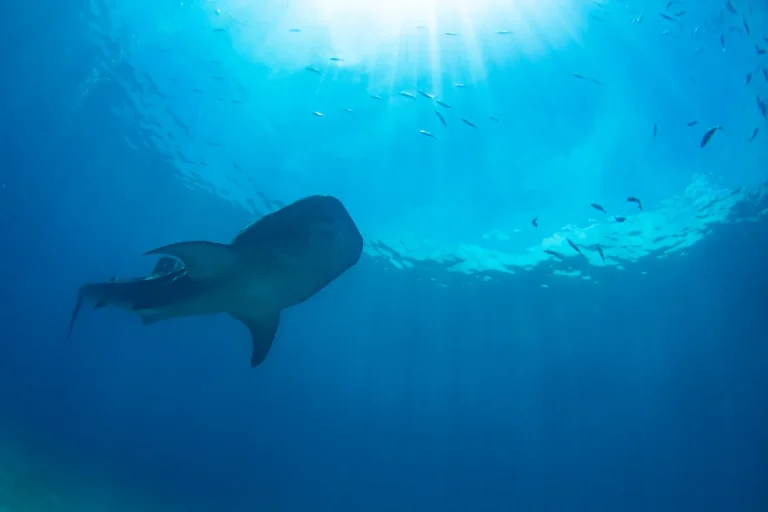
You’re choosing between two very different shark days in Hawaii. On Oahu, you hop out of Haleiwa, bounce over open blue water, and hit deep pelagic territory fast, where Galapagos and silky sharks can appear like sleek shadows. On Kauai, you often ride longer and wait on weather, then drift near reefs and walls with whitetips and pushier currents. So what matters more to you, speed and certainty or texture and intimacy?
Key Takeaways
- Oahu offers the easiest access, with daily Haleiwa Harbor shark tours and typical 1.5–2 hour trips plus 20–45 minute transits.
- Kauai trips are less frequent and more weather-dependent; Niihau/Lehua charters run longer, while some RHIBs reach nearby sites fast.
- Oahu pelagic dives commonly see Galapagos, silky, and dusky sharks, with occasional tiger sharks offshore in 150–300+ foot blue water.
- Kauai focuses on reef and wall encounters, often with white-tip reef sharks in caves and ledges; Niihau can add tiger or hammerhead possibilities.
- Conditions differ: Oahu winter swell lowers nearshore visibility, while Kauai currents and rain runoff can quickly reduce reef visibility and increase workload.
Oahu vs Kauai Shark Diving: Choose Fast
Let’s zero in on the fastest way to get eye-to-eye with sharks in Hawaii.
If you want speed and certainty, you book Oahu. Haleiwa Harbor on the North Shore runs shark tours all week, and you can hop on a 1.5 to 2 hour trip with ages as low as 3 to 12 depending on the operator.
The ride feels salty and loud, and the sea often turns deep cobalt fast. Out there you meet pelagic species like silky, Galapagos, tiger, and sandbar in 150 to 300 plus feet of water, with options like cage diving or guided swims. Most Oahu operators also offer both cage and cageless formats, making it one of the most flexible shark diving tours options in Hawaii.
Choose Kauai when you’ve got time and flexibility.
You chase rarer encounters on longer Niihau or Lehua charters where weather calls the shots most days.
Tour Style: Cage vs Cageless
On Oahu’s North Shore, you can pick a cage tour that may use chum to bring sharks close, or a cageless trip where the crew scans deep blue water and tries to meet sharks on their own terms.
Cage tours tend to offer a more controlled viewing setup, while cage-free diving puts you directly in the water column with the sharks.
You’ll want to think about how you feel hearing the metal cage clink on the ladder versus floating in open water with a safety diver watching your back. Your comfort and skill level matter too, since cages can work for non swimmers and kids, while cageless trips usually ask for strong swimmers and an older minimum age.
Baiting And Behavioral Impact
While the ocean always writes its own script, the way a tour draws sharks in can change what you see and what the sharks learn.
On Oahu, many cage trips use chumming and baiting to bring in Galapagos, silky, dusky, and the occasional tiger. You’ll likely hear the slap of the box and watch shapes appear fast. High action comes with a tradeoff: repeated food cues can lead to conditioning and behavioral impact around boats.
Some operators reduce impacts by using lighter chum slicks and avoiding direct feeding, focusing on conditioning risks rather than “training” sharks to approach people.
If you want non‑baited encounters, look to Oahu’s cageless North Shore searches or Kauai and Niihau reef runs. Ethical tours there cruise drop offs and reefs and let white tips and visiting tigers show up on their own. Reputable operators limit scent trails and enforce no touch, no feed.
Skill Level And Comfort
If you’re deciding between a cage and a cageless swim, your comfort level matters as much as the island. On Oahu, cage dives often leave Haleiwa Harbor and you step from the boat into a 6 person metal cage. You can hold the bars, hear water slap the steel, and watch sharks cruise by even if you’re not a strong swimmer. Some trips take kids as young as 3 to 5. Many operators also offer a private shark dive charter option on Oahu, which changes the pace and group dynamic.
Go cageless and the bar rises. Oahu’s groups of six guests and minimum age near 12 ask for snorkeling, breathing, and listening. Kauai leans toward cageless reef and wall rides where drift currents keep you moving. If your skill levels come from shore diving, you’ll love it. If not, pick the cage instead.
Still comparing Shark Diving Oahu Vs Kauai: Access, Species, And Conditions?
Ask for tour ideas, hotel suggestions, or a simple trip plan that combines both.
Trip Helper
Launch Points and Ride Times
Because the boat ride sets the tone for the whole adventure, the launch point matters more than you’d think.
On Oahu you’ll usually meet at Haleiwa Harbor, then push out into deep blue pelagic zones. The bow slaps spray, and your transit times often run 20 to 45 minutes, with rougher seas stretching that. Some operators head farther north or offshore, so plan for a 60 minute plus run on certain days. If you’re staying in town, factor in transportation from Honolulu to Haleiwa before your check-in time.
On Kauai you’re more likely to launch near Port Allen or another small harbor. Fast RHIBs keep the ride tight, often 15 minutes to the action. Most trips go early for smoother water, though Oahu may offer more daily slots while Kauai feels half day and simple. Bring a light jacket anyway.
Shark Species You’ll Likely See
Off Oahu, you’ll often spot big pelagic sharks like Galapagos, silky, and dusky cruising in the blue, and you may even see a tiger shark if the conditions line up. Around Kauai and nearby Niʻihau, you’re more likely to meet white-tip reef sharks gliding along ledges and caves near cleaning stations, where the reef feels like a busy underwater hallway. Tigers can show up there too in certain seasons, so you’ll want to match your trip’s depth and location to the kind of fins you’re hoping to photograph. Oahu also offers chances to see reef-associated sharks closer to shore in certain areas, depending on conditions and time of year.
Common Pelagic Species
A handful of pelagic regulars set the tone when you shark dive Oahu or Kauai. On Oahu’s North Shore, deep-water dives and boat cruises put you over 150 to 300+ feet, where Galapagos and silky sharks cruise in blue water and you might spot tiger sharks sliding past like submarines. Duskies show up on some Oahu runs, especially when crews follow migration routes and scan for birds and slicks overhead. For shots in blue water, prioritize fast shutter speeds to keep cruising sharks crisp while you manage surge and shifting light.
| Where | Most likely | What it feels like |
|---|---|---|
| Oahu offshore | Galapagos, silky | Open-ocean blue, steady boat hum |
| Kauai walls | white-tip reef sharks | Drop-off shadows, rushing current |
| Niihau drifts | hammerheads, tiger | Baitballs, tuna flashes, quick turns |
Winter can send surprise visitors offshore, while spring and fall often bring calmer seas and better odds for pelagic species.
Reef Sharks Nearshore
If you’d rather trade blue-water suspense for close-up reef detail, the nearshore shark scene leans hard toward Kauai.
On Kauai reefs like Sheraton Caverns or Fish Bowl, you drop into 35 to 70 feet and scan ledges and sand pockets. A white-tip reef shark often lies tucked in a cave like a rolled-up wetsuit, gills pulsing in the hush. Unlike black-tip reef sharks, which are more likely to be spotted cruising open shallows, the white-tip reef shark is known for resting in caves and under ledges during the day. Cruise past cleaning stations and you’ll see smaller reef sharks circle slowly while wrasses pick at them. You also slip by nearshore lava tubes where the light turns green and turtles flap through the openings.
On Oahu, nearshore swims can feel quieter; the bigger action usually starts far offshore on deep ledges, often with cages or bait. Pack a light and take your time hovering.
Seasonal Tiger Shark Encounters
Reef ledges and lava tubes feel intimate, but tiger sharks play a bigger game that follows season and depth. On Oahu, you’ll hear captains talk about the deep-water North Shore like a moving highway, 150 to 300 plus feet down. In spring and summer, a tiger shark may slide closer to shore, but casual beach dives still rarely score a sighting. Kauai and Niihau can flash big predators during winter pelagic runs, yet tiger encounters there stay hit or miss. Visitors should remember that tiger sharks are common in Hawaiian waters year-round, even if sightings can be seasonal and unpredictable.
- Book a deep-water charter if you want the best odds.
- Choose operators that observe, not bait, so behavior stays natural.
- Plan around seasonal water warmth and swell, and bring a calm grin.
You’ll surface to seabird calls and salty spray, wondering what’s next today.
Swell, Currents, and Visibility
While Hawaii can look glassy from the beach, swell and current set the real mood once you’re on the boat. On Oahu’s North Shore, winter swell from October to April can slap the hull and stir surface chop, so nearshore visibility dips. Yet many shark trips run offshore into pelagic water where it stays clear and currents feel lighter.
Kauai can be wilder. West and Niihau-facing drop-offs and pinnacles funnel powerful currents, and a drift‑dive can feel like a freeway ride or a workout. After heavy rain, runoff can cloud shallow reefs fast, especially on the wetter north side. Most days you still see 75 to 100 feet. In January and February, cooler water can haze deeper layers and shift sharks up or down.
Safety Rules and Ethical Operators
Even on a calm blue morning, the safest shark dive starts long before you zip your wetsuit and step off the swim step. Pick a legal, conservation-first boat with a no-feed policy and permits. On Oahu, a cage dive often means a solid steel cage plus controlled chumming. On Kauai, many crews go cageless and skip attractants to keep behavior natural.
Prioritize responsible operators that follow Hawai‘i rules and conservation-minded practices.
- Listen to the crew briefing and copy the safety diver: stay vertical, move slow, and exit fast when signaled.
- Check emergency equipment like VHF or EPIRB and oxygen, plus ladders and cage locks.
- Confirm age and skill rules, gear provided, and a ride-along seat if you’re not swimming today.
Operators teach species ID and Hawai‘i protections, so you watch with respect, not bravado.
Best Months: Oahu vs Kauai
Once you’ve picked a by-the-book operator and memorized the hand signals, the next big choice is timing.
Choose your season wisely, after a solid operator and clear signals, timing becomes your most important call.
On Oahu, North Shore shark trips run all year, but spring and fall feel like the best time for comfort. March to May and September to November usually bring gentler seas and strong visibility, often 75–100 feet. Summer adds warm water and steady rides for deep-water drops. For North Shore departures, note that trade winds can build surface chop even on otherwise clear, sunny days.
On Kauai, you’ll also dive year-round, but plan Niʻihau and west-side sites outside the north swell season. Avoid October to April if you want easier access and clearer water.
In winter and early spring, both islands can surprise you with seasonal pelagics and humpbacks nearby. Watch for rain runoff on Kauai’s wetter shores. Pack a light jacket for windy boats.
Which Island Fits Your Skill Level
Because shark tours range from dry-deck peeking to full-on open-water swims, your skill level will steer you toward the right island fast.
On Oahu’s North Shore, you can begin in a cage after a clear safety briefing. The ladder feels solid and the sea slaps the hull. If your swimming ability is limited, the cage keeps you close to sharks with less work. Many operators also clearly outline what’s included in the trip price so beginners know what to expect before they leave the harbor.
- Choose Oahu cage tours for the easiest, most beginner-friendly setup.
- Book Oahu cageless only if you’re a strong swimmer, comfy in deep water, and ready to follow the safety diver.
- Lean toward Kauai when you want boat-based encounters on smaller runs toward Niihau and Lehua, with fewer long surface swims.
If you’re a certified diver chasing pelagic habitat, you’ll favor Oahu.
No-Dive Options: Snorkel and Boat Tours
Skill level still matters, but you don’t need scuba tanks to get a real shark moment. On Oahu’s North Shore near Haleiwa, snorkel tours run like clockwork, usually 1.5 to 2 hours. You’ll check in about 30 minutes early, pull on a wetsuit top. You can rent a GoPro too and drop in for cage time or cageless snorkeling. The ocean feels cool and silky and you’ll hear fins and bubbles more than voices. Some operators frame it as a sunrise shark dive style morning ocean encounter. Small groups, often 6 to 12, keep it calm, and conservation talk fills the ride out.
On Kauai, non-divers mostly choose boat-based shark-viewing from the rail or scan from shore. True in-water options are rare. If you’d rather stay dry, book above-water shark viewing that follows migration routes without baiting.
Frequently Asked Questions
Do I Need a Scuba Certification for Shark Dives on Oahu or Kauai?
You don’t need scuba certification for Oahu or Kauai tours; cages offer certification exemptions. You won’t face a pool prerequisite. If you choose scuba, take refresher courses, consider open water alternatives, and check training duration.
Can Children or Non-Swimmers Join Shark Diving Tours on Either Island?
Yes, you’ll bring children or join as a non-swimmer: pick cage tours with child friendly briefings, life jacket options, and child size gear; ask for observer seats, shore entry alternatives, or parent child tandems often.
What Should I Bring or Wear for Shark Diving in Hawaii?
Pack like you’re stepping into a blue, rolling arena: wear Sun protection clothing,quick dry layers,closed toe footwear, and a 3mm wetsuit. Bring a waterproof camera, extra motion sickness meds, hat, towel, and secure loose gear.
How Far in Advance Should I Book Shark Diving Tours?
Book 2–4 weeks ahead for best timeframes, and reserve 4–8 weeks out for peak season or weekends. For needs, book 6–12 weeks. Last minute slots may open, but seasonal availability shrinks; you’ll want group discounts.
Are There Weight, Health, or Pregnancy Restrictions for Shark Diving Tours?
Absolutely, you’ll face a million rules: operators set age limits, enforce mobility requirements, and run medical screening plus fitness assessments. Disclose conditions and medication restrictions; many ban pregnancy. Weight limits vary, confirm with your operator.
Conclusion
Pick Oahu if you want shark diving with a stopwatch vibe. You roll out of Haleiwa, hear the engine thrum, and hit blue water fast. The chum line works like a velvet rope, and Galapagos and silky sharks glide in like VIPs. Choose Kauai if you prefer a slower script. You drift along reefs, feel the current tug, and spot white-tips tucked in ledges. Follow rules, book smart, and stay curious.