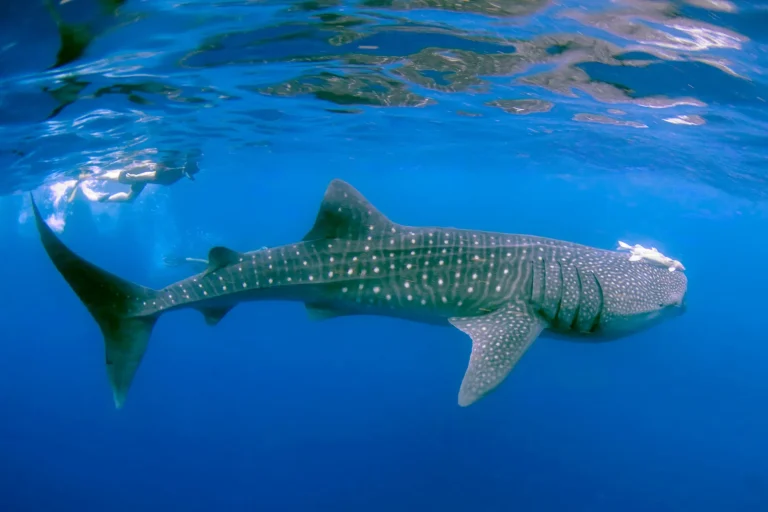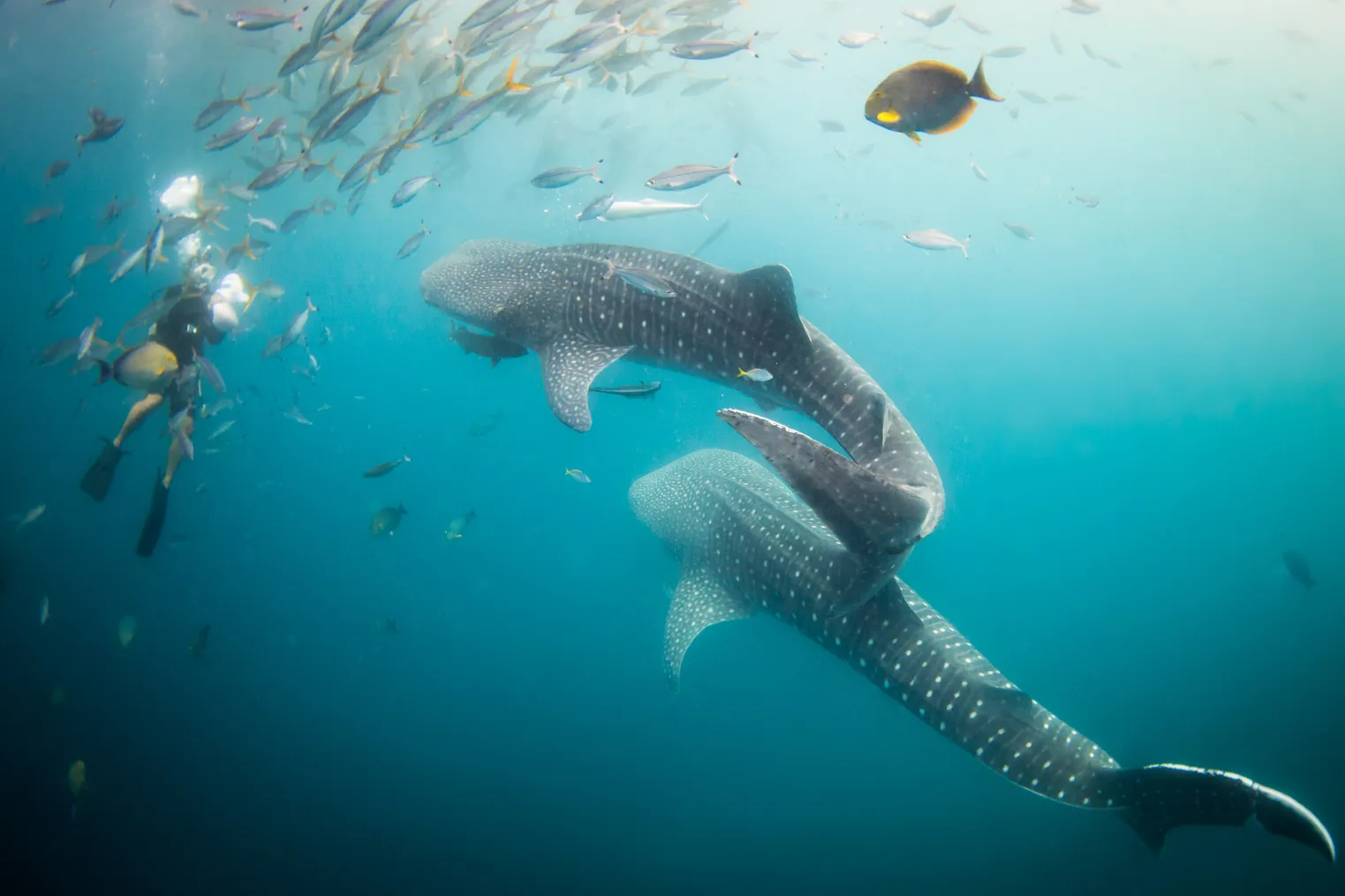
One morning off Oahu, a captain compared shark diving to crossing a busy street, you don’t sprint, you check the signals and you keep your lane. You can do the same before you book, ask to see DLNR permits, insurance, and a written no chumming or feeding policy, then look for small groups, clear briefings, and real safety gear like oxygen and an AED. If an operator promises “nose to nose” photos, pause, because the best clues show up in the fine print and the boat talk…
Key Takeaways
- Verify the operator holds current Hawaiʻi DLNR marine wildlife and commercial permits, and the permit holder name matches the booked company.
- Confirm valid USCG vessel inspection/COI, vessel registration, and $1–5M maritime liability insurance explicitly covering shark encounters and passenger transport.
- Choose “no-chum, no-feed, no-touch” operators; avoid anyone using loose bait, conditioning tactics, or vague answers about attractants.
- Check crew qualifications and ratios: Divemaster+ leadership, current Rescue/EFR, defined safety roles, and small guest-to-guide groups.
- Inspect onboard safety readiness: oxygen and AED, VHF backups, written evacuation plan, and briefings that match waiver terms and emergency procedures.
Choose Ethical Oahu Shark Diving Operators
Often, the most ethical shark dive on Oʻahu starts long before you taste salt on the wind, it begins with a quick, no-nonsense check of the operator’s paperwork and practices.
The most ethical Oʻahu shark dive starts on shore, with a quick, no-nonsense check of paperwork and practices.
Next, ask how they handle bait, you want responsible operators that ban chumming and feeding, keep any lure in a sealed box with a crew member watching it, and track type and amounts so sharks don’t get conditioned.
Look at the team, you’ll feel your shark diving experience tighten into focus when the captain and lead guide list Divemaster or higher training, plus Rescue and EFR, and when ratios stay small, not a cattle call.
Finally, scan recent reviews for clear briefings, cancellations, and safety measures like oxygen, an AED, and an evacuation plan.
As a final gut-check, choose operators who clearly follow shark diving ethics by prioritizing shark welfare and guest safety over guaranteed sightings.
Confirm DLNR Permits and Vessel Compliance
Before you gear up and head for the harbor, lock in the basics that prove you’re stepping onto a legal, well-run boat, not just a slick website with good photos. Ask to see a current DLNR commercial marine license, then jot down the permit number and expiration date like you’re checking into a hotel.
Next, confirm vessel registration and the USCG inspection certificate, numbers included, because paperwork beats promises when the sea gets sporty. You should also request maritime liability insurance that covers shark-diving and passenger transport, ideally $1–5 million, plus the insurer and policy end date. As part of your pre-trip checklist, prioritize DLNR permits and up-to-date vessel documentation as non-negotiables when comparing operators.
Peek at safety equipment inspection records, lifejackets and VHF radios, and scan maintenance logs. Finally, read booking and waiver terms, and make sure the captain’s briefing matches them.
Check Oahu Shark Tour Wildlife Permit Status
While the crew’s hosing down the deck and the harbor air smells like salt and sunscreen, take a minute to confirm the operator’s Hawaii DLNR marine wildlife permit is current, because that single document tells you whether you’re joining a regulated tour or rolling the dice.
Ask for the permit number and a screenshot showing expiry and conditions, then cross-check with Hawaii DLNR.
- Match permit holder to the operator’s name you booked.
- Look for Coast Guard inspection or COI shown with the wildlife permit.
- Ask if there are suspensions, violations, or no chumming rules.
- Request the date of the last DLNR inspection or enforcement contact.
Before you pay in full, read the waiver terms and cancellation policy so you understand liability, weather call-offs, and refund rules.
If they share this quickly without squirming, you’re likely stepping onto a well run boat, not a mystery cruise.
Request Shark-Diving Liability Insurance Proof
Ask the operator for proof of maritime liability insurance that clearly covers shark encounters and commercial passenger trips, so you’re not left guessing while the boat rocks gently at the dock and the salt air makes everything feel more casual than it should.
Check that the policy limits for passenger transport are spelled out, ideally in the $1–5 million range, and scan for exclusions that quietly dodge wildlife interactions or onboard injuries.
Because weather cancellations can happen, verify whether coverage still applies on rescheduled trips or alternate departure dates.
Then confirm the effective and expiry dates, the exact vessel name and registration number, and a broker or insurer contact you can call, because a real COI should hold up to a quick verification.
Still comparing Ethical Shark Diving Oahu: How To Spot Responsible Operators?
Ask for tour ideas, hotel suggestions, or a simple trip plan that combines both.
Trip Helper
Verify Coverage For Shark Diving
On Oahu’s open blue water, the most reassuring piece of paper you can request isn’t a glossy brochure, it’s a current maritime liability insurance certificate that clearly covers shark diving and passenger transport, with the coverage limits spelled out, ideally in the $1–5 million range.
Before you step aboard, read it like you’d scan a menu, quick but picky.
- Match the vessel name and registration to the boat at the dock.
- Check effective and expiration dates, then note the insurer and policy number.
- Look for an endorsement that includes shark-diving and baited/chum operations if they use attractants.
- If anything feels fuzzy, call the underwriter, and don’t book without clean proof.
If the operator won’t provide this up front, treat that as a warning sign and prioritize free cancellation so you can walk away without stress.
Cross-check it against DLNR and USCG paperwork, so your coverage story stays consistent, seaworthy.
Confirm Passenger Transport Limits
Treat passenger limits like your pre-dive seatbelt check, because the calmest boat ride still needs the right paperwork behind it.
Ask to see a current certificate of liability insurance that clearly covers shark diving and passenger transport, with limits listed, ideally $1–5M, not a vague “boat policy.” Reputable operators hand this over without drama, often as a PDF you can save on your phone.
Next, match that coverage with true compliance: confirm the vessel’s registration and Coast Guard inspection for passengers. If anything looks missing, or they won’t share proof, walk away and book another boat.
Plan ahead for crew gratuities so safety-first operators can keep experienced hands on deck without pressuring guests at the dock.
Before you board, snap a photo of the certificate and the booking terms showing the liability limits and cancellation rules, so you’ve got receipts if the ocean gets complicated.
Check Policy Dates Exclusions
Before you lock in a spot on the boat, take two minutes to check the insurance certificate like you’d check the date on sunscreen, because coverage that’s expired, vague, or full of fine-print carveouts won’t help you when the swell picks up and the sharks show.
Ask for a current maritime liability insurance certificate that names shark-diving and passenger transport, with $1–5 million limits, then match the effective dates to your trip day. Scan for coverage exclusions that cancel protection for chumming, baiting, or cage-free swims, and get it in writing. Compare boat details so the insured hull matches the one at the dock. Also confirm your own travel plan includes hazardous activities coverage for shark diving in Oahu, since many policies exclude adventure sports unless specifically added.
- Policy, insurer, number
- Dates cover trip
- No shark exclusions
- Match vessel registration
Read Pricing, Waivers, and Cancellation Terms
Before you book, read the cancellation deadlines like you’d check a flight change rule, and make sure free cancellation is clearly spelled out for weather or unsafe seas, not tucked into a random review.
Then ask to see the waiver in writing, scan it in the shade on the dock, and confirm it matches what the crew tells you so you don’t get surprised by broad liability language or sneaky add-on terms.
Also, confirm the quoted rate matches published Shark dive prices and clearly lists what’s included (like gear and boat time) before you pay.
If the policy feels foggy, rushed, or “trust us,” treat it like a strong trade wind warning and choose a clearer operator.
Cancellation Deadlines And Weather
Since Oahu’s winter swells and trade winds can flip the ocean from glassy to gritty in a few hours, your best safety check starts with the fine print on cancellations and weather calls. You want a cancellation policy that treats rough seas like a safety issue, not a revenue stream, and that spells out weather-based free-cancellation with a 24 to 48 hour cutoff for refunds or no-fee reschedules. Cancellations most often come down to unsafe sea conditions, high swell, strong winds, or poor visibility that make the ride out and time in the water risky.
- Ask for written terms that match what the staff says dockside.
- Look for specific triggers, like wind, visibility, or sea-state limits.
- Favor transparent crews who publish clear deadlines, often 48 hours.
- Skip operators with last-minute “no refunds,” or reviews about surprise charges.
If the forecast looks sketchy, call, confirm the cutoff time, and keep calendar flexible.
Waiver Clarity And Coverage
Although the boat ride out of Haleʻiwa can feel like pure vacation, the most important part of an ethical shark dive might be the paperwork you read with salty hands and a squint in the sun.
Ask for a written waiver that spells out clearly manō encounters and whether baiting or chumming is used, not a verbal-only release. Waiver clarity should be specific, and it shouldn’t waive “all liability” while hiding oxygen and AED locations.
Confirm liability insurance in booking info, passenger coverage for the dive and ride, $1–5M limits, and request a certificate if it’s missing.
Compare terms with the briefing, including cancellation and refund rules. If responsibility sounds minimized, request incident-report logs from the last 5–10 years, and walk if none exist.
In the pre-dive talk, the operator should also explain hand signals and spacing rules so guests know exactly how to communicate and where to position themselves in the water.
Verify Captain and Guide Certifications
Two minutes at the dock can tell you more than any glossy website, so treat captain and guide certifications like your pre-dive weather check: quick, practical, and non-negotiable.
Ask the captain and lead guide to show proof they’re Divemaster or higher, plus current Rescue Diver and EFR.
Notice the setup: radios tested, gear stowed, briefings crisp, it hints they drill together.
You also want a clear rundown of crew roles and emergency procedures before you leave the dock.
You want at least one crew member with recent training in crowd control, and years working these north shore runs locally.
- Check dates on Rescue Diver and EFR.
- Ask who’s the safety diver and deck medic today.
- Look for documented shark-behavior and fast-extraction training, ideally at your Oʻahu site.
- Request quarterly drill logs and clear trainee supervision.
Vague answers mean you should bail.
Use Safe Guide-to-Guest Ratios in Oahu
Often, the fastest way to judge an Oʻahu shark tour is to count heads on the swim step and see how many guides are actually ready to get wet, because safe guide-to-guest ratios keep the group calm, the sharks unbothered, and your own focus on the experience instead of the chaos.
Snorkel runs: aim for a guide-to-guest ratio of 1:4 to 1:6, so you can hear instructions over waves.
For scuba, expect 1:2 to 1:4, with a safety diver if the group’s new.
On cage dives, look for one crew watching 6 to 8 guests plus a spotter. If staffing nears the upper limit, always ask that experienced guides lead in-water. Reviews citing 10 to 12 guests per guide are your cue to walk.
Choosing small-group shark dives on Oʻahu helps reduce crowding and stress in the water, making the overall experience safer and calmer for both guests and sharks.
Confirm Oxygen, AED, VHF, and GPS Onboard
Before you step off the dock and let the salt air and engine hum set the mood, do a quick safety sweep of the boat’s essentials, because the best shark dives in Oʻahu feel relaxed precisely when the crew’s prepared for the rare bad day.
Ask to see it, and make sure it’s easy to reach.
- Labeled emergency oxygen cylinder, strapped in, with service date, pressure gauge, regulator, and flowmeter to 15 L/min.
- Two adult masks plus one pediatric mask, spare tubing, and a small backup bottle within arm’s reach.
- A working AED, a stocked first aid kit, and logs showing regular checks and recent practice.
- Fixed marine VHF and charged handheld backup, plus GPS and chart plotter you can spot at the helm.
Good operators also carry CPR and first aid gear suited for offshore response, not just a token kit tucked away out of sight.
Ask for a Written Evacuation Plan
Once you’ve spotted the oxygen and AED and you know the radios and GPS work, take the next smart step and ask for a written evacuation plan, because calm on the water comes from knowing exactly what happens if someone gets hurt.
A responsible operator can show a plan that names the nearest ER, transit time from the dive sites, and primary and alternate landing routes.
Check it assigns roles, captain, deck medic, safety diver, and who calls whom, in order.
Look for a timeline, oxygen on deck in 2–3 minutes, and where the AED, O2, and non-rebreather masks sit.
Because the experience starts at check-in and continues through the boat ride to the dive site, the evacuation plan should clearly cover who’s responsible for activating emergency steps at each phase.
The plan should include a VHF distress script, the channel, DOCARE at 808-643-3567, and recent safety-dril logs proving quarterly practice and realistic run times.
Know What a Full Safety Briefing Includes
Before you step off the boat, you should get a full safety briefing that clearly covers how you’ll enter and exit the water, what signals you’ll use, and exactly what the shark rules are, so nothing feels like guesswork once the swell starts nudging you around.
You’ll want to hear and practice the hand signs and emergency surface cues, then confirm the basics like keeping your arms close, giving sharks a calm 1–2 meter buffer, and never touching or chasing, because that’s the difference between smooth and sloppy.
If you’re following a day trip itinerary, you should also know the timing for each stop and when you’ll suit up, splash, and debrief so everyone stays coordinated.
Finally, listen for the emergency plan in plain language, where help is and how long it realistically takes to reach it, who does what on board, and where the oxygen and AED live, so you’re not scanning the deck like you lost your sunglasses.
Entry, Exit, Signals
Although the sharks get all the attention, the real tone-setter on Oahu is a full safety briefing that spells out exactly how you’ll get in, how you’ll get out, and how you’ll communicate when the ocean gets loud. The crew should point to your entry and exit, demo a giant-stride or backward-roll, and note depth and current.
- Do a quick dry run on deck, mask set, fins ready.
- Review hand signals: stop, hold, surface now, shark nearby.
- Ask who leads, who handles the line, and where safety divers station themselves, plus the ratio.
- Practice the recall and calm surface routine so wind and spray don’t scramble you.
Plan to arrive by the stated check-in time so the crew can complete the full briefing and gear fit before departure.
If anything sounds fuzzy, you’re free to sit it out, and pick a crew that’s crystal clear.
Shark Rules And Emergency Plan
If the boat ride out feels like a breezy harbor tour, the safety briefing should snap things into crisp focus, because this is where you learn the shark rules and the exact emergency plan in plain language.
You’ll hear the site name, depth, currents, and visibility, practice hand signals, entry and exit order, and meet the safety diver, deck medic, and evacuation lead.
Ask where the oxygen sits, how it’s set to 6–15 L/min, and where the AED and cylinder live.
For shark diving, strict safety means no chasing or touching, arms tucked, 1–2 m space, cameras tethered, and a review of the bait policy.
This is often summed up as the No Touch, No Chase rule that keeps interactions respectful and reduces risk to both divers and sharks.
They should explain the written evacuation plan, nearest ER, transit time, VHF channel, and when weather ends the trip.
Match Your Skill to Oahu Shark Dive Sites
Because Oahu’s shark dive sites range from calm, sunlit ledges to deeper blue-water drop-offs, you’ll have a better day, and a safer one, when you match the spot to your comfort level instead of chasing the biggest headlines.
> Oahu shark dives vary from easy ledges to deep drop-offs, pick the site that fits your comfort, not the hype.
- New to it? Choose shallow reef snorkel sites, 10 to 25 feet, with small groups and a surface guide.
- Scuba on pinnacles or deeper than 60 feet calls for Advanced Open Water certification and current, buoyancy practice.
- On drift or strong-current days, responsible crews cap numbers, roughly one guide for 2 to 4 divers.
- Want proximity without free-swim nerves? Book cage dives; go cage-free only if you swim strong and hover steady.
Before booking, ask the site name, depth, current, visibility, and the minimum level recommended. Pack essential gear like a well-fitting mask and anti-fog so you can stay calm and focused once you’re in the water.
Follow No-Touch Rules for Manō Encounters
Once you’re in the water and the first manō glides past like a quiet patrol boat, the best way to keep the mood calm, safe, and genuinely wild is to follow a strict no-touch rule.
A responsible operator sets a clear no-touch policy, and you keep 1–2 meters back while your guide watches for hands reaching out. In the briefing, you’ll hear “no touching, no chasing, no blocking,” then practice relaxed hand and fin positions, tuck your camera close, and move slowly, like you’re floating through a museum.
You also give other guests room by maintaining group spacing so everyone gets a clear view without crowding the sharks or each other.
In the water, a safety diver should stay near your group, stepping in fast if someone forgets.
Before you book, scan reviews for lines like “crew enforced no-touch,” not “people were allowed to grab.” Stay curious.
Evaluate Bait Policy and Review Red Flags
Before you suit up, dig into the operator’s bait policy the way you’d check a restaurant’s kitchen, quietly thorough and not shy about asking what’s on the menu. For ethical shark diving, you want controlled, sustainable scraps, not shark or ray meat, stored in a sealed rigid bait box or chute that a crew member watches like a simmering pot. Many Oʻahu cage-dive operators use small amounts of fish to draw sharks, so clarifying whether they bait sharks, and exactly how, is essential before you book.
- Ask what bait they use, how it’s handled, and who attends it.
- Request a written bait policy plus recent bait logs with quantities.
- Listen for “no-feed, no-touch,” weight limits, and bait kept out of view.
- Walk away from chumming, loose bait, vague answers, or “killer close-ups” talk.
In Hawaiʻi, chumming is illegal, and it can condition sharks, raising risk for everyone, including swimmers today.
Frequently Asked Questions
Do Ethical Oahu Shark Dives Run Year-Round, or Only Seasonally?
Most ethical Oahu shark dives run year-round, but you’ll see winter trip frequency. Some operators follow migratory patterns and schedule seasonal closures. You should expect weather impacts to trigger cancellations or reschedules, not risky launches.
What Should I Pack for a Shark Dive in Oahu?
Pack a dry bag, reef safe sunscreen, and a tethered underwater camera. Bring a snug mask, neoprene booties, and fins. If you’ll scuba, pack your computer and cert cards; you’ll want seasickness meds too today.
Can Pregnant Travelers Join an Ethical Shark Diving Tour in Oahu?
Yes, you can join some tours, but follow pregnancy precautions: disclose pregnancy, get medical clearance, and expect trimester restrictions. Skip scuba; choose snorkeling or boat viewing with shade, low exertion, and clear emergency plans onboard.
Are There Age Limits for Ethical Shark Diving Tours on Oahu?
Yes, expect age restrictions. You’ll usually need to be about 10–12 for snorkel trips and 12–18 for scuba, plus certification. Minors must bring parental consent and may join youth programs; operators can refuse unsafe swimmers anytime.
How Can I Reduce Seasickness on an Oahu Shark Diving Boat?
Up to 70% of boaters feel nausea in rough seas, so you’ll prep: book morning, take meclizine early, eat light, watch horizon, skip screens, try sea sickness remedies, motion acclimation tips, ginger home remedies, Sea-Bands.
Conclusion
Choose your Oahu shark dive like you’d pick a good trail map, check the permits, insurance, and passenger limits before you step aboard. Listen for a real safety briefing, spot oxygen and an AED, and ask about no-chum rules as casually as you’d ask where the sun sets. If an operator sells “killer close ups,” walk away. Follow distance and no-touch rules, and you’ll meet manō with respect, not hype, then rinse the salt, smile.