
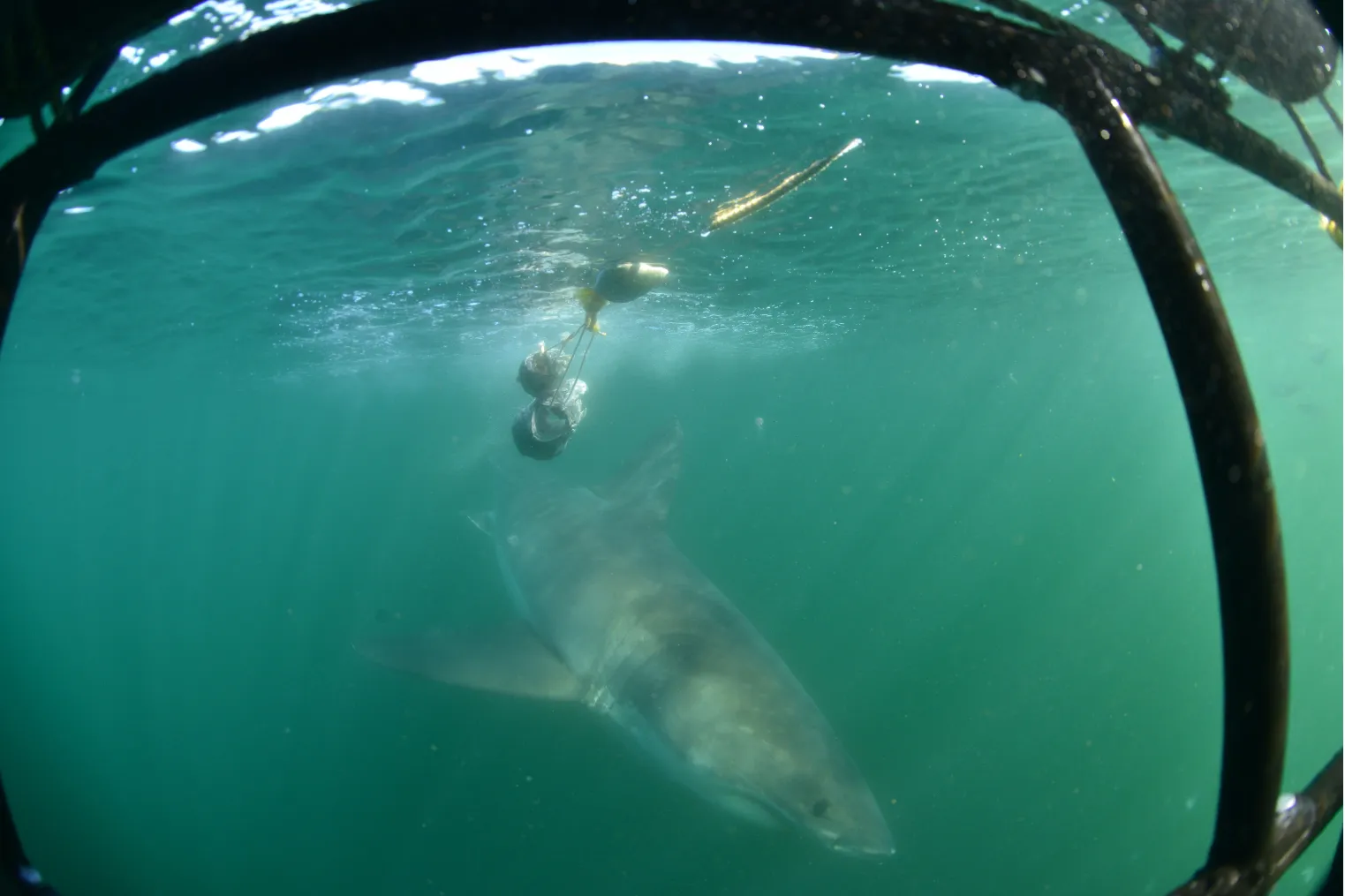
You step onto a North Shore boat in August and the ocean feels like warm glass at sunrise. You’ll hear the motor hum, smell salt on your towel, and watch the water shift from gray to blue as the sun lifts. The earliest 6 to 7 a.m. tours usually mean the calmest seas and the clearest views. But summer crowds fill spots fast, and you still have to pick cage or cageless… so what should you book?
Key Takeaways
- August has warm water and clearest visibility on the 6–7 a.m. tours; afternoons can turn windy and choppy.
- Expect a 2-hour trip total, with a 15-minute ride 3–4 miles offshore and about 45 minutes in the water.
- Choose cage diving for maximum comfort and a physical barrier; cageless requires strong swimming and a safety diver stays close.
- August is peak season; book 7–14 days ahead for mornings and 2–4 weeks for weekends and small-group trips.
- Plan logistics: check in 30 minutes early at Haleiwa’s Shark Shack; reserve Waikiki shuttle seats early if you need transport.
Oahu Shark Diving in August: Sea Conditions & Visibility
Because August usually brings warm water and lighter morning seas off Oahu, you’ll want to set your alarm and grab the earliest boat. August is part of calmer seas season, paired with warm water temps around Oahu.
August brings warm water and calmer mornings off Oahu, set your alarm and catch the earliest boat for the best conditions.
From Haleiwa Harbor on the North Shore of Oahu, morning tours often start at 6 a.m. in August, and you’ll feel the hull glide over softer swells. You’ll check in 30 minutes early, then head 3 to 4 miles offshore to the moored site.
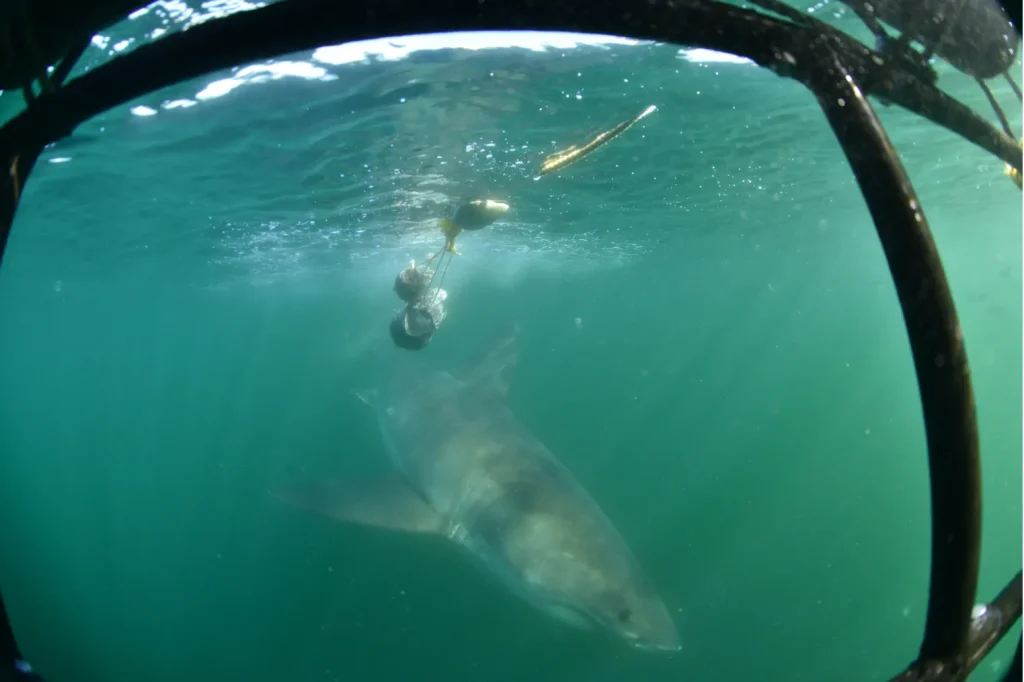
Out there, visibility can look like polished glass, with sunbeams cutting through clear blue.
That’s prime time for a Shark Cage Dive before wind and boat traffic rough up the surface and kick up particles. Afternoon trips can still run, but call first. If swells or currents spike, operators may cancel and refund tour fees, not transportation.
Cage vs. Cageless Shark Diving in Oahu (Who It’s For)
You’ve got two clear paths in Oahu’s August shark scene: a cage session with bars or plexiglass that feels like front-row seating, or a cageless snorkel where a safety diver stays close while you float in open blue.
Your choice comes down to safety and supervision, comfort on choppy seas, and whether seasickness or an infant before 9 a.m. is in the plan, plus the basics like check-in timing and group size.
Next, you’ll want to weigh ages and confidence in the water, then compare booking details and cost, including the cage option’s “see sharks or you don’t pay” promise.
Cage trips often suit first-timers and nervous swimmers because the physical barrier can make the experience feel more controlled and approachable.
Safety And Supervision
While the boat idles in the blue water off Oahu and the crew talks you through the rules, the big choice comes into focus: cage or cageless.
You’ll get a safety briefing, fit your mask and snorkel, and practice signals.
On a cage drop, you grip the bars and climb down the ladder into a steel frame for about 20 minutes with 7 or 8 people.
It suits age restrictions, often ages 3+. Crew monitoring keeps supervision constant.
Choose cageless and you’ll need strong swim skills and a higher minimum age, often 12+. An in‑water safety diver stays beside you and can steer sharks off with a calm hand.
Private trips often mean a smaller group size and more one-on-one attention from the crew during the briefing and in-water rotation.
Operators don’t chum. They offer guaranteed sightings or you don’t pay.
Bring ID at check-in.
Comfort, Seas, And Seasickness
After the briefing and the hand signals, the next thing you’ll notice is the ocean itself. On the North Shore, August mornings usually feel like glass, with a slap on the hull instead of a steady bounce.
This is also why pairing your dive day with one of the calm water North Shore beaches can make the whole outing feel easier and more relaxed.
As the day warms, wind builds and seasickness follows, so comfort is all about timing and setup.
- Pick the earliest morning tour for the smoothest ride.
- Sit mid-boat, nibble something plain, and take antiemetics early.
- Choose a cage dive if you want cushioned seating, canopies, and a stable platform between drops.
- Try a cageless shark dive only if you’re happy swimming in open water when chop shows up.
If you’re traveling with infants (0–2), crews keep it to before 9 a.m. for care.
Still comparing Shark Diving Oahu In August: Conditions, Crowds, And What To Book?
Ask for tour ideas, hotel suggestions, or a simple trip plan that combines both.
Trip Helper
Booking, Ages, And Cost
If August dates are already filling up, lock in your shark dive early for your dates and pick the format that fits your crew. In Oahu, Shark Cage Diving suits mixed ages and calmer nerves, while cageless deep-water snorkels usually start at 12+. Cage trips often take kids 3–13, and infants 0–2 ride free if you add them and choose a before 9 a.m. boat. Expect a quick check-in process before you head out on the boat ride. Expect August cost like these, plus tax, and bring ID for kamaʻāina or military rates or you must cancel the discount at check-in.
| Option | Ages | Typical price |
|---|---|---|
| Cage adult | 14+ | $112 special (was $140) |
| Cage child | 3–13 | $90 |
| Kamaʻāina or military | Adult | $105, child $85 with ID |
With 10+ adults, ask about group rates, but confirm 7–8 cage capacity.
Best Time for Oahu Shark Diving in August (Mornings)
Catching the first boat out of Haleiwa Harbor feels like slipping into Oahu’s quiet side before the trade winds wake up.
In August, morning tours matter because you’re chasing calmer seas and lighter wind. The ride out is often smoother, so your stomach stays happy and your snorkel time feels longer. Plan your timing like this:
- Grab the first tour at 6–7 a.m. for the softest water and the least chop.
- Arrive for check-in 30 minutes early, coffee in hand.
- Expect about 2 hours total, with 15 minutes each way and about 45 minutes in the water.
- Traveling with a tiny tagalong? Add infants before 9 a.m. only.
Mornings are generally the best time of day because conditions are typically calmer than afternoons as winds build.
You’ll hear lines hiss and seabirds call.
You’ll want to book early, then show up ready.
Booking Oahu Shark Dives in August: Crowds & Lead Time
August mornings off Haleiwa don’t stay quiet for long, and the booking calendar proves it.
August sits in peak season, so you’ll want to book at least 7–14 days ahead for morning tours, and 2–4 weeks for the popular weekends. For peak-season dates, book in advance to avoid getting stuck with only midday availability. The first boats can roll out at 6 a.m., with a salty breeze and sleepy harbor sounds, so plan on check-in 30 minutes early.
Choose your style up front. Small-group trips often cap around 6–8 guests, and cage vs. cageless spots don’t always match.
If you need Waikiki round-trip transportation, lock it in when you reserve because seats vanish fast. Traveling with an infant? Add them to the booking and aim for the earliest departures. You’ll thank yourself when the dock line starts forming.
Oahu Shark Diving Costs: Ages, Discounts, & Tax
While the boat hums out of Haleiwa and the sun starts to warm the rail, it helps to know what you’ll pay before you step onto the dock. For Oahu Shark Diving, your total depends on age, ID, and tax.
- Online Special: adults 14+ pay $112 (20% off $140). Kids 3–13 pay $90.
- Kamaaina or military discount: adults 14+ pay $105. Kids pay $85. Show one valid ID and it covers your party.
- infants free: ages 0–2 ride free, but you must add them to your booking. They’re only allowed on departures before 9 a.m.
- student discounts and group rates: bring a school ID for one discount per ID. Ten or more adults qualifies; charters are available too. Prices exclude tax and add-ons.
What to Bring, Meeting Point, Transport, & Cancellations
You’ll want swimwear, a towel, a change of clothes, plus a hat and sunglasses for that bright Haleiwa morning glare, and toss eco-friendly sunscreen and a few snacks in your backpack while the boat covers cold water and basic gear.
You’ll check in at the Shark Shack at 66-105 Haleiwa Rd about 30 minutes early, and with summer tours starting around 6 a.m., your alarm’s going to earn its paycheck.
If you’d rather skip the logistics, some of the easiest options include shark dive tours with hotel pickup in Oahu.
If you’re coming from Waikiki you can book round-trip transport for $75 plus tax, and you’ll also want to know the 24-hour cancellation window and the infant and pickup limits before you lock it all in.
What To Bring
Before you step onto the boat with salt in the air and the North Shore waking up around you, pack the basics that keep the morning easy.
You’ll want swimwear under your clothes and a towel that won’t mind sand.
Toss in a dry change of clothes for the ride back and a light hat and sunglasses for the bright water glare.
- Eco-friendly sunscreen and a small backpack
- Snacks and a still or video camera
- Your own mask if you’re picky, but a mask and snorkel come provided
- Optional fins if you like extra push
Bring a waterproof phone case and leave jewelry behind.
Plan to check in at the Shark Shack, and sort transportation ahead of time so you’re not sprinting at dawn.
Most Oahu shark dives leave from North Shore harbors or nearby boat ramps, so confirm your exact departure point before you go.
Meeting Point And Check-In
Pull up to the Shark Shack at 66-105 Haleiwa Rd and check in 30 minutes before your tour so the crew can keep the charter clock moving.
You’ll hear trucks roll by and smell salt in the air while staff confirm your waiver and time slot. Late arrivals can’t be squeezed in because charter schedules are tight and the boat leaves on the dot.
Pack swimwear, a towel, and dry clothes for the ride back.
Add a hat, sunglasses, and eco-friendly sunscreen, plus snacks and a small backpack.
Bring a still or video camera if you want that first splash shot. Masks and snorkels are provided, though your own set is welcome.
If you’re using waikiki transportation, confirm your pickup instructions ahead of time.
If you’re skipping a rental car, plan your arrival using public transit or a rideshare to Haleiwa so you’re not rushed at check-in.
Transport And Cancellations
On a North Shore morning that smells like salt and sun-warmed pavement, getting the logistics right makes the whole shark dive feel effortless. Pack light but smart, because you’ll be damp and salty fast.
- Swimwear, towel, and dry clothes for the ride back.
- Hat, sunglasses, and eco-friendly sunscreen for the dock glare.
- Snacks, water, and a camera for that “did that just happen?” moment.
- Your own mask if you’re picky, though gear is provided.
If you’re staying in town, Waikiki round-trip transportation costs 75 per person with pickup starting ~5:45 a.m and return around 2 p.m. The shuttle can’t accommodate infants and can’t pick up at Kahala or shore hotels. If you’re not using the shuttle, bus and rideshare can also get you to the North Shore, depending on where you’re staying and your start time.
For plans that shift, cancellations 24+ hours full refund. Big groups need 72 hours.
Frequently Asked Questions
What Shark Species Are Most Commonly Seen off Oahu in August?
You’ll most often see Galapagos sharks and sandbars off Oahu in August, including Juvenile Galapagos. You might spot Tiger sharks; Silky sharks rarely. Hammerhead sightings happen. Whitetip reef and Blacktip sharks show up occasionally offshore.
Is It Safe to Shark Dive if I’M Pregnant or Trying to Conceive?
Hear ye: you shouldn’t shark dive pregnant or trying to conceive without prenatal clearance; jolts raise pregnancy risks and threaten fetal safety. Weigh hormone effects, anesthesia concerns, infection risk, and follow fall precautions with OB.
Can I Shark Dive With a Recent Ear Infection or After Ear Surgery?
You shouldn’t shark dive until you’ve finished antibiotic timeline, passed a hearing check, and gotten ENT clearance. Follow post op precautions: manage pressure equalization, protect scar tissue with waterproof dressings, and abort if pain starts.
Are Gopros and Professional Cameras Allowed, and Are There Filming Rules?
You can bring GoPros and pro cameras; the camera policy allows them with waterproof housings. Ask about drone restrictions, flash usage, and tripod rules. For commercial filming, you’ll need operator permits and crew approval first.
Will I Need Motion-Sickness Medication, and Which Options Work Best?
You might need motion sickness meds, seas can surprise you. Follow prevention tips: medication timing advice (meclizine/Dramamine 1–2h). Ginger remedies’ effectiveness varies. Consider prescription options comparison (scopolamine) with side effect considerations; use nonpharmacologic strategies; child-friendly dosing.
Conclusion
August on Oahu is made for shark diving if you play it smart. Book the 6 to 7 a.m. trip and you’ll slip into warm, clear water before the wind roughs it up. You’ll hear the boat idle, taste salt on your lips, and watch sleek shadows glide past. Worried about crowds? Reserve 1 to 2 weeks out or go private and keep it calm. Show up 30 minutes early.


