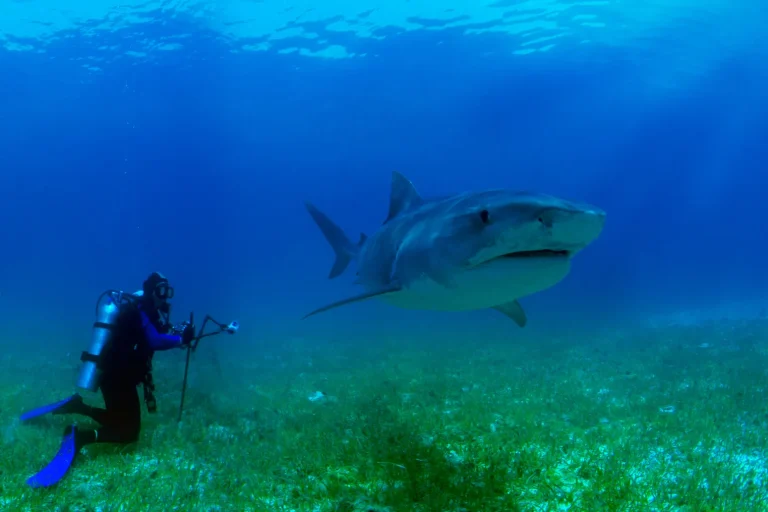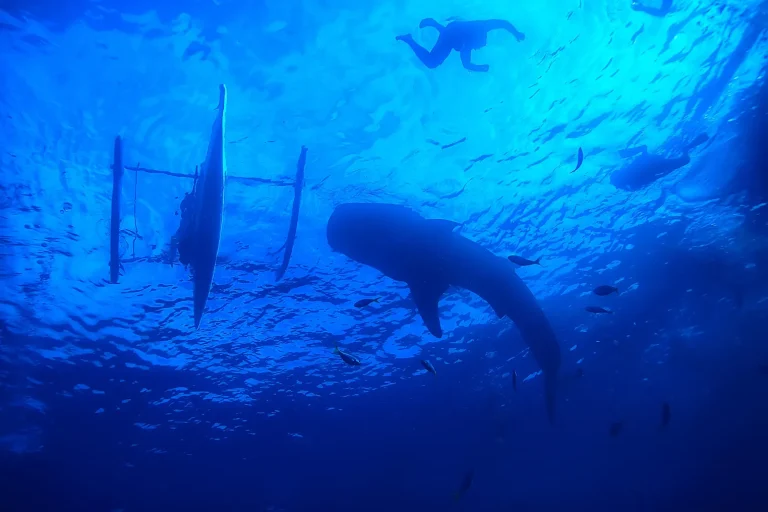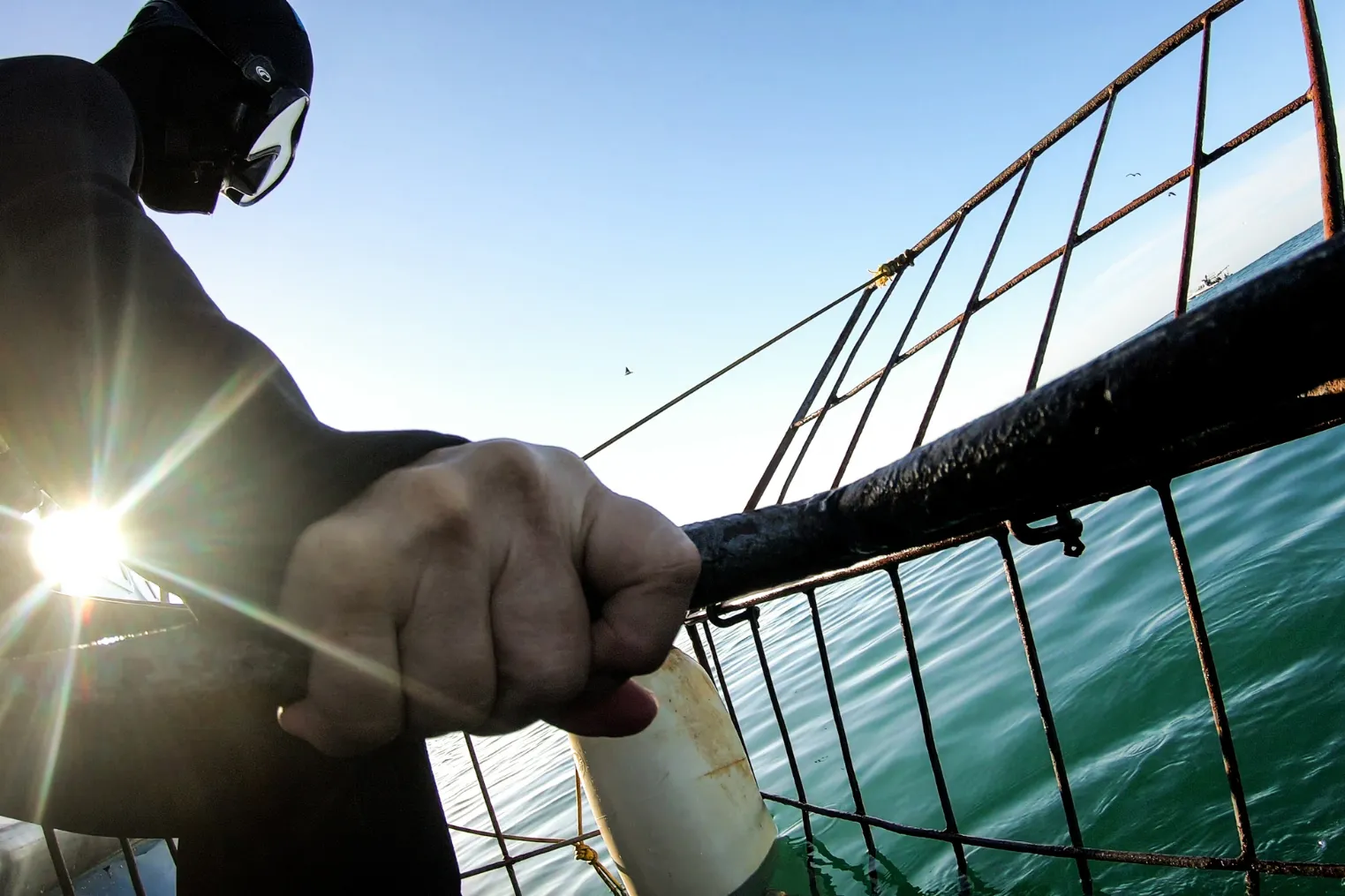
Funny coincidence, you picked July, which lines up with Oahu’s smoothest shark dives. You’ll slide into 78–81°F water, hear the cage clink, and watch sunlight cut through 30–60 feet of blue. Mornings stay glassy with 1–4 foot swells, but those 5:45–9:00 slots vanish fast. You can choose cage for easy views or go cageless if you’re solid in the water. Now the real question is which time and tour fits you best…
Key Takeaways
- July on Oahu usually brings calm seas, warm 78–81°F water, and clear 30–60+ ft visibility, making dives smoother and more comfortable.
- Book the earliest 6–7 a.m. departure for glassier water, better photos, and less seasickness as trade winds often build after 9 a.m.
- Choose cage diving for easy, stable viewing with rail-holding; pick cageless only if you’re a confident snorkeler comfortable in open water.
- Expect 1.5–2 hours total with about 20–45 minutes in water; operators typically guarantee shark sightings or comp/refund.
- July fills fast, especially weekends; reserve online early, check in 30 minutes before departure, and bring towel, water, and your own mask if picky.
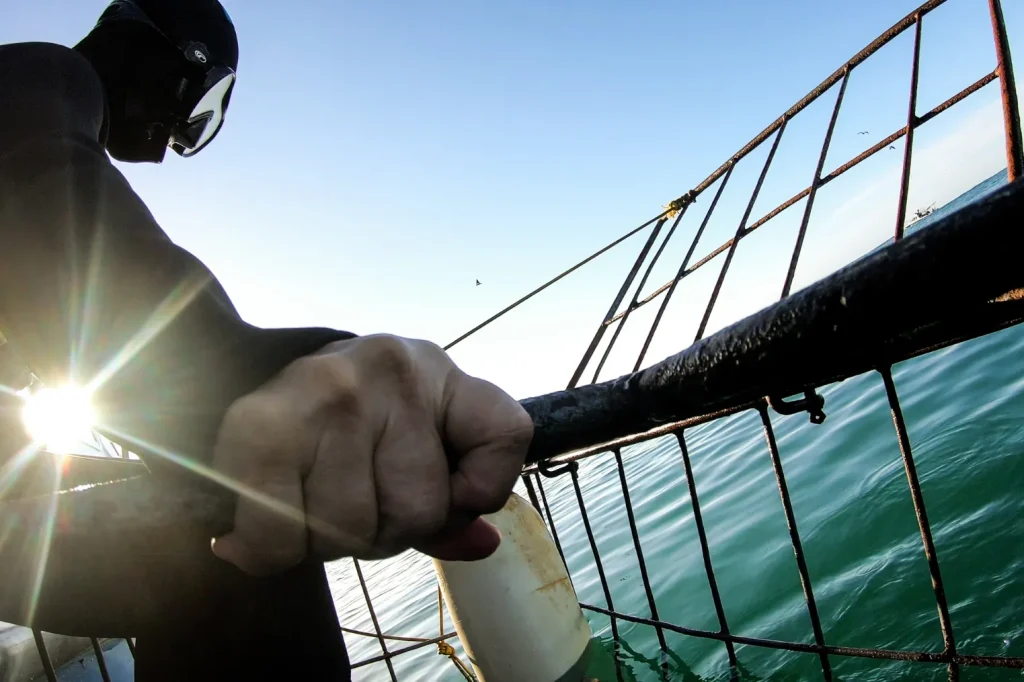
Is July a Good Time for Shark Diving on Oahu?
If you’re eyeing shark diving on Oahu in July, you’ve picked one of the smoothest windows of the year.
July on Oahu is one of the smoothest times to shark dive, easy rides, clear water, and calm conditions.
You’ll notice the ride feels easy early, and the visibility often lets you spot gray shapes long before they reach the boat.
July brings calm seas and warm waters, which can make the whole experience feel more comfortable from the ride out to your time in the water.
Choose morning tours. Many boats push off around 6 a.m., when the harbor’s still sleepy and the coffee’s doing the steering.
July dates fill fast, so lock in your spot early. You can snag online specials like $112 adults for Cage Divers, or use kamaʻāina or military rates with valid ID.
Expect 1.5 to 2 hours total and 20 to 45 minutes in the water, whether you’re set on cageless shark diving or a cage. Sharks are guaranteed.
Check in 30 minutes early.
July Ocean Conditions: Temp, Visibility, Swell
In July around Oʻahu, you’ll feel bath-warm water at about 78–81°F, so a light wetsuit or even a rash guard usually keeps you comfy.
You can often see 30–60+ feet on the North Shore, especially on those early mornings when the surface looks like smooth glass and the ocean stays quiet.
On shark dives, underwater visibility can swing with wind, swell, and recent rain runoff, so some days will be clearer than others even in July.
Summer swell tends to sit around 1–4 feet, but trade winds can ruffle things after lunch, so a 6–7 a.m. departure gives you the steadiest ride and the clearest view.
Water Temperature In July
Most July mornings off Oʻahu feel like slipping into a warm, blue pool, with ocean temps hovering around 78–80°F (26–27°C).
That Average ocean surface temperature means you can usually jump in with a swimsuit or light wetsuit and a rashguard, then focus on the sharks not your shivers.
You’ll notice the water feels silky on your face and your breaths sound loud in the snorkel at first, then settle into a steady rhythm.
If trade winds pick up later, the surface can get bumpy, so many crews push morning trips for the smoothest ride.
At check-in they’ll update you on visibility offshore and any current, because conditions can flip fast.
Expect bigger summer crowds compared to quieter months, so booking ahead helps you lock in the best departure times.
Bring a towel, water, and a little respect for the sea out here too.
Visibility And Summer Swell
While July keeps Oʻahu’s North Shore feeling mellow, the water often looks like polished glass and you can see 30 to 60 feet or more once you drop below the surface. That’s classic visibility in July, helped by calmer seas and less runoff. On the North Shore of Oahu, the summer swell usually stays under 3 to 4 feet, so the ride out feels like a soft purr, not a roller coaster. July also lines up with peak summer visibility on many North Shore runs, which is why early departures tend to deliver the clearest water and cleanest light.
| Condition | What you notice | Best move |
|---|---|---|
| Visibility | Blue lanes and crisp shark outlines | Book the earliest slot |
| Swell and wind | Light chop grows later | Take a 6 a.m. morning trip |
Trades or a stray swell can still blur the top layer. Check morning reports and go early for clearest photos and calm.
Still comparing Shark Diving Oahu In July: Conditions, Crowds, And What To Book?
Ask for tour ideas, hotel suggestions, or a simple trip plan that combines both.
Trip Helper
Morning vs Afternoon: Wind, Bumps, Visibility
If you book a 6–7 a.m. tour in July, you’ll usually get the smoothest ride, cooler air, and the clearest blue water before the trade winds wake up.
Wait until afternoon and the wind often roughs up the surface, the boat bumps more, and the underwater view can turn a bit hazy like someone shook the ocean.
On the North Shore, July’s trade winds typically strengthen later in the day, which is why mornings so often feel calmer and clearer offshore.
Since you check in 30 minutes early and spend about 45 minutes in the water on a 1.5-hour trip, grabbing the earliest slot stacks the odds in your favor and helps your stomach stay friendly.
Early Morning Calmer Seas
In July on Oahu, you’ll often feel the ocean at its calmest right after sunrise, which is why the first boats out around 6 a.m. are the ones locals quietly swear by. Book an early morning run from Haleiwa Harbor and you’ll hear softer engine hum over quieter water. Smaller swell keeps your footing sure and your camera steadier. If you’re prone to seasickness or bringing an infant, grab the earliest slot and check in 30 minutes early for the best seats. Calmer seas also boost visibility for snorkeling and cageless encounters, so sharks and blue water pop like fresh glass. Before you lock in a departure time, skim the 5-day hourly forecast for Oʻahu since it’s designed to capture nearshore wind-and-wave changes.
| What you notice | Why it helps |
|---|---|
| Glassy surface | Steadier ride |
| Lighter wind | Less seasickness |
| Clearer water | Better shark views |
Bring a light jacket.
Afternoon Trade Wind Chop
Morning glass doesn’t last all day off the North Shore, and July likes to prove it after lunch. By early afternoon the trade winds often wake up and ruffle the surface into quick little bumps. Your ride out can feel louder and wetter, with spray on the rails and the boat doing a steady bob. That extra chop means more swing at the ladder and a higher chance you’ll wish you’d packed ginger chews.
Plan extra time for Waikiki to Oahu transportation so you’re not rushing to meet an early North Shore departure.
If you want the smoothest setup, book morning shark dives that leave around 6–7 a.m. Crews chase those calm windows for comfort and easier close looks. Stuck with afternoon tours? Call or email the operator. They’ll steer you to the best slot based on the day’s wind forecast out there.
Visibility Shifts By Time
Because July trade winds tend to build as the day goes on, the water off Oahu’s North Shore can look like two different oceans depending on your tour time.
On morning tours, a 6 a.m. start often means lighter offshore wind, calmer seas, and glassier surface texture. You hear less slap on the hull and see farther into the blue, so visibility feels like someone wiped the window clean.
Afternoons usually bring more wind and chop. That wind-driven texture is often wind chop, which can feel rougher than longer-period swell and also makes the surface scatter light. The surface turns pebbly and visibility can drop fast.
The trip takes about 1.5 hours total, with check in 30 minutes early and a 15 minute ride out, so book the earliest available. If you must go later, email ahead for the best pick based on that day.
Best July Time Slots to Book (Comfort First)
Usually, the smoothest shark plunge in Oahu’s July lineup starts with an early alarm and a 6 a.m. departure.
Catch Oahu’s smoothest July shark plunge by setting an early alarm for the 6 a.m. departure.
The first tour starts at 6 a.m.. You’ll glide out as the sea looks glassy and the boat hum beats the wind. Plan for check-in required 30 minutes before departure, then sip coffee and watch dawn brighten the swells with cool salt spray on skin. This early slot is often called a Sunrise Shark Dive for its calm, first-light ocean feel.
After 9 a.m., trade winds often build and the ride turns bouncy.
From Waikiki, reserve the round-trip shuttle for the 5:45 a.m. pickup and expect to return around 2 p.m. Book online early, especially weekends, since boats cap at 6 to 8 guests.
Traveling with an infant? Add them to your reservation and stay before 9 a.m. for time to enjoy.
Cage vs Cageless in July: Which Should You Choose?
You’ve set that early July alarm for the smoothest ride, so now comes the fun choice: cage or cageless. With 6 a.m. morning departures, the ocean often feels glassier and the boat thumps less, which matters if you hate nausea. If you’re weighing comfort versus connection, a cage-free experience typically means small-group snorkeling alongside safety divers rather than holding rails.
| Option | What you do | July vibe |
|---|---|---|
| Cage Dive | Hold rails, no swimming, up to three 20-minute drops | Close views, steady comfort |
| Cageless Shark Dive | Snorkel beside safety divers in small groups | Quiet, intimate, more effort |
Pick the cage if you want easy entry and repeat looks at sleek backs sliding by. Choose cageless if you’re a confident snorkeler who wants guided tips, eye contact, and that fizz of open water. Both usually promise sharks or you don’t pay. Bring your own mask if picky.
Family Rules: Kids, Infants, and Age Minimums
If you’re bringing the whole crew to the North Shore in July, a few age rules can make the morning feel as smooth as the water at dawn.
For cage dives, children ages 3–13 pay the $90 child rate, and teens 14+ count as adults. Cageless trips often have stricter age minimums, usually 12–14, so check before you promise anyone a splashy story. Many family-friendly operators emphasize cage dive safety with calm briefings and crew support geared to first-timers. Bring kamaʻāina or military ID for discounts; one card can cover the whole party.
Traveling with infants (age 0–2)? Add them to your reservation even though they’re free, and book a departure before 9:00 a.m. After 9, they can’t ride along for safety and nausea. Plan to check in 30 minutes early. Minors need a parent/legal guardian or a signed waiver.
What Sharks You’ll See in July (and How Close)
In July off Oahu, you’ll most often spot Galapagos sharks at 5 to 15 feet and sandbar sharks around 5 to 8 feet, with the occasional tiger shark pushing 15 to 16 feet and stealing the scene.
In warm clear water, they glide in close and sometimes pass within inches of the cage or your mask, close enough to hear your own breathing get loud.
Galapagos sharks are often recognized by their tall, slightly rounded dorsal fin and broad pectoral fins, key identification markers in Oahu waters.
Book the earliest boat around 6 a.m. and you’ll usually get calmer seas and longer, closer passes that make your photos feel almost too easy.
July Shark Species
While July’s summer seas smooth out around Oahu, the shark lineup gets extra fun and a little closer than most people expect.
You’ll meet sharks in their natural blue water, drawn in by the boat’s motor hum instead of chum.
The main shark species you’ll spot are Galapagos sharks, usually 5 to 10 feet, plus Sandbar sharks that can reach about 8 feet.
Every so often a Tiger Shark cruises through, and those can push 15 or 16 feet, which makes your heartbeat sound loud in your hood.
If you’re lucky, you may even catch a glimpse of hammerhead sharks, though sightings around Hawaii tend to be seasonal.
Clearer visibility in July helps you pick out more than fins.
You might also see tuna, mahi mahi, and even dolphins.
Tours run about 1.5 to 2 hours and they’ll comp you if sharks don’t show.
Typical Encounter Distance
Slip off the boat and you’ll realize fast that July shark encounters off Oahu aren’t a distant fin show, they’re a close-up.
Most days you’ll meet Galapagos and Sandbar sharks, 5 to 15 feet long, and operators back it with 100% sightings. Your typical encounter distance sits around 0–2 meters, and sometimes a nose drifts within inches of the bars during cage dives. This matches realistic expectations for how close sharks can get on Oahu dives, especially when they circle the cage. Go early, even 6 a.m., and calmer water plus light can stretch the viewing time. You won’t smell chum. You’ll hear the motor hum and watch tuna and mahi mahi flash by.
- Watch your safety diver set spacing.
- Expect three 20-minute cage drops.
- Snorkel trips give 45 supervised minutes.
- Keep your camera ready and your fingers in.
Close-Pass Behavior
Most July mornings off Oahu, the first thing you notice is how quickly the sharks commit to a close look. You’ll meet pelagic sharks like Galapagos and Sandbar sharks, often 5 to 15 feet, plus the occasional Tiger. On this operator’s runs, sightings are 100% guaranteed, and the motor’s growl can sound like crabbing boats. That noise pulls them in to inspect the cage or snorkel line, sometimes sliding within inches.
If you’re deciding between cage-free and cage shark diving on Oahu, that close-pass intensity is a key difference in what you’ll feel in the water.
Before Shark Cage Diving, you get a safety briefing. Safety divers hold a 2 to 3 meter distance and redirect without bait.
You can get up to three 20 minute cage drops in 1.5 to 2 hours, so close-pass behavior feels routine. Book the 6 to 7 a.m. trip for smoother water.
What the Tour Is Like: Boat Ride, Cage Drops, Time
How does a shark dive tour in Oahu actually unfold once you show up? You’ll check in at Haleiwa Harbor about 30 minutes early, then hop on the boat for a 15 minute ride to the moored cage. July mornings feel freshest, and the first Shark Diving Tours often leave at 6 a.m. for smoother water and less bobbing. The whole experience follows a clear rhythm from check-in through the boat ride.
Check in at Haleiwa Harbor 30 minutes early, then a 15-minute ride, July’s 6 a.m. departures mean calmer, smoother water.
- You cruise out past the surf line and watch the water shift from jade to deep blue.
- The crew sets the cage and you line up with up to seven other guests.
- Expect up to three cage drops, about 20 minutes each, so you get face time to see sharks.
- Ride back takes 15 minutes, and you’re done in two hours.
Safety Briefing + Shark-Sighting Guarantee
Before you even feel the boat rock at Haleiwa Harbor, you’ll sit through a quick, mandatory safety briefing about 30 minutes before departure.
You’ll learn hand signals, exit procedures, and how to position yourself in the cage when a fin slides by.
Masks and snorkels are provided, and you’ll get motion sickness tips plus the rule that infants only join trips before 9 a.m.
Once offshore, trained safety divers and marine biologists enter first and exit last.
Crew stay close in the water to assist and keep interactions steady.
The briefing also covers proper spacing and the core rules for staying calm and keeping everyone safe around the cage.
The approach stays non‑invasive with no chumming relying on noise.
Sharks cruise 5 to 15 feet long, sometimes inches away.
There’s a shark-sighting guarantee so if you don’t see sharks you won’t be charged.
July Pricing + Discounts (Kamaʻāina, Military, Groups)
If you’re booking a shark cage dive off Oahu in July, the price picture stays simple and you can still snag a few solid discounts.
- Online special: adults 14+ run $112 after 20% off the $140 base, and kids 3–13 are $90.
- Kamaʻāina or military rates drop adults to $105 and kids to $85, but you’ve got to show valid Hawaii ID or military ID to the crew.
- Bringing a baby? Ages 0–2 ride free only on tours before 9 a.m., and you must add them to your reservation.
- Groups matter: 10+ adults in the cage open group pricing; nine or fewer get discounted retail.
Tax isn’t included. Student discounts need a school ID. Charter rates come by request. Your ticket generally covers shark cage dive essentials like the boat ride and the cage setup, so most add-ons are optional.
What to Bring for a July Oahu Shark Dive
Although July often greets you with bright skies and warm water off Oahu, the boat ride out to shark country can still feel bouncy, salty, and loud in the best way. Pack motion help like Dramamine the night before and 1 hour before boarding. Eat a light, bland meal and sip water (avoid alcohol and greasy foods) to support seasickness prevention before you head out. Bring biodegradable reef-safe sunscreen since it’s required, plus a hat, sunglasses, bring towels, and a dry change of clothes.
July off Oahu is sunny and warm, but the ride can be bouncy, pack Dramamine, reef-safe sunscreen, towels, and dry clothes.
Wear swimwear and consider a rash guard or thin wetsuit for sun and stray jellyfish. Masks and snorkels are provided, so fins aren’t needed.
Still jot down bring towels,drinking water,reef-safe sunscreen,snorkeling gear on your list. Bring a waterproof GoPro, but some boats limit handheld cameras.
Using Waikiki transport? Pack snacks, water, ID for discounts, and check in 30 minutes early.
Frequently Asked Questions
Do I Need to Know How to Swim for a Shark Cage Tour?
You usually don’t need to know how to swim for a shark cage tour; it’s no swimming. You’ll get a shoreside briefing, and crew assist dependent participants. Ask about floatation options and limits before booking.
Can I Wear Contact Lenses or Glasses During the Dive?
Yes, you can wear contact lenses or glasses, Odysseus, but you’ll do best with contact lenses under a mask or a prescription mask. Skip loose frames, pack backup glasses, and practice post dive hygiene after rinsing.
Are Seasickness Medications Recommended for the Ride Out?
Yes, you’ll benefit from seasickness meds for the ride out if you’re prone to motion sickness. Ask about prescription alternatives, follow timing dosage, and pair them with non pharmacologic remedies like ginger and looking at horizons.
Is Sunscreen Allowed, or Do I Need Reef-Safe Alternatives?
Yes, you can wear sunscreen, but you’ll protect the turquoise water with reef safe sunscreens. Choose chemical ingredient alternatives or natural oil options, and follow application timing tips: apply 20 minutes before boarding, reapply sparingly.
Can I Bring My Own Gopro, and Are There Camera Restrictions?
Yes, you can bring your own GoPro, but you’ll follow camera gear guidelines, sign liability waivers, and obey mounting rules. Use wrist or hand mounts only, avoid poles, and secure waterproof housings before entering water.
Conclusion
July on Oahu makes shark diving feel easy. You slip into 78 to 81°F water and watch sunbeams cut through 30 to 60+ feet of blue. The cage drops with a soft clank, the boat rocks lightly, and you hear your own breath loud in your snorkel. Book a morning slot and you’ll likely beat the wind. Most tours report shark sightings on nearly every trip, so your odds feel real. Bring sunscreen and a towel.