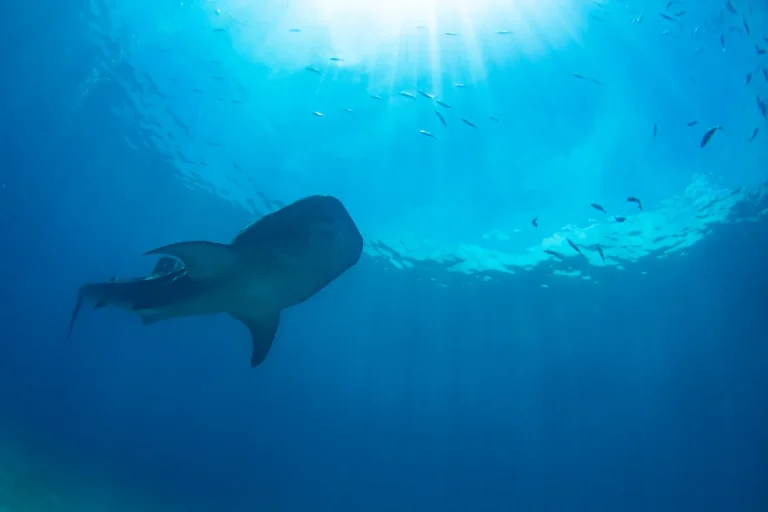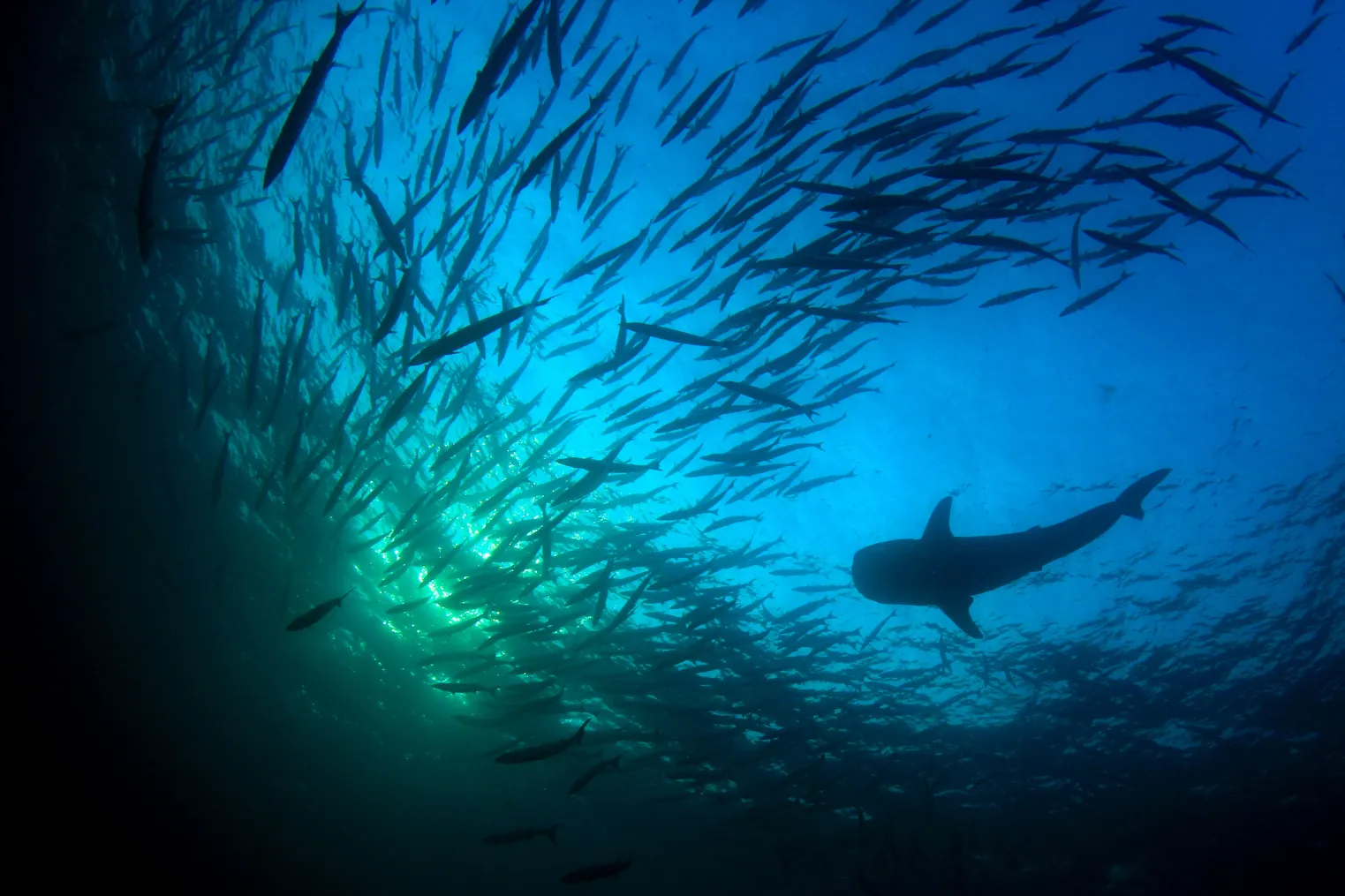
The first time you drop into an Oahu shark cage, it feels like stepping into an elevator with ocean views and teeth outside the glass. You boat out from Haleiwa Harbor and taste salt in the wind while the crew talks you through the plan. You don’t need scuba skills and you can keep your time in the water short. Still, motion sickness is real and the photo window gets crowded fast. So who should book this, and who should skip it?
Key Takeaways
- Cage dives from Haleiwa Harbor use steel cages, safety briefings, and divers to keep sharks out while you snorkel with flotation gear.
- Pros: close shark views, calmer pacing in small groups (6–8 per cage), and minimal swimming skill needed versus open-water swims.
- Cons: short in-water windows (~20 minutes), potential seasickness, and photos often have cage bars or splashes; visibility drops after heavy rain.
- Best for: first-timers, families, non-swimmers, and anyone wanting a controlled experience; call ahead for mobility, panic, or ladder concerns.
- Book smart: choose early-morning calm days, compare inclusions (gear, photos, Waikiki pickup), expect $100–$150, and pick open-water only if strong snorkeler.
Is Oahu Shark Cage Diving Actually Safe?
While sharks will always keep you humble, cage diving on Oahu is generally set up to feel controlled and straightforward.
This Shark Cage Diving trip starts at Haleiwa Boat Harbor. You hear the crew give a briefing, then slip into a floating cage that keeps teeth outside. Most tours carry life jackets and oxygen, and reputable outfits like North Shore Shark Adventures, Hawaii Shark Encounters, and Haleiwa Shark Tours keep groups small so eyes stay on you. The pre-dive talk also covers hand signals and spacing rules so everyone knows how to communicate and stay positioned safely.
You still need common-sense safety tips for shark diving in Oahu. Stay inside the cage or marked area, move slow, don’t touch or feed anything, and follow the 3 meter rule if you’re ever outside.
Book calm mornings and light-wind days for smoother water and steady views.
Cage Dive or Open-Water Swim in Oahu: What’s Better?
If you’re trying to choose between a shark cage dive and an open-water swim on Oahu, you’re really picking your comfort level and your kind of adventure.
With Cage Diving, most trips leave Haleiwa Harbor, run about two hours, and give you roughly 20 minutes in the cage with 6 to 8 guests. You grip bars, hear bubbles and boat slap, salt spray, and watch sharks cruise past like calm torpedoes.
Go Open-water if you want surround-sound ocean. Guided swims put you in for about 40 minutes with safety divers, and your photos can be cleaner with no metal in the frame.
Both styles start with a briefing and a strict no touching, no feeding rule. From check-in to the ride out, your operator will walk you through boat safety basics before you ever see a fin. Choose the cage for steadier vibes at sea.
Do You Need to Swim or Be Scuba-Certified?
You don’t need strong swimming skills for most Oahu cage shark tours, since you stay inside a floating or shallow cage and the crew helps you on and off the boat while the ocean slaps the hull. Many tours also provide floatation devices so non-swimmers can stay comfortable and secure while watching from the cage.
You usually don’t need scuba certification either because operators hand you snorkel gear and keep the action near the surface where you can watch fins glide through blue water.
If you’re hoping to pop out for a quick photo or book a rare scuba option, check the tour page first because some trips ask for basic water comfort and proof of certification.
Swimming Ability Requirements
Because the shark cage stays right by the boat, most Oahu cage shark diving tours don’t require scuba certification. You’ll usually float at the surface or hold onto the bars while the crew watches from a few feet away. Still, basic swimming ability helps. You may need to step down ladder rungs, time your entry with a wave, and climb back up with saltwater dripping off your mask.
On a typical 2-hour trip, you spend about 20 minutes in the cage, so you won’t need long stamina. Many outfits welcome kids and even nervous non-swimmers, but you’ll wear a life jacket and follow instructions. Some operators also offer cage-free shark diving experiences in Oahu, which typically require stronger snorkeling skills and comfort in open water. For Cage Diving vs open-water Swimming with Sharks, choose the cage unless you’re a confident snorkeler in choppy morning swells.
Scuba Certification Not Needed
Most Oahu cage shark tours keep things simple once you’ve got the ladder and the swell figured out. You don’t need a tank card for cage shark diving because you stay at the surface in a steel cage, breathing air between looks or using a snorkel. The crew hands you a mask, snorkel, and life jacket, plus a wetsuit or rash guard if the wind bites. Private trips can also offer more flexibility in timing and group size, which is a big perk of an Oahu private charter.
That said, you still need to listen, grip the rungs, and climb in and out on your own. If water panic or limited mobility is an issue, call ahead. Many boats welcome non swimmers and kids as young as five. For cage free trips you must swim confidently. For classic Oahu Cage Shark Diving, scuba certification not needed.
Where North Shore Cage Dives Depart (Haleiwa Harbor)
Just beyond the iconic Haleiwa (Anahulu) Bridge, Haleiwa Boat Harbor sets the scene for North Shore cage dives with salty air, creaking dock lines, and boats idling in the morning light. You’ll meet your captain at the Haleiwa Harbor check-in, or snag a hotel pickup if your operator offers it. Either way, you’re in the historic surf town of Haleiwa, about 45 minutes from Honolulu International Airport. If you’re traveling without a rental car, you can still reach the harbor using public transit and ride services into Haleiwa.
Parking is free and plentiful, and you can roll in easily from the two main roads into town. After a safety briefing, you’ll board for a two-hour shark diving tour that heads several miles offshore. The ocean can get bouncy on the way out, so pack ginger chews or patches if you’re prone to queasy laughs.
What the Oahu Cage-Dive Experience Is Like
Once you step off the dock at Haleiwa Boat Harbor, the whole cage-dive routine clicks into place fast. You meet the crew, hear a tight safety talk, and gear up with a life jacket and mask.
The Haleiwa Shark boat points north and the ride can slap and spray, so take your seasick meds and hold your camera. Before you commit, use a quick operator checklist to confirm safety practices, group size, and what’s included. After about two hours total, you’ll spend roughly 20 minutes in the floating or submerged cage. Safety divers steady it and keep you spaced out, no touching and no feeding.
Underwater, bubbles hiss and the cage bars feel cool in your hands. Between turns, you watch, learn, and swap photos. Even quick shark diving experiences feel vivid, even when Galapagos and sandbar sharks just cruise by.
Which Sharks You’ll Likely See (Galapagos, Sandbar, More)
Often, the first shadow you’ll spot sliding past the cage belongs to a Galapagos shark, big-bodied and calm as it circles in to inspect the bait line.
Often, the first shadow past the cage is a Galapagos shark, big-bodied, calm, circling in to inspect the bait line.
You’ll see its slate back roll close, then vanish into blue.
On many North Shore trips, Galapagos sharks return in a steady loop while Sandbar sharks join the scene, their tall dorsal fins slicing the surface near the boat.
Gray reef sharks may dart in fast, like they’ve got errands.
You might glimpse hammerhead sharks farther out, that odd T-shaped head giving them away, but sightings stay hit or miss.
Some days a tiger shark cruises through too.
Depending on the day, you may also spot green sea turtles or spinner dolphins passing through the area.
Before you drop in, the crew tells you which species they’re seeing and how to keep your hands tucked.
Best Time of Day and Ocean Conditions to Expect
Shark lists are fun, but your best sightings still depend on when you hit the water and what the ocean feels like that day. For a Shark Dive on Oahu, book early mornings at first light. You’ll often get calmer seas, a quieter boat ride, and better odds of a tiger shark cruising in close. This is why the best time of day for shark diving on Oahu is usually the morning rather than the afternoon.
Aim for light wind days with low swell. The cage dips smoother. The horizon stays steadier. Visibility sharpens so you can see gray backs slide past. Skip trips right after heavy rain. Runoff can cloud the water and dull the action.
Peak tiger season runs now through November, so those months usually pay off. Check the forecast for gentle trade winds, and plan for a two-hour loop.
What People Love About Oahu Shark Cage Dives
You love how close it feels while still staying safe, because a steel cage and a calm crew let you watch Galapagos and sandbar sharks glide past without any touching or fuss.
You start from Haleiwa Boat Harbor and head into that big North Shore blue where the boat hums and salt spray hits your face, then you get about 20 minutes in the water with sharks cruising like they own the place.
You also like the simple setup, about two hours total, small groups, quick safety tips, and a price that usually lands around $100 to $150, so it feels like a real adventure without a whole-day commitment.
If you want the easiest logistics, some operators offer hotel pickup for shark dives in Oahu.
Safe, Close-Up Encounters
Step aboard at Haleiwa Boat Harbor, then head out into open blue where the shoreline shrinks and the mood shifts to pure curiosity.
In two hours you’ll get a turn for Cage diving, with 20 minutes in a submerged metal or floating cage. You slip on the provided mask and fins, hear a safety briefing, then grip the bars as bubbles hiss past.
With 6 to 8 people per cage, you trade wide eyes and small laughs while Galapagos and sandbar sharks cruise by. Smaller groups also mean capacity matters for comfort, clearer views, and a calmer pace on Oahu.
Sometimes a tiger or reef shark slides into view.
Reputable crews on Oahu’s North use life jackets, rescue systems, and handlers, so Shark encounters feel close, not chaotic.
You’ll also hear notes on behavior and conservation.
Expect $100 to $150.
North Shore Ocean Adventure
Once the boat pulls away from Haleiwa Boat Harbor, the North Shore feels wilder by the minute. Salt spray hits your face and the coastline shrinks to green cliffs and surf noise.
Your North Shore Ocean Adventure lasts about two hours, but the highlight is the 20 minutes you spend in a submerged cage, peering into blue water like a living window.
Small-group Shark Tours keep it personal, usually 6 to 8 guests, with a captain and safety divers watching every move. You’ll likely spot Galapagos and sandbar sharks, and in peak season through November you might meet a tiger.
Briefings cover behavior and reef life, and rules are simple: no touching, no feeding. Photos and hotel pickup make it easy for first-timers too.
If you’re planning a longer visit, a 2-day North Shore itinerary built around the shark dive can help you pair the ocean time with other nearby highlights.
Downsides to Know (Motion Sickness, Photos, Limited Time)
Although the ride out to Oahu’s North Shore feels like the opening scene of an ocean documentary, a few practical downsides can sneak up on you.
Sea state can change fast, and boat ride conditions to the shark site may feel choppy on windier days even before you ever get in the cage.
The Cage stays still, and that can spike motion sickness when swells roll under you and again on the ride back. If you’re prone, pack OTC tablets or acupressure bands so you can still enjoy shark moments.
Most tours run about two hours, yet you’ll often get only around 20 minutes in the water. With 6 to 8 people sharing a view, your camera window feels short.
Bars, splashes, and murky patches blur handheld shots, so surface angles or the onboard photographer may look cleaner. Sharks may rush by in quick passes, so shoot fast and stay ready.
Rules and Gear: What to Wear, What Not to Do
If you want your North Shore shark dive to feel smooth from dock to cage, dial in your gear and your manners before the first splash hits the deck. Think of what to wear as your first safety tool for Shark diving: snug and sun-proof.
- Pull on a wetsuit or exposure suit even in warm water.
- Zip up the life jacket your operator hands you.
- Use reef-safe sunscreen then pack towel and booties.
- Skip loose jewelry or anything that dangles or snags.
- Strap down your camera and keep it inside the cage.
Know your boat’s crew roles and stick to the procedures they lay out before you enter the water.
In the water stay calm and follow the briefing. Don’t touch or feed sharks. Keep hands and gear in.
If your guide calls for 3 meters give it. Watch fins glide by.
Oahu Shark Cage Dive Prices: What’s Included
Good gear and good manners set the tone, and the next thing you’ll want locked in is the price tag and what it actually buys you. Most Oahu shark cage dive prices land around USD 100 to 150 per person.
Most Oahu shark cage dives run about $100–$150 per person, know your price tag before you hit the water.
You’re usually paying for a tight two hour ride with boat transport out of Haleiwa Boat Harbor, a clear safety briefing, and a guide who keeps the vibe calm.
Onboard, you’ll get a cage turn, life jacket, and often a mask and snorkel. Expect about 20 minutes in the water as the ocean raps the metal bars.
Photos might be included or cost extra. Many companies allow free cancellation up to 24 hours. Check that your fare is for the cage, not open swim. One more thing to confirm is whether transportation from Waikiki is covered in your price or if you’ll need to arrange your own ride to the harbor.
Top Oahu Shark Cage Tours to Compare Fast
You can compare top North Shore operators fast by starting at Haleiwa Boat Harbor where North Shore Shark Adventures runs 2-hour cage outings with about 20 minutes in the cage from around $120.42.
Hawaii Shark Encounters puts you in a floating cage about 3 miles offshore with masks and snorkels included starting near $134.64, while Haleiwa Shark Tours adds Hawaiian culture and shark-ecology talk in a small group from about $145.41.
Several of the top-rated Oahu operators run year-round trips targeting Galapagos sharks and other pelagic species offshore of the North Shore.
As you price it out, check success rates, 24-hour free cancellation, and what gear and photos come with it, because nobody wants to rent a wetsuit after getting splashed on the boat.
Top-Rated North Shore Operators
Often, the best shark-cage stories on Oahu start before breakfast, out of Haleiwa Boat Harbor, with a small crew and the North Shore still rubbing sleep from its eyes.
You’ll hear the engine hum, taste salt, and watch dawn brighten the swell as you size up operators. From Waikiki, plan extra time for Waikiki to North Shore transportation so you’re not rushed for those early departures.
- Choose North Shore Shark Adventures if you want tight groups and a “we’ll find sharks” promise.
- Book Hawaii Shark Encounters for a floating cage and snorkel-only ease, plus lessons on Galapagos and sandbar sharks.
- Pick Haleiwa Shark Tours when you want cultural context and a respectful tone on the water.
- Consider Island View if you’re swim-strong and curious about cage-free thrills with safety divers.
- Aim for early-morning charters when winds stay light and the ocean behaves nicely.
Pricing And Tour Inclusions
Before you lock in a date out of Haleiwa Boat Harbor, it helps to scan the price tags and what they actually buy once the motor starts and the salt spray hits your lips. Expect $100–$150; North Shore Shark Adventures from $120.42, Hawaii Shark Encounters from $134.64. When weighing cost vs thrill, remember that a big part of “worth it” is how close you get to sharks and how clearly the operator sets expectations about sightings, especially around cage vs open-water experiences.
| Tour | Price | Includes |
|---|---|---|
| Cage 2hr | $100–$150 | brief gear 20m |
| NSA | $120.42+ | small 6–8 |
| HSE | $134.64+ | species talk |
| Open Swim With Sharks | higher | 40m diver photo |
Most trips leave Haleiwa for two hours. You get a briefing, a bouncy ride, and supervised cage time. Pickup and free cancel to 24 hours vary. Sighting claims stay “high” only. No tiger promise. For Shore Shark bragging and one of Oahu’s Best Things, compare what’s actually on deck today too.
Frequently Asked Questions
Are There Age, Height, or Weight Limits for the Shark Cage?
Yes, operators set age restrictions (often 8–12+ for submerged cages), may enforce weight limits around 300–350 lbs, and rarely have height requirements, but you should notify them if you’re very tall or need extra mobility.
Can Pregnant Travelers Join, or Is Participation Discouraged?
A million times no, unless you’ve got approval: most operators discourage you from joining while pregnant. Follow pregnancy precautions, get written medical clearance, ask about trimester restrictions, and confirm emergency evacuation plans before booking with them.
Is There a Restroom on the Boat During the Tour?
Yes, you’ll usually have an onboard restroom (marine head) on Haleiwa shark boats, but space is tight. Ask your operator about privacy considerations, accessibility features, and when you can use it during dives before you book.
Can I Bring My Own Gopro or Camera, and Are Mounts Allowed?
Yes, you can bring cameras like a GoPro, but you’ll often face mounting rules: use approved rail/boat mounts and a tether. Large DSLR rigs may be limited. You keep footage rights, yet confirm each operator’s policy.
What’s the Cancellation Policy for Weather or Last-Minute Changes?
Expect a full refund if weather cancels the trip, usually within a 24-hour refund window. If conditions turn unsafe last-minute, they’ll rebook you via reschedule options or refund. Ask about force majeure and personal cancellations.
Conclusion
You step off Haleiwa Harbor and the ocean starts tossing you like a cocktail shaker. Then you drop into the cage and the water turns electric. Galapagos and sandbar sharks cruise past your mask like sleek submarines, and you’re close enough to hear your own breath roar. You don’t need to swim, just follow the rules and grip the bars. Book it for controlled thrills and quick dips, not endless underwater photography for most first-timers.