
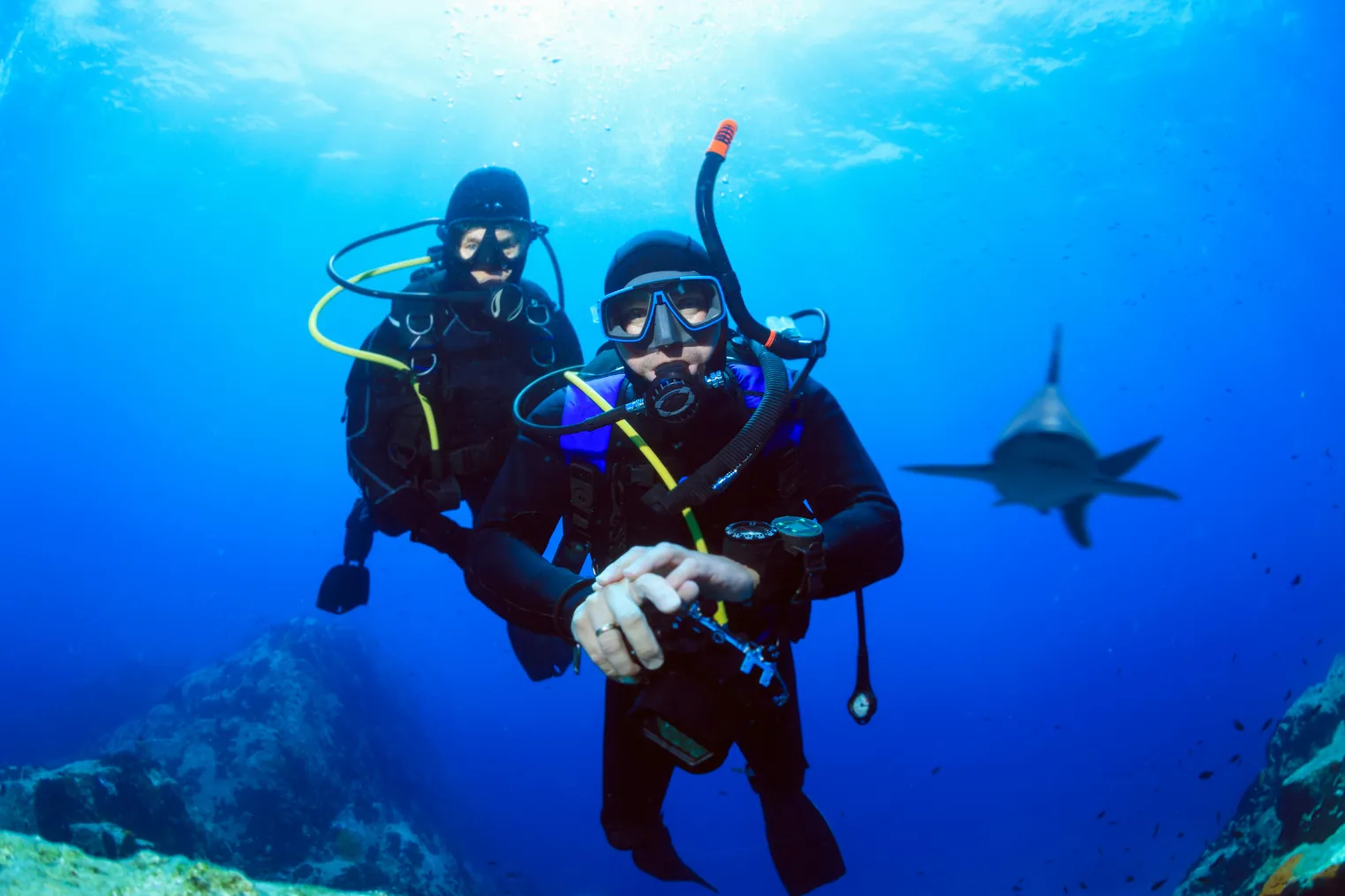
You’d think every wave in Hawaiʻi has a shark with your name on it. In reality, reported bites average about 4 to 6 a year, and most are quick test nips, not movie scenes. Still, you feel the ocean’s pull when the water turns milky after rain or the sun drops low. Tiger sharks can make the worst headlines, so your timing and location matter. The trick is knowing which clues to trust…
Key Takeaways
- Shark bites in Hawaiʻi are rare: typically 3–4 reported annually, with odds of being bitten less than one in a million.
- Most incidents are single-contact “bites,” while sustained “attacks” with repeated biting are uncommon.
- Tiger sharks cause most serious injuries and fatalities; reef sharks more often result in minor wounds.
- Risk increases in October–December, after heavy rain and runoff, and during low-light periods like dawn, dusk, and night.
- Reduce risk by avoiding murky water and river mouths after storms, keeping distance from fishing/spearfishing activity, and using a buddy system.
How Common Are Shark Bites in Hawaii?
Even if the ocean here looks like a postcard with glassy blue water and a soft hiss of shorebreak, shark bites in Hawaiʻi are rare. When you ask about shark bites in Hawaii, you’ll hear 3 to 4 a year. 2000–2023 averages sit near 5.8. DLNR records list 145 incidents from 1995–2020, and 177 total since 1980. Your odds of a bite sit at less than one in a million, so you can keep your beach day. Pack reef shoes, watch water color, and listen for lifeguard updates. Shark diving operators and critics still debate the risks and rewards of shark diving in Hawaiʻi, even as overall bite numbers remain low.
Still, notice the patterns. The frequency of shark incidents bumps up in October through December. Maui shark hotspot headlines pop up most, with Oʻahu next. If you surf, you carry the highest relative risk, then swimmers.
Shark Bite vs. Shark Attack: What’s the Difference?
While you’re scanning a lineup and listening to the scrape of reef under a shorebreak, it helps to know that a “shark bite” and a “shark attack” don’t mean the same thing. Shark bite usually means one quick contact, then the shark slips away. Shark attack means repeated biting or sustained aggression, and that’s rare. Databases like the International Shark Attack File note what happened and what led up to it. The International Shark Attack File is a scientifically documented global database housed at the Florida Museum of Natural History, with coverage from the early 1500s to the present and thousands of investigations, tracking incidents like unprovoked shark bites. If you’re fishing, chumming, or splashing after a wipeout, investigators may tag it as provoked incidents. If you’re cruising in water and a single exploratory nip happens, they log an unprovoked bite. The wording shapes how you and responders react, because “attack” suggests high risk, while “bite” matches most Hawai‘i reports in practice.
Which Sharks Cause Most Hawaii Shark Bites?
Usually, when Hawaiʻi reports a serious shark bite, the story circles back to one regular: the tiger shark. You’ll see why in the records. When a bite gets identified, tooth fragments and bite patterns often point to tiger sharks, and they dominate the serious and fatal cases. They also cruise in closer during October and November migrations, so reports spike like a set on a reef. Tiger sharks are also among the species visitors should know most about, especially when reviewing tiger shark safety.
You can still get nipped by reef sharks such as whitetip reef, blacktip, greytip, or sandbar sharks, and the injuries tend to be lighter. Galapagos and hammerheads show up now and then too. Great whites are rare here, and bull sharks simply aren’t part of the lineup. Unclear shark bites often get logged as requiem or reef shark.
Where Do Shark Bites Happen Most in Hawaii?
When you map where shark bites happen most in Hawaiʻi, you’ll keep circling back to Maui, and you’ll notice Oʻahu shows a different pattern tied to busy shorelines and calmer, well-watched beaches. You’ll also see how county totals shift across the islands, with some places feeling quiet on the sand but logging more encounters near river mouths, harbors, and fishing spots after heavy rain turns the water murky. Around Oʻahu, visitors occasionally spot reef sharks in nearshore waters. Follow these patterns and your beach plan gets simple: check the island, check the shoreline, and maybe skip that chocolate-brown runoff unless you like surprise company.
Still comparing Shark Incidents In Hawaii: Context, Facts, And Practical Safety Takeaways?
Ask for tour ideas, hotel suggestions, or a simple trip plan that combines both.
Trip Helper
Maui And Oahu Hotspots
Most often, if you’re asking where shark bites happen most in Hawai‘i, your compass points to Maui. You’ll find long sandy stretches, reef breaks, and river mouths that tint the water brown after rain. Add fishing activity and lots of swimmers and surfers logging ocean hours and encounters stack up. In fall, especially October and November, tiger sharks show up more often as big females move into main island waters, and Maui’s nearshore zone can feel like their favored hallway.
On Oʻahu, you still share the sea, but incidents run lower overall. Waikiki’s busy shoreline stays oddly quiet for sharks, so you’re more likely to hear waves, fins from surfboards, and beach vendors than anything toothy. Keep eyes up and give murky water space. Oʻahu’s populations are closely watched by shark researchers using methods like acoustic tagging and in-water surveys to understand where sharks spend time and why.
Island And County Patterns
Maui and Oʻahu set the mood, but the full map gets more interesting once you look by island and county. County-level data from 1995 to 2020 put Hawaii County first for confirmed attacks, then Maui County, then Oahu, with Kauai, Lanai, and Molokai trailing. Maui still stands out because it holds all six statewide fatalities since 2004 and the highest per-island rate. Ongoing shark population research helps explain why encounter patterns can shift over time even when overall risk stays low.
| Place | What drives encounters | Your takeaway |
|---|---|---|
| Hawaii County | Big shoreline and many surf breaks | Check tides and rain |
| Maui County | Busy surf zones and tiger shark season | Skip river mouths after storms |
You’ll notice a fall bump from October to December. More surfers and visitors raise the count, so pick clear water and keep your ears on the harbor chatter at dusk.
What Months Have More Shark Bites in Hawaii?
Although Hawai‘i feels like summer year-round, shark bites show a real calendar pattern. If you like to track trends like surf reports, note that October through December is the busiest stretch, and October has often led the list. This seasonal bump lines up with adult female tiger sharks moving from the Northwest Hawaiian Islands into main island shallows. Many visitors also plan trips around hammerhead shark seasonality, since sightings can vary by month in Hawai‘i. You may not see them, yet the ocean can feel different then, with cooler swells, fewer crowds, and more baitfish flashing near reef edges. Many recorded incidents in the fall involve tiger sharks that cruise closer to shore. Your odds still stay very low, but you’ll do best to stay alert in October to December, give fishing spots space, and choose clear, open-water entries when possible.
When Does Shark Bite Risk Rise (Dusk, Rain, Murk)?
Fall can bring more shark activity, but your day-to-day risk shifts even faster with light and water conditions. At dusk and into night, many sharks cruise closer to shore while the reef turns shadowy. You might still hear the beach busy at noon, and that’s why many bites get logged then, but the risk per minute can climb as light fades. Along the North Shore, trade wind patterns and changing surf can quickly turn clear water into rougher, less predictable conditions.
| Condition | What changes | What you do |
|---|---|---|
| Dusk/night | Low light near shore | Get out early |
| Heavy rain, murky water | Runoff near stream mouths | Skip it and watch from sand |
If you see brown plumes, feel silty grit on your ankles, or can’t spot your fins, call it. Go with a buddy and keep someone on shore checking the sky. Sunset photos beat surprise encounters.
What Attracts Sharks Near Hawaii Beaches?
Out by the stream mouth after a downpour, the ocean can look like iced coffee, and that’s a dinner bell in shark language. heavy rainfall flushes small fish and even rats from valleys, and stream mouths turn into moving buffets. Tiger sharks cruise these edges, nosing along the color line where brown water meets blue. On Oahu, sandbar sharks are also known to show up in predictable nearshore areas and tend to cruise calmly rather than charge.
After a downpour, stream mouths turn the ocean to iced coffee, an all-you-can-eat line where tiger sharks patrol the edge.
Watch for other magnets that stack the odds of a close pass:
- Chum slicks and fish scraps near fishing spots
- A speared fish thrashing beside you or a kayak
- Blood in the water from a cut or cleaned catch
- Reef drop-offs and channel entrances with baitfish swirls
- Seabirds diving or seals feeding plus the noisy splashes
If you spot these signs, choose a different beach and save the swim.
Why Do Sharks Bite Humans in Hawaii (Best Theories)?
Out in Hawaii’s warm shallows, you can think of many bites as a quick test bite, like a curious tiger shark mouthing something that doesn’t match its usual menu. Sharks often hunt by targeting typical prey like fish and seals, which helps explain why humans aren’t a standard food item. You also watch conditions stack the odds, since murky water after rain near a river mouth, a bit of chum, or a busy fishing spot can pull sharks close to where you’re paddling and splashing. And sometimes you’re just the wrong shape from below, so you’ll see why investigators look at species, season, and the scene to guess what happened, because the shark rarely leaves a note.
Investigatory Bites And Mistakes
While it can sound scary, a lot of shark bites in Hawaiʻi seem to come from curiosity and confusion, not a shark hunting you like a meal. In poor visibility, a shark may bump, mouth, and let go, like tasting a mystery object. These investigatory bites often leave one puncture or a single slice, then the animal turns away. Tiger sharks get attention here because they’ll sample almost anything, from turtles to trash, so a board and paddling arms can look worth a quick check. Scientists can’t watch every moment, so you should treat this as a leading idea, not a full guarantee. Circling can be part of this assessment too, with sharks making repeated passes to gather information through scent, sight, and vibration in a pattern of curious passes.
- You’re not on the menu
- One bite can mean “What?”
- Quick release matters
- Guesswork still has gaps
- Stay calm and leave
Environmental Triggers And Conditions
When the ocean flips a few familiar switches, shark encounters in Hawaiʻi can tick up fast. In late fall, October through December, tagged adult female tiger sharks cruise from the Northwest Hawaiian Islands toward the main islands. You might still see postcard-blue water, but more bodies move close to shore.
Rain changes the scene even more. After a hard downpour, stream mouths pour brown, gritty water into the surf and flush fish and other prey seaward. Visibility drops, waves feel sandy, and a shark can bump in for a check.
Around Oʻahu, Galapagos sharks can also show up along outer reef drop-offs and channel edges, often cruising steadily in small groups and getting bolder when food cues are present.
Timing matters too. During low-light periods at dawn, dusk, or night, sharks hunt by smell, sound, and electric cues, so you stand out. Even then, many bites stay investigatory, and causes can stay hazy.
Human Activities And Attractants
In plain sight, the biggest shark attractant in Hawaiʻi is often us. When you fish, spear, or toss chum, you ring a dinner bell. Chumming is different from simply feeding fish, because it’s meant to create a wider scent trail that draws animals in from farther away. Even a small cut on a friend or a cooler of wriggling catch can change the vibe fast. After heavy rain, river mouths spill cloudy water that can carry washed-out prey, so tiger sharks cruise closer to shore. If you surf at dawn in murk, you look like a turtle from below, and a curious shark may “mouth” first and decide later. Keep your odds friendly with simple choices:
- Give fishing boats wide space
- Skip chumming near swimmers
- Avoid river mouths after storms
- Surf in clear daylight
- Leave the water if someone bleeds right now
How Can Swimmers Avoid Shark Bites in Hawaii?
Often, the easiest way to lower your shark risk in Hawaii is to swim like a local and pay attention to the small clues around you. Plan your dip for bright hours and avoid entering the water at dawn or dusk when the reef looks dark and hazy.
| Situation | What you notice | What you do |
|---|---|---|
| After heavy rain | Brown runoff, floating leaves | Skip harbors and river mouths |
| Near fishing spots | Bait smell, bloody rinse water | Move up the beach |
| Solo far offshore | Quiet water, no voices | Use the buddy system |
Stay near lifeguards and within the crowd. Don’t get in with open cuts and get out fast if you’re bleeding. Keep your kicks smooth and don’t thrash like a hooked fish for extra calm. In the water, follow the No Touch, No Chase rule to reduce risk and avoid provoking sharks.
How Can Surfers Reduce Shark Bite Risk in Hawaii?
Pick safer conditions before you paddle out, so surf with a buddy in full daylight and skip those glassy dawn sessions when the water looks dark and quiet. You’ll also want to avoid murky runoff near river mouths, harbors, and fishing boats, and stay out if you’re bleeding or the lineup smells like fresh bait. For an extra layer of safety, choose a spot with trained lifeguard coverage whenever possible. If you spot a shark, stay on your board, keep it in sight, paddle in calmly, and let lifeguards or nearby surfers know so everyone can make a smooth exit.
Choose Safer Conditions
On a bright Hawaiian midday, the ocean looks like a sheet of blue glass and you can actually see what’s happening around your board. That’s why daylight, roughly 10 a.m. to 4 p.m., is your easiest window. You’ll spot bait balls, murky patches, and boats before they get close. If you do notice a shark nearby, practice move calmly by keeping your motions smooth and avoiding sudden splashing.
- Surf in clear, busy hours and avoid dawn, dusk, and night.
- Give river mouths a wide berth, especially after heavy rain.
- Skip breaks near fishing lines, spearers, or any chum smell.
- If the water turns brown or milky, choose another beach.
- Don’t go solo. Use the buddy system and stay near lifeguards.
After a downpour, runoff can carry dinner into the lineup. If you’ve got a cut, hop out. Blood travels fast, even in paradise.
Use Smart Surf Habits
Safer conditions set the stage, but your habits in the lineup write the rest of the story. Since surfing drives most unprovoked bites in Hawaiʻi, don’t go solo. Use a buddy system and keep each other in view between sets. Skip dawn, dusk, and night, and avoid brown water near river mouths after heavy rain, especially in October–December. If you’re heading out for a cage dive or tour, plan ahead with Waikiki to Oahu transportation so you’re not rushing into the water in low-light windows.
| Do this | Why | Quick cue |
|---|---|---|
| Surf with a buddy | More eyes, faster help | Share a peak |
| Avoid fishing zones | Chum pulls sharks close | Smell bait, move |
| Fall calmly, exit if bleeding | Thrashing and blood invite shark encounters | Climb aboard, signal |
Give harbors and spearfishers space. If you wipe out, look around, get back on the board, and paddle in smoothly. Your calm is sunscreen for nerves.
What To Do if You Witness a Shark Bite in Hawaii?
If you ever witness a shark bite in Hawaii, move fast but keep your head, because the beach can flip from postcard calm to sirens and whitewater in seconds. You’re a witness, not a hero in the water.
- Call 911, then alert lifeguards and point to the scene.
- Move swimmers out, calmly but fast, and keep the shoreline clear.
- Watch the shark from land and note time, visibility, and behavior.
- Send someone for emergency medical supplies, especially a tourniquet and pressure dressings.
- Apply firm pressure or a tourniquet to a bleeding limb only when it’s safe and responders guide you.
Good operators and prepared responders rely on CPR and first aid gear onboard, things like trauma kits and oxygen, to stabilize victims until EMS takes over.
When EMS arrives, give a tight statement, share photos if you have them, and let pros run the rescue until the surf quiets again.
Frequently Asked Questions
Do Shark Cages or Shark Tours Increase or Decrease Risk?
You decrease risk with reputable cage tours because cage efficacy adds a barrier and expert training manages baiting and behavior; you increase risk with bad tours where lax protocols and tour liability gaps invite mistakes.
Are There Safer Beaches for Kids and Beginners to Swim?
Yes, you’ll find safer kid-friendly beaches where you can play like Moana: choose calm lagoons with lifeguard presence, gentle slopes, and clear exits. You’ll avoid river mouths and murky water, especially at dawn or dusk.
What Should I Do if I See a Shark While Snorkeling?
Stay calm and don’t thrash; signal your buddy and group together. Maintain eye contact, keep your fins between you and it, and move slowly, steadily back toward shore or the boat, exiting smoothly, quietly now.
How Does Shark Bite Risk Compare Between Maui, OʻAhu, and KauaʻI?
You’ll see low bite risk across all three; Maui statistics can look higher some years, Oʻahu comparisons show steadier, more reported encounters, and Kauaʻi trends stay sparse. You can’t rely on island labels, conditions matter most.
Will Wearing Jewelry or Bright Swimsuits Make Sharks More Interested?
Like a flash in murky water, yes, jewelry or bright suits can draw attention. You create metallic reflections and color contrast, and your kicks add surface vibrations, so you shouldn’t rely on them for safety.
Conclusion
You come to Hawaiʻi for warm glassy water and the hush between sets, not for shark drama. The numbers back you up: the state averages about 4 to 6 reported bites a year, and most are quick test nips. You keep it simple. Swim with a buddy near lifeguards. Skip murky bays after rain. Avoid fishing lines and bloody cooler talk. If you spot a shark, paddle in calmly. Then grab shave ice. Nice too.


