
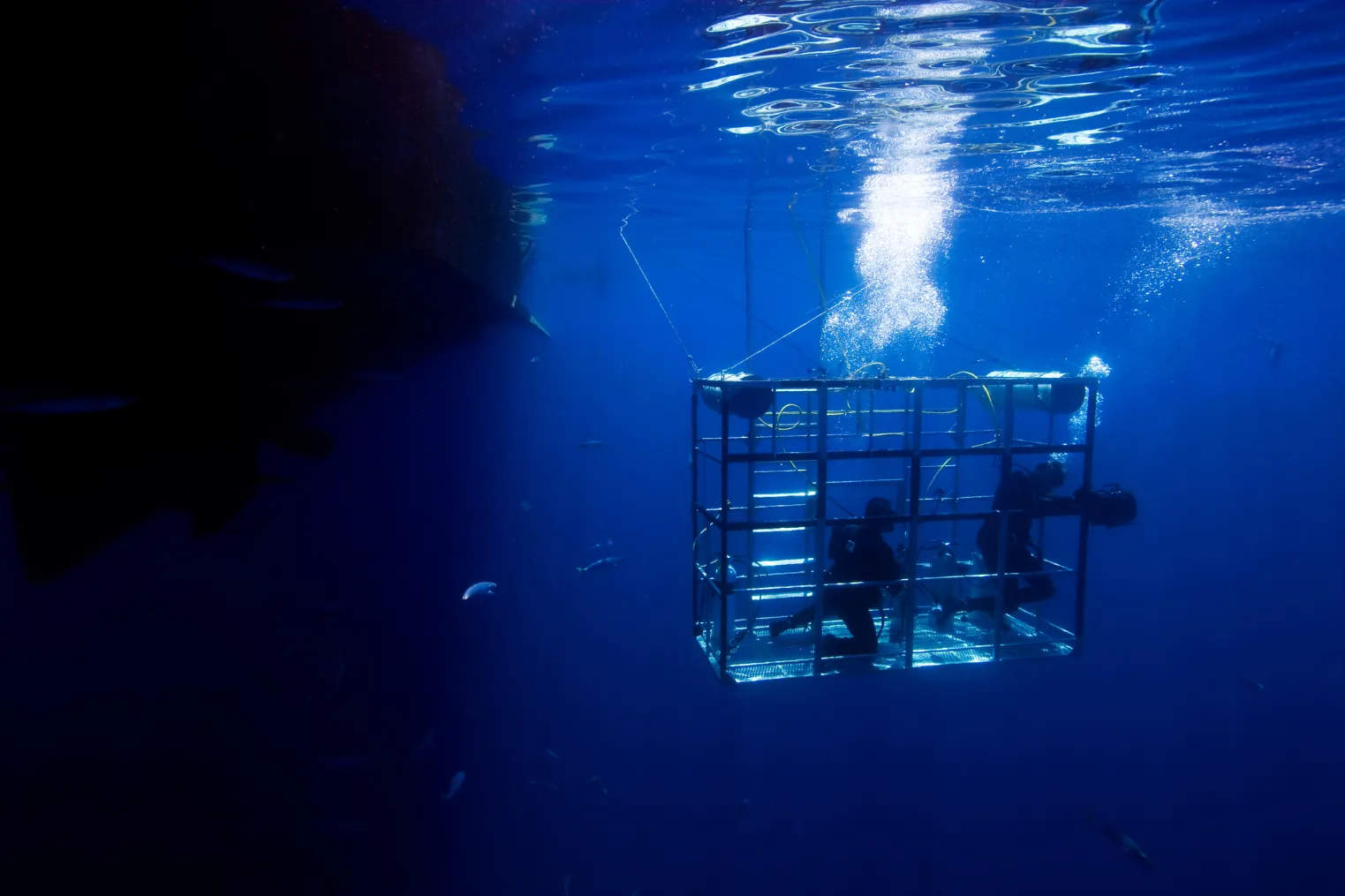
You step onto a Haleiwa boat at 6:30 a.m. and the ocean looks like blue glass, with a soft 2 to 4 foot roll under your feet. May often gives you 30 to 60 plus feet of visibility, but a rainy week can turn that water hazy fast. You’ll need to pick cage or cageless, then snag a spot 4 to 8 weeks out before the small groups fill. So what should you book first?
Key Takeaways
- May mornings on Oahu’s North Shore are often calm, with 30–60+ ft visibility and occasional 60–100 ft clarity on good days.
- Choose 6–7 a.m. departures for the glassiest seas, bluest water, and the most comfortable conditions before winds build.
- Book 4–8 weeks ahead; reserve 8 weeks out for fixed dates, Waikiki transport, weekends, holidays, or cageless limited-capacity spots.
- Expect 1.5–2 hour tours with 20–30 minutes in-water; cage suits beginners, while cageless requires confident swimmers in open water.
- Ask about recent rain/runoff, as clarity can drop; crews often shift sites, and sandbar sharks are common with occasional tiger or hammerhead sightings.

Is May a Good Month for Oahu Shark Diving?
Why May? You’ll feel it the moment the boat clears Haleiwa Harbor on the North Shore of Oahu.
In May, Shark diving Oahu often delivers peak visibility, so sharks glide in crisp blue water instead of murky shadows. Book an early-morning trip at 6 or 7 a.m. and you’ll usually get the smoothest ride and the clearest look, plus less wind in your ears.
May also sits in the May–September sweet spot for pelagic visitors, and cancellations drop compared with winter. It’s part of the broader May–September sweet spot highlighted in seasonal conditions guides for Oahu shark diving.
Crowds run moderate as summer nears, so reserve 4 to 8 weeks out. Tours last 1.5 to 2 hours with 20 to 30 minutes in-water. Pick a cage if you’re new, or go cageless only if you swim strong and want more freedom.
What Are May Ocean Conditions on Oahu’s North Shore?
In May on Oahu’s North Shore, you often get clear blue water with some of the year’s best visibility, so you can spot sharks cruising like quiet shadows below.
Swell and wind usually stay low compared with winter, which means less chop, fewer cancellations, and those 6–7 a.m. boats tend to feel steady.
The water sits around 75–78°F, so you’ll likely be comfy in a thin wetsuit or even a rash guard while you listen to the ocean hiss against the hull.
May also tends to bring lighter crowds than peak summer, so it’s often easier to snag a spot on the boat you want.
Water Clarity And Visibility
Often, May feels like the North Shore’s sweet spot for shark diving, when the ocean settles down and the water turns glassy in the early light. On North Shore Oahu, water clarity can be stunning, with visibility often 30 to 60+ feet on early-morning boats. You’ll look down and see the bottom fade into cobalt, and sharks glide in and out like quiet commuters.
The water sits around 75 to 78°F, so a swimsuit works, but a thin wetsuit or rashguard keeps you comfy during longer drifts. May also benefits from calmer seas and warm water that make the ride out and your time in the water more comfortable.
- Book a 6–7 a.m. departure for the cleanest view.
- Ask your captain about recent rain and runoff hot spots.
- Keep a 1–2 week window so you can chase peak May visibility.
Pack a defog wipe and relax.
Swell, Wind, And Chop
Even though winter’s big surf has mostly packed up and left, May still brings a little personality to the North Shore.
You’ll usually see a moderate swell around 2 to 4 feet, enough to rock the boat but not toss you like January.
Most mornings start with light wind at 5 to 10 knots, and those 6 to 7 a.m. departures often feel like glass for photos.
In contrast, a short-period wind chop can make the surface feel rough even when the underlying swell is modest.
Still comparing Shark Diving Oahu In May: Conditions, Crowds, And What To Book?
Ask for tour ideas, hotel suggestions, or a simple trip plan that combines both.
Trip Helper
Water Temperature And Comfort
By May, the North Shore feels like it’s switched to its warm-water setting, with ocean temps hovering around 75 to 78°F (24 to 26°C).
On North Oahu’s north shore, that water temperature lets you slip in with just a swimsuit, though a thin layer helps when the trade wind nips on the boat ride. According to Oahu water temperatures, late spring typically holds steady in the mid-to-upper 70s, which is why May is so comfortable for longer in-water sessions.
- Pack a 1–3 mm wetsuit or neoprene vest if you get cold fast
- Add a long-sleeve rash guard for sun and longer hang time in the water
- Aim for 6–7am trips for glassy seas and peak visibility
May often brings clear blue sightlines, so you’ll spot sharks sooner and watch them cruise below like quiet torpedoes.
Keep reef-safe sunscreen handy and toss in anti-nausea meds, just in case for safety.
How Good Is Visibility for Oahu Shark Diving in May?
A May morning off Oahu can look like someone turned up the clarity dial on the ocean. On the North side, Oahu shark diving often happens early-morning in water that’s calm and glassy, with blue views that feel endless.
In May, visibility sits in its prime season, so you can usually spot sharks cruising just below the surface during your 20 to 30 minutes in the water. You’ll hear the boat idle, feel the swell barely lift you, and watch shadows sharpen into fins.
Even then, clarity can shift day to day. A passing shower or a pushy current can haze things up, and crews may slide to a cleaner patch. Typical conditions range from 60 to 100 feet of visibility. Small-group trips also help, since fewer bubbles and wake keep your photos crisp.
What Time Should You Book (6–7 A.M. Departures)?
If you can handle an early alarm, book the 6 to 7 a.m. departure in May. You’ll often glide out in the calmest seas, when the surface feels like cool glass and the engine hum is the loudest thing around.
On 6–7 a.m trips you get the best visibility, with clean blue water and a strong chance of seeing pelagic sharks cruise close to the boat.
If you’re staying in town, plan your transportation from Honolulu ahead of time so you arrive at the harbor without rushing.
- Lower cancellation odds before trade winds kick up
- Smaller crowds and better chances at prime spots
- Easier comfort if you plan ahead for seasickness
Check in 20 to 30 minutes early so you’re not sprinting on the dock.
If you’re sensitive, take prevention the night before and again an hour before boarding. You’ll thank yourself as sun rises.
Cage vs Cageless Oahu Shark Diving: Which Fits You?
If you want an easy first-time shark encounter in May, you can float at the surface in a plexiglass cage about 3 miles offshore and watch big shapes slide past in clear blue water.
You don’t need scuba or strong swimming skills, and you’ll still get that close-up view with the boat rocking softly above you.
If you’re a confident snorkeler, a cageless swim asks more of you but rewards you with a more natural moment, while safety guides keep the rules tight and the vibe calm.
For a more immersive option, a cage-free experience lets you snorkel alongside sharks in open water with trained guides focusing on calm, controlled encounters.
Cage Dives: Beginner Comfort
Although both trips happen in the same blue water off Oahu’s North Shore, the big comfort question comes down to whether you want a clear wall between you and the sharks.
With cage dives, you snorkel surface-only inside a floating plexiglass or metal box about three miles offshore. It’s built for the beginner who wants a front-row look without having to tread water for long. You’ll get a mandatory safety briefing, then about 20 minutes in the water. The full outing runs 1.5 to 2 hours from Haleiwa Harbor. Booking a private shark dive charter can mean a more flexible pace and fewer people on the boat.
- Pick the 6 to 7 a.m. boat for calmer May seas.
- Expect the slap of swells on the cage and clear, glassy views.
- You can always stay onboard if you’d rather just watch today.
Cageless Swims: Skill Required
Once you drop the cage, shark diving on Oahu turns into a real swim, and it asks more of you than a quick surface float.
Cageless swims fit experienced swimmers and confident snorkelers who can stay relaxed in blue water while the boat hum fades behind you.
You’ll join small groups, often six guests per safety diver or fewer, so the vibe feels focused, not crowded.
Safety divers slip in first and climb out last. They keep you 2 to 3 meters from the sharks and coach calm, hands in, slow kicks.
Before you’ll splash, you’ll sit through a pre-dive briefing and you’ll share any medical or skill limits.
These science-led trips skip chum, so you watch natural passes and the swish of fins.
How Far Ahead Should You Book for May Crowds?
Because May brings calmer mornings and a steady stream of visitors, you’ll want to book your Oahu shark dive about 4 to 8 weeks ahead, especially for those coveted 6 to 7 a.m. departures when the water looks like blue glass and visibility tends to pop.
May’s calm mornings draw crowds, book your Oahu shark dive 4–8 weeks out for those glassy 6–7 a.m. departures.
May is considered part of the peak season booking window for Oahu shark dives, so last-minute openings are less common.
Book 4–8 weeks if you’re aiming for morning slots, a small-group ratio, or a private charter. Weekends and holiday weeks fill first, and add-ons like photo or video can vanish fast.
- Reserve 8 weeks out for a specific date or transport from Waikiki
- Choose earlier dates if you want limited-capacity cageless spots
- Hop on the waitlist and watch 24 to 48 hour cancellations for surprise openings
If plans change, call the operator and ask about standby seats pre-dawn.
What Happens on a May Oahu Shark Tour (Step-by-Step)?
If you roll into Haleiwa Harbor while the sky is still pink, you’ll start your May shark tour the same way the crew does, with a clear plan and a quick pulse of excitement.
You check in 30 minutes early, sign waivers, and get a safety briefing, gear, and shark conservation notes.
Before you cast off, the crew will also walk you through the boat ride plan so you know what to expect once you’re underway.
You hop on for the boat ride off Oahu’s north shore.
In 20 to 30 minutes you reach the mooring 3 to 4 miles out.
Guides explain body language, then safety divers enter first and exit last.
You do one 20 to 30 minute Shark dive, cage or cageless.
You use a line, keep 2 to 3 meters back, and nobody chums.
Back in harbor, you debrief, hear updates, and plan photos.
Which Sharks Do You See in May Near Oahu?
Back at the surface after your 20 to 30 minutes in the water, the big question becomes what kinds of sharks might cruise past the boat in May. In this calmer May to September window, visibility often runs high, so you can track silhouettes from far off as they swing in.
Most trips feature sandbar sharks and chunky Galapagos-like sharks that circle with unhurried confidence. Operators say you’ll usually spot several at once, often 5 to 15 feet long, sliding past the ladder like submarines. Tiger sharks and hammerheads can show, but they’re the surprise guests, not the headliners in May. According to local species guides, sandbar sharks are among the most commonly spotted sharks around Oahu.
- Expect shark sightings near the boat
- Look for mixed groups today, not just one species
- Keep your camera ready for tiger sharks cameos
What Safety Rules Should Oahu Shark Dive Operators Follow?
While the ocean looks calm and the boat ride feels like a breeze, solid safety rules should run the whole show before you even zip up your wetsuit.
You should get mandatory pre-trip safety briefings before every encounter. They cover entry and exit, in-water behavior, and emergency signals. A good briefing should also teach clear hand signals for communication and how to maintain proper spacing.
In the water, trained safety divers enter first and exit last. They keep you 2 to 3 meters from sharks. Operators should use no-chum non-invasive methods like engine hum, and ban touching or feeding wildlife.
Expect medical disclosure policies for meds, injuries, or bleeding, with an option to stay on the boat. Check the guest-to-safety-diver ratio near 6:1. Smaller groups feel calmer, and you’ll get flotation and gear that fits. Ask about oxygen and weather call-offs.
Frequently Asked Questions
Do I Need a Wetsuit for Shark Diving in Oahu in May?
You don’t need a wetsuit in Oahu in May, but you’ll want one for thermal comfort if you chill easily. Water temperature stays mild; choose 2–3mm wetsuit thickness. Check rental availability, and follow reef protection.
Can Non-Swimmers Join as Observers on the Boat?
Yes, you can join as an observer on the boat even if you can’t swim. You’ll wear a life jacket, attend the boat briefing, follow photography rules, and request accessibility accommodations; shore observers aren’t offered.
Are There Age, Weight, or Medical Restrictions for Participants?
Over 90% enforce rules: you’ll face age limits and weight limits, you’ll sign medical waivers, and you can’t dive with pregnancy restrictions. Disclose pre existing conditions, since asthma or seizure issues may outright exclude you.
Can I Bring My Own Gopro or Camera in the Water?
You can bring your own GoPro or camera, but you’ll follow the operator’s rules on camera housings and action mounts. Confirm legal permissions, check insurance coverage, secure lanyards, and make editing backups after each trip.
What’s the Cancellation or Rescheduling Policy for May Shark Tours?
You’ll usually cancel free within 24–48 hours, but deposit deadlines always vary. Expect weather refunds only if they call it. Check operator liability, force majeure clauses, and last minute changes fees; reschedule availability depends too.
Conclusion
Book that 6 to 7 a.m. slot and you’ll likely step onto a quiet deck with coffee steam in the cool air. May often brings 30 to 60 plus feet of visibility, so you can watch sharks slide through blue water like slow shadows. You’ll feel a 2 to 4 foot swell lift the boat, then settle. Reserve 4 to 8 weeks out, show up 20 minutes early, and let the ocean do the talking.


