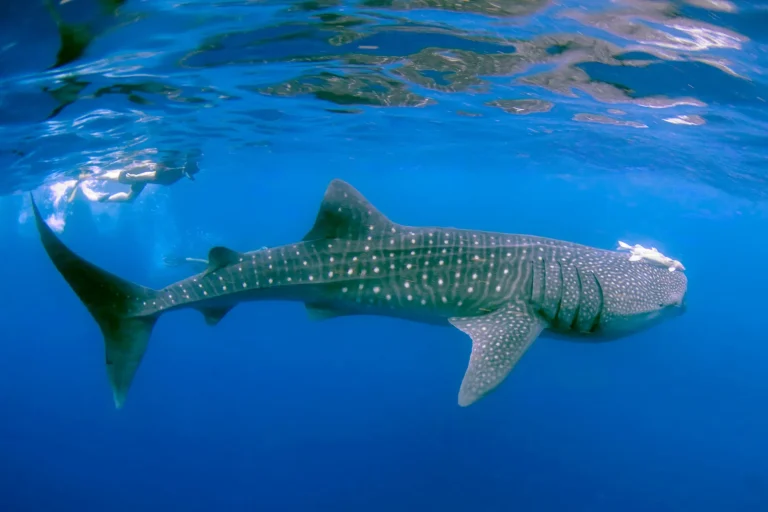
Before you book a shark dive, you’ll want to treat the waiver and medical form like your boarding pass, because one “yes” answer can mean you need a doctor’s note before you even smell the salt air. If you’re scuba diving, bring photo ID plus your cert card and logbook, and don’t be surprised if they ask for Advanced Open Water and 30 logged dives for in water spots. Show up early for sizing, briefings, and strict no touch rules, or you might be watching from the sidelines, so what actually happens at check in?
Key Takeaways
- Sign the liability waiver and medical questionnaire before boarding; any “yes” medical answer requires doctor’s clearance.
- Bring photo ID, certification card, and logbook; many scuba operators require Advanced Open Water, 30+ logged dives, and recent diving.
- Arrive a confident swimmer for cage-free snorkeling; non-swimmers usually must choose a surface cage or observer option.
- Follow mandatory briefing rules: no touching, chasing, feeding, or harassing sharks; staff-only bait procedures; violations can mean removal without refund.
- Plan logistics early: check in about 45 minutes before departure with paperwork in hand; missing forms or late arrival may prevent boarding.
What Are the Shark Dive Swim Requirements?
Because most shark encounters happen in open water where the boat bobs, the current pulls, and the entry needs to be clean, you’ll want to arrive as a confident swimmer, not someone hoping to “figure it out” on the day.
Expect deep drift conditions, so you should swim steadily in moderate to strong current, keep your breathing calm, and follow the crew’s timing for controlled entries and exits, like stepping off a moving curb.
Listen closely for the crew’s hand signals and spacing rules during the safety briefing so everyone stays coordinated in the water.
For scuba diving, operators expect solid water comfort and you’ll always stick to the briefing.
You’ll wear a full exposure suit, hood, and gloves, in dark colors, even if the water feels warm.
You’ll complete a medical questionnaire and, if flagged, bring a doctor’s clearance.
Non-swimmers can choose cage options.
What Scuba Certification Is Required for Shark Diving?
While shark dives can look like a simple giant stride into blue water, most operators won’t take you on scuba unless you show an Advanced Open Water certification or an equivalent card, and many also want at least 30 logged dives in your book.
That’s because many shark sites are deep drift dives with current tugging at your fins, so they may ask for recent dive dates or a medical or fitness declaration.
For a Shark Dive Oahu trip, scuba certification is often required to join the dive in the water rather than just observe.
If you’ve only got Open Water, some operators let you watch from a surface cage or join as a secondary diver, but they’ll limit scuba.
You’ll sign a liability waiver and medical form, and you may need doctor clearance.
Bring full exposure protection, and be ready to rent gear if required.
What Shark Dive Safety Rules Must You Follow?
Keep your hands to yourself and let the sharks set the pace, because touching, chasing, or trying for a cheeky photo-op can stress wildlife and turn a calm moment into a chaotic one.
When it comes to bait, you don’t improvise, you watch trained staff handle any feeding with controlled methods while you stay in your lane and follow directions the first time.
Before you enter the water, confirm your life jacket fit and understand the crew’s roles and emergency procedures so you can respond quickly if conditions change.
Treat the rules like road signs in a new city, simple, clear, and there to keep everyone moving smoothly.
No Touching Or Chasing
If you want the dive to feel like a front row seat instead of a chaotic chase, follow the rule: don’t touch, hug, chase, harass, or feed sharks or any other marine life. This no touching or chasing policy keeps animals calm and your fingers unbitten, even when adrenaline and camera clicks spike.
You’ll get a briefing on spacing, then you must keep hands, fins, and dangling gear tucked in, inside a cage where used, or simply well clear in open water. Choosing responsible operators supports safety-focused briefings and wildlife-first practices that reduce stress on sharks.
- Hold your camera close, skip waving, and don’t provoke for a shot.
- Keep streamlined gear, avoid bright colors if staff asks, and secure straps.
- Break the rule and you can be pulled from the boat, lose the day’s dive, and forfeit refunds.
Still comparing Shark Dive Waivers, Policies, And Common Booking Questions?
Ask for tour ideas, hotel suggestions, or a simple trip plan that combines both.
Trip Helper
Follow Staff Feeding Rules
Because bait can flip the mood of a shark encounter from calm cruising to curious crowding in seconds, you’ll follow the feeder’s rules like you’re in the front row at a live show, attentive and hands-off. On a shark diving trip, only trained staff handle bait, and you won’t feed or bring attractants. If your gear gets bait on it, tell crew. Stay in the cage or on deck when told, keep your chest tucked in. Reputable operators avoid unnecessary chum and follow responsible baiting practices to reduce conditioning and keep interactions as natural as possible.
| Do | Don’t | Why |
|---|---|---|
| Stay still, grip bars | Wave limbs out | Avoid bumps |
| Hands and fins in | Touch or chase | Protects wildlife |
| Follow feeder calls | Change position | Keeps order |
| Report contamination | Hide it | Reset safely |
Crew will end your dive and you’ll forfeit fees if you ignore feeding rules.
What Shark Dive Gear Is Required (Suits, Colors)?
While the water might feel like bathwater or bite-your-toes cold, you’ll still suit up the same way for a shark dive: a full exposure suit is mandatory, and most boats will have wetsuits, hoods, and gloves on hand if you don’t bring your own. In addition to your suit, remember essential gear like reef-safe sunscreen, a towel, and a dry change of clothes for after the dive.
No matter the water temp, suit up the same: full exposure required, with wetsuits, hoods, and gloves usually provided.
Your Service Provider enforces this shark diving rule for all years of age: dark gear calms marine life and each shark species, across time of year and weather conditions.
To see a shark, see sharks, and support Shark sightings, skip white, yellow, and pink, even on a third party book a trip.
- Black or dark blue exposure suit, hood, gloves
- Dark fins, black mask, snorkel for shark viewing
- Send height, weight, shoe size, or gear’s refused
Contact us and well.
Are Cameras Allowed on a Shark Dive?
Yes, you can bring an underwater camera in the cage or while surface snorkeling, and if you’d rather travel light, you can rent a GoPro for $65 and keep the 16 GB SD card. Many divers find GoPro vs phone case setups deliver steadier, wider footage in open water compared with holding a phone in a housing.
Keep your setup shark-safe by choosing dark, low-key colors, skip bright housings that look like a neon lure, and know the crew may limit bulky rigs or flash so the water stays calm for everyone.
You’ll get the best shots when you follow the crew’s rules, let them handle all baiting and feeding, and secure your camera with a bungee or pole mount while you pack spare batteries and cards for quick, no-fuss swaps.
Underwater Camera Guidelines
Bring your underwater camera along, most shark dive operators allow it, and on some boats you can even rent a GoPro for around $65 with a 16 GB SD card you get to keep. Some operators also offer video packages so you can relive the dive without worrying about filming every moment yourself. To keep your shots sharp and your kit shark-safe, follow the crew’s rules.
- Secure housings and mounts with a wrist strap, bungee tether, or short pole so nothing clatters into the blue.
- Ask before using flash or strobes, bright pops can change a shark’s mood and pull attention your way.
- Stick to dark, non-reflective gear, shiny colors can break the boat’s visual protocols.
If you’re bringing a bulky rig or scuba camera, mention it at booking and check-in so crew can plan space. You’ll dive calmer, and film cleaner frames.
GoPro Rentals Available
Cameras are allowed on shark dives, so once you’ve sorted your straps and strobe etiquette, you can focus on actually getting the shot without turning your setup into a shiny distraction.
If you didn’t pack one, GoPro rental on board runs $65 and comes with a 16 GB SD card you keep, handy for splashy surface and cage clips. For clearer footage in changing light and blue water, dial in GoPro settings suited for epic shark diving in Oahu.
Rental details:
| Moment | What you’ll see | What you’ll feel |
|---|---|---|
| Surface drift | Silver chop, dorsal cuts | Heart thump, steady breath |
| Cage window | Eye contact, bubbles | Calm focus, grin |
Keep housings and straps shark safe, skip bright colors, or rent black or blue covers.
Use a pole or bungee mount for cleaner framing, bring extra cards, and never touch, harass, or bait sharks, the crew enforces it.
How Does Shark Dive Feeding and Interaction Work?
On most shark dives, the action boils down to a simple, tightly managed setup: trained staff handle a secured lure, like a tuna head on a float, to draw sharks into view while you hover calmly and watch the water shift from empty blue to a flicker of fins.
Trained staff work a secured tuna-head lure, and you hover calmly as the blue snaps into fins.
Bait protocols keep the lure secured, controlled by staff, and legal where you are, so you watch sharks cruise in on their own terms. This approach is best understood as chumming vs feeding, where a controlled attractant is used to draw sharks into view without directly feeding them. You’ll drift or float in changing current and visibility, stay calm, and never feed, touch, or hassle anything.
- Hands in, fins back, no chasing or crowding for photos.
- Snorkel trips are cage free; cage dives use surface cages.
- Break rules and you can be removed instantly, no refund.
What Paperwork Is Required (Waiver, Medical Forms)?
Before you even slip into the blue and practice that calm, hands-in posture, you’ll handle a bit of paperwork that keeps the trip orderly and everyone safer. You’ll sign the waiver, your Liability essentials, and you can’t snorkel or dive without it. You’ll complete a medical questionnaire; if you mark any “yes,” you’ll need a doctor’s clearance form, kept confidential and used only to confirm fitness. This is typically done during check-in before the boat ride out. If you’re scuba diving, bring certification proof and a logbook showing Advanced training and 30+ dives. Keep digital photos, and stash originals in a dry pouch.
| Paper | Who | Tip |
|---|---|---|
| Waiver | All | Sign |
| Medical | Divers | Be honest |
| Doctor note | Any yes | Bring |
| Cert and log | Scuba | Show |
Missing forms can sideline you, and cancellations inside 48 hours aren’t refunded.
What Is the Shark Dive Check-In Timeline and Location?
Once you’ve got your sea legs and your paperwork in hand, plan to check in 45 minutes before departure, so for an 8:00 a.m. boat you’ll be at the dock by 7:15 with enough time to breathe, find your slip, and avoid a rushed start. This check-in timeline helps ensure you arrive early enough to complete forms and locate the correct slip before boarding.
> Plan to check in 45 minutes early, an 8:00 a.m. boat means dockside by 7:15 to breathe and avoid a rushed start.
Go to 200 E. 13th St., Riviera Beach, FL 33404, follow Peanut Island Shuttle Boat signs, and check in at the slip five slips left of the booth.
Bring waiver and medical questionnaire, photo ID, and payment confirmation, and show doctor clearance if requested.
Renting gear? Share height, weight, and shoe size for wetsuits and gloves.
Boarding can close at cutoff, so use this Rendezvous Logistics:
- Count five slips left
- Keep forms in a zip bag
- Park and walk
Frequently Asked Questions
Do You Offer Hotel Transfers or Help Arranging Accommodation?
Yes, you can add hotel transfers, and you’ll get Accommodation assistance if you need a place to stay. You tell us your dates and budget, and we’ll recommend nearby options and coordinate pickup times for you.
Can I Book a Private Charter or Exclusive Boat for My Group?
Yes, you can book an exclusive boat, like having the ocean to yourselves. You’ll arrange Private Chartering for your group with flexible departure times. Tell us your dates, headcount, and goals, and we’ll quote quickly today.
What Happens if Bad Weather Cancels My Trip, Refund or Reschedule?
If bad weather cancels your trip, you’ll either reschedule for the next available date or receive a full refund, your choice when possible. Check our Weather policy for cutoffs, notifications, and alternative options before you head.
Is a Deposit Required, and When Is the Remaining Balance Due?
Yes, you’ll pay a deposit to secure your spot; our Deposit policy requires it at booking. You’ll pay the remaining balance on the day of your dive at check-in, using card or cash before you board.
Can Shark Sightings Be Guaranteed on My Dive?
No guarantees, you can’t guarantee shark sightings on any dive. Even so, around 70% of our recent trips spot sharks, depending on season and conditions. You’ll boost your odds by following guides and staying calm underwater.
Conclusion
Show up early, IDs and forms in hand, and you’ll start calm instead of rushed, which matters when the briefing gets strict and the ocean smells like salt and diesel. You’ll follow suit color rules, keep hands to yourself, and leave feeding to the crew, or you’ll be back on the dock without a refund. Want to picture it, bubbles rising beside a silent gray shape? Pack your logbook, check camera rules, and dive smart.