
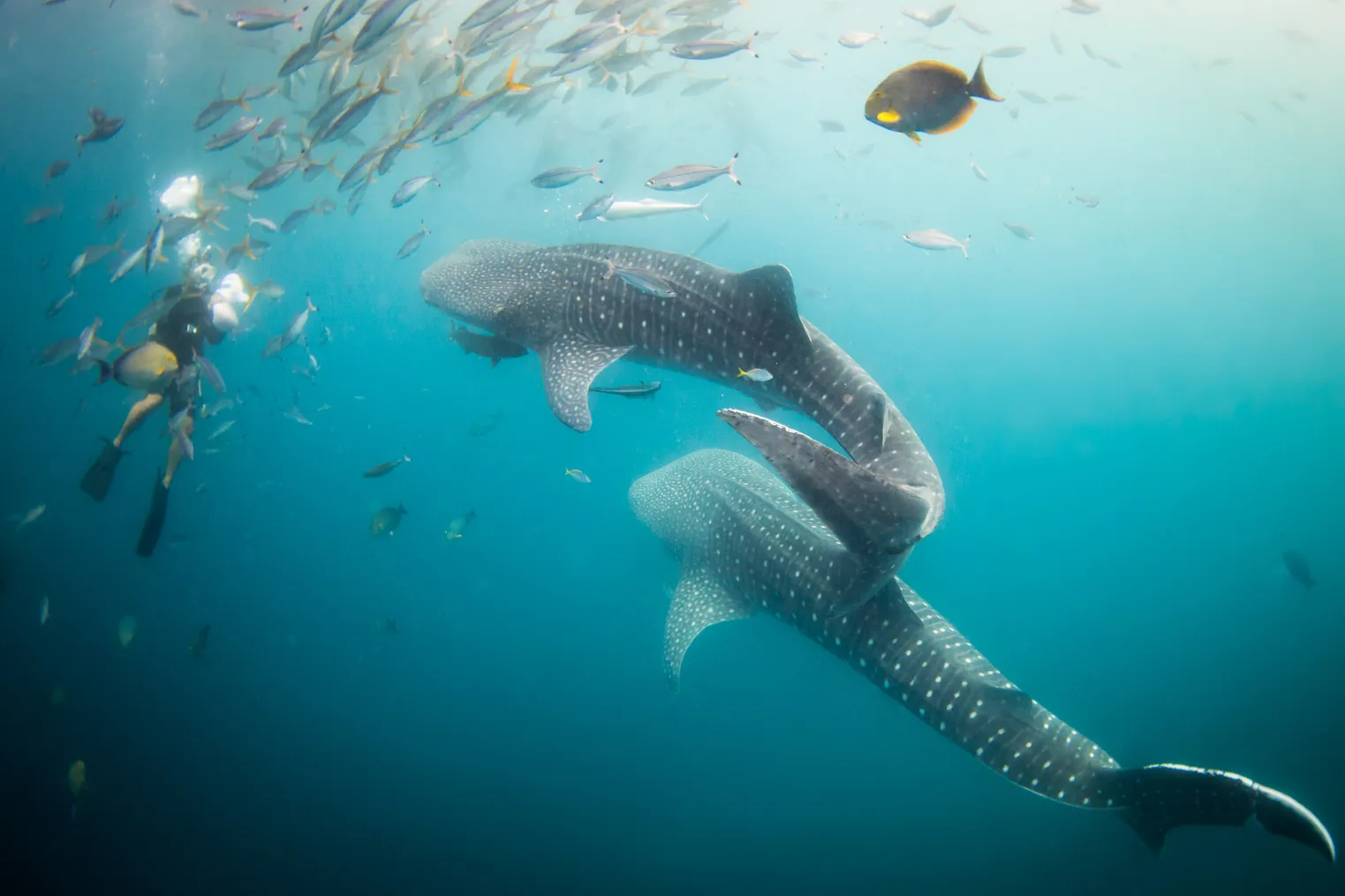
From December to April, humpbacks show up off Oahu, and January to March is when you’ve got the best odds of seeing tail slaps and big breaches. You can pair that with a 1.5 to 2 hour shark swim out of Haleʻiwa, then hop onto a 2 to 3 hour whale cruise if you leave a 2 to 3 hour buffer for wetsuits, lunch, and the drive. The trick is timing the calm morning water, and that’s where it gets interesting.
Key Takeaways
- The best time to combo shark diving and whale watching on Oʻahu is December–April, with peak whale activity from January–March.
- Book morning departures for calmer seas; trade winds often increase chop later, making back‑to‑back tours less comfortable.
- Plan 1.5–2 hours for the shark snorkel and 2–3 hours for whale watching, plus a 2–3 hour buffer between tours.
- Use North Shore departures near Haleʻiwa Harbor; nearby whale tour slips are usually 5–15 minutes apart by car.
- Skip same‑day combos for kids under 5, pregnant travelers, or severe seasickness; choose one shorter trip instead.
Is a Shark Dive Oahu + Whale Day Worth It?
Why choose between heart-thumping sharks and breezy whale watching when you can do both in one North Shore day?
Book a cage-free Shark Dive Oahu first, and you’re on the water for about 1.5 to 2 hours. The boat hums, salt spray beads on your mask, and sharks glide in with that quiet confidence.
Many tours run $95 to $135 and keep groups small, often 4 to 8 people, so you actually hear the marine biologist talk behavior and conservation. Smaller capacity also means more personal guidance and fewer bodies in the water, which is why small-group dives can make the whole Oahu experience feel calmer and more connected.
Then you switch gears on a 2 to 3 hour whale trip, with steady narration and big, open-ocean scanning. It’s worth it if you’ve got at least a half-day and want contrast.
Skip the combo for kids under 5, weak stomachs, or slow-photo days.
When Is Oahu Whale Season on the North Shore?
On Oʻahu’s North Shore, whale season runs from December through April, and you’ll usually hit the sweetest spot from January to March.
Your best odds come on calm mornings when the seas lay flatter and you can scan for tall blows, tail slaps, and those slow rolls that look like a moving island.
You’ll want to know what you might see out there, from mother and calf pairs cruising close to the surface to the sudden whoosh of a breach that makes the whole boat go quiet.
And if you’re pairing it with a shark dive, keep an eye out for other marine life you might spot offshore too.
North Shore Peak Months
Most winters, the North Shore turns into a front-row seat for humpback whales, and you can feel the season shift as the ocean gets louder and the swells get bolder. On Oʻahu, whales show up from December through April, but you’ll stack the odds in your favor from January to March. In midwinter they’ve traveled down from Alaska, and February often feels like the main event. You might catch blows like soft geysers and hear a tail slap echo across the channel. It’s also common to have whale encounters happen right from a shark dive boat during the winter run.
These peak months also pair well with Oahu Shark Diving because shark tours run year-round. A boat whale watch usually runs two to three hours, so you can book both in one winter trip and chase two icons in one day easily.
Daily Timing And Seas
Peak months get you in the right window, but the daily rhythm and the sea state decide how smooth your North Shore whale day feels. December through April is the main run, and winter swell can turn the ride bouncy and slow. Pay attention to trade winds and morning conditions, since North Shore seas often start smoother early and build later in the day.
| Time | What you do | Buffer |
|---|---|---|
| 7:00 | Shark Dive first boat | 30 min check-in |
| 10:00 | Return gear, rinse off | 60 min |
| 12:00 | Lunch, hydrate | 30 min |
| 1:30 | Whale tour departure | 15 min boarding |
Pick the earliest shark slot, then go later for whales. Leave 2 to 3 hours between tours so you’re not sprinting on the dock. Ask about weather and sighting guarantees, and boat size for comfort in chop. Your stomach will thank you. In summer the water’s calmer, but season isn’t.
Still comparing Shark Dive Oahu And Whale Watching Combos: When It Makes Sense?
Ask for tour ideas, hotel suggestions, or a simple trip plan that combines both.
Trip Helper
What You’ll See
If you time your North Shore day between December and April, you’ll step into Oʻahu’s humpback season when the ocean can suddenly feel alive. You might hear a blow before you see it, then spot a dark back rolling through glassy swells. In peak months, January through March, whales often breach, slap tails, and flash long pectoral fins close enough to raise goosebumps.
Most whale-watching trips run 2 to 3 hours, and crews usually find more than one whale. Pair that with a morning Shark Diving Tour and you’ve got a full wildlife double feature. For a smoother in-water experience, many North Shore beaches offer calm water on the right days, making it easier to round out your shark dive and beach time. Operators often run separate whale boats, many Hawaiian-owned, so book ahead. Bring a light jacket. Salt spray cools you fast. Come May to November, keep expectations whale-sized but empty.
Can You Do Shark Dive Oahu Year-Round?
You can suit up on Oʻahu’s North Shore any month of the year, but the ocean changes its mood fast, from glassy mornings to choppy chop that makes the boat thump.
You’ll see sharks year-round, yet whales mostly show up from December through April, so pairing both feels like catching two headlines on the same day.
According to the seasonal conditions guide, winter often brings bigger swells and windier days on Oʻahu’s North Shore, so morning departures can be the calmest window.
Book ahead when winter crowds roll in, and stay flexible since operators may shift times for safety and those small 4–6 person groups fill quickly.
Year-Round Ocean Conditions
Most days of the year, boats still point north from Haleʻiwa Harbor and head out for cage-free shark dives on Oʻahu’s North Shore. Book a Shark Tour year-round on Oahus North Shore, and cage-free shark diving stays open. Summer brings clear water and marine life, even sea turtles. Winter swells can roughen the ride, so your shark tour may delay. The complete guide to cage-free shark diving in Oahu emphasizes choosing experienced crews who prioritize safety briefings and ocean-condition checks before every departure.
If chop builds or visibility drops, the crew was amazing, knowledgeable and made calls, and made sure everyone follows safety rules. That keeps your Diving steady and your diving experience, even on your first time Swimming with sharks. Pair it with Whale Watching when it fits. Join us to Swim with Sharks for a great time and a better day in beautiful Hawaiian water.
Seasonal Wildlife Encounters
While seasons shift the color of the water and the feel of the ride out of Haleʻiwa Harbor, cage-free shark dives on Oʻahu run year-round and don’t require scuba certification.
You’ll learn simple snorkel and freedive basics, then slip into blue water for about 30 minutes as the boat rocks and seabirds call.
For an even wilder start, a Sunrise shark dive can turn the ocean into a quiet, early-morning encounter.
In winter, December through April, you can time your day so whale watching pays off too.
Outside that window, sharks still show up, and the ocean often delivers bonus guests.
- Hear humpbacks exhale like a giant sigh
- Watch dolphins cut the surface like quick commas
- Spot sea turtles cruising below your fins
- Plan for 1.5–2 hours diving plus 2–3 hours on a whale boat and travel time between sites, bring snacks.
Booking Windows And Availability
Even if your calendar’s wide open, shark dives out of Haleʻiwa Harbor don’t make you wait for a “best” month because cage-free trips run year-round on Oʻahu’s North Shore. You’ll be on the water about 1.5 to 2 hours, with a round trip that’s roughly two hours from the harbor. Spots are cozy, often 4 to 8 guests, so the deck feels like a small club with salt spray and camera clicks.
Whale watching plays by a different calendar. Plan December through April if you want a combo, and book early since start prices around $95 to $135 sell out fast. You can also lock in your spot with a Reserve Now, Pay Later option for Oahu shark dives. Ask about Booking Flexibility, gift certificates, and multi tour discounts.
Outside winter, pair shark diving with a snorkel cruise or sunset charter instead.
How Do You Plan the Combo in One Day?
If you time it right, you can stitch a shark swim and a whale watch into one smooth North Shore day that feels like a mini ocean safari.
For Timing logistics, aim for winter, Dec to Apr, then stack a 1.5 to 2 hour shark swim around a 2 to 3 hour whale cruise and leave 4 to 6 hours plus transit.
Most North Shore shark dives leave from specific harbors and ramps on Oahu, so confirm the exact meet spot and build in extra time for parking and check-in.
- Book one operator or match departure times so you’re not pacing the dock.
- Do the shark snorkel when you’re freshest; you’ll sit through a briefing and float with in water support.
- Plan for a 30 minute snorkel window and possible detours for spinner dolphins.
- Bring layers, sunscreen, and motion meds, and prebook photo video help for back to back trips as well.
How Close Are Haleʻiwa Launch Points?
You’ll find most shark tour departures at Haleʻiwa Harbor, and seasonal whale-watching boats use nearby North Shore slips, so you’re usually only 5 to 15 minutes apart by car.
From central Haleʻiwa town, you can reach common launch points in under five minutes, with salty air in your windows and the harbor’s clinking rigging as your soundtrack.
If you’re coming without a vehicle, plan ahead with rideshare or shuttle options so you can still reach Haleʻiwa for shark diving without a rental car.
If you’re mixing operators, look for nearby pickup options and give yourself a 20 to 30 minute cushion for parking, check-in, and that short walk to the dock.
Haleʻiwa Harbor Proximity
From Haleʻiwa town center, the harbor sits close enough that you can hear the ropes tap the masts and smell the salt air within a 5 to 10 minute walk.
At Haleʻiwa Harbor, Harbor history meets tour boats, and free dock parking saves you time.
- Walk up, check in, and board.
- Shark sites usually take 20 to 40 minutes offshore.
- Whale hot spots in season run 30 to 60 minutes out.
- Tours stay compact: 1.5 to 2 hours for sharks, 2 to 3 for whales.
If you’re driving up from elsewhere on the North Shore, plan around dock parking and arrive early so check-in stays smooth.
You’ll feel the deck hum under your feet as the captain lines up and the channel opens ahead.
North Shore Drive Times
Haleʻiwa Harbor feels wonderfully close once you’re in town, but the real win is how quickly you can reach it from the rest of Oʻahu. From Waikīkī, you’ll drive 45–60 minutes over 26–32 miles. From the airport, plan 40–55 minutes for 30–35 miles, and add 15–30 during commute. If you’re already up in Kahuku or Turtle Bay, it’s only 20–30 minutes. Kamehameha Highway can slow with surf vans and stoplights some days. If you’re not renting a car, some operators offer Waikīkī pickups that can simplify the morning and cut down on parking stress.
| Start | Typical drive to Haleʻiwa |
|---|---|
| Waikīkī | 45–60 min |
| HNL airport | 40–55 min |
| Kahuku or Turtle Bay | 20–30 min |
Other North Shore ramps are under 15 minutes apart, so two tours can fit. Try Traffic strategies: go early, skip school-run hours, and add 30–60 minutes for check-in, parking, and safety talks.
Nearby Pickup Options
Roll up to the North Shore docks and the whole setup feels invigoratingly close.
At Haleʻiwa Harbor you can park free, hear rigging clink, and stroll a few minutes to the boat ramp. From Waikīkī you’ll still need that 45 to 60 minute drive, so plan your coffee stop and leave traffic some room. Local logistics stay simple once you arrive. If you’re going car-free, you can still reach Haleʻiwa via bus or rideshare and walk over to the harbor.
- Stay North Shore and most pickups run 10 to 20 minutes from Haleʻiwa stays.
- Waikīkī hotel shuttles are rare, so ask at booking if you need one.
- Custom pickups and private charters exist for groups or film crews, usually with a fee.
- Combo days work smoothly because whale trips (Dec–Apr) and shark dives share the same dock, with 2 to 3 hours between departures. You’re back on land before lunch.
Should You Choose Cage-Free or Cage Diving?
While both options put you in blue Oahu water with sharks sliding past like quiet shadows, the feel of the dive changes fast once you pick your setup. Choose a cage if you want a boundary and a calmer pulse. It’s a good fit for young riders or anyone who’d rather watch through rails while the boat rocks and fins splash.
Go cage-free if you’re comfy floating and holding a breath for short dips. You’ll sit closer to the action and your camera won’t stare through bars. Small groups often mean more coaching and shark-behavior talk. On many private trips, the crew will also walk you through in-water safety protocols before you ever slip off the boat.
Either way, vet the crew. Look for licensed captains, in-water safety divers, and strong Ocean Etiquette. You follow briefings, they read body language, and everyone goes home grinning.
What Happens on a Cage-Free Shark Dive Oahu?
Step aboard, suit up, and you’ll feel the whole plan click into place fast. Your licensed captain heads out for a 1.5 to 2 hour snorkel and freedive trip, no tanks, just salt air and a steady motor hum.
Before you splash in, you get a clear Safety Briefing and quick freediving basics. In small groups of 4 to 6, you slide into warm blue water for about 30 minutes while safety divers stay close and gently redirect curious sharks. Most operators plan for about 30 minutes of in-water time per session, with actual minutes varying slightly with conditions and group flow.
- Mask and snorkel gear arrives cleaned and sanitized
- Guides point out body language and safe spacing
- You may see 10 plus pelagic sharks and more than one species
- Cameras and pros help you bring home proof, not just goosebumps
Even five-year-olds can join too.
Can You Add Whale Watching to Your Shark Tour?
How do you turn one epic ocean outing into a two‑for‑one day? On Oʻahu, you often can add whale watching to your shark tour by booking a combo or stacking two trips back to back. Shark snorkeling runs year‑round and takes about 1.5 to 2 hours round trip with roughly 30 minutes in the water.
Whale watching is seasonal, best December through April, and usually lasts 2 to 3 hours.
Combo Logistics matter. Plan a half day at minimum, or a full day if check-in times don’t line up. For travelers coming from the west side, a day trip guide from Ko Olina can help you map out timing and transit before you commit to back‑to‑back departures. Ask about vessel capacity and age limits, included gear, and any kamaʻāina or military discounts. Some small-group crews can quote a private charter if you want both in one boat. Confirm guarantees before you book.
What Safety Rules Matter Most for This Combo?
Because you’re pairing two very different wildlife moments in one stretch of ocean, the safety rules that matter most come down to timing, listening, and staying calm in the water.
Build in 24 to 48 hours between a cage-free shark swim and a whale watch if you’ll fly later, since airline guidance matters.
Treat crew briefings like your script, then follow hand signals, stay vertical, and move slow so sharks don’t get too curious.
Remember the crew’s hand signals for “OK,” “up,” and “stay together,” and keep respectful spacing to avoid crowding the animals.
- Use only sanitized tour gear and a snug mask and snorkel.
- Take approved flotation if offered and keep your breathing steady.
- Stick to tour time limits and the captain’s whale distance rules.
- Share medical history and swim experience when you book.
These Safety essentials keep the day smooth and awe-filled.
Who Should Skip a Shark Dive Oahu Combo?
If your Oʻahu schedule feels packed and you’ve only got 1.5 to 2 hours free, you’ll enjoy the ocean more by skipping the shark dive and whale watch combo and booking one tour that fits. Shark snorkels already run about 1.5 to 2 hours, and whale watching wants 2 to 3. Many operators also have pregnancy policies that restrict shark dives, so it’s smarter to keep plans simple and choose a calmer, shorter ocean outing.
| You should skip if | Better pick |
|---|---|
| You’re pregnant, have serious conditions, or medical contraindications | One shorter boat trip |
| You’ve got kids under 5, non-swimmers, or hate rough seas | Dedicated whale watch |
If you crave long fluke shots in peak season from December to April, choose a full whale trip and bring a dry towel. If seasickness hits you hard, back to back zones and reboarding won’t feel magical even with ginger chews handy.
How Much Does Shark Dive Oahu + Whales Cost?
Plenty of travelers skip the combo for time or comfort, but when it fits your day the next question is simple: what’s the damage to your wallet? Most operators start shark dives around $135 for 1.5 to 2 hours and whale watches near $95 for 2 to 3 hours.
Your Estimated cost for both usually begins around $230 before taxes and fees, plus any fun extras.
Many of the top shark diving tours on Oahu run out of Haleiwa Harbor, which can make it easier to pair a morning cage dive with an afternoon whale watch when schedules line up.
- Ask about package pricing, kamaʻaina, or military discounts
- Budget for photos or a GoPro add-on
- Tip the crew if they nail the briefing and spot a breach
- Watch seasonal swings from December to April and on weekends
Parking is often free at the harbor. Bring a jacket for the wind and salt spray.
Book early for prime mornings.
Frequently Asked Questions
What Should I Bring for a Shark Dive and Whale-Watching Combo?
Bring Packing essentials: swimsuit, rashguard, towel, reef-safe sunscreen, seasickness meds, water, snacks, and a dry bag. Pack warm layers, hat, polarized sunglasses, and camera for whales. Don’t forget ID, cash, motion-proof gloves, too, earplugs.
Are There Age, Height, or Swim Requirements for Both Activities?
Yes, operators set Age limits, and they vary. You’ll usually need to be at least 5–12 for shark cages, meet minimum height for gear, and feel comfortable in open water; whale watching rarely requires swimming, though.
Will I Get Seasick, and What Prevention Options Are Best?
On rolling waves, your stomach may revolt, so yes, you can get Motion sickness. You’ll prevent it best by taking meclizine the night before, using scopolamine patches, eating light, hydrating, and focusing on horizons on deck.
Can I Take Underwater Photos, and Are Cameras Allowed in the Water?
Yes, you can take underwater photos, and most operators allow cameras in the water if they’re secured with a strap. Follow underwater etiquette: don’t touch animals or cages, avoid flashes, and keep hands free, stay steady.
What Happens if Weather Cancels One Part of the Combo?
Like a ship seeking safe harbor, you’ll reschedule the canceled portion or receive a refund/credit, depending on the Rescheduling policy. You keep the other activity if it runs, and you coordinate new dates with staff.
Conclusion
If you time it right, this combo feels like flipping through Oahu’s wildest photo album. You slip into blue water for a 1.5 to 2 hour shark swim, then rinse off, grab lunch, and roll back to Haleʻiwa. Leave a 2 to 3 hour buffer. By afternoon, the whale cruise turns the ocean into a stage. You hear a blow, see a tail, and grin behind your spray-salty sunglasses.


