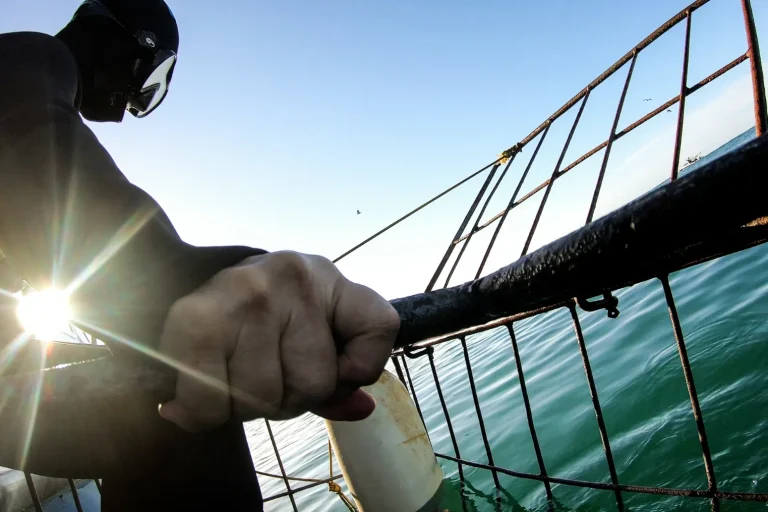
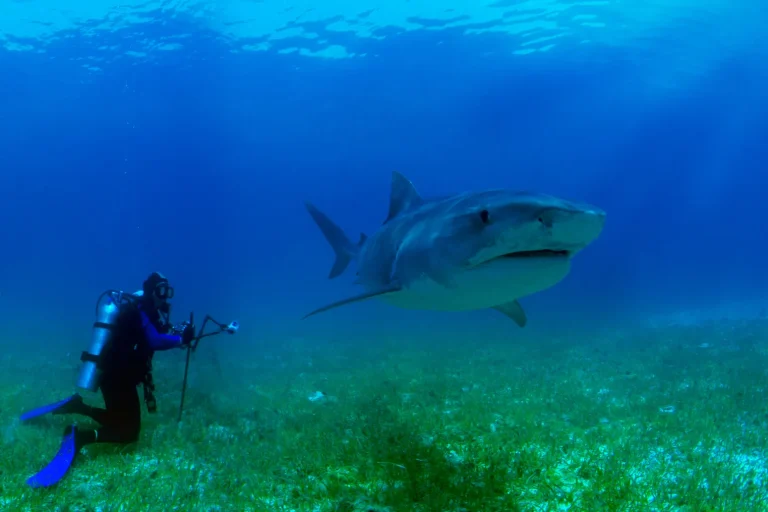
You’ll feel the difference the moment you step on the boat, small-group shark dives off Oahu stay quiet, organized, and easier on your nerves. With fewer fins churning the water, you get clearer views, calmer sharks, and a guide who can actually check your mask fit instead of shouting over a crowd. Tip: ask how many guests are in the water at once, not just onboard. Now, here’s where capacity starts to change safety and the whole vibe.
Key Takeaways
- Smaller boats (6–12 guests) reduce crowding and keep briefings, supervision, and group dynamics focused and calm.
- Limited in-water or cage entry (typically 6–8 at a time) means clearer sightlines, fewer tangled fins, and less surface chaos.
- Fewer swimmers per session enables longer, cleaner 20–30 minute drops with less waiting and more actual shark-viewing time.
- Safety improves with easier rule enforcement, better spacing, and a safety diver who can monitor nerves, gear, and exits closely.
- Early-morning small-group departures (around 6–7 a.m.) often deliver calmer seas and better visibility, maximizing comfort and viewing.
Small-Group Shark Dives Oahu: Is It Worth It?
When you size up Oahu shark dives, the small-group option quickly rises to the top, and for most travelers it’s worth the extra planning.
On small-group shark dives, you’ll share the boat with only 6 to 12 people, and entries rotate so the cage stays around 6 to 8 at a time, which means elbow room and looks at shapes sliding past up close.
You also get a more personalized experience: a clearer briefing, one-on-one gear fitting, and a safety diver who keeps everyone calm and hands off.
Many of the top shark diving tours on Oahu run small-group trips for a more controlled, guest-focused experience.
With fewer guests, you’re likely to snag in-water time during the 20 to 30 minute session, especially on early mornings when the ocean feels glassy.
Tip: if you’re chasing tiger season, aim for July to October.
Small-Group Shark Dives Oahu vs Big Boats
Stack up a small-group shark dive against a big boat on Oahu, and the difference shows up fast, in how much time you actually spend watching sharks instead of waiting your turn.
On many small-group shark dives, you’re sharing the cage or water with 6 to 12 people total, so you slip in sooner and stay longer, often 20 to 30 solid minutes rather than chopped rotations. The boat feels quieter too, with fewer splashes and less engine chatter, which can make an oahu shark encounter look clearer through your mask as Galapagos and sandbar sharks cruise in close. Many operators also offer cage-free shark diving, which can make the whole experience feel more immersive and less restricted.
Big boats can work if you’re flexible, but for prime early-morning calm, book small boats early or you’ll miss the best slot on your trip.
Small-Group Shark Dives Oahu Safety Basics
You’ll start with a clear pre-water safety briefing, and on a small-group trip you can actually hear it over the wind and salt spray, then get a quick, personal mask and snorkel fit so you know exactly how to enter, hold position, and exit without drama. You’ll also review simple hand signals for “OK,” “up,” and “stay back,” so the whole group can communicate clearly once you’re in the water.
Cage capacity matters more than most people think, so you’ll see limits around 6 to 8 at a time, which keeps elbows and fins from tangling and gives the crew clean lines for orderly turns when the cage goes down more than once.
With fewer passengers overall, you’re easier to supervise, a safety diver can stay close, and if currents pick up or you feel seasick, help arrives fast, not eventually.
Pre-Dive Safety Briefing
Before the boat even noses out of the harbor, the crew runs a quick, no-nonsense safety briefing that sets the tone for the whole shark dive, calm, clear, and surprisingly reassuring.
You’ll get entry and exit steps, emergency protocol, and tour rules, no touching sharks, no splashing.
They fit you with a mask and snorkel before boarding, review hand signals, and tell you what to do if gear acts up.
For Shark Cage Diving, the safety diver enters first, checks visibility, then gives the all-clear so you slide in and keep hands close.
They’ll flag seasickness tips, health limits, and infant timing, infants only on tours before 9 a.m.
Last, you hear shark behavior basics, typical distances, no chumming, and how sightings are handled.
It also helps to know what the check-in process looks like, since it sets expectations for the boat ride that follows.

Cage Capacity And Supervision
While bigger boats can feel like a floating field trip, small-group shark dives on Oahu keep the cage capacity tight, usually 6 to 8 people, so you’ve got elbow room and the scene stays calm instead of cramped.
On Shark Diving days, that space matters: you breathe slower, avoid bumping fins, and the crew can watch your hands, straps, and nerves. With 6–12 passengers total, small-group formats let them brief you fully, then a safety diver drops first and signals all-clear before you follow. This is a key point on any Oahu operator checklist: prioritize cage capacity so guides can supervise closely and keep entries and exits orderly.
- One staffer fits your mask and checks buckles.
- Fewer bodies mean cleaner entry and exit, no pileups.
- You get up to three controlled drops with gear checks.
- Clearer calls help you stick to no-touch, no-chum rules.
Easier Cage Entry and Calmer Water Sessions
With just 6–8 people per cage, you take turns faster, slip in on the safety diver’s signal, and skip the elbow-to-elbow shuffle that slows everything down.
Show up early if you can, because morning seas often feel smoother and quieter, with less splash and chatter so the water stays calmer and visibility usually looks cleaner.
You’ll notice how the quick rotations keep the pace steady, and a snug mask fit before you enter saves you from doing the bob-and-fix routine at the surface.
Even with smooth rotations, your actual time in the water can vary based on conditions and how the group cycles through each session.
Faster Turn-Taking In Cage
Cutting down on turn-taking makes a small-group cage dive feel smoother and noticeably calmer, because you spend less time swapping places and more time watching sharks glide past in that typical 20-minute window. With smaller cage groups, entries happen one by one, so the surface stays quieter, visibility still holds, and the safety diver can keep eyes on everyone. Before anyone rotates, the crew should confirm life jackets are accessible and assigned per boat procedure so transitions stay orderly.
When operators cap the cage at six, they’ll run a single full drop instead of chopping it into short shifts, which trims turn-taking time and cuts awkward ladder traffic. To keep your turn quick, try this:
- Check mask seal before you hit the ladder.
- Hold fins in one hand, step cleanly.
- Pause, breathe, then slide in without splashing.
- Exit calmly, let the next diver go.
Early-Morning Calmer Conditions
At dawn, Oahu’s north shore often feels like it’s holding its breath, and that’s exactly when cage dives go easiest. Your Tour usually departs at 6 to 7 a.m., and in summer the first boat often pushes off at 6, before trade winds wake up. With lighter winds and a smaller swell, you step into the cage with less fuss, you climb out without timing the roll, and the deck feels steadier underfoot. This early start turns the trip into a morning ocean encounter as the sunrise light hits the water.
Calmer water means less rocking, so you spend less time bracing at the rail and more time watching water slide past. Operators chase this window because surface chop can blur visibility during 20 minutes in the cage. Plan on Waikiki pickups at 5:45, book the earliest slot, and check wind forecast.
More Guide Attention on Small-Group Oahu Shark Dives
Often, the biggest perk of a small-group shark dive on Oahu isn’t the thrill of seeing a fin slice through blue water, it’s the extra guide attention you’ll feel from the moment you step on the boat.
On Oahu’s North Shore, small-group shark dives usually keep 6 to 12 guests onboard, so your guide can learn your name, check your mask seal, and spot nerves before you even smell the salt spray.
On Oahu’s North Shore, small-group shark dives keep 6 to 12 onboard, more time for name, mask checks, and calming nerves early.
With only six or fewer in the water for a 20 to 30 minute session, a safety diver slips in first and stays close, like a calm swim buddy.
If you’re celebrating, group bookings can keep the vibe intimate while still feeling like a shared event.
- Quick, personal gear fitting
- Clear rules that cut mishaps
- Real-time entry and exit timing
- More conservation tips you’ll actually remember
Ask questions anytime.
How Group Size Affects Shark Behavior
Usually, the calmest shark encounters on Oahu happen when there are fewer people in the water, because a small group naturally keeps the noise, splashing, and twitchy fin kicks down.
On small-group shark dives, with only 6 to 8 swimmers at a time, you move quietly, and sharks often keep natural, curious circles instead of veering off.
Fewer total passengers means less jockeying for position, so you avoid encouraging repeated close passes that can shape expectations.
Choosing an operator with clear safety briefings and no-chum policies helps keep interactions calm and predictable for both people and sharks.
Guides can monitor every diver, cue slow fin strokes, and keep spacing consistent, which helps sharks stick to normal foraging paths.
Operators report steady, unprovoked sightings, like Galapagos and sandbar sharks cruising calmly in clear, sunlit water.
Tip: exhale longer, and you’ll swim with sharks, not after them.
Cage vs Cage-Free Shark Dives on Oahu
If you want the closest look with the most built-in protection, you’ll likely choose a cage, where 6 to 8 people share about 20 to 30 minutes at water level while the crew keeps you steady and the sharks cruise past like quiet submarines.
If you’d rather feel the open ocean around you, cage-free trips keep numbers small, often 6 to 12 total and sometimes just six swimmers in the water, but you’ll need to be a confident swimmer who’s comfortable following a safety diver’s lead.
On many Oahu trips, your group books the whole boat as a private charter, which helps keep the vibe calmer and the briefings more tailored.
Either way, pay attention to safety protocols and proximity, then match the experience style to your comfort level, and book an early-morning small-group slot for calmer seas and better odds of seeing the big names, especially in tiger season from July to November.
Safety Protocols And Proximity
While the water off Oahu can look glassy one minute and lively the next, safety and shark proximity stay predictable when you choose an operator that runs small groups and follows tight routines.
On a shark dive, fewer bodies mean the crew spots drifting fins, loose straps, or nervous kicks fast, and they can enforce safety protocols without shouting over the wind. Responsible operators also carry CPR and first aid gear onboard for quick response at sea.
- Keep to the briefing line, enter only when the safety diver goes first.
- In a cage, let the metal frame and plexiglass set your boundary, stay hands in.
- In cage-free, hold position, give sharks several feet, exit on the cue.
- Ask how they attract sharks, no chumming, just boat noise, and book mornings for clear visibility when possible.
Experience Style And Comfort
Small groups keep shark encounters orderly, and they also shape how the whole outing feels once you’re at the rail, tasting salt on the wind and deciding how close you want to get.
In a cage, you’ll share space with about 6 to 8 people, drop for roughly 20 minutes, and press to the bars for a protected, close look.
With cage-free small-group dives, the vibe shifts to quiet focus, you’re swimming with sharks in open water, so you’ll want solid kick-and-breathe confidence and a calm, steady body.
Crews stay hands-on, safety divers enter first, fit your mask, and keep watch so you’re not jostled.
Choosing operators that follow responsible shark diving practices helps keep encounters predictable for guests while reducing unnecessary stress on sharks.
For comfort, book the earliest run, think 6 to 7 a.m., and favor light-wind days to cut seasickness too.
Sharks You’ll See on Oahu Shark Dives
Slip into the blue off Oahu’s North Shore and you’ll quickly learn who runs the neighborhood, because certain sharks show up with clockwork regularity. You’ll often spot Galapagos sharks first, sliding in with the boat wake, then stacking up in a loose group under the hull while you settle your mask for Shark Diving. Along the way, you might also notice other marine wildlife moving through the water column beneath the boat.
- Galapagos sharks: the regulars, usually 5–15 feet, calm and confident.
- Sandbar sharks: neat schools that cruise past like commuters, curious but not pushy.
- Oceanic blacktips: fast, sleek silhouettes that circle wide, then drift closer to inspect.
- Bonus sightings: scalloped hammerheads, and once-in-a-blue-moon oddities like a whale shark.
They’re drawn by motor noise from fishing, not active chumming, so keep your hands in and enjoy the show.
Best Season for Tiger Sharks on Oahu
If you’re timing your trip to catch Oahu’s most iconic big shark, aim for now through November, when tiger shark sightings ramp up and the ocean feels a shade warmer on your cheeks the moment you hit the water.
Within that season, July through October usually brings the best odds, as warmer water and natural movements draw bigger animals just closer to shore.
You’ll still want to keep expectations realistic, because tiger sharks don’t punch a time clock and no operator can promise a starring appearance every day.
Choose crews that spell out their policies clearly, offer a sighting guarantee, or pivot smoothly to reliable encounters with Galapagos and sandbar sharks, which show up year-round.
For an extra layer of preparation, review key visitor safety tips so you know what to expect around tiger sharks in Hawaii.
Pack a layer, and let patience do the rest.
Why Early-Morning Oahu Shark Dives Win
Set your alarm and get out on the water early, because Oahu’s first shark tours, often launching around 6 to 7 a.m., tend to hit the sweet spot for calm winds, flatter seas, and cleaner visibility.
This is why the best time of day for shark diving in Oahu is usually the morning rather than the afternoon.
You’ll feel the boat glide instead of slap, and you’ll spot fins against blue water before the sun gets harsh.
- Book the first shark tour for steadier conditions, especially if you’re going cage free.
- Aim for now through November, when tiger sharks show up more often, and mornings stay stable.
- Plan logistics, Waikiki pickups can start about 5:45 a.m., and check in 30 minutes early.
- Keep Total time in mind, most trips run 1.5 to 2 hours, and families with infants usually must go before 9 a.m too.
Best Oahu Operators for Small-Group Dives
Choose your operator like you’d choose your seat on the boat, closer to the action, not lost in the crowd.
For a hands-on snorkel swim, Hawaii Ocean Adventure Tours caps in-water at six, sends a safety diver in first, and keeps coaching close over the splash.
For cage dives, Hawaii Shark Encounters may carry 12 passengers, yet only six enter its plexiglass-view cage at once, so you won’t crane for a view.
North Shore Shark Adventures also limits trips to 12, and the cage often holds eight or fewer in water, giving you more turns with the sharks.
Haleiwa Shark Tours lets you choose a 6-guest boat or a 12-guest boat when your schedule’s tight.
Most small-group operators deliver 20–30 minutes in the water.
If you want the easiest logistics, look for a shark dive Oahu with hotel pickup so your small-group day starts smoothly.
Booking Small-Group Shark Dives Oahu: Prices & Rules
Because these trips run small on purpose, booking a shark dive on Oahu feels less like grabbing a ticket and more like reserving a spot on a tight, well-run boat, so it pays to know the price tags and the fine print before you hit “confirm.”
Expect most operators to cap boats at 6 to 12 passengers, with 6 to 8 people in the cage or in the water at a time, and plan for a 1.5 to 2 hour outing with about 20 to 30 minutes face-to-face with the sharks, plus a required check-in about 30 minutes early.
Many tours bundle essentials like safety briefings and basic gear into what’s included so you know what to expect before you arrive.
At Haleiwa Harbor, budget:
- Adults $112–$145 per person.
- Kids $85–$90; infants pre-9.
- ID for discounts.
- Cancel 24h, 72h for 10+.
Frequently Asked Questions
Do Small-Group Shark Dives Require Strong Swimming Skills or Snorkeling Experience?
No, you don’t need strong swimming or experience; you just need comfort and follow instructions. Knowing basic snorkeling helps. Choose a cage option for confidence building if you’re nervous or prone to seasickness in swells.
What Should I Bring Besides Swimsuit, Towel, and Reef-Safe Sunscreen?
Bring an Underwater camera or GoPro, plus a small backpack with snacks and a refillable bottle you’ll use. Pack a change of clothes, hat, sunglasses, and Water shoes. Bring your mask, snorkel, and ID along.
Are Prescriptions or Motion-Sickness Remedies Recommended Before the Boat Ride?
Yes, if you’re prone to nausea, take meclizine or dimenhydrinate 30–60 minutes before boarding for seasickness prevention. For longer trips, ask your doctor about scopolamine; do prescription verification, note side effects, and avoid alcohol beforehand, too.
Can Pregnant Guests or Those With Medical Conditions Participate in the Tour?
If you’re pregnant or managing a condition, you can’t join, like Sarah, 24 weeks pregnant, who skipped the water after her OB flagged pregnancy contraindications. You’ll complete medical screening, disclose issues, bring meds, and follow directions.
How Far Offshore Is the Shark Site, and How Long Is the Boat Ride?
You’ll go about 3–4 miles offshore (Nearshore distance) from Haleiwa Harbor to the shark site, and you’ll spend roughly 10–15 minutes underway (Ride duration). You might even spot sharks in the wake before arrival.
Conclusion
Choose a small-group shark dive like you’d choose a quiet trail over a crowded lookout, the ocean feels wider and the moment stays yours. With fewer fins churning, you slip into the water smoothly, hear your breath, and watch sharks cruise like calm patrol boats. You’ll get clearer briefings, quicker rotations, and a guide who notices your mask strap. Book early mornings, pack a light jacket, and let the cage be your front-row window today.