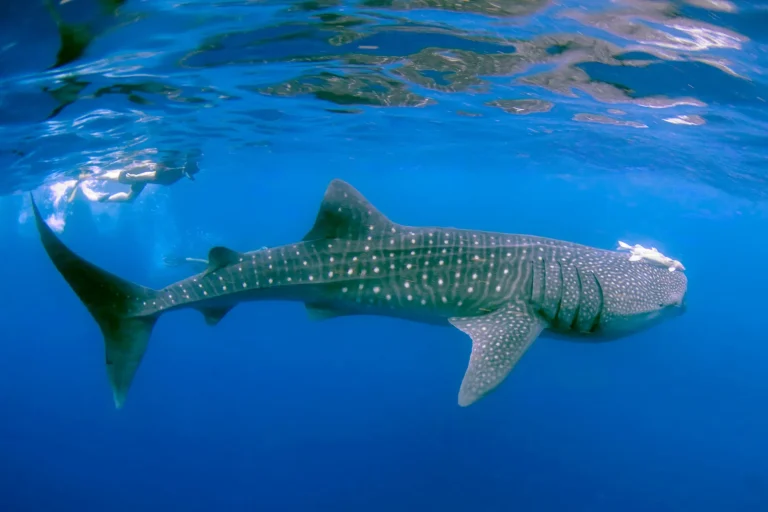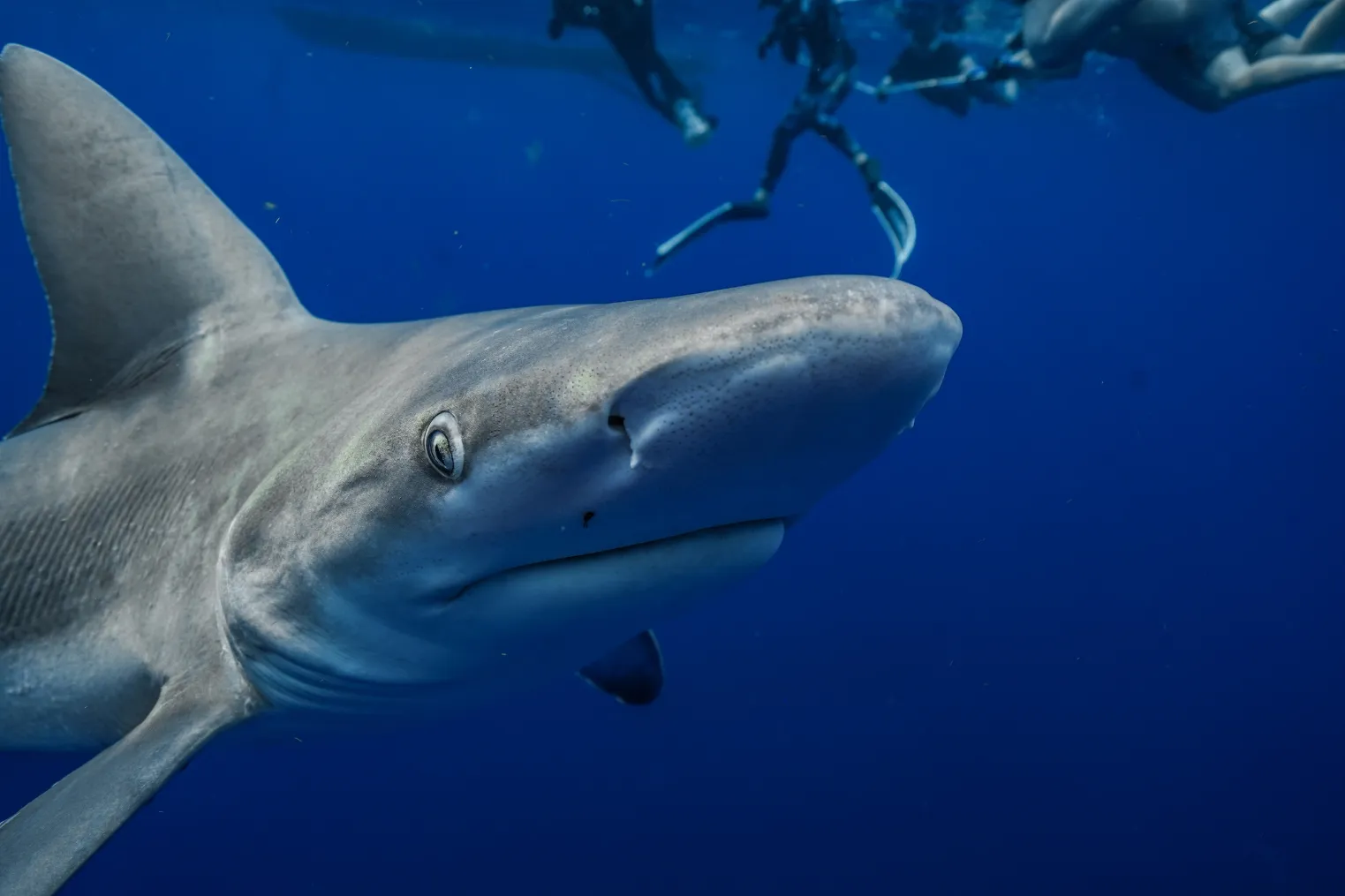
You don’t need to be a strong swimmer to do a shark dive off Oahu, but you do need the right setup, a calm plan, and a crew that treats flotation like nonnegotiable gear. You’ll likely wear a snorkel vest, hold a tow float like a pool noodle with a purpose, and let a guide talk you through slow breaths while sleek shapes glide below in clear blue water. The big question is whether you’ll feel steadier in a cage or out in open water, and that choice changes everything.
Key Takeaways
- Choose an operator offering snorkel vests and jet-ski–powered rescue floats with multiple handles for stable, surface-only viewing.
- Book early-morning departures from Haleiwa Harbor; calmer seas are common shortly after sunrise and improve comfort for non-swimmers.
- Tell the operator you’re a non-swimmer when booking, and request extra flotation plus added practice time during the gear briefing.
- Stay at the surface holding the tethered float; avoid splashing, keep hands and feet in, and follow guide distance rules.
- Learn hand signals (“OK,” “Stay close,” “Surface now”) and exit on cue, keeping your mask on until you’re secure at the ladder.
Can Non-Swimmers Do a Shark Dive Oahu Tour?
How do you get up close to sharks off Oahu if you can’t swim? You join a shark dive Oahu tour built for non-swimmers, where guides fit you with a snorkel vest and a jet ski powered rescue float with multiple handles. You stay on the surface, dip your face in when you want, and the guide scooters the float so you can watch sleek shadows cruise below.
Most trips leave from Haleiwa Harbor, then ride 15 to 20 minutes offshore to water, so choose a calm morning.
You’ll get a safety briefing plus mask, snorkel, and fins, and a trained guide stays close. No scuba certification needed, and you can stay on the boat. If you’d rather not get in at all, some operators offer stay-on-the-boat shark tour options that keep you dry and safe. Book early, and tell the operator you’re a non-swimmer.
Should Non-Swimmers Choose a Cage or Cageless Tour?
If you can’t swim, the cage versus cageless choice matters more than the “thrill” factor, because it decides whether you’ll feel anchored and steady or like you’re managing your nerves on open water.
If you can’t swim, choose cage or cageless based on steadiness, anchored security versus managing nerves in open water.
For many non-swimmers, cage diving feels like standing at a lookout, you hold the steel bars, float level, and snap photos without worrying about buoyancy or treading water.
Cageless trips can still work if you’re calm: you’ll wear a snorkeling vest or hang onto a rescue float as a guide tows it, and you’ll need to listen closely during the briefing.
For extra peace of mind, choose an operator known for a cage-free shark diving experience in Oahu with clear safety protocols and attentive guides.
Before you book, check the operator’s guide training, flotation gear, and clear instructions.
If open water makes you tense, pick the cage, or stay topside and watch from the boat.
What Are the Real Safety Risks for Non-Swimmers?
Although the sharks get the headlines, the real safety risks for non-swimmers on an Oahu shark dive usually look more ordinary, think nerves, breathing, and managing the moving parts of a boat a few miles offshore.
Your biggest risk is panic, breathing turns choppy and the snorkel feels tight, so take the briefing seriously, practice briefly, and stay beside your guide.
Next comes drift: currents and boat-to-water transfers can slide you away, so enter and exit on cue and keep hold of the tethered float.
Listen for hand signals in the safety briefing so you can respond fast if a guide needs you to stop, regroup, or adjust your spacing.
You can also knock into lines or the ladder, so stay on the surface and move slowly while guides handle equipment.
Finally, be upfront about seasickness, getting cold, or health issues, you’ll fatigue faster than even with flotation aids.

Still comparing Shark Dive Non Swimmers: Floatation, Guides, Tips?
Ask for tour ideas, hotel suggestions, or a simple trip plan that combines both.
Trip Helper
What Flotation and Wetsuit Gear Will You Use?
Out in the blue water off Oahu, you’ll rely on smart, simple gear that keeps you floating comfortably so you can focus on the sharks, not on staying up. For non-swimmers, the crew outfits you with a snorkeling vest and a jet-ski rescue float, a stable raft with lots of handles for easy gripping. An underwater scooter powers the platform, so you can get gently towed around during the 1 to 1.5 hour session, no freestyle required. Before you leave the dock, make sure you’ve packed reef-safe sunscreen along with a towel and dry clothes for after the dive.
- Snug 2mm to 3mm wetsuit or neoprene top for warmth, light buoyancy, and scrape protection.
- Mask, snorkel, and fins fitted in the briefing, then checked again before you slip in.
- Handle holds and body position tips, so you ride the float calmly while shark diving in Hawaii.
Where You’ll Stay in the Water (And Why It’s Controlled)
Because you’re not expected to swim laps in open ocean, you’ll stay right at the surface on a big, jet-ski–towed rescue float or in a high-buoyancy snorkeling vest, with plenty of handles and a stable platform that feels more like holding onto a pool noodle on steroids than treading water.
For non-swimmers, this keeps your face out of chop and your breathing steady as sharks pass beneath. You’ll be in shark zones three miles off Haleiwa, where the boat chooses deep water to limit current.
It’s controlled because the flotation devices don’t simply drift, they’re kept in place so you won’t slide toward traffic. In the briefing, you’ll learn where to float, how to hold on, and why staying calm with kicks beats splashing. Before you ever get in, the crew walks you through the check-in to boat ride flow so you know exactly what happens next.
What Your Guides Do During the Shark Dive
Before you even get in the water, your guides run a clear safety briefing on shark behavior, hand signals, and exactly when to use your flotation gear, so you’re not guessing once the boat starts rocking.
In the water, they stay close, scan in every direction, and position themselves between you and any curious shark, giving calm, real-time cues like “keep your feet down” and “slow your kicks” to keep spacing steady.
If you’re a non-swimmer, they manage the big rescue float or your vest, strap or steady you as needed, and steer you into the best viewing angle, so you can watch without tiring or drifting off course.
They also coordinate clear crew roles on the boat, like who watches the water, who assists at the ladder, and who manages flotation and headcounts, so entries and exits stay calm and controlled.
Safety Briefing And Protocols
Once you step onto the boat and feel the trade winds and salt spray, your guides kick things off with a mandatory safety briefing that’s built for real-world calm, especially if you don’t swim. You’ll learn shark behavior, hand signals, and surface position safety protocols, because splashing looks like bait. For non-swimmers, they fit a snorkel vest or a rescue float with an underwater scooter, then show you how to hold on, breathe, and signal. Ask your operator about their safety record and emergency procedures as part of choosing the right shark dive operator on Oahu.
- Where the radio, life jackets, and first aid kit sit
- How rapid retrieval works, with crew roles and the boat’s approach
- Your buddy pairing, gear check, and planned entry and exit points
They’ll review distance rules by species, so you don’t touch or feed sharks, even if curiosity spikes.
In-Water Supervision And Support
Slip into the water and you’ll notice your guides tighten the circle right away, staying close enough to grab your vest strap while they scan the shark line, the current, and your breathing like seasoned lifeguards with better scenery. You’re never left to drift, a guided hand stays within arm’s reach, adjusting your snorkeling vest flotation so you float calm. One guide posts on the surface with a rescue float and radio to the boat, ready to pull you in. Scooters tow the platform, keeping the group steady, using the boat as your reference point. On private shark dive charters, the crew typically gives a clear safety briefing and gear check before you enter the water so everyone knows the plan and signals.
| Cue | Guide action |
|---|---|
| Slow kick | Steady you, check breathing |
| Group shifts | Move you nearer boat |
They pivot when sharks get curious. If conditions shift, they relocate you, backup’s ready.
What the Shark Dive Safety Briefing Covers (Step-by-Step)
First, you’ll get clear entry and exit steps, so you know exactly when to slide in, how to hold a float, and what to do as the boat bobs and the wind snaps at the rails.
Then you’ll learn what the sharks you might see, like Galapagos, Sandbar, or Tiger, typically do around snorkelers, how much space to give them, and the simple hand signals you’ll use if you need help.
Finally, you’ll hear the non-negotiable rules, think no splashing or sudden arm swings, plus the emergency plan, where the life vests and first aid live, and when the crew will pull you out of the water.
You’ll also confirm the basic age and health limits for joining the dive before anyone enters the water.
Entry And Exit Procedures
Before you even dip a toe in, the crew walks you through an easy, repeatable entry and exit routine so you’re not guessing over the hiss of the ocean and the bob of the swim platform.
You’ll suit up in order, mask, snorkel, fins, then life vest, and you’ll wait for the guide’s signal before stepping in.
If you’re a non‑swimmer, you’ll enter holding the rescue float, keeping your body flat like you’re lying on a lounger, face relaxed at the surface.
Before the dive, practice controlled breathing at the surface so you can stay calm and steady once you’re on the float.
- Grip the float handles, point your fins behind you, breathe slow.
- For exits, glide to the ladder or float grabs, keep your mask on until you’re set.
- If you hear short whistles or “exit,” move calmly, let guides tow you for safety.
Shark Behavior And Distance
Once you’re kitted up and the ocean’s rhythm starts to feel less like chaos and more like a steady pulse under the boat, the safety briefing shifts to shark behavior and the simple distance rules that keep everyone relaxed. You’ll meet shark species: Galapagos and sandbar sharks cruise by, curious but not predatory to humans, and tiger sharks are seasonal, July to November, so sightings aren’t guaranteed. Sandbar sharks around Oahu often stick to sandy-bottom hotspots and tend to cruise in calm, predictable loops. You stay calm, horizontal, within arm’s reach of your guide, skip splashing, and keep hands and feet inside the flotation area.
| Shark species | Usual behavior | Your move |
|---|---|---|
| Galapagos | Curious passes | Stay with guide |
| Sandbar | Slow circles | Hands in |
| Tiger (Jul–Nov) | Seasonal chance | Don’t chase |
Watch for arched backs, gaping mouths, erratic sprints, then glide toward the boat.
Signals, Rules, And Emergency Plan
While the boat settles into a gentle rise and fall and the wind carries that clean, salty spray across the deck, your guide walks you through the signals, rules, and emergency plan so you’re never guessing in the water.
You rehearse “OK,” “Stay close,” and “Surface now” until you’ve got them, then you follow rules: stay still on the float, keep limbs in, don’t splash or chase, and shadow your guide’s line to the sharks.
In Cage-Free Shark Diving, they prioritize safety with roles, gear locations, and VHF steps for support.
Good operators also keep CPR and first aid gear onboard so they can respond immediately if someone needs help at sea.
- Always wear the vest, secure loose gear, and share meds or conditions.
- If you separate, hold the float, signal, and wait.
- For nausea, cuts, or a bite, retreat, apply pressure, alert the captain.
How to Enter and Exit the Water Without Panic
Even if you don’t swim, you can get in and out of the water without that stomach-drop panic by letting the crew and the gear do the heavy lifting. Before you enter the water, ask a guide to fit and test your life vest on deck, then slide on fins so your floatation and kick are sorted.
Grab the jet-ski–towed rescue float’s handles, keep your mask and snorkel sealed, and take three slow breaths like you’re smelling soup, not sprinting. Reputable operators also brief you on real risks and the specific safety practices they use to manage them before you ever touch the water.
For entry, sit on the edge and do a gentle backward roll as a guide holds the float so you stay face-up and relaxed. To exit, bring the float to the ladder, let the guide steady it, then climb one step at a time.
What Sharks You Can See on Oahu (By Season)
Most days off Oahu, you’ll spot at least one shark species, and knowing what shows up by season helps you set smart expectations before you zip your wetsuit and slip your mask on.
The Galapagos shark is your steady companion year-round, often cruising in loose circles below the surface, like gray submarines with calm confidence. Look for its broad rounded snout and confident, steady cruising pattern that matches what guides commonly note in Oahu waters.
In winter, you’ll often notice sandbar sharks, their tall dorsal fins slicing the blue as they glide with an easy, almost lazy rhythm.
From now through November, keep an eye out for the tiger shark, with the best odds in summer into late fall, but it’s never a promise.
- Watch baitfish balls, blacktips may follow.
- Ask guides what’s been seen, patterns help.
- Enjoy the mix, multi-species dives feel electric.
When to Book for the Calmest Oahu Conditions
Usually, the calmest shark-dive days off Oahu start with an early-morning departure, when the North Shore still feels glassy and quiet and the trade winds haven’t had time to rough up the surface. Aim for early mornings shortly after sunrise, and book between now and November, when summer to fall often brings smoother seas and great tiger-shark odds, though local breezes can still surprise you. This kind of early start lines up with the Sunrise Shark Dive feel of a quiet ocean before daytime winds build.
| Timing | What to look for | Why it helps |
|---|---|---|
| Date window | Now–Nov | Generally calmer |
| Forecast | <10–12 kt wind | Easier float, clearer top |
| Check-in | 48–72 hr, then confirm | Operator can swap days |
Reserve in advance, request the earliest slot, and keep your plan flexible so you can slide to a lower-wind day. If swell rises, you’ll feel it in the boat.
What to Tell the Operator Before You Book (Skills, Meds, Fears)
Tell the operator right away that you’re a non-swimmer and describe your comfort level in open water, then ask to reserve the large jet-ski rescue float or a snorkeling vest so staffing and gear match your needs. If you want the easiest logistics, ask about hotel pickup so you’re not navigating Oahu transportation before an early boat departure.
Share any medical conditions and the meds you take, and mention seasickness or motion-sickness, because that’s what helps them decide if you need clearance, suggest options like a scopolamine patch or meclizine, and point you toward steadier seating if the swells pick up.
If anxiety, claustrophobia, or a fear of sharks is part of your story, say so upfront, you’ll often get a calmer briefing, a steady guide at your side, and a slower, surface-only plan that feels more like floating in a big saltwater pool than wrestling the ocean.
Swimming Ability And Comfort
Before you lock in a shark dive off Oahu, share a quick, honest snapshot of your swimming comfort so the operator can match you with the right setup, not just the next open seat. If you’re a non-swimmer or you tire fast, say so, they can reserve a powered rescue float or snorkeling vest, and schedule a set of eyes on you when you’re swimming with Sharks in ocean water. If you have asthma or another condition, ask about their medical conditions policy and whether you should bring an inhaler or any required meds on the boat.
- Rate your swim ability plainly: strong, rusty, or “I don’t swim.”
- Tell them what gear feels natural, mask and snorkel, fins, or float only, so you get the right practice time.
- Name your specific fears, open ocean, sharks, or tight cages, so guides can coach breathing, offer slower entries, and keep the vibe calm.
Medical Conditions And Medications
Your swim comfort sets the tone, and your health details finish the safety picture, especially when you’re stepping off a rocking boat into warm, blue water with your heart rate already up from the excitement.
Before you book, disclose any heart disease, recent heart attack, or uncontrolled blood pressure, since boat motion and exertion can spike risk and a note might be required.
Share asthma, COPD, recent pneumonia, and any ear or sinus surgery, because snorkel breathing and pressure changes can bite like a headphone seal.
List medications that dull alertness or balance, including sedatives, strong antihistamines, opioids, and some blood pressure pills, so guides can plan for seasickness or fainting.
Mention pregnancy, seizures, implants, or mobility limits, and ask what flotation they’ll pack.
If you’re pregnant, ask specifically about the operator’s pregnancy policies and whether they recommend postponing shark diving in Oahu or choosing a lower-impact alternative.
Anxiety, Fears, And Triggers
Even if you love the idea of sharks in that clear Oahu blue, nerves can hit fast once the boat starts rocking and the water looks deeper than a swimming pool, so it pays to share your anxiety details early. Tell the operator about panic disorder, claustrophobia, severe anxiety, or PTSD triggers, and what sparks them, loud engines, sudden movement, or shark shadows. Share your swim level and snorkel comfort, so they can match you with a calm guide, assign a surface role, or choose extra flotation like vests or a rescue-float. If panic hits in the water, rely on a simple breathe-float-signal routine so you can slow your breathing, stay supported by flotation, and alert the guide to exit calmly.
- List meds, including SSRIs or benzodiazepines, note changes, bring originals.
- Flag seasickness or vestibular issues, ask for morning water and steady seating.
- Ask for an enter, breathe, exit plan if you panic.
Frequently Asked Questions
Do I Need to Sign a Waiver or Provide Medical Clearance?
Yes, you’ll sign a liability release before boarding. You’ll also complete a medical questionnaire; if you’ve got heart, respiratory, seizure issues, recent surgery, pregnancy, or meds affecting balance, bring a clearance or you can’t dive.
Are Shark Dive Tours Suitable for Kids or Older Adults?
Yes, absolutely, even if you’re “sure” they can’t. You’ll check age limits and mobility considerations, stay under guide supervision, use vests and rescue floats, attend briefings, and disclose conditions early.
Can I Bring My Own Mask, Snorkel, or Prescription Lenses?
Yes, you can bring your mask and snorkel; most operators welcome personal gear. For fit concerns and visibility upgrades, you’ll use prescription inserts or contacts, confirm compatibility ahead, label gear, and pack anti fog solutions.
What Happens if I Feel Anxious and Want to End Early?
If you feel anxious, you’ll give your guide the agreed signal cue, and they’ll escort you to the ladder. You’ll follow the exit procedure, use a vest or rescue float, and return quickly, no penalty today.
Are Photos and Videos Included, or Should I Rent a Camera?
Photos and videos usually aren’t included, so you’ll bring your own action camera. Ask about underwater photography packages. Pack extra memory cards, a charged battery, and waterproof housing; some operators charge for a photographer’s downloads.
Conclusion
You don’t need to “swim like a dolphin” to meet Oahu’s sharks, you just need to follow the plan, wear the vest, hold the tow float, and breathe like you’re sipping hot tea. Tell the crew you’re a non swimmer, ask for extra practice, and show up early when the ocean feels smoother and cooler on your cheeks. Keep your hands in, stay close to your guide, and let calm do the work.