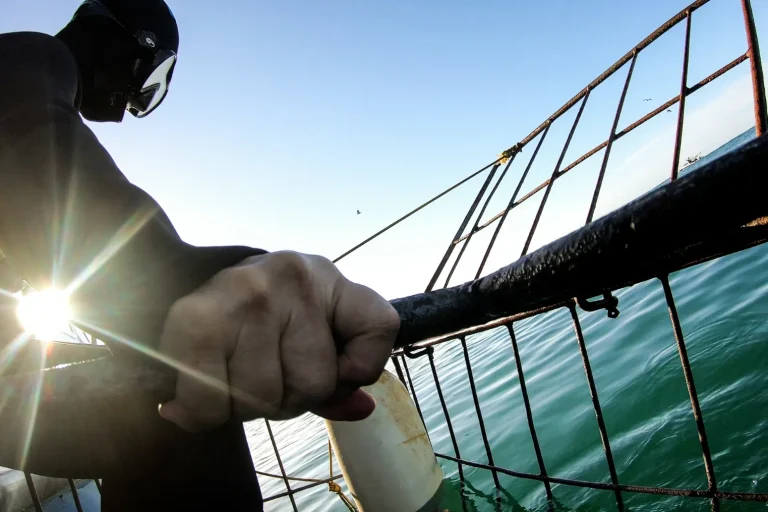
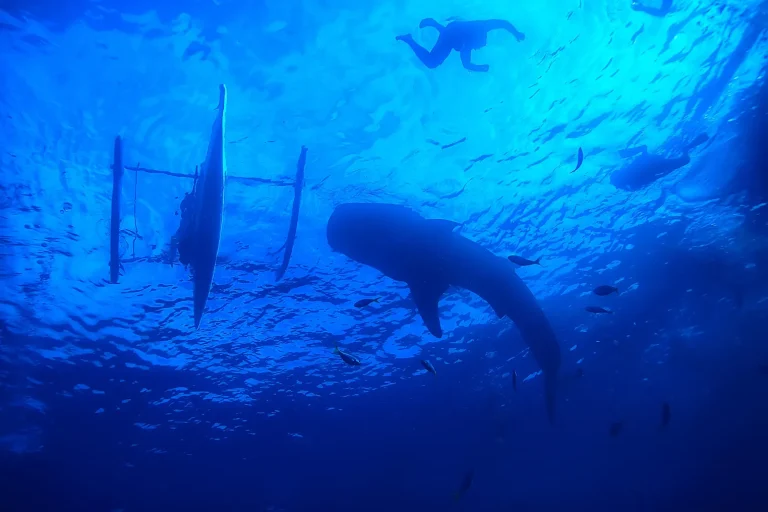
You book a small shark dive out of Haleiwa, then step onto a boat that smells like salt and sunscreen. The captain checks gear, the spotter scans the blue, and the dock hums with coolers and chatter. Your ticket pays for fuel, wages, repairs, and the cafe coffee you grab after. You also hear the rules, hands to yourself, smart baiting, no reef scraping. But who really wins when the sharks show up?
Key Takeaways
- Shark dives from Haleʻiwa typically run 1.5–2 hours in small groups, costing about $135 per person and generating steady local revenue.
- A full eight-guest boat can gross roughly $1,080 per trip, funding captain wages, crew pay, fuel, maintenance, and gear from Oʻahu vendors.
- Tourism supports dockside and town jobs, including booking staff, gear techs, mechanics, fuel services, cafes, hotels, and shuttle drivers.
- Responsible operators reduce ecological impact by avoiding heavy chumming, enforcing no-touch rules, using reef-safe practices, and following clear distance protocols.
- Shark ecotourism increases the economic value of live sharks, funding education and research ties while reducing incentives for shark fishing.
How Oahu Shark Dive Tourism Works
While most visitors picture shark dives as a far‑off expedition, on Oahu it often starts with a quick drive to Haleiwa and a small family-run boat easing out of the harbor. If you’re traveling without a rental, getting there without a car can be as simple as using Oahu’s public transit or a rideshare to reach Haleiwa for check-in.
You check in with a family-owned crew, stash your towel, and feel the deck thrum as you head offshore.
Most trips run 1.5 to 2 hours, cost about $135, and keep the group small, often eight guests.
You slip into water for about 30 minutes of snorkeling and scan the deep.
Depending on season, you might spot tiger sharks, plus Galapagos or sandbar sharks.
Early mornings through November bring the best odds, though nature never signs contracts.
Back on board, guides share shark facts and how Shark Diving supports local jobs and research.
How to Choose a Responsible Oahu Shark Dive
Because you’re stepping into the open Pacific with an apex predator nearby, choosing a responsible Oahu shark dive matters as much as packing your sunscreen.
You’re entering the open Pacific with apex predators, choose an Oahu shark dive that puts safety and respect first.
Start in Haleiwa and look for Oʻahu operators with roots, like family run crews and a clear mission that respects culture and sea life.
Ask when they go out. Early mornings on light wind days often bring the best sightings and calmer seas.
Check bait rules. Skip any Shark Tour that leans on heavy chumming or loose fish waste.
Look for crews that follow responsible operator standards that prioritize minimal impact and clear safety protocols.
Confirm basics. Most trips run 1.5 to 2 hours with 30 minutes in the water, $135 and up, and no more than eight guests.
Read reviews and ask about distance, no touching, reef safe anchoring, and education or research ties.
Where Your Oahu Shark Dive Dollars Go
After you zip up your wetsuit and step onto the boat in Haleʻiwa, your ticket does more than buy you 30 minutes in blue water with sharks cruising below. At about $135, you’re backing a family-run operator. On a 1.5 to 2 hour trip, a full boat of eight can bring in about $1,080 before costs, the kind of total that keeps small boats humming. Before anyone gets in the water, guides walk you through a detailed safety briefing so everyone knows what to expect on a private charter.
Your dollars then ripple ashore. The captain tops off fuel, replaces frayed lines, and stocks snacks and gear from Oʻahu vendors. Maintenance shops get work, too, because saltwater never takes a day off.
And because shark ecotourism rewards live sharks again and again, operators invest in briefings, outreach, and research partners that help protect local habitat for future dives.
What Jobs Oahu Shark Dive Tourism Creates
Shark-dive tourism on Oʻahu runs like a small floating workplace, and you can hear it before you even leave Haleʻiwa Harbor. You’ll spot captains checking charts, crew loading tanks, and guides fitting masks while a safety watch counts heads. From check-in to the boat ride, crews also walk guests through safety briefing steps before departure. Family outfits like Original Hawaiian Shark Tour also hire shore teams to answer calls, click “Book Now,” and keep gear rinsed and ready.
| Where you’ll see work | Typical jobs |
|---|---|
| On the boat | captain, crew, dive guide, safety lead |
| At the dock | booking agent, customer service, gear tech, marketing |
| Around town | hotel staff, cooks, shuttle drivers, shop clerks |
When you buy a $135 package or a $100 coastal cruise, you help keep fuel trucks, mechanics, and provision runs busy for 1.5 to 2 hour trips daily.
Still comparing Shark Dive Tourism And The Local Economy On Oahu?
Ask for tour ideas, hotel suggestions, or a simple trip plan that combines both.
Trip Helper
How Oahu Shark Dives Support Shark Conservation
When you step onto a cage boat at Haleʻiwa Harbor, you’re not just buying a thrill. You’re helping turn live sharks into local value. A 1.5 to 2 hour Oahu Shark Dive runs about $135 and that money pays captains, deckhands, and spotters. It also keeps fewer hooks in the water because steady tour work can beat shark fishing.
After you zip into a wetsuit and hear the engine growl, you’ll likely get a quick shark talk. That simple briefing can spark real shark conservation. Your ticket also feeds the Haleʻiwa loop of boats, gear rentals, and nearby cafes. Practicing ocean stewardship also means following operator rules that reduce impact, like never touching wildlife and packing out trash. When operators use light attractants and follow best practices, they can support research and keep these powerful animals cruising for years off Oahu’s North Shore.
Frequently Asked Questions
Do I Need to Be a Strong Swimmer for a Shark Dive?
No, you don’t need to be a strong swimmer; most shark dives use surface snorkeling with flotation aids. Swimming ability? You’ll get gear, briefings, and close crew support, tell operators ahead if you tire easily today.
What Age Limits Apply for Shark Dive Tours on Oahu?
Like a height marker at a park, age limits vary by operator; ask “Minimum age?” before you book. Many tours welcome kids with parental consent and basic swimming, but spots are limited, so reserve early.
What Should I Bring or Wear on a Shark Dive Excursion?
You’ll wear Appropriate attire: a snug swimsuit or rash guard, and pack a towel and clothes. Bring reef-safe sunscreen and a hat. Use your mask, snorkel, fins. Secure valuables; take seasickness meds, camera; book early.
Will I Get Seasick, and How Can I Prevent It?
You might get Motion sickness, but you can cut the odds. Take meclizine or use a scopolamine patch 1–2 hours early, sit mid-ship, watch the horizon, eat light, hydrate, tell crew fast on calm mornings.
What Happens if Weather Cancels My Shark Dive Booking?
If weather cancels your shark dive, you’ll usually get a same-season reschedule or a full refund. Check the operator’s Cancellation policy and blackout dates. They’ll call or email, and third-party bookings may take longer too.
Conclusion
You book a small-group cage excursion in Haleʻiwa and, by coincidence, the same dockhand who checks your waiver also points you to the best shave ice. You hear the boat idle, feel salt spray on your lips, and watch a gray shape slide under blue water. Your ticket pays the captain, crew, and spotter. It also keeps fuel in the tank and gear rinsed clean. Choose no-touch rules and smart baiting, and the sharks stay worth seeing.