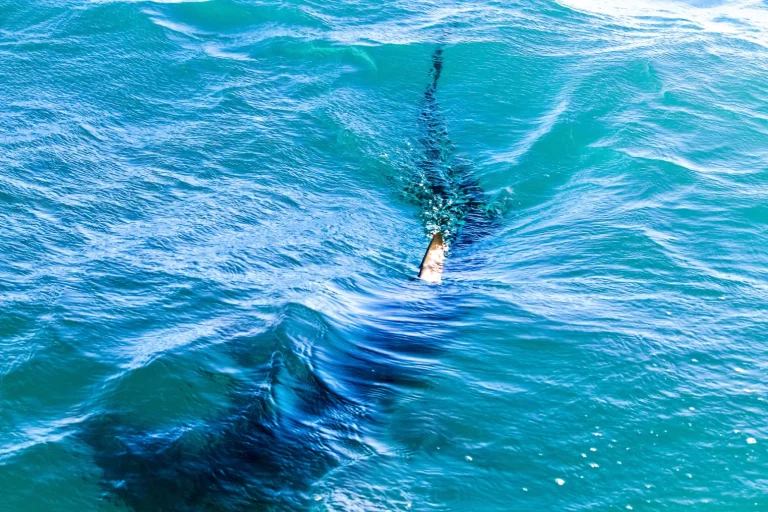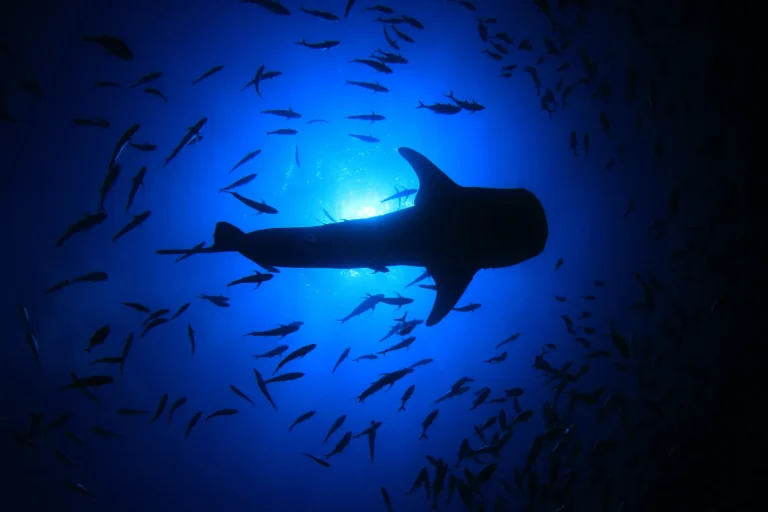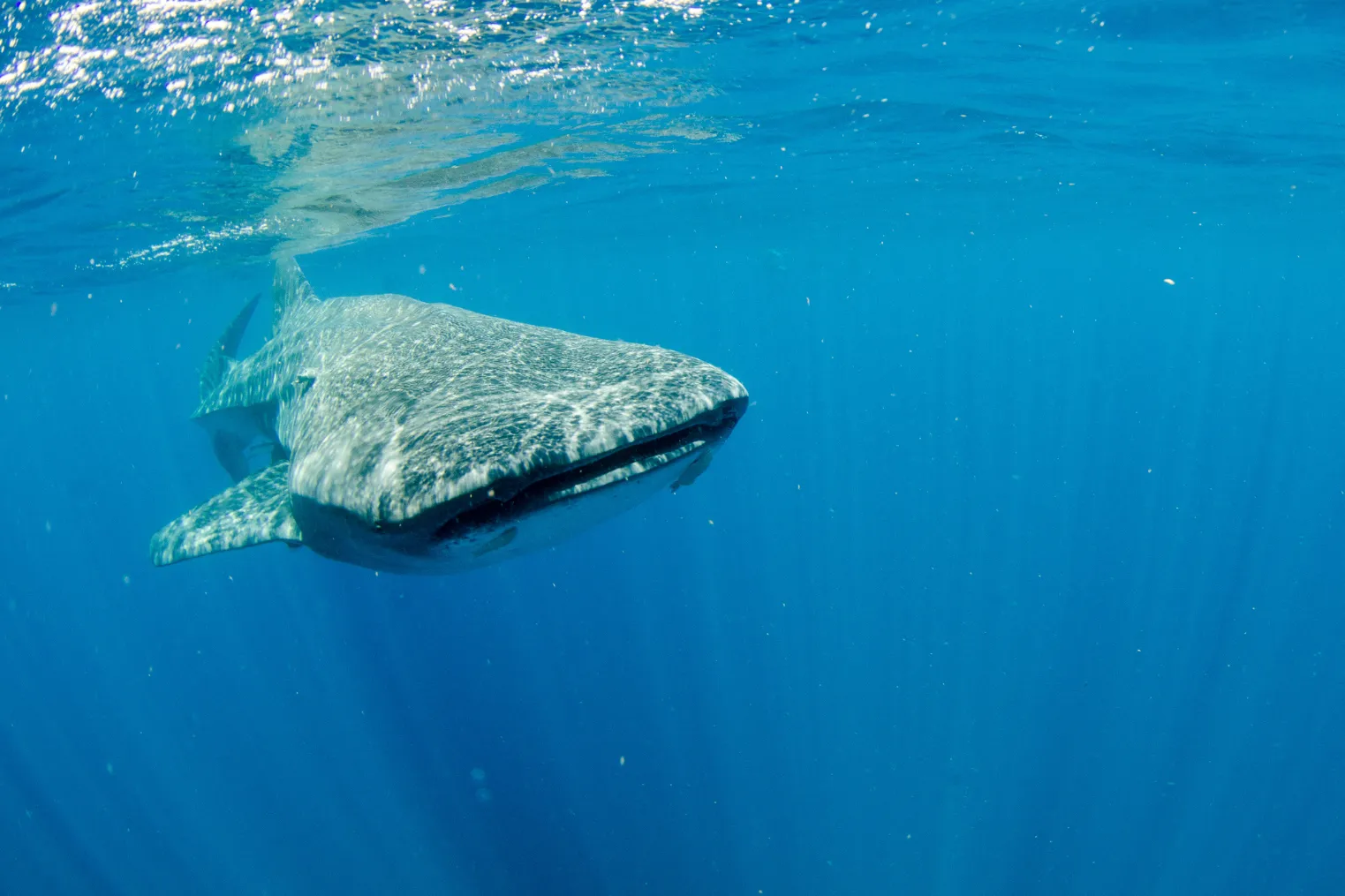
Dropping into blue water can feel like stepping off the edge of the sky. You’re on a small boat off Oahu’s North Shore, the wind is loud, and your mask smells faintly of rubber. You grip the line like it’s a handrail and you match your breath to a slow count. A gray shape slides in and the crew stays calm, almost bored. The question is how you get there too…
Key Takeaways
- Book a morning North Shore charter with a conservation-first operator; confirm permits, insurance, and certified safety divers before committing.
- Start calming immediately with breathing: inhale 4 seconds, hold 1, exhale 6–8, and repeat whenever anxiety spikes.
- Stay vertical, move slowly, and follow safety diver hand signals; calm body language keeps you stable and reduces panic in open water.
- Use a visual anchor like the boat line, count seconds, and focus on one shark at a time to prevent overwhelm.
- If deep water still feels intense, choose a steel cage option or a smaller private charter for more coaching and comfort.
Is an Oahu Shark Dive Safe for Beginners?
While it might sound wild to slip into open ocean with no cage, an Oahu shark dive can be a solid choice for beginners when you go with an experienced North Shore operator.
You’ll ride out on a morning charter, hear the wind slap the hull, and get a safety briefing before you enter.
Guides keep you at the surface or on a freedive above 150 to 300 feet of blue.
They watch body language and step in fast.
Shark Diving in Oahu usually means curious Galapagos sharks and sandbars, with the rare tiger cruising by like a bouncer.
Strict no-touch/no-feed rules keep things predictable.
Many trips also include a clear rundown of cage-free shark diving techniques so you know exactly how to position your body and move calmly in the water.
Skip shiny jewelry and sunscreen.
If you prefer an Oahu Shark Cage, a shark cage diving experience exists too.
How Do You Stay Calm in Deep Water With Sharks?
Safety rules and good guides handle the big risks, but your own nerves still come along for the boat ride. In deep water, lean on controlled breathing. Inhale for 4, hold 1, exhale 6 to 8. Keep calm posture, stay vertical, and move slow. Follow the safety divers and their hand signals. To avoid the dizzy vastness, use a visual anchor like the boat line and count seconds.
Safety rules cover the risks; your nerves still ride along, breathe 4-1-6, stay vertical, move slow, follow signals, anchor on the line.
Before Shark Diving in Hawaii, practice snorkeling so gear feels normal. Run through essential snorkel skills like mask clearing and steady finning until they’re automatic. Soon, shark diving experiences turn from jitters to wonder. Keep your eyes on one shark at a time, not the whole ocean, and let curiosity take over.
- Bubbles tickle your lips
- Sunlight stabs blue
- A sandbar glides past
- Your hands unclench
- You start to smile
Which Oahu Shark Dive Tours Are Ethical (No Feed, No Touch)?
Often, the most ethical Oahu shark dive feels almost quiet on purpose. You’ll see No-feed no-touch rules posted clearly, and the crew won’t joke about “bait buckets.” The best North Shore shark tours head to deep pelagic water and rely on non-bait attraction like a quick engine rev or a flash of shiny lure. You watch a Galapagos shark cruise in blue light, unhurried, as if it owns the whole horizon.
Before you book, ask who’s in the water with you. Pick conservation-first operators with local guides, trained safety divers, and small groups around 6 to 10. Confirm no touching, no feeding, and that photos come from guides. Make sure the crew follows no-feed protocols and doesn’t use chum, bait boxes, or anything that conditions sharks to boats. Check permits, insurance, and reviews describing natural behavior, not boat-trained sharks. Try cageless freediving when ready.
Cage vs. Cageless Shark Dive Oahu: Which Should You Choose?
Let’s break it down: on Oahu’s North Shore, you’ll usually choose between a steel cage that clinks against the boat ladder and a cageless swim where you float in open blue about 150 to 300 feet offshore.
If you can swim and stay calm, Cageless Shark Diving feels like a clean window into the sea.
Galapagos and sandbar sharks cruise by, and a safety diver keeps you close and no-splash.
On a private shark dive charter, you can usually expect a smaller group and more one-on-one guidance before you enter the water.
If open water rattles you, the cage adds a hard edge of comfort.
Just know some cage trips use bait, so ask about feeding policies, crew certs, and how they manage photos before you book your shark tour.
On Oahu, always pick conservation-first operators.
- Cold steel
- Blue silence
- Slow breathing
- Wide eyes
- Grinning ride
Best Time for a Shark Dive Oahu (Seas, Visibility, Comfort)
If you want the smoothest ride out to the North Shore and the clearest blue once you roll in, plan your shark dive for spring or fall.
March through May and September through November usually bring calm seas around Oahus North and better visibility, so the horizon looks glassy and the water reads like cobalt. Summer can also bring calmer seas and warm waters for shark diving in Oahu. Book morning departures, ideally the first charter, when the ocean still feels sleepy and wind chop stays low. Watch the marine forecast for trade winds under 10 to 15 knots.
Aim for March–May or September–November; book the first morning charter for calmer seas, cobalt visibility, and trade winds under 10–15 knots.
Light wind days make the surface easier and the view below sharper.
Water temperatures hover around 75 to 82°F year round, but early starts can feel cool, so pack a thin rashguard or 3mm suit. You’ll notice sharks sooner.
What Happens on an Oahu Shark Dive Tour (Step-by-Step)?
Before you even see a fin, you’ll start the morning at Haleiwa Small Boat Harbor with salt in the air and the clink of gear on the dock. You check in, meet the captain and safety divers, and get a boat briefing on no-touch rules. Plan to arrive early for check-in times so you’re not rushed on the dock. The Shark Dive Oahu boat rides a few miles out to pelagic water.
The captain revs the engine and flashes a shiny lure. You watch from the boat, then slip in to swim with sharks as safety divers hover. You may see 1 to 3 Galapagos sharks, plus sandbars. After about 30 minutes, you cruise back. Operators snap photos so you stay present too.
- Cold water bite
- Quiet, deep blue
- Fins cut sunlight
- Silver barracuda streak
- You exit smiling
What to Pack for a Shark Dive Oahu (And What Not to Wear)
Out on Oahu’s deep-blue water, the right gear keeps your focus on the fins, not the fuss. For shark diving, start with a swimsuit plus a light rash guard or shorty wetsuit. The ocean sits around 75 to 80°F so you won’t need a thick full suit. If you tend to get chilly, consider simple layers like a thin rash guard under your suit for extra warmth without bulk. Bring your own mask and snorkel and fins if you can. Many crews supply them, but a personal mask seals better and fogs less.
What to pack next: a waterproof dry bag for your phone, wallet, and seasickness meds. Apply reef-safe sunscreen before boarding, then towel off so your mask stays clear, or swipe on zinc. Wear waterproof sandals, pack a towel and windbreaker, and leave shiny jewelry at home so the ride back feels easy.
Frequently Asked Questions
What Age Limits Apply for Oahu Shark Dives?
You’ll need a minimum age of 12 for cageless dives, sometimes 8–10 in cages, plus parental supervision and guardian consent if you’re under 18. Expect medical clearance, height requirement, and ask about discounts, school trips.
Can Non-Swimmers Join a Shark Dive Tour?
Yes, you can join if you pick cage or boat viewing. You’ll wear life jackets, use flotation aids, and get guided support. Add beginner lessons, pool practice, buddy systems, and identify panic triggers before booking always.
Do I Need Scuba Certification, or Is It Snorkeling Only?
You don’t need scuba certification; you’ll use snorkel gear on most tours. You’ll follow a guided briefing, practice breath control, check mask fit, respect marine etiquette, watch safety signals, and take surface intervals as needed.
How Far Offshore Do Shark Dive Boats Travel From Oahu?
Even if shore looks tiny, you’ll go 2–6 miles offshore from Oahu. Captains manage nearshore distances, anchorage regulations, marine navigation, fuel range, coast guard rules, and habitat zones, keeping your tour radius in deep water.
What’s the Cancellation Policy if Weather Turns Bad?
If weather crosses operators’ weather thresholds, they’ll cancel at operator discretion and you’ll get full refunds or reschedule options. Guest cancellations may earn partial refunds or trip credits. Ask about force majeure, sites, and timing.
Conclusion
You don’t need to be fearless to do a shark dive on Oahu. You just need a good crew, a calm breath, and a plan. About 100 million sharks are killed each year, so seeing one alive and steady can reset your perspective fast. You’ll hold the boat line, float vertical, and watch one shark at a time. You’ll hear the ocean hush. Your wetsuit feels snug. Then you climb back aboard and laugh at your shaky legs.