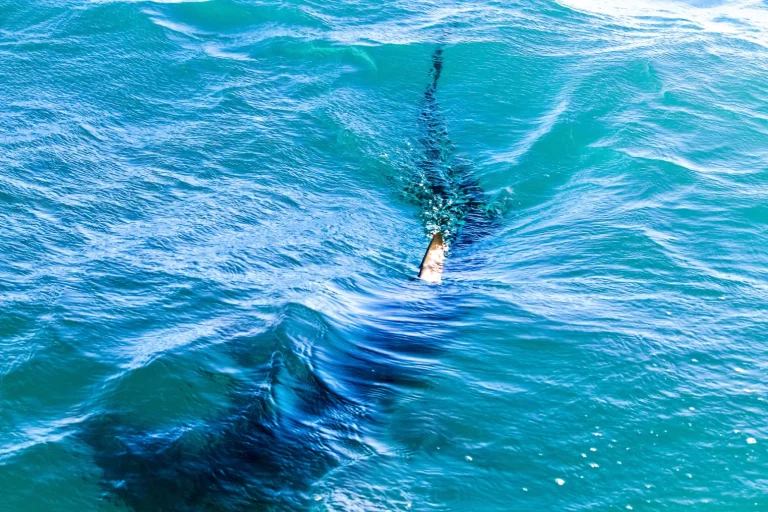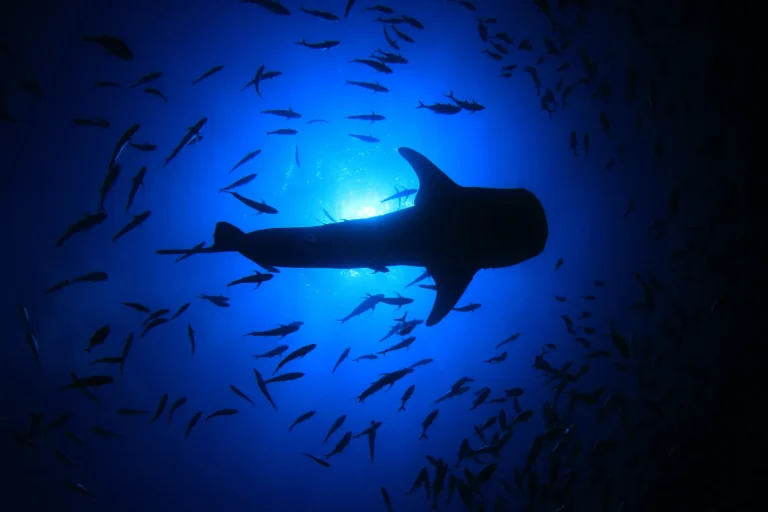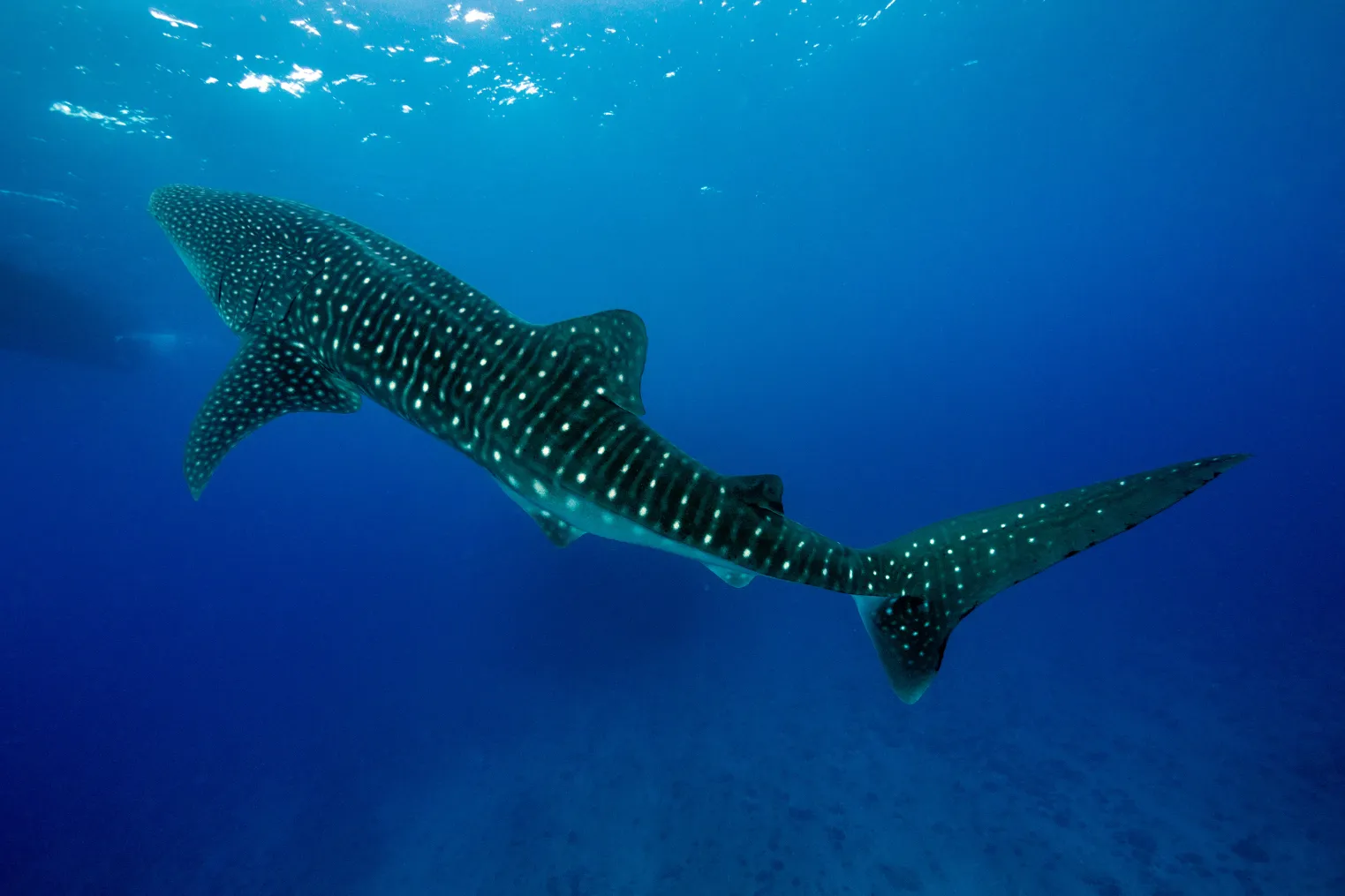
Like a scene from a nature documentary, you can watch sleek sharks glide through blue water while you stay focused on steady footing and smart timing. You’ll want to pick the right boat, ask about steps and grab rails, and confirm where a wheelchair or cane can ride. You’ll hear the harbor clink and the deck creak under non slip shoes. Call ahead, spell out what help you need, and then see what happens when the cage door opens…
Key Takeaways
- Meet at Haleiwa Harbor (about 45 minutes from the airport); park free near Haleiwa Bridge and arrive early for the closest spots.
- Call the operator ahead to confirm the exact departure ramp/meeting point and request extra time or escort assistance at check-in.
- Choose private or small-group boats for more crew help with dock-to-boat transfers, handholds, and stable boarding guidance.
- Share mobility details when booking (device type, transfer ability, storage needs) and confirm non-slip decking, handrails, and seat locations.
- Prefer cage dives for accessibility: seated viewing with rail grips and no swimming; cage-free tours require stronger mobility and open-water comfort.
Is This Shark Dive Oahu Accessible for You?
Although the idea of a shark dive can sound intense, this Oahu tour is surprisingly doable for a wide range of travelers if you plan the logistics.
You’ll meet at Haleiwa Harbor, about 45 minutes from the airport, and you can snag free parking near the Haleiwa Bridge.
Some shark dive operators on Oahu may also depart from boat ramps depending on the tour.
The boat runs a small group, max six guests, so the crew can focus on you and talk through access needs.
If you use manual wheelchairs or another mobility aid, call ahead and ask about boarding. Some boats involve steps or a ladder and may need a transfer or an able-bodied helper.
Once aboard, the cage setup offers stable seated viewing behind plexiglass windows, with the ocean hiss right outside.
Bring seasickness meds and a jacket.
Do You Need to Swim on This Oahu Shark Dive?
If you can climb in and hold on, you can do the classic Oahu shark cage dive without knowing how to swim. The plexiglass cage feels like a porch. You grip the rails, slide in with crew help, and watch gray shapes cruise past in water. You’ll hear bubbles, creaks, and the thump of fins nearby.
Swimming Skills matter only if you choose a cage-free shark dive. Open water requires beginner strokes and calm breathing in chop. It’s a no-go for limited mobility. Many tours take ages 5+ and keep groups small, max six, so safety divers can steady you on ladders. For the easiest logistics, book a shark dive with hotel pickup so you don’t have to manage extra transfers to the harbor. If you’d rather stay dry, ask about a seated cage spot or view from the boat. Tell the operator your limits early.
Which Shark Dive Oahu Option Fits You Best?
If you want steady footing and easy viewing, you’ll likely feel best in a cage with clear plexiglass windows where you can watch sleek shadows glide past while you hold the rail.
If you’ve got limited mobility or use a wheelchair or mobility aid, you’ll want to confirm boarding help and ramp options with the operator since boats vary even when Haleiwa harbor parking is simple.
Before you leave the dock, your day typically starts with check-in followed by a short boat ride out from the harbor.
If you’re tempted by cage-free time in open water, remember it asks for at least basic swimming and more movement, so comfort and mobility should lead the choice.
Cage Vs. Cage-Free
When you’re picking a Shark Dive Oʻahu tour, the biggest choice comes down to cage or cage-free, and it changes the whole feel of your morning on the water.
With a cage diving adventure, you step into a steady frame with rail grips and sometimes plexiglass windows. You can watch shapes glide past while the boat rocks and the crew chats. Most tours run about two hours and start at age 5+, with no swimming needed, so it’s often the most accessible shark tour. On a private shark dive charter, the crew can often tailor pacing and assistance so transfers and viewing feel smoother.
Go cage-free and you’ll slip into open blue with a handler. It feels wilder, but you’ll need at least beginner swimming and comfort with transfers in the water. Groups stay small, max six.
Call ahead about help and viewing options.
Mobility And Comfort Fit
Cage or cage-free sets the mood, but your comfort and mobility really decide which tour feels fun instead of taxing. If you have limited mobility and want the easiest ride, pick the plexiglass-window cage (age 5+). You sit steady, watch shadows cruise past, and you don’t need to swim. Before you book, use a quick operator checklist to confirm crew assistance, boarding steps, and comfort details.
- Book a private or semi-private trip. Six guests max means the crew can help you board and review safety calmly.
- If you use a wheelchair or aid, call ahead about harbor boarding, parking near Haleiwa Bridge, and any portable ramp.
- Plan for a 2-hour run about 3 miles offshore. Bring a light jacket and try seasickness meds or wristbands.
Cage-free feels wild, but it needs swimming and isn’t worth the strain on your shark diving adventure.
What to Tell Us When Booking Access Needs
Before you lock in your shark dive on Oahu, tell us exactly what you’re bringing and what kind of help you want so the whole morning runs smooth. Let’s know if you’ll come with a manual wheelchair, power wheelchair, or walker, and if you need us to store it or lift it aboard. Share your transfer. Can you handle some steps, or do you need a transfer board, hoist, or a two-person lift?
Tell us about balance issues, medical conditions, and any seating or flotation support you want in the water, like BCD help. If you need an accessible space or a ramp or handrail at boarding, say so. If you’re getting to Haleiwa for your dive using a rental car, let us know so we can plan timing and meet-up details. Flying with batteries? Send your airline or mobility-assist contact and give 48 hours’ notice.
Getting to Haleiwa Harbor: Parking and Drop-Off
Pull up to Haleiwa Harbor and you’ll feel how easy it’s to get your day rolling.
Pull up to Haleiwa Harbor and feel how easily your day gets rolling, with the ocean breeze setting the pace.
You’re right in the center of historic Haleiwa, near the Anahulu Bridge, with free parking close to the arrival point.
If you’re riding in, the main drop-off sits beside the harbor and bridge, so you can step out, stretch, and take a short, level walk with the sea air in your face.
Plan to arrive early to secure free parking near the harbor before the North Shore crowd picks up.
- Aim for curbside spaces for quick unloading and a smooth start.
- Choose your approach: fast from H-1 or the scenic east route when traffic looks calm.
- Call your dive operator ahead to confirm the best meeting spot and a quiet time window.
You’ll hear gulls and feel pavement as you lock up and head over.
Boarding the Boat: Steps, Help, and Seating
At Haleiwa Harbor, you’ll step from dock to boat with crew close by, ready to offer a steady hand, point out handholds, and talk you through each step as the water slaps the hull.
If you use a wheelchair or mobility aid, you’ll want to confirm the ramp or steps and storage space ahead of time, then let the team stow it so you can move without playing gear Tetris.
Once you’re aboard, seats go fast, so tell staff you’d like a stable spot near handrails or low along the centerline for an easier ride.
Before you head out, ask the crew to show you where the life jackets are and who to follow during onboard procedures.
Boarding Assistance And Handholds
Step onto the dock at Haleiwa Harbor near the old Haleiwa Bridge and you’ll find the crew ready to guide you aboard. The North Shore boats sit low, with non-slip decking and sturdy handrails that feel cool under your palm. With only six guests, you get personalized boarding assistance, including a steady arm for the short gangway or ladder. If you’re arriving without a vehicle, confirm whether tour pickup options can get you to Haleiwa Harbor with minimal walking.
- Tell the operator ahead of time if you’ll need an escort or extra time.
- Follow the crew’s cues for hand placement on rails and step edges.
- If you use a mobility aid, ask about onshore storage and a safe transfer.
You’ll usually meet the captain and a safety diver, and one of them will spot you as the harbor water slaps the hull at departure.
Seating Options And Stability
Once you’ve got a hand on those cool railings and you’re safely on deck, your next comfort win is choosing the right seat for the ride out of Haleiwa Harbor.
With only six guests, you can ask for a stable center bench or a bow spot before you arrive. Many boats have benches, handrails, and non-slip decking that grips your shoes when the swell taps the hull.
Call ahead to confirm seat locations, grab bars, and whether you can use a transfer belt or portable seat. If you roll in with a wheelchair or cane, tell the operator so they can stash it and shorten the carry route.
Plan extra time for parking costs and choosing the best lot near Haleiwa Harbor so you’re not rushed before boarding.
Bring a travel cushion, stay seated when the crew suggests, and enjoy the Sharks in Hawaii experience.
Shark Cage Access: Entry, Stability, and Views
Climb in with confidence and let the ocean do the dramatic part. On most Oahu tours, you step down into the Shark cage with a low rise, grab rails, and a steady transfer platform beside the boat. Crew members guide your hands and feet and keep the cage from wobbling as you enter or exit. Most operators also bundle key what’s included items like cage time and guidance from the crew into the tour price.
- Sit on the inside bench when your legs need a break.
- Look through plexiglass windows for crisp, splash-free views.
- Park a wheelchair or cane on deck, then take a short, clear path to the door.
You don’t need swimming skills for this style of Diving. The sea hums under you, bubbles tick the panels, and sharks glide past like gray submarines on patrol during the two-hour trip each time.
Safety Briefing and In-Cage Support on Oahu
Before you even smell the salt on the harbor breeze, the crew walks you through a full safety briefing so you know exactly what to do and when.
Before the harbor breeze hits, the crew delivers a full safety briefing so you know exactly what to do, and when.
They cover hand signals, emergency steps, and the sequence for entering and exiting the cage, one movement at a time.
They’ll also explain proper spacing so you maintain safe distance from the cage rails and other divers during entry, exit, and while watching sharks.
At check-in you’ll confirm mobility needs, so the team can tailor cues and station help nearby.
Handlers stay on deck and safety divers watch from the water, ready to guide you into the plexiglass-windowed cage and secure harnesses or grab points.
Inside, they demonstrate in-cage supports like handrails, fixed seats, and footholds, then adjust your position until you feel steady.
Follow directions every time. If anything looks off, they’ll retrieve you fast or cancel the entry.
Seasickness and What to Bring for Comfort
After you’ve got the hand signals down and you know how you’ll be supported in the cage, your next comfort check is the ride out to the North Shore shark grounds. Summer is calmer and winter can get bouncy, so check the local sea forecast before you book. On the six guest boat, sit near the center and watch the horizon while the open ocean rolls. Choosing the right prevention, like timing your medication and sticking to seasickness prevention basics, can make the trip out far more manageable.
- Take meclizine or dimenhydrinate 30 to 60 minutes before launch. Ask your doctor about interactions.
- Drink water, eat a light bland meal, skip alcohol, and sleep well.
- Bring ginger chews, a hat, and a small towel for spray and clear water glare.
If you feel sick, grab fresh air, avoid fumes, and ask crew for a sheltered seat.
Frequently Asked Questions
Are Service Animals Allowed on the Boat or at the Harbor?
Yes, you can bring a service animal at the harbor and on the boat, but you must notify the operator first. They’ll confirm handler accommodation, space, restraints, and may require it stay dockside if unsafe.
Is There an Accessible Restroom Onboard During the Two-Hour Excursion?
No, you won’t have an onboard restroom during the two-hour excursion. You should use shore accessible facilities near Haleiwa Harbor before boarding. Contact the operator early, tell them your needs, and plan meds and hydration.
Can I Bring My Own Mobility Aid or Adaptive Equipment Onto the Vessel?
Yes, you can bring your mobility aid or adaptive gear aboard; ironically, “just show up” works best when you don’t. Notify them early about personal equipment, sizes, foldability, custom mounts; allow extra time for boarding and retrieval.
What Is Your Cancellation or Rescheduling Policy for Medical Issues?
You’ll get refund or credit with 48+ hours’ notice and medical documentation. You can reschedule without penalty within 12 months, with flexible timelines. Under 48 hours, charges may apply unless documentation proves you can’t travel.
Do You Offer Private Charters or Quieter Trips for Sensory Sensitivities?
Yes, you can book private small group charters for a quieter, controlled trip with sensory friendly departures. You’ll have only your group (up to 6) and crew, with customized pacing, calmer briefings, and staged entries.
Conclusion
You’re closer than you think. You’ve mapped the harbor drop off. You’ve called ahead for the ramp and the crew assist. Now the deck hums under your shoes and salt air sticks to your lips. You slide into the center seat and grip the rail. The cage door clinks. Water slaps metal. A shadow circles once. Then a shark glides past your window like a silent plane. You laugh. You can’t help it.