
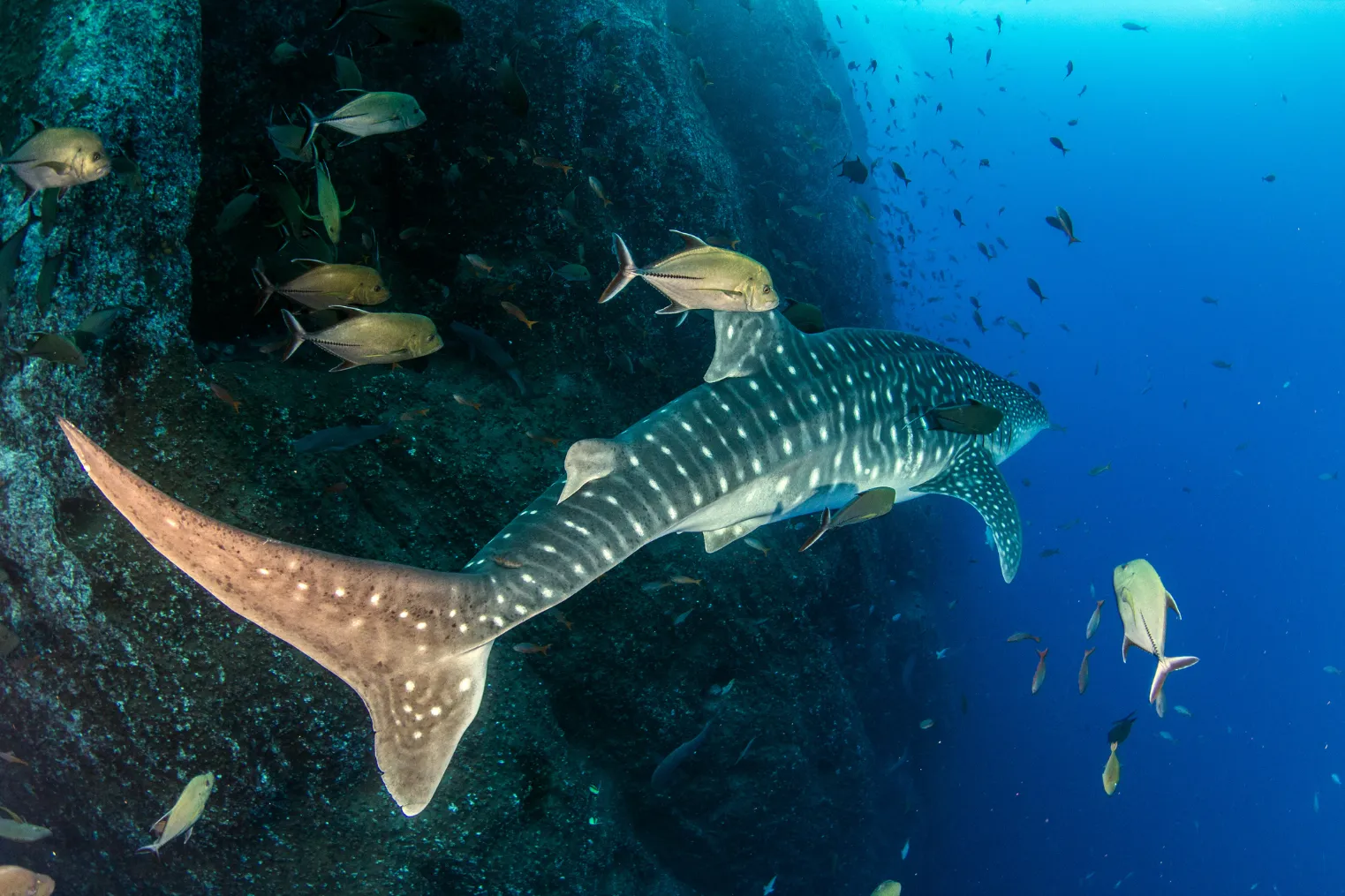
You’re choosing between two very different shark days in Hawaii. On Oahu’s North Shore, you leave Haleiwa Harbor, bump past the surf line, and run offshore to deeper drop-offs where Galapagos and sandbar sharks cruise, and tiger sharks can show up in season. In Kona on the Big Island, you launch into calmer leeward water, hit clear blue fast, and often meet silky or dusky sharks on shorter mornings. So which feels more like your kind of thrill?
Key Takeaways
- Kona (Big Island) typically has calmer, shorter leeward transits and frequent 100+ foot visibility; Oahu North Shore can be bouncier with swell-driven visibility swings.
- Oahu trips usually depart Haleiwa with 20–40 minute offshore runs to 150–300+ foot drop-offs; Kona departs Honokohau/Keauhou with 20–60 minute blue-water runs.
- Oahu commonly features Galapagos and sandbar sharks year-round; Kona commonly features silky and dusky sharks offshore, with occasional whitetips near manta lights.
- Tiger sharks appear on both islands, with better odds late spring through November on Oahu and seasonal sightings on the Big Island.
- Interaction style varies by operator: most trips are cageless; some Oahu operators offer baited cage dives, while many Kona crews emphasize no-feed viewing.
Oahu vs Big Island Shark Diving: Quick Pick
If you want the most dependable shark time with glassy seas and that bright-blue, 100-feet-and-you-can-still-see-your-fins visibility, pick the Big Island out of Kona. You’ll head into deep water at dawn, follow natural migration lines, and usually meet silky or Galapagos sharks sliding in like gray shadows.
For glassy seas and 100-foot visibility, Kona delivers dawn deep-water runs and silky or Galapagos sharks gliding in.
A tiger shark can show up too, but the vibe stays calm and steady in leeward waters.
Choose Oahu when you’re already on the island and you can flex with the forecast. North Shore trips out of Haleiwa can deliver big action, including tiger shark encounters that peak around November.
Winter swell can rattle the ride, so listen for that hull slap and be ready to reschedule. To gauge sea state before you book, check latest wave buoy observations for current swell at spots like Waimea Bay. Some days, you’ll hear seabirds and see sun glittering below quietly.
Oahu vs Big Island: Which Tour Style Fits You
If you want an offshore rush, you’ll likely board an early boat on Oahu’s North Shore and head out to deep blue water with salt spray in your face.
If you’re staying in town, plan ahead for transportation from Honolulu since most Oahu shark dive boats depart from the North Shore.
If you’d rather keep things smoother and more schedule-friendly, Kona’s leeward coast often feels steadier year-round and the ride can be calmer.
Then you get to pick your comfort level, cage or cageless, and decide whether you want to watch from the deck or slip into the water and hear your own breathing get very loud.
Offshore Adventure Vs Comfort
While both islands can put you face to face with serious sharks, the ride to get there feels completely different.
On Oahu shark tours, you often head out from the North Shore on offshore excursions into 200 plus feet of blue water.
You’ll feel the boat climb and slap in winter swells, and you’ll stare at dramatic drop offs where pelagic sharks cruise like patrol cars.
After the dive, some visitors pair it with a beach day at calm water North Shore spots when conditions cooperate.
In Big Island Kona, you usually trade that expedition edge for ease.
Charters run from Kona harbors with shorter transits in protected leeward seas, so your coffee stays in the cup.
Morning departures often meet light wind and clear light.
If you hate long crossings pick Kona.
If you want raw offshore energy pick Oahu and grin too.
Cage Or Cageless Options
Step onto a shark boat in Hawaii and you’ll see that the biggest choice isn’t the island, it’s the tour style today.
On Oahu, off the North Shore, you often go cageless into blue water with spotters watching Galapagos and sandbar sharks. The ride can feel long and bouncy, so bring sea legs. Big Island Kona trips reach clear water faster and you may pick cageless or a cage for comfort. Some Oahu cage dives cater to first-timers and non-swimmers and may use bait. Many Kona crews stress no-feed viewing. For a more immersive option, some North Shore operators specialize in a cage-free shark diving experience.
- Grip a rail as the swell lifts you.
- Slip into warm salt and listen to bubbles.
- Watch a gray shape glide past your fins.
- Decide if a cage feels right.
Still comparing Shark Diving Oahu Vs Big Island: What’s Different?
Ask for tour ideas, hotel suggestions, or a simple trip plan that combines both.
Trip Helper
What Sharks Will You See on Oahu?
On Oahu’s North Shore near Haleiwa, you’ll most often spot Galapagos and sandbar sharks gliding through blue water while the boat rocks in the morning chop.
Galapagos sharks can be identified by their broad, rounded snout and tall first dorsal fin, and they often cruise calmly along drop-offs and ledges in small groups, key Galapagos shark identification cues in Oahu waters.
If you show up in late spring through November, you’ve got a better shot at a tiger shark cruising by like it owns the place.
You’ll also hear crews talk about silky or dusky sharks offshore, and because many tours stick to no-touch, non-feeding rules, what you see depends on the season and the sea.
Common North Shore Species
Most days, Oahu’s North Shore gives you a shot at big, blue-water sharks like Galapagos and sandbars cruising the offshore pelagic zone.
You’ll usually ride a boat out past the surf and hover over 100 to 200 plus feet of cobalt water while the crew watches the slick.
Deep-water dives and chummed shark charters are where Galapagos sharks and sandbar sharks tend to appear, wide-shouldered and calm.
Sandbar sharks around Oahu often favor offshore sand flats and ledges near the North Shore, showing up most reliably at well-known sandbar shark hotspots when conditions line up.
Tiger sharks can show up, but North Shore trips don’t chase them as often.
When the plan shifts closer to reef walls near Haleiwa, you might spot white-tip reef sharks tucked into caverns.
- Sun glare on swells
- A shadow rising from blue
- Fins cutting like slow scissors
- Your bubbles ticking in the hush
Seasonal Shark Sightings
Those wide-shouldered shapes you watched rise out of the blue don’t keep the same schedule all year. On Oahu, most charters spot Galapagos and sandbar sharks in any month, cruising like quiet patrol boats.
For seasonal shark sightings, set an early alarm now through November and you might catch a tiger shark sliding in at dawn. Keep in mind that tiger sharks are a common presence in Hawaiian waters, so giving them space and following your crew’s safety briefing matters. Offshore North Shore trips that drop into 150 to 200 foot water can add silky or dusky sharks, especially when seas behave.
Swell seasons matter: south swells run May to September, north and northwest swells rule the rest, and access shifts with the wind. You’ll see fewer manta style surprises than the Big Island Kona coast, but more wreck and pelagic regulars on ethical non baited snorkel tours.
What Sharks Will You See on the Big Island?
Just offshore of Kona, you’ll slip into clear blue water and start scanning for the sleek silhouettes of silky and dusky sharks cruising the deep. On the Big Island, deep-water charters and blackwater dives make those encounters feel routine, especially with 100-foot visibility and the hush of open ocean.
- Silky sharks circle wide, like silver knives in slow motion.
- Dusky sharks cruise lower, fading into cobalt at 150 to 300 feet.
- Galapagos and sandbar sharks may appear on early morning pelagic runs.
- A seasonal Tiger can roll in now through November, usually before breakfast.
Between passes, you might spot resting whitetip reef sharks near the manta lights, plus turtles and dolphins stealing the scene and bubbles tick in your ears.
If you’re curious how island shark behavior gets documented elsewhere in Hawaii, Oahu teams use acoustic tagging and photo ID to track movements and identify individuals over time.
Oahu Shark Tours: North Shore Launch Areas
On Oahu’s North Shore, you’ll usually start at Haleiwa Harbor, where boat ramps and a quick run to deep offshore water make early launches feel brisk and purposeful.
Some crews also depart near Waimea Bay when conditions line up, and you’ll hear the surf thump on the sand as you watch the wind forecast like it’s a scorecard.
Wind and swell call the shots here, so you’ll plan around calm late spring to fall mornings and stay flexible when winter north swells stir things up.
Most tours meet at Haleiwa Harbor or a nearby boat ramp before heading out.
Haleiwa Harbor Launches
Because the deep blue drops off fast along Oahu’s North Shore, Haleiwa Harbor has become the go-to launch for shark tours that want quick access to real pelagic water.
You’ll meet before sunrise, when winds behave and marina lights flicker.
In 20 to 40 minutes, the boat can slide over 200-plus-foot habitat, and your odds for tiger or Galapagos sharks rise.
Trips on shark-viewing charters run 3 to 6 hours, and crews keep it clean with no-touch, no-feed rules offshore.
If you’re skipping a rental car, you can still reach the harbor via North Shore bus routes and a short rideshare or walk from Haleiwa town.
- Salt spray on your lips as you clear the channel.
- Low swells in summer, and an eye in winter closures.
- A shore briefing, then limited parking and basic restrooms.
- Dark water, deep silence, then a fin cutting the surface.
Waimea Bay Departures
Waimea Bay feels like a postcard at first, then you remember you’re here to chase deep water, not perfect sand.
Most Waimea Bay shark tours actually meet at Haleiwa Harbor or a nearby North Shore boat ramp, where the diesel hum and salty spray set the tone.
You’ll cast off early, usually 5:30 to 7:00 a.m., and ride 25 to 35 minutes over the surface toward pelagic zones 6 to 12 miles offshore.
Plan extra time for timing buffers on the drive and at the meet point so you’re not sprinting to the dock at dawn.
Boats are often big sportfishing or dive charters built for open ocean runs, with setups for cageless swims or calm observation from the deck.
Before you suit up, the crew lays out conservation rules.
No touch, no feed, and no lingering chum near shore.
You’ll feel the horizon widen fast today.
Wind And Swell Factors
If you time it right, the North Shore feels smooth and friendly at dawn, with Haleiwa’s channel glassy and the boat’s bow cutting a clean line through the gray-blue light.
But wind and swell run the show here. Summer from May to September stays calm and fishable. Winter north and northwest swells can stack up fast and shut the channel down.
Pay special attention to North Shore wind shifts, because even a modest change in direction can quickly turn a clean morning into a bumpy, spray-filled run.
You’ll notice it in signs:
- Whitewater breathing at the harbor mouth.
- Trade winds snapping flags and roughening the surface.
- Short, steep chop that steals your visibility.
- A longer run offshore while crews check the forecast.
On the Big Island in Kona, leeward harbors sit behind Mauna Loa and Hualalai, so seas stay steadier and cancellations for swell are rarer.
Big Island Shark Tours: Kona Coast Launch Areas
Just off Kona’s leeward shoreline, small harbors like Honokohau Harbor near Kailua-Kona and Keauhou Bay act as quick launchpads into serious blue water. You check in before sunrise, hear lines creak, and feel the boat lift over the reef break as the Kona Coast turns quiet behind you.
Most rides run 20 to 60 minutes. Then the sound changes to open-ocean slap and you’re hovering above 150 to 300-plus feet of indigo. Guides brief you fast, clip on safety gear, and scan for silky, Galapagos, or sandbar shapes cutting the edge of the light. These operators build for offshore sharks, not a lazy bay cruise. Planning your morning around a day-trip itinerary helps you time check-in, transit, and the return run without rushing.
Some trips tack on wildlife watching or a manta nightcap, but the real action sits beyond the reefs today.
Oahu vs Big Island: Best Seasons for Sharks
Most months, Kona on the Big Island stacks the odds in your favor because the leeward coast stays calm and clear and boats can run even when other shores look rough. You’ll find steady action year-round, with silky and dusky sharks showing up on offshore runs.
Kona’s leeward coast stays calm and clear most months, keeping boats running and sharks showing up year-round.
For tigers, tiger shark season peaks now through November, and early-morning departures give you the best shot on either island. Oahu can shine in calm summer spells, but wind can shut down long offshore trips. For a reliable mix of activity and workable seas, plan spring (March–May) or fall. In the wider conversation of Shark Diving Oahu vs Maui, many guides note seasonal shark activity can shift noticeably between islands even within the same month.
- Dock lights at dawn
- Salt spray on lips
- Skippers swapping depths
- A striped shadow looping
On the Big Island, you’re rarely stuck waiting out weather.
Oahu vs Big Island: Visibility and Water Temp
Calm seas are great, but what you’ll remember underwater is how far you can see and how the water feels against your face. Off Kona on the Big Island, visibility often pushes past 100 feet on reef dives, manta nights, and blackwater runs, so sharks and rays appear like clean silhouettes in blue glass.
The leeward coast stays protected, so the water usually looks rinsed and bright.
On Oahu, you can still score 50 to 100 feet, but swells can stir things up. Visibility is most influenced by swell and runoff, so conditions can swing from crystal clear to milky depending on recent surf and rain. Winter north swells or summer south swells may turn the view hazy.
Temps stay similar around 75 to 80°F year round, yet Oahu can feel a touch cooler on repeat dives, so a full 5mm suit isn’t overkill for most visitors.
Oahu vs Big Island: Cage or Cageless?
Step onto the boat and you’ll quickly learn that Hawaii’s shark scene runs on cageless encounters, not metal bars and padlocks.
On Oahu, most trips head off the North Shore into 150 to 200 feet of blue water, where you hover and watch Galapagos or sandbar sharks cruise past like slow submarines.
On the Big Island out of Kona, you’ll usually do the same style of cageless offshore dive, often with oceanic or silky sharks, plus some above water viewing from the deck.
Cages exist but stay rare and sometimes lean on baiting.
If you’re torn between styles, the key difference comes down to cage-free vs cage experiences and what kind of comfort level you want in the water.
Picture:
- Salt spray on your mask
- A deep cobalt drop below
- Fins cutting quiet circles
- Guides signaling with calm hands
Research operators’ ethics before you book today.
Is Shark Diving in Hawaii Safe on Tours?
Cageless trips can feel wildly open, so it’s normal to wonder how safe shark diving tours in Hawaii really are.
With reputable operators, you get experienced guides, no-feed and no-touch rules, and a briefing before you zip your wetsuit. That briefing covers hand signals, spacing, and clear entry/exit rules so everyone moves together in the water. Most encounters feature Galapagos, sandbar, or white-tip reef sharks that cruise past like submarines. You follow boat protocols, keep your hands in, and enter and exit in a tight rhythm. That structure keeps incidents rare.
Want extra comfort? Choose a cage dive or surface viewing if you don’t swim. Guides only go cageless when conditions look right. Early morning runs in March to May or September to November often feel smooth with less chop and better visibility. Pick conservation-first safe tours for steadier shark behavior.
Pick an Ethical Shark Charter: Safety Checklist
Before you book that early-morning boat and pull on a salt-stiff wetsuit, take a minute to size up the charter’s ethics and safety like you’re reading a menu with consequences. Seek a strict no‑feeding/no‑chumming policy and ask how they minimize bait so sharks don’t learn bad habits. Confirm experienced locally licensed captains and divemasters have shark-encounter training, oxygen, an AED, and the hyperbaric chamber. Pick operators that prioritize responsible shark tourism through clear briefings, wildlife-respect rules, and transparent practices. Pick encounters that fit, like Kona offshore deep water or Oahu North Shore pelagic trips.
- Ask for permits, insurance, and reviews that say “no touch, no chase.”
- Prefer observation only, cageless, and non baited.
- Cap group size and keep a guide‑to‑diver ratio of 6 or less.
- Have them explain the emergency plan. If it’s vague, bail.
Frequently Asked Questions
What Certification Level Do I Need for Cage-Free Shark Dives in Hawaii?
You’ll usually need Open Water for cage-free shark dives in Hawaii, but some trips require Advanced certification. You must show Dive experience (often 10–20 logged dives), meet medical fitness, and follow Local regulations/operator rules.
Can Pregnant Travelers or Kids Join Shark Diving Tours on Oahu or Kona?
Like walking a tightrope, you usually can’t dive while pregnant, operators prohibit in‑water or cage trips; follow pregnancy precautions and disclose when booking. You can bring kids, but age limits vary; guarantee child supervision and waivers.
Do Shark Tours Include Photos or Video, or Should I Bring My Own Camera?
Most shark tours include basic photos or short video, but you’ll get better results bringing your own camera for underwater photography. Ask about drone restrictions, who shoots, turnaround times, and optional editing services before booking.
Are There Motion-Sickness Risks, and What Seasickness Meds Are Allowed?
You can face motion-sickness when sea conditions and boat rocking pick up, especially off Oahu in winter; Kona’s usually calmer. You can take Dramamine/Bonine 30–60 minutes before boarding; use scopolamine earlier; clear prescriptions with doctors/operators.
What’s the Cancellation Policy for Weather, and Do Tours Offer Rescheduling?
Like a weather vane, you can’t control conditions: operators usually cancel for unsafe seas, notify you morning-of, and offer weather refunds or free rescheduling. Expect operator flexibility to vary; read policies, and consider trip insurance always.
Conclusion
If you want a big-ocean vibe, you’ll ride out of Haleiwa and watch the deep drop-off turn ink blue as Galapagos sharks cruise in. If you prefer an easy morning, you’ll slip out of Kona in calm lee water and float over clear cobalt. Imagine this: you book Oahu, grip the rail on the bumpy run, then drop in and hear only bubbles as a tiger shark ghosts past. You’ll surface grinning.


