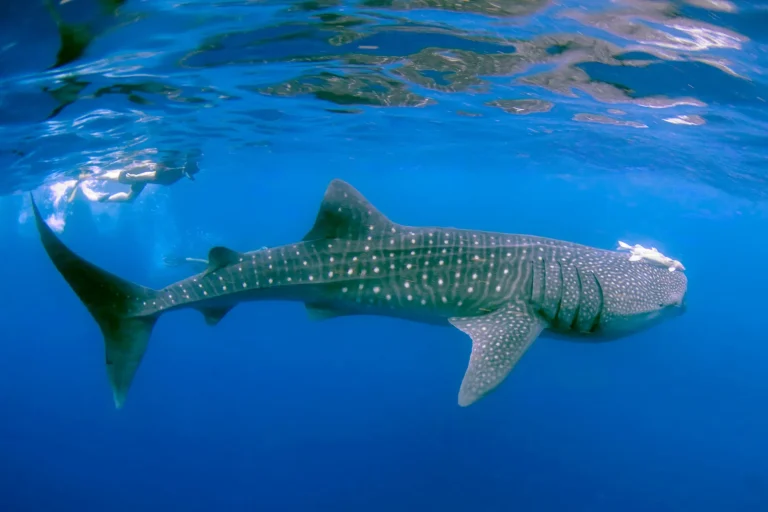
On Oahu’s North Shore, shark tours run so often that hundreds of guests can get on the water in a single busy week. You’ve got two ways to do it: drop into a metal cage where you can steady your breathing and camera, or slip into open water on a safety line where your fins and calm body language matter more. Both smell like salt and diesel, both start with a briefing, but the feel is totally different, and the choice you make changes everything…
Key Takeaways
- Shark diving typically uses a half-submerged metal cage; shark snorkeling is cageless, holding a safety line off the stern.
- Cages provide a physical barrier, steady footing, and easy breathing breaks; snorkeling offers more mobility and open-water viewing.
- Many cage tours use chum to attract sharks; cageless operators often avoid baiting to keep encounters more natural.
- Cage trips suit beginners and nervous swimmers; cageless snorkeling suits confident swimmers who can stay calm and follow spacing rules.
- Both last about two hours total with 20–30 minutes in-water; early mornings and light-wind days usually offer the best visibility.
Oahu Shark Tour: Cage or Cageless?
Step onto the boat and you’ll quickly see there are two main ways to meet sharks off Oahu, you can slip into a half-submerged metal cage on a North Shore tour, or you can go cageless and snorkel or free-dive while holding a line or swimming alongside the action.
For steady footing, breathing breaks, and close photos, cage diving suits newer swimmers who like a clear boundary. For more mobility, cageless snorkeling with conservation-first guides lets you watch sharks circle in open blue water, often in deep pelagic zones.
Some cages use chum, while cageless trips try to avoid changing feeding behavior. Either way, choose an Oahu shark tour by checking shark safety, crew experience, and group size, and pack reef-safe sunscreen and a wind layer. On many private trips, the crew will also walk you through what happens inside a private charter so you know the boat flow, safety briefing, and water-entry plan before you gear up.
What Happens on an Oahu Shark Cage Dive?
You’ll start with check-in at the North Shore harbor and a clear safety briefing, then you’ll gear up with the provided mask, snorkel, and fins so you know exactly what to do once the water turns deep blue.
Next comes the boat ride out from the harbor before cage entry and your 20 to 30 minutes in the water, where you’ll float behind the half-submerged steel bars, breathe steady, and keep your hands in like you’re on a subway at rush hour.
When the sharks cruise in, you’ll watch guides manage the chum line while you line up photos through the cage, aim for slow movements and a wide angle if you’ve got it, and stick to the no-touch rules so the encounter stays smooth and safe.
Check-In And Safety Briefing
Before the boat even leaves the North Shore harbor, check-in sets the tone for a calm, well-run cage dive: you’ll show ID, sign waivers, and join a quick safety talk about 15 to 30 minutes before departure, usually within earshot of clinking rigging and breeze off the docks.
Plan for check-in times that have you arriving early enough to complete paperwork and the briefing without rushing.
At the North Shore boat harbor, your guide walks you through the safety briefing, covering boat basics, no-touch and no-feed rules, and what to do if a shark cruises close. You’ll see a demo of mask, snorkel, and fin fit, plus hand signals and emergency steps, and you can borrow gear if you traveled light.
The crew also reviews surface conditions, sets a simple timeline, and assigns cage spots so everyone gets a clear wide view.
Cage Entry And Water Time
Once the safety talk wraps and the boat settles at the shark site, the real rhythm of an Oahu cage tour starts, quick turns in the water with plenty of time to breathe and reset.
After the safety briefing, you gear up with a mask, fins, and snorkel, then make your cage entry from a ladder or low platform, hands tucked in as instructed.
Most Oahu shark tours run about two hours, but for cage diving your water time is usually 20 to 30 minutes, split into several short dips so the crew can adjust position and manage any chum.
Between submersions, you can stand in the half-submerged metal cage, lift your head into air, clear your snorkel, and warm up in the sun.
Before you book, check the operator’s shark dive prices so you know exactly what’s included in your tour.
Still comparing Shark Diving Vs Shark Snorkeling On Oahu: What’s The Difference??
Ask for tour ideas, hotel suggestions, or a simple trip plan that combines both.
Trip Helper
Shark Encounters And Photos
As the cage bobs in the blue water off Oahu’s North Shore, the shark encounter often feels less like a stunt and more like front row seats at a calm, wild aquarium. You’ll hover in a half-submerged cage, in deep water around 150 to 250 feet, while Galapagos sharks and sandbar sharks cruise in close to inspect the boat and bars.
In season, a tiger shark might ghost through, so you’ll follow the briefing, don’t touch, don’t lean out, and keep your camera clipped. Most tours head out early, and the North Shore run can take about an hour each way from the harbor depending on conditions. Most photos and video come from eye level inside the cage, where rails and mounts help steady your phone as guides manage chum at a regulated distance. Later, you can grab pro shots onboard. It’s classic for shark cage dives.
What Happens on an Oahu Cageless Shark Snorkel?
You’ll start with a clear briefing on hand signals, spacing, and what to do if a shark swings close, because calm, predictable moves keep everyone safer and the water quieter.
Once you’re geared up, you slip in and hold the safety line near the boat, floating like you’re on a mellow ocean ride while the guides manage your position and watch shark body language. Because it’s a cage-free experience, guides emphasize staying streamlined on the line and letting the sharks choose the distance.
Expect about 20 to 30 minutes in the water, with Galapagos or sandbar sharks often cruising through the blue, and a simple tip that helps, keep your fins behind you and your eyes moving so you don’t accidentally kick the rope or miss the best pass.
Briefing And Safety Rules
Before the boat ever idles over that deep-blue patch of water, your guides run a tight 10 to 20 minute briefing that sets the tone for a calm, cageless snorkel.
In this safety briefing, you’ll cover shark behavior, hand signals, and a no-touch policy, plus what to do if one cruises close. Guides review emergency procedures, buddy checks, and how the crew intervenes if needed.
You’ll get practical tips, wear reef-safe sunscreen, ditch shiny jewelry, keep your mask and snorkel on, stay calm and vertical, and don’t splash.
They add species identification, like Galapagos, sandbar, and seasonal tiger notes, then confirm a 20 to 30 minute window and wind limits.
Finally, they explain holding tether line at the surface so you stay steady there. They also emphasize proper spacing in the water and the signals you’ll use to stay coordinated with the group.
Line-Hold Snorkel Encounter
The briefing fades fast once the boat settles over that deep-blue offshore water, and the crew drops a thick, taut line off the stern like a floating handrail. You slide in and grip the line-hold snorkel for cageless shark snorkeling, so current won’t scatter the group. The guide positions you flat and relaxed, repeats no-touch, no-chase, then watches as Galapagos and sandbar sharks circle in the 150 to 250 feet blue beneath. Your water time is usually 20 to 30 minutes within a two-hour tour, planned for early-morning departures and light-wind days when visibility pops. Baiting stays minimal, so you’re guest than lure, and tiger sharks are seasonal, never guaranteed.
| Action | Reason | Tip |
|---|---|---|
| Hold | Group | Float |
| Flat | Air | Kick |
| Still | Calm | Quiet |
| Observe | Safety | Smile |
Is Cage Diving Safer Than Cageless on Oahu?
While both cage diving and cageless shark swims on Oahu can feel surprisingly calm once you’re out on the deep blue North Shore, cage diving usually stacks the odds in your favor because the metal or plexiglass barrier keeps curious sharks at a respectful distance and lets you rest with your head above water between sightings.
If you’re a weak swimmer, or just not into treading water for long, that built-in pause can reduce fatigue and mistakes. A cageless snorkel asks more of you, you hold a rope, listen closely, and stay smooth, since guides manage shark behavior in open water. In cageless dives, operators reduce risk by using non-baited practices and reading body language to prevent sharks from associating people with food.
In both styles, strong safety records depend on operator practices, especially avoiding baiting that amps up approaches. Pick experience, briefings, and calm supervision.
How Close Do You Get on Oahu Shark Tours?
How close do you really get to sharks on Oahu tours, and what does that feel like in the moment?
On a cage dive, you’re within arm’s reach, about 3–10 feet, as sharks slide past the half-submerged bars and your camera lens fills with fins and eyes.
On a cage dive, sharks glide 3–10 feet away, brushing past the bars as fins and eyes fill your frame.
If you choose a rope-hold snorkel in the Haleiwa pelagic zone, you’ll float at the surface while Galapagos and sandbar sharks circle 10–30 feet out, then sometimes cruise closer when they get inquisitive.
Guides also brief you on realistic expectations so you know shark distance can vary with conditions and behavior.
Guides keep it ethical with a no-touch rule, even if a shark passes a few feet away, so your job is simple: stay calm, keep your hands in, and watch the water.
Go early for clearer seas, it makes close encounters feel even tighter.
Which Oahu Shark Tour Should You Book?
Where should you start when Oahu’s shark tours range from easy, camera-friendly cage dives to quiet, cageless snorkels that feel like drifting above a living aquarium?
If you want low effort and reliable close-ups, book a permanent cage out of Haleiwa Harbor, you’ll rest with your head above water between passes, and the crew handles positioning so your photos stay sharp. You’ll still head offshore into water where sandbar and Galapagos sharks cruise by.
If you’re bringing a camera, use secure camera straps and keep your gear stowed between drops to protect it from spray and sudden bumps on the boat.
If you swim well and prefer a more natural vibe, choose a cageless snorkel led by conservation-minded guides, you’ll hold a rope line or make short dips while watching the sharks circle at their pace.
Aim for early-morning departures, check no-touch rules, and pack a jacket for the breezy ride.
What Sharks Can You See on Oahu Year-Round?
Once you’ve picked your tour style, the fun question becomes what’s actually in the water, and Oahu keeps it invigoratingly predictable.
On North Shore trips, you’ll float over deep blue where fins slide past and bubbles hiss in your mask. Charters sometimes work 200-foot depths offshore too.
- Sandbar sharks appear often, sandy-toned and steady, usually circling at a polite distance.
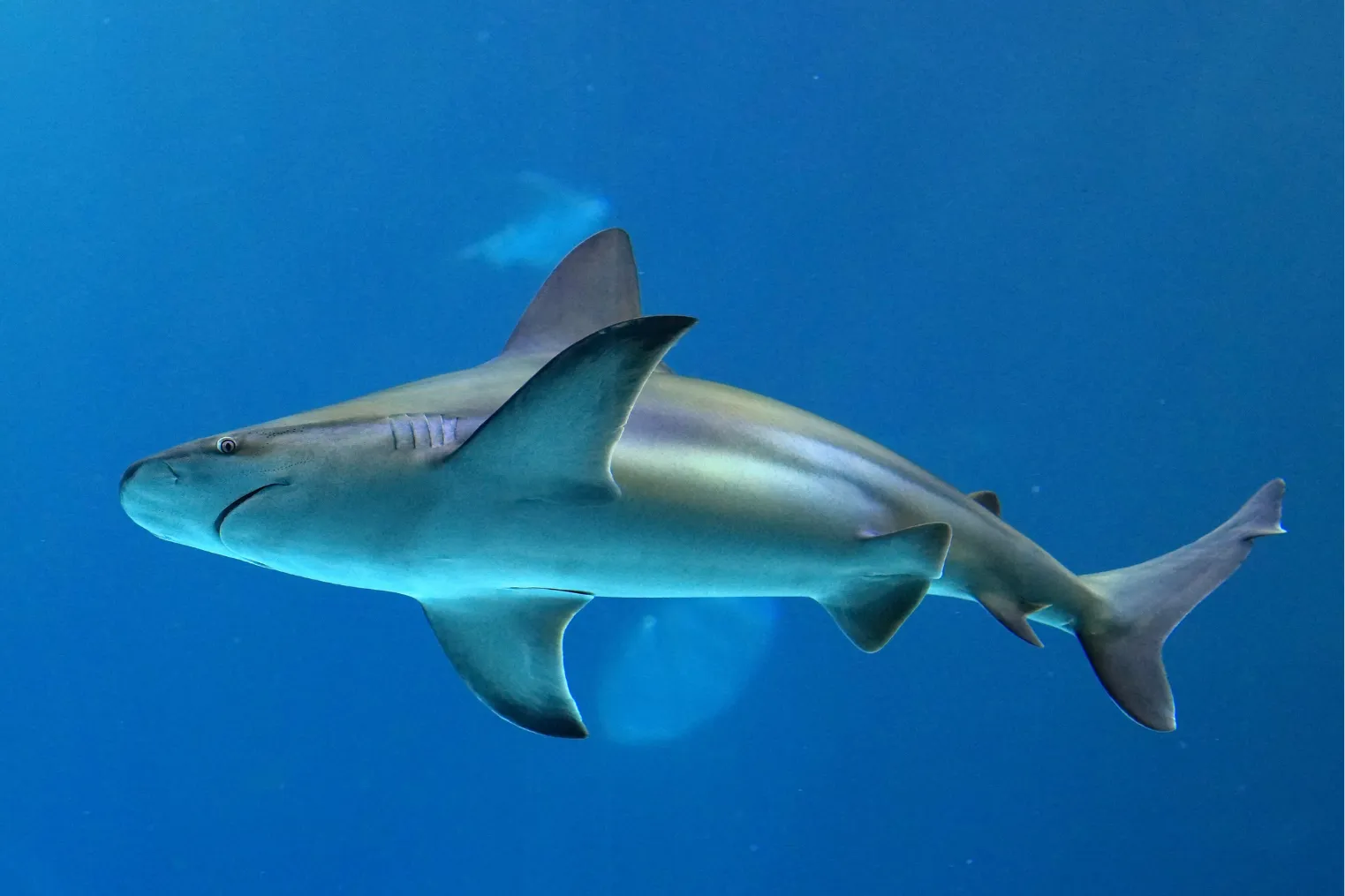
- Galapagos sharks are also common, a bit bulkier, and they share offshore lanes with other pelagic sharks like silky or dusky.
- A tiger shark might cruise through, but it’s never promised, so enjoy it like a bonus scene.
Sandbar sharks tend to use consistent offshore zones as habits and hotspots around Oahu.
You may hear about white-tip reef sharks, yet they’re less common on Oahu’s nearshore reefs.
Great whites are exceptionally rare, though an offshore sighting has happened.
Best Time for Oahu Shark Tours (Calmest Seas)
Early mornings usually deliver the calmest seas for Oahu shark tours, when the trade winds haven’t kicked up yet and the surface looks more like brushed glass than a choppy washboard.
You’ll feel the difference on both cage dives and snorkel trips, with steadier boat rides out of Haleiwa and clearer blue water over the 150 to 300 foot drop.
For the smoothest odds, aim for March–May and September–November, when trade winds often relax.
In summer, calmer seas often pair with warm water temps, making conditions feel especially comfortable.
Scan NOAA wind and surf reports the day before, then pick light wind days under about 10 knots and small swell.
If you’re queasy, book charters for early mornings, take motion meds, and enjoy the ride, your stomach will thank you.
Bring a light jacket, the dawn air feels cool.
Frequently Asked Questions
Is Shark Diving in Oahu Worth It?
Yes, it’s worth it if you value thrilling sightings and responsible wildlife ethics. You’ll support the local economy, manage boat logistics, watch seasonal pricing, and follow photography tips for sharp shots during brief water time.
What Is the Difference Between Snorkelling and Diving?
You snorkel on the surface with mask types, a tube, and relaxed breathing techniques; you dive fully submerged with tanked air, managing buoyancy and equalization methods. You also follow snorkeling etiquette and practice marine identification.
What Month Are Sharks Most Active in Oahu?
You’ll see sharks most active around Oahu in March–May and September–November, so don’t worry if you can’t visit midsummer. Shark migration and seasonal abundance track water temperature, breeding season, and feeding patterns; book early-morning, light-wind trips.
How Safe Is Shark Cage Diving in Hawaii?
You’ll find shark cage diving in Hawaii generally safe when crews follow safety protocols. Check operator certifications, emergency procedures, incident statistics, and insurance coverage. You should follow briefings, disclose health issues, and avoid risky gear.
Conclusion
Pick the tour that matches your comfort, then show up early, hydrate, and listen to the briefing like it’s your boarding pass. If you’re worried you’ll panic in open water, start in the cage, you’ll feel the steady rail under your hands while blue water slides past your mask. Choose cageless when you’re ready to float on the line, slow your kicks, and watch sharks cruise by like curious submarines in clear North Shore light.