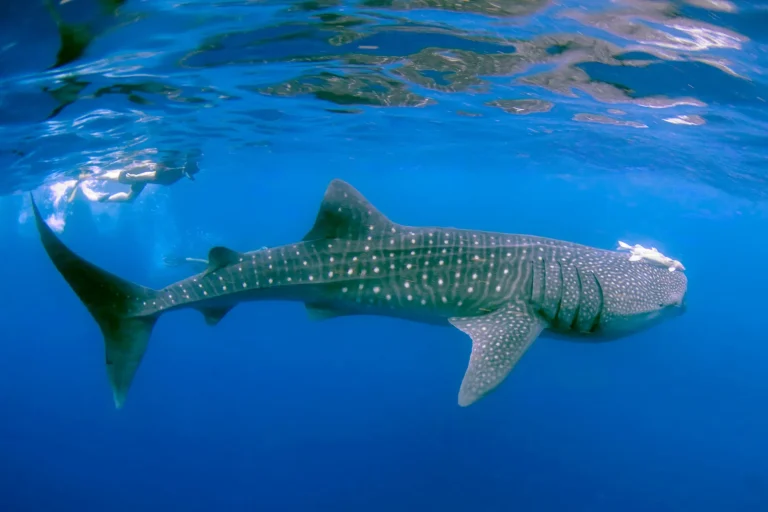
You’re on a small boat off Oahu, watching deep blue water roll and hearing the deck lines tap in the wind. Then you slip in and wait 60 to 90 minutes with less movement than you’d think. A rash guard feels easy and fast, but it won’t stop that slow chill when the current shifts or a cool layer slides under you. A snug 3mm full suit adds warmth and skin protection. So what’s your comfort line?
Key Takeaways
- Oahu water runs ~71–79°F, and offshore thermoclines can drop hangs to ~74°F, making rash guards feel chilly fast.
- A snug full 3mm wetsuit is the everyday pick for 60–90 minute shark dives, balancing warmth, mobility, and steady buoyancy.
- Rash guards suit short, warm snorkels but provide little insulation during low-movement bait-line floats and windy surface intervals.
- A 3mm shorty helps hot runners, but full suits offer better coverage against rope rub, jelly stings, sun, and light tooth taps.
- Fit matters: tight neck, wrists, and ankles reduce flushing; add a thin thermal layer or move to 5mm for long, cold, low-motion drops.
Oahu Shark Diving: Wetsuit or Rash Guard?
Out on the north shore, with salt spray tapping the rail and the swell thumping under the boat, you’ll be glad you picked the right layer before you slip in.
Out on the north shore, with salt spray on the rail and swell below, the right layer makes every drop easier.
For Shark dives, you want comfort and a little armor. A full 3mm wetsuit keeps your core steady on long hangs and shields you from rope rub, stray jelly stings, and the sun that bounces off the deck.
A Rash guard feels breezy in Warm water, but it leaves arms and legs open.
That’s fine for a quick snorkel, not for baited blue-water drops where curious noses may drift close.
If you run hot, a 3mm shorty can work, yet you’ll trade coverage for freedom.
Bring a boat jacket for the ride back home.
When the wind kicks up between drops, simple layers make it easier to stay warm without overheating.
How Cold Is Oahu Water on a Shark Dive?
Often the water off Oahu feels warmer from the deck than it does once you drop in for a shark dive. Your water temperature usually runs 71°F–79°F year-round, yet offshore sites can feel closer to 71°F, especially at depth or at night. You might hit thermoclines near reefs and drop-offs, where 79°F at the surface turns into 74°F fast and your mask floods with a cool surprise. For planning, Oahu typically sits in the low 70s in winter and upper 70s in late summer, so check monthly water temperatures before you book. Low movement at a bait line plus wind on the boat can make you shiver after one 45–60 minute tank, so plan to stay warm.
| What you feel | Quick note |
|---|---|
| Deck breeze | Windchill before splash |
| First drop | Cooler than expected |
| Midwater shift | Thermoclines bite |
A 3mm full wetsuit is the easy default for most days out there.
Rash Guard Vs Wetsuit Warmth for 60–90 Minutes
Because shark dives off Oahu can run a relaxed 60 to 90 minutes in 71°F to 79°F water, what you wear makes the difference between cruising with the sharks and counting the minutes. A 3mm full wetsuit traps a thin skin of water and your body heats it fast. With a snug fit, it slows heat loss when you drop through a cool thermocline and hear your bubbles fizz. You stay loose enough to watch gray shapes glide by.
A rash guard feels light and slick, but it won’t keep you warm for 60–90 minute shark dives, especially when you’re hovering and not kicking hard. Choosing proper-fit fins can also help you conserve energy and stay comfortable by preventing blisters and reducing wasted effort in the water. Add boat waits and trade winds and you’ll want the wetsuit’s insulation between dives without shivers stealing your focus.
Is Full Coverage Safer for Oahu Shark Diving?
When you suit up in a snug 3mm wetsuit off Oahu, you cover most of your skin so a curious close pass is less likely to turn into a nip, and you get a tough layer against bumps on the rail or a stray sting.
You’ll feel the smooth neoprene hug your arms and legs while the ocean stays around 71–79°F, and you’ll notice how that full coverage changes the way you float and kick. Before you head out, double-check your essential gear so you’re not missing anything that affects comfort and safety in the water.
That’s the tradeoff to weigh: more protection and calmer contact, but a bit more buoyancy and slightly tighter moves that you’ll want to practice before the sharks cruise in.
Still comparing Wetsuit Vs Rash Guard For Shark Diving Oahu: Warmth And Comfort?
Ask for tour ideas, hotel suggestions, or a simple trip plan that combines both.
Trip Helper
Reduced Bite Escalation Risk
Even if you’re calm and perfectly still in the blue water off Oahu, a curious shark can drift in close and “test” what you’re with a quick nip. That’s why a Full wetsuit matters.
Continuous neoprene makes you feel like you’ve wrapped yourself in a smooth, springy layer. It can reduce bite escalation by giving teeth something tougher than soft skin to grab.
With exposed limbs in a rashguard setup, thin spots like forearms, calves, and hands stay available. Operators see fewer skin-penetrating injuries when divers wear full suits because neoprene dulls the bite and limits tiny cuts that leak scent.
You’re not bite proof, but extra insulation keeps you steadier so you don’t flinch. Back on the boat, you’ll thank it too.
Before you ever hit the water, following boat safety procedures helps keep entries and exits controlled so you’re less likely to bump or startle wildlife in the first place.
Skin Protection From Bumps
A full wetsuit doesn’t just help with a curious nip, it also keeps your skin out of the “oops” zone during the rest of the encounter. In Oahu’s blue water, sharks can glide close, and gear can too.
With full-coverage wetsuits in 3mm, neoprene wraps your arms and legs like a rubber shield. That barrier helps against scrapes, jellyfish threads, and the kind of light tooth tap that can happen fast.
If you’re driving to the harbor, knowing best parking lots and timing can keep you from rushing your gear-up and accidentally knocking into cages, rails, or other equipment.
If you jump in with a rash guard and boardshorts, your exposed limbs meet every bump first. A shark’s snout feels like sanded leather, and bait cages and hooks don’t care who you are.
That protective thickness can blunt hits and stop shallow punctures. You’ll still want respect, but you’ll feel covered.
Coverage Versus Mobility Tradeoff
Although a rash guard feels sleek and easy, full coverage usually buys you more safety in Oahu’s shark water. You’ll notice it when the boat idles off the North Shore and you slide in with bait scent in the air.
A 3mm suit wraps your arms and legs like soft armor, guarding against scrapes and stinging jellies, and it can make curious passes less tempting on bare skin. Before you even enter, your captain will review key hand signals and spacing rules to keep the group calm and predictable in the water.
1) Protection: fewer exposed limbs during close approaches.
2) Warmth and buoyancy: steadier breathing in 71 to 79°F water, especially at dusk.
3) Tradeoff: a rash guard wins on mobility and quick drying, but a shorty is a smart middle road.
For pelagic or baited dives, operators usually point you toward the full suit, every time.
What to Wear Between Oahu Shark Dive Drops
Between drops, you’ll feel the breeze snap across the deck and your wet suit cool fast, so you’ll want a light boat jacket or windbreaker ready to block windchill.
Stay covered while you wait, towel off, and keep your layers simple so you don’t overheat under the sun and salt spray.
To protect your skin and gear, rinse off or wipe away salt spray so it doesn’t dry and irritate you between drops.
Keep sipping water and skip alcohol, because dehydration can make you feel colder than the ocean ever did.
Boat Jacket And Windchill
Out on the open water, that warm Oahu sea can turn sneaky the moment you climb back aboard. Even at 74–79°F, wet skin meets windchill and suddenly you’re shivering while the boat hums toward the next site. Slip on a windproof boat jacket right away, shell or fleece-lined, and you’ll keep the post-dive glow instead of the goosebumps. A thin neoprene vest under it cuts flushing while you wait quietly. Before you stash your gear, make sure your phone is protected with waterproofing basics to keep it safe from spray and splashes at the harbor.
- Pick a jacket with quick-dry lining and real insulation, so it stays comfy over a wet 3mm suit or rashguard.
- Go for a hood or high collar to block spray when the trade winds kick up.
- Stash a towel and a warm hat within arm’s reach. Your future self will laugh.
Stay Covered Between Drops
Usually, the cold sneaks up right after you climb the ladder and flop onto the bench with salty hair and dripping sleeves. Even with Oahu water at 76–79°F, wind and stillness steal heat fast. Between drops, pull on your 3mm full wetsuit and keep it zipped. Local crews swear it’s the most versatile setup for multi-drop pelagic dives, and you’ll feel it when the boat hums and spray hits. Even if you’re not a strong swimmer, floatation and close guide support help you stay relaxed between drops while you warm back up.
If you surface in a rasp guard and board shorts, your arms and legs cool quickly and the sun bites while you wait. Wrap in a dry towel, then add a deck layer. A snug fit rashguard under your suit cuts flushing, speeds changes, and helps with staying comfortable if a curious shark cruises close.
Hydration And Overheating
After you’ve watched a big gray fin slice past the cage and climbed back onto the boat, the heat can hit you just as hard as the chill. Salt dries on your lips. The deck reflects sun like a skillet, especially if you’re in a thick wetsuit.
To stay sharp, you’ve got to hydrate and manage overheating between drops.
- Drink 500–750 mL in the two hours before boarding, then sip 200–300 mL between dives.
- Wear a rashguard with a light, windproof boat jacket on deck, then peel the jacket off before you splash back in.
- Pack an insulated water bottle plus an electrolyte option, and skip extra caffeine or alcohol.
Staying hydrated also helps with seasickness prevention on Oahu shark dives.
If you feel dizzy or your pulse races, find shade fast.
What Thickness for Oahu Shark Diving (3mm Vs 5mm)?
If you’re packing for a shark dive off Oahu, wetsuit thickness matters more than you’d think once you’re bobbing at the surface with salt drying on your cheeks and trade winds tapping your hood. A 3mm wetsuit is your everyday winner in 71 to 79°F water. It gives enough insulation for daytime pelagic or reef shark drops and still lets you kick, climb the ladder, and reset fast between tanks.
Step up to a 5mm wetsuit only when you expect chilly thermoclines, long night style hangs, or lots of time hovering with little movement. It feels cozy underwater, but in Hawaiian sun you can cook during surface intervals. If you’re a plus-size traveler, ask your operator about wetsuit fit and available sizes ahead of time so you’re not squeezed at the shoulders or flushed at the waist. If you’d rather stay light, a rash guard works for short, warm sessions, not long waits.
Fit & Layering for Oahu Shark Diving Comfort
While the water off Oahu can feel balmy at the drop, comfort comes down to fit and smart layering once you’re floating at the surface with trade winds hissing past your ears.
Choose a snug 3mm full wetsuit with tight neck, wrists, and ankles to cut flushing. On long drifts or night drops, that close fit holds a warm film of water and blocks rubs from rope lines.
For first-timers, building a steady breath and relaxed posture supports a calm deep-water experience while you float on the surface between drops.
- Use the fit-check rule: if you pull over an inch at shoulders, size down.
- Need more? Add a vest or 0.5 to 2 mm thermal rashguard underneath.
- In bright, short dives, a thin rashguard and shorts works, but pelagic trips need full coverage.
Pack a boat jacket or fleece for surface intervals so you keep warm.
Frequently Asked Questions
Can I Rent a Wetsuit or Rash Guard From Oahu Shark Dive Operators?
Yes, you can rent both from most Oahu shark dive operators; check rental availability when booking. Ask about sizing options and hygiene policies (cleaning/inspection). Expect price ranges around $10–$25/day for wetsuits, $5–$20 for rashguards on board.
Are Gloves, Booties, or Hoods Allowed on Oahu Shark Dives?
Yes, most Oahu shark dives let you wear thermal accessories like neoprene gloves, booties, and hoods, but you must follow glove restrictions, bootie policies, and hood regulations: plain dark gear, no shiny parts, thickness limits apply.
What Color Wetsuit or Rash Guard Is Best for Shark Diving Visibility?
You’ll do best in black or deep navy, funny how the ocean’s darkest tones make you disappear. Choose low visibility colors, skip high contrast patterns and reflective trims, and pick matte, UV protective fabrics for comfort.
Should I Wear a Weight Belt With a Wetsuit During Cage-Free Dives?
Yes, you’ll likely need a weight belt with a wetsuit for cage-free dives to improve buoyancy control. Check weight distribution, guarantee strap safety, and practice emergency shedding with quick-release weights so you descend easily without over-weighting.
How Do I Prevent Seasickness During the Boat Ride to the Dive Site?
Start Sea sickness medication 4+ hours pre-departure, eat light, and sit midship facing the horizon. Use Hydration strategies: sip water/electrolytes. Add Ginger remedies and Acupressure wristbands, breathe steadily, and avoid fumes/alcohol before you board, too.
Conclusion
If you’re heading out of Haleiwa for a shark dive, you’ll feel the trade winds on the ride and the cool bite when you stop moving. That’s why a snug 3mm full suit usually wins for 60 to 90 minutes in blue water. A rash guard feels slick and easy, but it fades fast in a thermocline. Here’s a wild stat: ocean temps can drop 5°F in minutes offshore. Bring a towel.