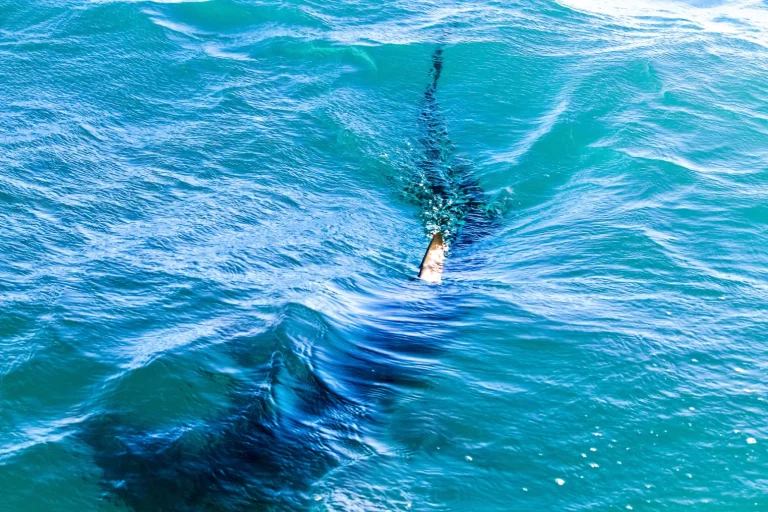
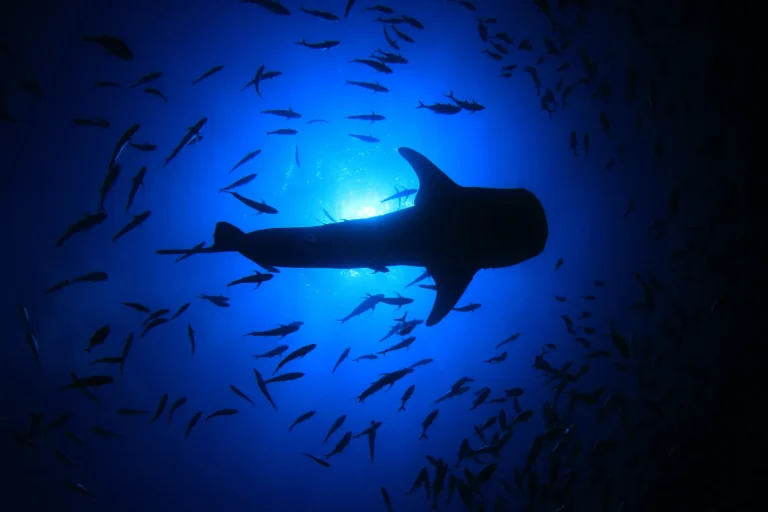
You want a shark dive off Oahu to feel like a sleek glide, not a chilly rinse cycle. On the boat, wind snaps the towels and the deck feels gritty under wet feet. That’s why you focus on wetsuit fit first, not just thicker neoprene. A snug neck, wrists, and ankles keep warm water close and cold water out. But will the shop have XXL or XXXL that actually fits your shape, and what should you ask before you book?
Key Takeaways
- Choose a snug 3mm full wetsuit for most Oahu shark dives; it prevents chill while hovering in 71–75°F water.
- Prioritize fit over thickness: gaps at neck, wrists, or ankles cause flushing and rapid heat loss.
- Bring measurements (chest, waist, hips, height, weight) and request extended sizes, curvy cuts, or a two-piece if torso feels short.
- Ask the operator what sizes and styles they stock (XXL/XXXL, shorties, hoods) and whether onshore try-ons and exchanges are allowed.
- Confirm weighting help for your suit thickness; a 5mm adds buoyancy and may require 1–3 extra pounds of lead.
What to Wear on a Shark Dive Oahu (Plus-Size Picks)
If you’re heading out for a shark dive off Oahu, what you wear matters almost as much as your camera. Pack or rent a snug 3mm full wetsuit, the local Goldilocks choice, and you’ll stay warm while getting a little extra scrape protection around the cage or line.
Most operators see 3mm on more than three quarters of divers, so it’s easy to find. For plus-size picks, bring your chest, waist, hip, height, and weight numbers, or plan a try-on rental. Ask for extended sizing or a two-piece if the torso feels short. Check hood sizing and whether the zipper is back or chest entry. Look for smooth coverage and minimal bunching at armpits and groin. If you skip a full suit, consider rash guards as a layer for sun and chafe protection.
Hear boat waves slap while you suit up.
Why Does Wetsuit Fit Matter More Than Thickness?
That snug 3mm suit you just packed isn’t warm because it’s thick, it’s warm because it fits like a second skin. In Oahu water, your body heats a thin film inside the neoprene. If the neck, wrists, or ankles gape, cold water rushes through and steals heat fast. You’ll feel it as a chilly slosh with every kick and every pause by the cage. A properly fitted wetsuit generally provides more warmth than a rash guard during shark diving in Oahu.
If the suit slides on too easily or folds in wrinkles, it keeps flushing even at 5mm. For plus-size bodies, the right cut and accurate measurements beat extra bulk for warmth and breathing. When you rent or buy, ask about brand sizing and try it on. Your wetsuit should fit snug at the seals so you stay calm around sharks.
Plus-Size Wetsuit Fit Checklist (No Pinching)
Before you zip up and step onto the boat, run a quick fit check so your wetsuit feels snug without turning the ride to the North Shore into a slow squeeze. Match your numbers to the chart; for XX Large, look for about 46–48 inch chest, 36–42 inch waist, and 215–240 pounds. Aim for a second-skin feel with few wrinkles. Folds at the torso or thighs mean it’s too big and water will slosh in. Pack a towel and dry clothes so you can warm up quickly after your shark dive in Oahu.
| Check | What you want |
|---|---|
| Chest, waist, hips | No gaping or bunching |
| Seals | Snug, not numb |
| Legs and torso | No crotch or shoulder pull |
| Brand and cut | Try curvy or extended sizes |
If it still pinches, ask for a two-piece or shorty hybrid. That’s often the right wetsuit for you.
Oahu Water Temps: What Thickness Works Best?
Oahu’s water usually sits around 71°F to 79°F year-round, so you won’t get a huge seasonal swing, but you’ll feel it when the boat shade hits your wet shoulders.
Most shark trips feel best in a snug 3mm full wetsuit because it keeps you warm if you drop into a cooler layer and still lets you move easily. Oahu’s water temperature by month generally ranges from about 71°F in winter to around 79°F in late summer, so check the monthly water temps when deciding between a full suit and a shorty. In summer you might get away with a 3mm shorty or a 1.5mm top, yet night runs or a thermocline can turn chilly fast, so you’ll want the thickness that matches your season and style.
Oahu Water Temperatures
Even if the sun’s warming your shoulders at the harbor, the water around the island sits in a steady 71°F–79°F (22°C–26°C) year-round, and it can feel cooler the moment you drop below the surface.
In winter you’ll often meet 71°F–75°F, while late summer drifts up to 76°F–79°F. A breeze on the boat and the hiss of spray can make those numbers feel brisk.
Out at the shark site, you may hover in place, and that still time lets the chill creep in. Oahu also hides thermoclines, so a few fin kicks down can suddenly shave off several degrees.
Before you head out, check the North Shore weather since wind and swell can amplify how cold you feel once you’re wet on the boat.
If you’re diving at dawn or after dark, expect cooler layers and plan your comfort like you’re packing for changing weather. Ask the crew about today.
Best Wetsuit Thickness
Most days, you’ll feel happiest in a 3mm wetsuit on an Oahu shark dive, because it matches the island’s steady 74°F to 80°F water and still stands up to that cool rush when you roll in.
For planning your Wetsuit Thickness, think comfort plus time in the water. Visibility ranges can shift day to day on Oahu shark dives based on factors like swell, wind, and runoff, so staying warm helps you relax if you’re in longer than expected. When temps slide to 71°F to 75°F, choose a 3mm full suit so your arms and legs don’t start to buzz with chill while you hover and listen to bubbles. When water climbs to 76°F to 79°F, you can still stick with the same full suit, or switch to a 3mm shorty or 1.5mm top for a shallow, high-kick snorkel. Skip a 5mm unless you know you’ll face long, colder exposure. It’s floaty and bulky too.
Dive Type And Season
Water temperature sets the tone, but the type of shark dive you book and the season you go can change how that same 3mm feels on your skin. Oahu runs about 74°F–80°F year-round, yet boat wind and thermoclines sneak in. Use this quick guide:
| Season or trip | What works |
|---|---|
| Winter (Nov–Apr) boat time | 3mm full minimum |
| Summer (May–Oct) shallow, quick | 3mm shorty or rashguard |
| Night or low-action | 3mm full, maybe 5mm |
| Pelagic or thermocline dips | 3mm full, snug fit |
If you’re plus-size, prioritize stretch and a sealed neck, then try rentals on Oahu. A morning shark dive can feel colder on the boat, so consider sizing up in warmth if you chill easily. On mornings, the deck feels like a fridge and spray stings your cheeks. A full suit buys patience while you watch fins circle in blue water. Ask for larger sizes early.
Full Suit vs Shorty for Shark Dive Oahu
Slip into your wetsuit before the boat even clears the harbor, and you’ll feel right away why the full suit versus shorty question matters on an Oahu shark dive.
Pull on your wetsuit before the harbor fades, on an Oahu shark dive, full suit versus shorty matters fast.
A snug 3mm full suit is the usual pick in 71 to 79°F water. It wraps your arms and legs like a smooth seal skin and helps protect against scrapes, jellyfish, and the rare curious bump.
A 1.5 to 3mm shorty feels lighter and you’ll kick easier, but exposed limbs raise risk when sharks circle close.
If you’re also planning to document the experience, ask what’s included in the operator’s video packages before you suit up so you can plan for camera straps and gear placement.
If you’re plus-size, fit beats thickness. A loose shorty flushes cold water and rides up. When you rent, ask for extended sizes or a two-piece, and test neck, wrists, and ankles for a clean seal before you drop in.
Can a Rashguard and Shorts Be Enough?
When can a simple rashguard and board shorts really be enough for a shark dive off Oahu? On quick, warm trips in 76–79°F water, you might feel fine, especially if you keep moving and climb back aboard fast. You’ll get UPF 50+ sun cover and less rub from the ladder, but your arms and legs stay bare. Eating a solid meal the night before can also help you feel steadier and more comfortable once you’re on the boat.
| What you feel | What to ask |
|---|---|
| Warm splash, big smiles | How long is each drop? |
| Goosebumps at the bait station | How long are surface intervals? |
| Small scrapes, curious passes | What species are common today? |
Hear the hull slap, then shiver. If your rashguard fits loose, water flushes through and the chill sneaks in. For longer sessions or night runs, rent a snug 3mm shorty or full suit.
Will a Thicker Wetsuit Make Me Float More?
Yes, a thicker neoprene wetsuit makes you float more, so you’ll ride higher at the surface and you’ll need extra lead to settle in comfortably.
If you’re plus-size, that lift can feel even stronger, and fit matters because a loose suit can trap little air pockets that slosh and squeak with each wave.
Neoprene also compresses as you go deeper, so your buoyancy changes with depth, and that’s why an Oahu operator will usually start you in a 3mm and fine-tune your weights during a quick pre-water check.
To stay comfortable while you’re dialing in buoyancy, choose fins with a secure fit to avoid blisters and wasted effort.
Neoprene Thickness And Buoyancy
Although Oahu’s water feels like a soft, warm wrap the moment you slide in, a thicker wetsuit will still make you float more. Neoprene holds tiny air pockets, so more wetsuit thickness means more lift.
Trade a 1–1.5mm rashguard or shorty for a 3mm full suit and you’ll bob higher while the boat hums beside you. At depth, neoprene compresses, so you’ll feel the most buoyancy near the surface and during your first descent.
Plus-size physics stays the same, but fit changes how it feels. A snug seal at neck and wrists reduces flushing and unnecessary lift.
Before you splash in, use an anti-fog routine to prevent mask fogging from distracting you during surface time and your first descent.
If you snorkel or freedive, expect duck-dives to take more kick. Ask your operator what thickness they recommend for your time of day and activity level too.
Added Lead Weight Adjustments
A thicker wetsuit won’t just feel cozier on your skin, it’ll also pop you up toward the surface like a gentle pool noodle with a zipper. Jumping from 3mm to 5mm usually means you’ll need about 1–3 extra pounds of lead, and plus-size bodies often notice that lift even more. Before you get in, pay attention during the operator’s safety briefing so you understand the specific rules and spacing signals for the Oahu shark dive.
- Test it first in a pool or calm shallows with your wetsuit, tank, BCD, and weights on.
- Nail your wetsuit fit. A snug suit flushes less and traps less air, so your buoyancy stays predictable.
- Ask the Oahu shark operator what they add for a 3mm versus 5mm rental and if they can tweak weights for your size.
Finish with a pre-dive buoyancy check since tank, BCD lift, and layers matter.
Fit, Compression, And Depth
Slip into a thicker wetsuit and you’ll feel the ocean give you a little extra lift, like the suit’s quietly trying to keep your shoulders closer to the sunlight.
A 5mm has more foam than a 3mm, so you’ll need extra lead, about 1 to 3 pounds for each added 2mm, depending on cut and size.
For plus-size bodies, fit beats thickness. A snug suit hugs your wrists, ankles, and neck, so warm water stays put instead of sloshing in and out.
Drop to 30 to 60 feet and neoprene compresses, so you’ll feel less floaty and a bit cooler.
Use this wetsuit guide mindset: shift weight toward waist or hips for trim. On Oahu, ask staff for a weighted try-on before you splash.
Before you enter the water, confirm your life jacket and crew procedures with the boat team so your buoyancy plan and safety plan match.
Shark Dive Oahu Questions to Ask Before Booking
Where should you start before you step onto a boat off Oahu and watch the water turn from reef-green to deep blue? Call the operator and treat it like preflight for shark diving. You want gear that hugs like a second skin, not a sloshy flag. Ask these three things before you book:
Call your Oahu shark-dive operator first, preflight your wetsuit fit so you hit deep blue snug, not sloshy.
- Do you stock plus-size suits up to XXL or XXXL, and what chest, waist, and height ranges fit?
- Can you offer a two-piece or shorty, and do rentals include hoods or thicker neoprene for cooler nights?
- Will staff help you try it onshore, suggest weight changes for a 3mm suit, and explain refund or exchange timing?
Before you board, ask about valuables storage so your phone, wallet, and keys stay dry and secure during the tour.
You’ll hear the zipper rasp, feel cuffs, and relax when everything’s dialed before the splash.
Oahu Wetsuit Rentals: Extended Sizes + Plan B
Sizing up a wetsuit on Oahu feels like a quick costume fitting before the main event, with neoprene squeaks, salty air, and a staffer calling out chest and height numbers from a chart.
Call ahead; many shops carry extended sizes up to XXXL, with charts to 48–50 inch chests and 246 pounds. Ask to try it on; staff can swap sizes.
You want a seal so cold water won’t flush in when you roll into the open ocean. If a one-piece feels off, request a two-piece.
Before you head out for sharks, practice clearing your mask and snorkel so you’re calm and in control if water sneaks in.
Confirm thickness; 3mm is standard and 5mm appears. Inspect seams and neoprene, and ask about cleaning, last service, deposits, and rinse rules.
No fit? Plan B: shorty plus rash guard, a suit tightened with straps, or your own.
Do You Need a Hood, Booties, or Boat Jacket?
Often the biggest comfort upgrade on an Oahu shark dive isn’t the cage or the camera, it’s the small add-ons that keep you warm and steady when the boat’s bouncing and the wind snaps across wet neoprene. Treat these as your second skin when you’re waiting to drop.
- Hood: Bring a snug 3mm if you chill easily or you’re doing night dives. 71–79°F feels cool when you’re still.
- Booties: Choose 3mm, or up to 5mm, for grip on deck and ladder rungs.
- Boat jacket: Wear a light windproof layer between dives. Windy mornings can zap you fast.
Plan extra time for Waikiki pickup since most shark boats depart the North Shore and early-morning traffic can affect your arrival.
If you wear plus-size suits, ask about two-piece options, hood neck fit, and larger bootie sizes.
Confirm rentals at booking to stop cold flushing.
Frequently Asked Questions
Are There Weight Limits for the Cage, Boat Ladder, or Seating?
You usually won’t face cage Weight restrictions, but boat capacity can. Ladders often rate 250–350 lbs per climb, and bench seating varies. You should ask about ladder strength, seat spacing, and crew assistance when booking.
Can I Bring My Own Wetsuit, and Is There a Place to Store It?
Yes, you can bring your own wetsuit, because who doesn’t love extra luggage? For Wetsuit logistics, confirm any material rules, tell them your size, and expect limited deck space; ask about dry storage, hangers, or lockers.
Do I Need to Know How to Swim to Do the Shark Cage Dive?
You don’t need swimming skills for a shark cage dive. You stay in a secured cage or platform, wear a life jacket, and follow crew directions; Water comfort and climbing a short ladder matter most.
What Seasickness Options Are Recommended, and When Should I Take Them?
Like riding a rolling drumbeat, you’ll beat Motion sickness by taking Dramamine 50–100 mg 30–60 minutes before short rides; use promethazine 30–60 minutes prior for tougher trips; apply scopolamine patch 4+ hours ahead if needed.
Can I Wear Prescription Glasses or Contacts Safely in the Water?
You can’t wear prescription glasses underwater, but you can dive safely with Contact lenses if your mask seals well. Bring spares and solution, rinse after, don’t rub eyes. Consider prescription mask inserts or daily disposables.
Conclusion
You’d think the warmest shark dive off Oahu comes from the thickest neoprene. Funny thing is, the real comfort comes from a suit that actually fits. Snug seals at your neck and wrists stop that cold flush that sneaks in with a slap of water. Ask for XXL or XXXL, curvy cuts, or a two piece. Try it on shore. Then step onto the boat, hear the anchor clink, and float steady.