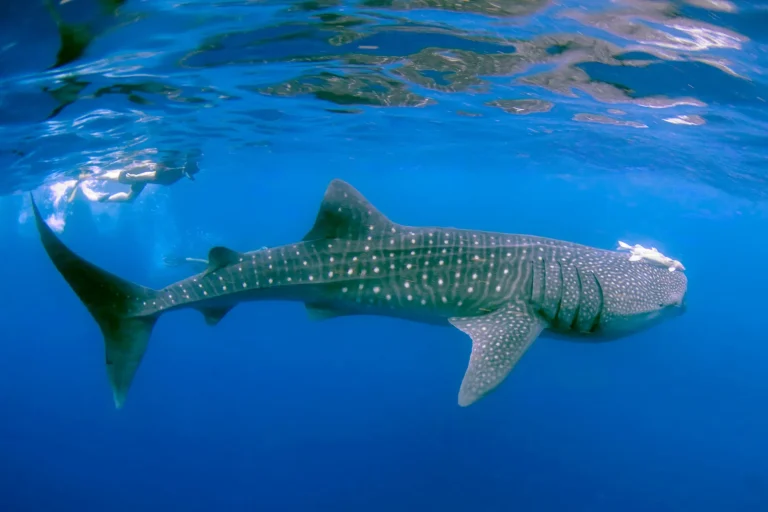
A shark dive off Oahu can feel like stepping into a nature documentary, only you’re the one holding the rail. You’ll want to know the age limits first, since many cage trips take kids as young as 5 while cageless tours usually start around 10 to 12 and expect strong swimming. Ask about waivers, safety divers, and ladder access, book a calm morning, pack reef safe sunscreen and motion sickness meds, then decide what kind of bravery fits your family best.
Key Takeaways
- Cage shark dives often accept kids from age 5; cageless snorkels usually require age 12+ and strong swimming skills.
- Cage dives suit young or nervous kids: ladder entry, handrails, and strict “limbs inside” rules create a secure viewing experience.
- Cageless tours are for competent swimmers who can follow distance rules, with safety divers providing close in-water supervision.
- Safety briefings cover entry/exit, shark etiquette, hand signals, and what to do if woozy; waivers and medical exclusions apply.
- Book early mornings for calmer seas; bring swimsuits, towels, reef-safe sunscreen, rash guard, water shoes, and seasickness medication.
Is an Oahu Shark Dive OK for Kids?
So, is an Oahu shark dive actually OK for kids? Yes, if you pick a well-run operator and treat it like a boat-and-wildlife tour with strict rules. At check-in near Haleiwa Harbor, you’ll handle parental consent paperwork, then your crew walks children through shark etiquette, where to hold on, and what not to do. Plan on a morning meet-up in Kailua with a drive to the North Shore as part of a day trip itinerary to reach the shark boats near Haleiwa.
On the water, cage diving stays orderly because groups cap at six, handrails and ladders make entry feel like a pool, and safety divers drop in first and climb out last. You’ll still use common sense: choose calm early mornings, pack reef-safe sunscreen and towels, and consider motion-sickness meds. Ask about age limits, and make sure your kid’s comfort, not bravado, sets the pace. Bring snacks, and keep questions coming.
Oahu Shark Dive Age Limits (Cage vs. Cageless)
Once you’ve decided your kid’s up for the boat ride and the rules, the next thing to check is age limits, because cage and cageless shark tours on Oahu don’t play by the same playbook. Oahu shark dive children age limits vary: shark cage diving tour operators allow age 5, six max in the cage. Family-friendly cage dives need no swimming, you go down a ladder, grip rails, and keep limbs inside for safety and supervision. Cageless shark tours start at 12+ and require swimmers. Choose mornings, bring parent, sign waivers, and note pregnancy or neck, back, or joint issues can block entry. Review the operator’s waiver terms before booking so you understand supervision requirements, medical exclusions, and cancellation or rescheduling rules.
| Tour | Min age | Notes |
|---|---|---|
| Cage | 5 | No swim, ladder |
| Cageless | 12+ | Open-ocean skills |
| Both | Guardian | Waiver, medical limits |
Cage vs. Cageless: What’s Best for Your Child?
Although both trips put you in the same deep-blue water off Oahu, a cage dive and a cageless swim feel like two different adventures for a kid, one more like a safe underwater “window seat,” the other closer to jumping into the action.
If your child is young or still learning to swim, the cage dive wins: you climb a short ladder, hold rails, and stay behind bars with up to six guests, or watch from the boat. It also matches wider children age limits, often 5+. On some trips, a private shark dive charter can keep the group smaller and the pace more kid-friendly.
Pick a cageless snorkel only for kids who can handle waves and follow distance rules while a safety diver stays beside them. For any Oahu shark tour for kids, book mornings for calmer seas and reconfirm policies.

What Happens on the Haleiwa (North Shore) Cage Dive?
If the cage option feels like the right fit for your child, the Haleiwa (North Shore) trip lays it out in a calm, step-by-step way that’s easy to picture.
You’ll check in at the One Ocean/Blue & White kiosk at Haleiwa Small Boat Harbor, sign a waiver, bring a towel and reef safe sunscreen, and meds if you get seasick.
Haleiwa Small Boat Harbor is one of the main departure points for North Shore shark dives on Oahu.
The boat cruises about three miles offshore, and the shark dive lasts 1.5 to 2 hours.
You’ll use snorkel gear, climb down a short ladder, and settle into an aluminum cage dive with windows, fits six.
A safety diver and crew guide entry and exit as the boat drifts engine off.
You’ll hear a briefing on shark biology, behavior, conservation, and local Hawaiian culture.
Still comparing Shark Dive Oahu For Kids: Age Limits, Safety, And Best Tours?
Ask for tour ideas, hotel suggestions, or a simple trip plan that combines both.
Trip Helper
How Safe Are Oahu Shark Dives for Kids?
You’ll feel the difference with Oahu shark operators that run tight ship protocols, keeping small cage groups, briefing you clearly, and putting safety divers in the water first and out last so your kid always has a calm, watchful set of eyes nearby.
Before anyone gets in, a good crew will cover clear hand signals, spacing, and simple rules so kids know exactly what to do and where to look.
The cage itself is built like a sturdy sea-side gate, with secure bars and entry points that make it easy to steady small hands, while the crew manages timing, spacing, and signals so everything stays orderly even when the ocean’s rocking.
If you want a simple gut check, ask where your child will stand, how the ladder works, and what the supervision plan is, and remember there’s usually shaded seating topside if they’d rather watch than get wet.
Crew Safety Protocols
Most Oahu shark cage dives run with a calm, almost drill-like safety rhythm, which is exactly what you want when kids are on board and the boat’s rocking gently in open water.
You’ll start with crew briefings that cover hand signals, turns, and what to do if your child feels woozy, then the team checks waivers and screens for medical or mobility issues.
Once on site, trained marine biologists and safety divers manage the encounter like lifeguards with clipboards, entering first and exiting last, offering in-water assistance and redirecting excited guests.
Before anyone gears up, the crew confirms life jackets are properly fitted and explains who’s responsible for what during entry, time in the cage, and exit.
Ask about the guest-to-safety-diver ratio, many run about 6:1, and confirm the engine stays off while you drift.
Book mornings for smoother seas, and stick to the safety protocols, no shortcuts for anyone.
Cage Design And Supervision
Because the real question with kids isn’t “Will we see sharks?” but “What keeps little hands and feet safe when the ocean’s bouncing,” start with the cage itself and the way the crew runs it.
Off Haleiwa, most operators use an aluminum shark cage tied to the boat, with bars and windows that keep body parts inside, fitting six. It floats with the top about two feet above the surface, so kids can hold handrails and breathe between wave bumps. Before you even leave the harbor, the crew will walk your family through the check-in process so everyone knows the rules and timing before the boat ride out.
Safety divers and crew run entries like ladder practice, diver in first and out last, about 6:1, and the boat drifts engine off. In your pre-dive safety briefing, you’ll review ladder steps and emergency moves, then clip on life jackets for children age groups.
What Sharks Will You See on Oahu Tours?
Scan the blue water off Oahu’s North Shore and you’ll likely spot the tour regulars first: sleek sandbar sharks, often cruising in groups and topping out around 8 feet, plus beefier Galapagos sharks that can reach about 10 feet and tend to glide in with a slower, heavier presence.
Some days you might spot tiger sharks or an oceanic blacktip, but these bigger cameos are less common.
You may also see reef sharks in shallower areas around Oahu.
Sharks are wild, so counts change daily, yet many operators still guarantee shark sightings with a refund if none appear.
Move slowly, breathe steady, and let the current do the work, you’ll notice the sharks pass by, not sizing you up.
On the transit, scan for Hawaiian green sea turtles, and ask your crew about conservation efforts.
Can Parents Watch From the Boat Instead?
Wondering if you can skip the cage and still be part of the action? On most Oahu shark tours, parents can stay on the boat as an observer, leaning on handrails under shade while the cage team drops in. You’ll still get good views, plus crew narration that helps you track fins, splashes, and shark passes without getting wet.
Many of the easiest options include hotel pickup so observers can join the trip without arranging extra transportation. Ask about the reduced observer fare, often around $100–$109 versus $135–$150 for swimmers, since you’re reserving a seat on a boat that typically carries 8–12 people. For safety, mention any mobility or medical concerns ahead of time, and confirm age limits for anyone entering the water. You won’t miss the educational briefing or the post-dive recap, so you can talk shark biology and conservation afterward.
Waikiki Pickup vs. Driving to Haleiwa: Which Is Easier?
Staying on the boat while the cage team drops in keeps things simple on the water, but you’ve still got one big choice on land: book a Waikiki pick-up or drive yourself to Haleiwa Small Boat Harbor at 66-101 Haleiwa Rd.
If you’re based in Waikiki, the shuttle wins for ease, you skip car rental, North Shore parking, and the “where’s that kiosk?” hunt, and you’re often back around 2:00 PM.
If you’re skipping a rental car, getting there without a car is easiest with a Waikiki pick-up rather than piecing together your own ride to the North Shore.
Driving to Haleiwa gives you control, especially for morning departures, which can mean smoother conditions if seasickness worries you or you’ve got kids.
Plan 45 to 60 minutes from Waikiki, pad for traffic, then aim to arrive 20 to 30 minutes before your check-in time, with quick restroom access nearby right by docks.
How to Prevent Seasickness on a Shark Boat
Often, the best way to handle seasickness is to treat it like sunscreen, you put your protection on before you need it, especially for the 3-mile ride offshore from Oahu’s North Shore where the boat can start a gentle side-to-side roll.
If you’re prone to motion sickness, take Dramamine the night before, then again about an hour before boarding, following the label. Book an early morning departure, when the ocean feels smoother, and claim a seat midship, facing the horizon as if you’re watching a movie. Skip reading or scrolling, your inner ear hates plot twists. Stay hydrated, eat a light, non-greasy meal, and try ginger or wrist bands for backup. Choose light, non-greasy foods and avoid alcohol before boarding to help keep your stomach settled. If you feel green, ask the crew for shaded shelter and fresh air.
What Should Kids Bring (and Wear) for the Dive?
Once you’ve handled the seasickness game plan, set your kids up for a smooth, warm ride and an easy change afterward by packing smart. Put a swimsuit under comfy clothes, and stash two towel options, one for post‑dive changing and one for the breezy ride back.
Pack smart for a warm ride and easy change: swimsuit under comfy clothes, plus two towels, one for changing, one for the ride back.
Hawaii requires reef‑safe sunscreen, so apply the non‑aerosol kind before boarding and tuck extra for touch‑ups. For jellyfish protection, add a rash guard or light wetsuit, plus closed‑toe water shoes for the dock.
Pack a refillable water bottle, any daily meds, and motion‑sickness medication if they’re prone. Want memories without soaking your phone? Bring a waterproof camera or GoPro; you can also ask about onboard rentals.
Keep everything in a small dry bag, and label it once aboard. Also pack an extra set of dry clothes and a lightweight windbreaker since the ride back can feel chilly even after a warm swim, which is a key part of essential gear.
Best Oahu Shark Cage Dives for Families (Top Picks)
Usually the best family shark cage dives on Oahu start on the North Shore out of Haleiwa Harbor, where the boats slip past the surf breaks and the water shifts from sandy green to deep blue in minutes.
Your top pick is North Shore Shark Adventures, running Shark Diving Tours on the North Shore of Oahu, and it welcomes children as young as 5. You’ll share a six-person cage with a family-friendly crew that gives clear briefings, and safety divers guide kids in and out.
Because small-group capacity keeps the cage less crowded and easier for guides to manage, many families find the experience calmer and safer-feeling from start to finish.
These shark cage tours take 1.5 to 2 hours, with 20 to 30 minutes by the cage, and Waikiki pickup may return around 2 pm. Plan $125 to $150 adults, about $98 kids, tips extra. Aim for early mornings.
Best Private Shark Cage Dive for Nervous Kids
Book a private shark cage charter and you control the rhythm, so your kid can watch from the boat first, then step into the cage in a small group when they’re ready, with steady hands on the ladder and railings.
You’ll feel the difference in the setup too, since safety divers enter first and exit last, crews keep close watch with about a 6 to 1 guest-to-diver ratio, and the pre-trip briefing is family-friendly, clear, and calm.
Aim for a morning departure from Haleiwa Harbor, when the North Shore often feels smoother and cooler, and pack reef-safe sunscreen, towels, and motion-sickness meds, because even brave kids don’t love a queasy stomach.
If you can, choose a sunrise shark dive to match the early-morning experience with calmer conditions.
Private Boat Benefits
If your kid’s nerves tend to spike on the open ocean, a private shark cage charter lets you dial things down and shape the whole outing around their comfort.
private charters run about USD 1,466 per boat for up to 12, so you choose who comes, how long you linger, and how busy the deck feels.
You can also cap cage time to just a couple people instead of the usual 4–6, which makes the waterline feel more like a quiet pool lane than a crowded ride.
Aim for morning tours to catch the calmest ocean conditions, with less swell and fewer queasy faces.
Plan ahead for Waikiki to Oahu transportation so your family isn’t rushed before the boat even leaves the harbor.
You’ll ride a coast guard–certified 33‑footer, get a shark-sighting guarantee, and you can keep an observer-only option if bravery fades.
Kid-Friendly Safety Setup
A private boat already lets you set the mood, and the kid-friendly safety setup is what makes nervous first-timers relax once the shoreline fades behind you.
On private charters, you control the pace, then step into a floating aluminum private shark cage with bars, windows, handrails, and an easy ladder. Some outfits take children as young as 5, often with a 4 ft minimum, so double-check age rules.
Cage sessions stay small, about 4 to 6 people, with no more than six per safety diver, so it’s calm and closely watched. Safety divers and a marine biologist enter first and exit last. For an even gentler introduction, some operators also offer cage-free shark diving in Oahu, which can be a good fit if your child prefers watching sharks without the confined feel of a cage. Pick early-morning trips for smoother seas, request extra in-water support, and expect a waiver plus limits for serious neck or back issues.
Booking Tips: Best Time of Day, Season, and Weather
While the sun’s still low and Waikīkī is just starting to stir, early morning shark dives, usually the first departures around 6 to 9 AM, give you the calmest water and the clearest views, especially in fall and winter when afternoon winds can rough things up.
If you’re choosing between morning and afternoon, morning shark dives are typically smoother with better visibility, while afternoon trips are more likely to have wind chop.
Spring and summer usually bring the gentlest seas, but winter can turn bumpy and cut seasonal visibility.
Since every trip is weather-dependent, confirm policies on cancellations and refunds, and book in advance two weeks out, longer for spring break.
Call the day before to lock in your slot.
- Pick early morning departures, ideally a larger boat, for steadier rides
- Take seasickness medication one hour before, even if you’re unsure
- Bring a light layer, dry bag, and kid-friendly snacks
Frequently Asked Questions
Are Shark Dives on Oahu Suitable for Kids With Autism or Sensory Sensitivities?
Yes, you can make shark dives workable if you request sensory friendly briefings, quiet viewing areas, weighted comfort aids, visual social narratives, pre visit virtual tours, and calming communication strategies, and you’ll choose calm seas.
Can Kids Participate if They Can’T Swim Confidently or at All?
Better safe than sorry: you can take kids who can’t swim; choose supervised shallow water, floatation assisted entry, a non swimmer briefing, buddy assisted snorkeling, parent child tandem, or partial submersion experience and watch onboard.
Do Tours Offer Child-Sized Wetsuits, Life Jackets, and Snorkel Masks?
Yes, most tours stock kiddie snorkels, adjustable masks, youth lifejackets, and limited child sized wetsuits. You’ll want to confirm rental sizing ahead, especially for toddler fins or extra-small gear, and you can still stay onboard.
What Paperwork Do Parents Need to Sign for Minors?
Paperwork’s simple, safety’s serious: you’ll sign parental consent, a travel waiver, and a medical release at check‑in. Bring IDs, add emergency contacts, allow or decline photo authorization, and show custody documentation if required, operator-specific in advance.
Are There Discounts or Family Packages for Multiple Children?
You usually won’t find family rates or sibling discounts; operators charge per child plus fees. You can save via group packages like private charters, compare multi child pricing, and watch seasonal promotions or loyalty programs.
Conclusion
You treat an Oahu shark dive like hiking a well marked ridge, you check the trailhead sign, pack smart, and move with respect. Pick a cage tour if you want ladder easy viewing and clear rules, or go cageless only if your kid’s a calm, capable swimmer who listens fast. Book mornings for smoother seas, sign waivers, share health notes, and bring reef safe sunscreen plus motion meds. Then enjoy the blue, steady and wide.