
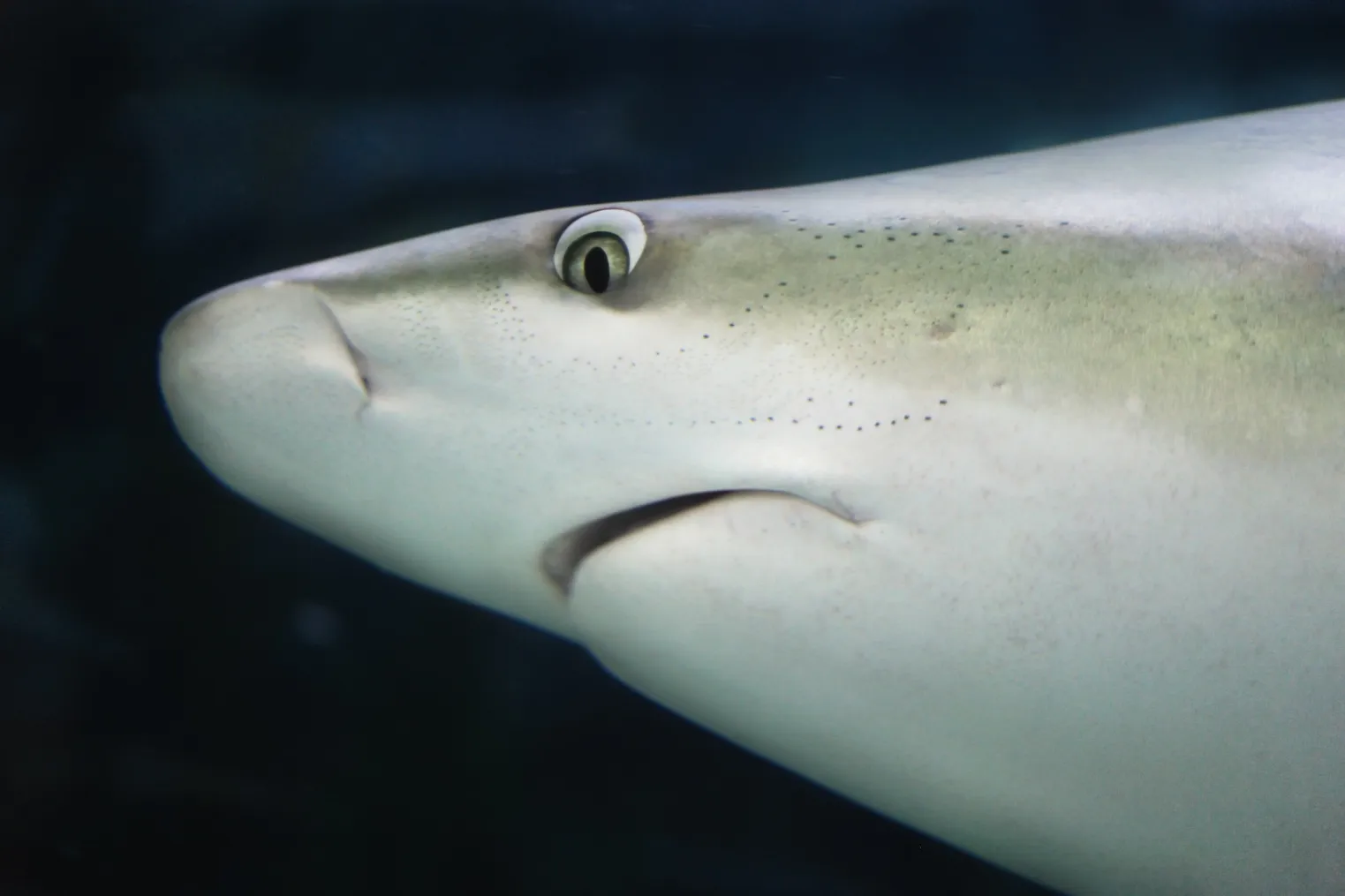
If you want to spot sandbar sharks on Oʻahu, you’ll have better luck along reef drop-offs, sand channels, and harbor mouths where currents funnel baitfish like a moving buffet. You’ll often see them mid-water, about 5 to 30 feet above sandy flats, cruising in loose groups with steady, level tail beats and a few calm, looping passes to size things up. Go at dawn in late spring to early fall, stay relaxed, and watch what happens when the water starts to move.
Key Takeaways
- Look for sandbar sharks along offshore reef drop-offs, reef edges, and sand channels where blue water meets sandy seams.
- North Shore bays, flats, and harbor mouths (especially near pilings) can funnel baitfish and trigger regular mid-water passes.
- Sightings are most consistent late spring through early fall; calm, clear mornings and tidal flows improve visibility and activity.
- They typically cruise 5–30 feet above the bottom, often in loose groups of two to six, moving steady along reef “highways.”
- Expect looping or circling passes that keep a respectful buffer; scan mid-water over sand and avoid chasing or feeding them.
Top Places to Spot Sandbar Sharks on Oʻahu
Chasing sandbar sharks on Oʻahu starts with picking the right kind of water, not just the right beach, because these sleek cruisers usually hold in the mid-water column along deep reef edges and sandy-bottom channels, not up on the surface where you can casually spot them from shore.
Aim for offshore reef drop-offs and current-swept ledges near established dive routes, where blue water meets tan sand like a clean seam. You’ll see sandbar sharks year-round, but late spring through early fall brings the most regular passes, often in small groups that circle once, then slide away. In Hawaiʻi, hammerhead sharks also show clear seasonality in sightings, which is useful context if you’re comparing when different shark species are most likely to appear. Book an early-morning charter on a light-wind day, listen for operators who know mid-water landmarks, and hover calmly, eyes scanning above the bottom, like you’re watching silver torpedoes.
North Shore Sandbar Shark Hotspots (Bays and Flats)
When the North Shore goes glassy in the early morning, you can work the bays and flats like a map, scanning that clean seam where pale sand meets darker reef and the water shifts from turquoise to deep blue.
In early-morning glass, read the bays like a map, sand to reef, turquoise to blue, every seam telling you where to look.
Start off Haleʻiwa or inside Waimea Bay, then follow sandy channels toward deep reef drop-offs, because sandbars like that edge where the bottom falls away and currents draw life past.
Most days you’ll spot 5 to 8 foot sharks cruising mid-water in loose groups, smooth as traffic, with style.
They’re sometimes confused with Galapagos sharks in Oahu waters, but paying attention to identification cues can help you tell them apart when they’re cruising those same edges.
Late spring through early fall is your sweet spot, but they can show year-round.
Keep your fins quiet over sandy-bottom flats, pause, look ahead, and if you want reliable timing, book a charter for calm windows.
Harbors and Baitfish Runs That Attract Sandbars
Harbor mouths can feel like the city version of those North Shore sand edges, the bottom still turns from pale sand to darker reef, but the action funnels through channels and pilings instead of open flats.
If you watch the tide, you’ll see why sandbar sharks show up: strong flows sweep mullet and small jacks into tight schools, turning baitfish runs into a mid-water buffet line.
For early launches, Waikiki to Oahu transportation planning can help you reach the harbor before the bite windows open.
Post up near a channel entrance at dawn or dusk, when light goes soft and bait balls hug the pilings, and you may spot a few sandbars cruising just under the surface.
Late spring through early fall usually delivers the most repeat sightings, so bring polarized sunglasses, keep your distance, and let the current do the storytelling today.
Still comparing Sandbar Sharks On Oahu: Where They Show Up And How They Act?
Ask for tour ideas, hotel suggestions, or a simple trip plan that combines both.
Trip Helper
Reef Edges and Sand Channels Where Sandbars Cruise
Head for the reef edge where coral slopes meet pale sand, because that clean transition zone acts like a highway and sandbar sharks often cruise it in the mid-water.
You’ll usually spot them gliding over sandy flats near deeper drop-offs, steady and graceful like a slow-moving patrol, sometimes in small groups, so keep your eyes up in the blue instead of scanning the bottom.
Time your visit from late spring through early fall for the best odds, and stay calm and still near the channel line, they’re curious but they’ll keep their distance while they work the edges for quick meals.
If you’re exploring Oahu’s nearshore zones, remember that sandbar sharks are one of the sharks you might spot around the island, especially along those reef-edge travel corridors.
Preferred Sandbar Travel Corridors
Along Oʻahu’s reefs, sandbar sharks don’t roam at random, they cruise the mid-water “highways” where coral gives way to open sand, especially along reef edges, drop-offs, and the sand channels that cut between ledges and flats.
If you hover near that seam, you’ll often spot sandbar sharks gliding over pale bottom, using the open lanes like a commuter route with quick exits to feeding grounds and calm resting areas.
Late spring through early fall brings the best odds, and you’re more likely to see them off the slope than on the crest or at the surface.
Pick a viewpoint beside a channel mouth, stay still, and scan ahead like you’re watching a trail crossing, tour crews do the same for reliable encounters most days.
Even when you’re focused on sandbars, it helps to recognize common reef species like the white-tip and black-tip so you don’t confuse them in the same corridor.
Mid-Water Cruise Patterns
Often, the easiest way to spot Oʻahu’s sandbar sharks is to watch the mid-water “lane” where a hard reef edge fades into a pale sand channel, especially just above a drop-off where the bottom starts to slope into deeper water.
From late spring through early fall, you’ll see them most often here, gliding slow and level like commuter trains, sometimes solo, sometimes in a loose trio.
They don’t usually hug the sandy bottoms, and they’ll keep a calm buffer from cages and divers, so hold steady and let them pass.
In the water, set expectations for how close sharks get, they may pass within view or cruise at a comfortable distance, but they rarely rush straight in.
Scan for sandy flats beside dark reef, then follow current lines where small fish, squid, and crabs gather.
Go early on light-wind mornings for visibility, or join an offshore charter to reach those edges.
Best Time and Conditions to See Sandbar Sharks
If you want the cleanest shot at seeing sandbar sharks on Oʻahu, time your outing for late spring through early fall and aim for a calm, light‑wind morning, when the water looks glassier and visibility tends to hold.
Book an early-morning charter so you reach sand-and-drop-off sites before chop builds and aquarium clarity lingers.
This late spring to early fall window also lines up with the island’s best months for shark diving conditions.
Scan mid-water over sandy bottoms beside deep reef, not into coral cracks, and you’ll catch shapes sooner.
Late spring through early fall stays most reliable, though sandbar sharks can appear year-round after settled days.
In the fall months, pick runs with lighter trades and smaller surf, because stirred shallows go milky fast.
Even in shallow waters, slow your kick, pause, and let your eyes adjust, like spotting plane in sky.
Sandbar Shark Behavior Around Swimmers and Divers
When you spot a sandbar shark around Oʻahu, you’ll usually see a calm, slow midwater cruiser with a tall triangular dorsal fin, often 5 to 8 feet long, gliding in like a steady patrol boat rather than skimming the surface.
Because Hawaiʻi has strong shark conservation protections, giving these animals space and avoiding harassment helps reduce stress on them and supports healthier ocean ecosystems.
You can expect it to keep a respectful buffer, sometimes circling once or twice or cruising past in a loose group, curious but rarely pushy if you stay relaxed, keep your hands close, and avoid splashing like you’re starting a pool party.
If it comes nearer, you’ll notice it stays deliberate and smooth, and you can simply hold your position, give it space, and let it pass, most encounters end as quietly as they begin.
Typical Encounter Demeanor
Most days, sandbar sharks off Oʻahu glide through the mid-water like quiet patrol boats, steady and unhurried, and you’ll notice they usually keep a respectful buffer from swimmers, divers, and cages. You’ll read their mood in the mid-water: slow tail beats, level bodies, and a calm, steady line past you. If one gets curious, it may swing in for a quick look at a mask or cage bar, then ease back into its loop, no frantic darts. Those looping passes often reflect risk assessment, a way to gather information about you and the scene while keeping a safe, controlled distance. Stay vertical, keep your hands close, and let your bubbles rise, they’re used to the sound.
| Cue | What you see | What to do |
|---|---|---|
| Wide circle | Stays off | Hold position |
| Brief pass | Quick glance | Hands in |
| Steady pace | Slow tailbeats | Breathe easy |
| No rush | No darts | Enjoy view |
Grouping And Cruising Patterns
Although sandbar sharks can look like lone cruisers at first glance, you’ll often spot them moving in loose, quiet groups, sliding through the mid-water or just above the sandy bottom in that easy 5 to 30 foot zone where divers and snorkelers spend their time.
On Oʻahu’s nearshore reef edges, sandbar sharks, mid-water cruisers, look unhurried and steady, especially from spring through early fall when warm water pulls prey into the shallows. You’ll notice them gliding with purpose, using smell, electroreception, and low-light vision to scan the water column. In Hawaii, visitors should also keep in mind that tiger sharks may use some of the same nearshore zones, so it’s smart to stay aware of your surroundings even when you’re focused on sandbar behavior.
- Watch for parallel tracks over sand channels
- Count the group, often two to six
- Look mid-water first, not on the bottom
- Hover still, you’ll spot more passes
- Early morning light makes their shadows pop
How They React Nearby
Slip into their lane and you’ll notice sandbar sharks on Oʻahu don’t rush you, they cruise mid-water with an easy, steady rhythm and usually keep a polite buffer instead of closing the gap.
If you hover calmly and avoid splashing, you’ll often see them angle in, pause a few meters out, then slide away like they’re checking a new neighbor. They’re curious but cautious, and their sharp smell and electro-sense tell them you’re there long before you spot the gray silhouette.
While you’re watching, it helps to remember Hawaii’s sharks face real pressure from fishing and habitat impacts, and ongoing shark conservation research tracks populations and threats across the islands.
On calm late-spring to early-fall mornings, you might watch a loose trio circle a cage or boat at a moderate pace, never quite committing to contact.
Keep your hands close, stay vertical, and enjoy the show. If it turns, give it space, always.
What Sandbar Sharks Eat in Hawaiʻi Waters
Often, if you picture a sandbar shark cruising Oʻahu’s clear shallows, you’re not far off from its dinner plan: it’s built for practical hunting along sandy bottoms and reef edges, where small bony fish, squid, octopus, and crunchy crustaceans like shrimp and crabs are easy to corner.
Out here in shallow coastal water, sandbar sharks keep it simple, they follow smell and electric hints, then snap up prey near the bottom or in the mid-water. Their electroreception helps them detect the tiny electric fields given off by hidden prey along the sand and reef edge. From late spring to early fall, reefs and drop-offs offer the busiest buffet, but they’ll still eat year-round. If you’re snorkeling, watch for quick turns toward the sand, then give them space. Sometimes they’ll take cartilaginous fish or young rays.
- small bony fish
- squid
- octopus
- shrimp, crabs
- juvenile rays
How Sandbar Sharks Move, School, and Patrol
Track a sandbar shark in Oʻahu water and you’ll notice it cruises like a calm commuter, holding the mid-water column while it patrols sandy flats near reef edges and drop-offs. You’ll see why divers call sandbar sharks mid-water cruisers, they save energy with slow strokes, then swing in to check bait, a ledge, or your bubbles. They’re typically cautious and may make repeated, circling passes to size up a scene, which is a common pattern in shark behavior.
In warmer months, late spring through early fall, you’ll spot loose groups drifting like hikers on one trail, though some roam alone while foraging. Site-attached behavior means certain reefs and seamounts host regular locals, so arrive early, stay still, and scan the blue above the sand, not just the bottom. When current rises or water clouds, they often change lanes and slide deeper until prey pulls them back.
Sandbar vs Tiger Sharks on Oʻahu: Key Differences
While both sandbar and tiger sharks cruise Oʻahu’s blue water with the same calm confidence, you can usually tell which one you’re looking at within a few seconds if you check size, shape, and attitude.
On Oʻahu, sandbar sharks run 5 to 8 feet, stocky, with a tall triangular dorsal fin that stands out. A tiger shark is longer, 10 to 14 feet, broadheaded, and juveniles can show faint stripes.
If you’re seeing them on a cage trip off the North Shore, many of the top shark diving tours tend to encounter sandbars most often, with tigers showing up less predictably.
Check the feel in the water:
- Sandbars cruise mid water, unhurried.
- Tigers work reef edges and blue lanes.
- Sandbars may circle with a few buddies.
- A tiger shark usually shows up solo, “queen like.”
- Timing hints: sandbars peak late spring to early fall, tigers August to November North Shore.
How to Watch Sandbar Sharks Responsibly on Oʻahu
Out beyond the reef line, where the water turns a clear cobalt and the surface goes glassy between trade-wind pulses, you can watch Oʻahu’s sandbar sharks in a way that feels close, calm, and still respectful.
Beyond the reef line, in cobalt-clear calm between trade winds, Oʻahu’s sandbar sharks glide past, close, quiet, and respected.
Plan your trip for late spring through early fall, when sightings peak, and aim for early-morning, light-wind days so visibility stays crisp.
Keep a buffer, let them cruise past, and don’t chase, touch, or crowd them, in shallow waters near channels.
Book a charter to reach mid-water sites by reef drop-offs, and follow every briefing: don’t feed or chum, don’t dangle limbs, skip jewelry, and leave spearfishing at home.
Before you book, look for responsible operators who avoid baiting practices and follow clear wildlife-interaction standards.
Choose operators tied to conservation efforts, who log sightings and support research, so your awe also helps protect locals.
Frequently Asked Questions
Do Sandbar Sharks Ever Enter Freshwater Streams or Inland Canals on OʻAhu?
No, you won’t see ever sandbar sharks in Oʻahu’s freshwater streams or inland canals. Their freshwater tolerance is low, so they avoid drainage pathways. Urban sightings occur offshore or near brackish mouths, not true freshwater here.
Are Sandbar Sharks Protected in HawaiʻI, and What Are the Legal Rules?
Yes, you’ve got to treat them like road signs: sandbar sharks are protected in Hawaiʻi. You can’t intentionally kill or capture them; follow fishing limits, permit requirements, and habitat protection, and release any catch immediately, in-water.
How Big Can Sandbar Sharks Get Around OʻAhu, and How Fast Do They Grow?
Around Oʻahu, you’ll see a maximum size about 5–8 feet, sometimes near 9, and 100–200 lb. You won’t get precise growth rates, but juvenile development takes years to reach 4–5.5 feet.
Do Sandbar Sharks Migrate Seasonally Between Islands or Stay Near OʻAhu Year-Round?
You’ll usually find them sticking near Oʻahu, not hopping islands, not roaming far. Tagging studies show site attachment with seasonal movements offshore, while genetic differentiation stays low, suggesting some mixing but no routine migrations interisland.
What Should You Do if You Accidentally Hook a Sandbar Shark While Fishing?
Keep it in the water for proper release; don’t gaff. Use dehookers or cut leader close. Point it into current till it swims strongly. Fish barbless hooks. If you’re cut, apply first aid right away.
Conclusion
If you time it right, you’ll see why sandbar sharks feel like Oʻahu’s quiet regulars, about 90 percent of sightings happen in the warm months from late spring to early fall. Launch at dawn on a calm day, hover 5 to 30 feet above a sandy flat near a reef drop-off or harbor mouth, and watch for two to six sharks gliding past like patrol boats. Stay relaxed, give space, and let them set the pace.


