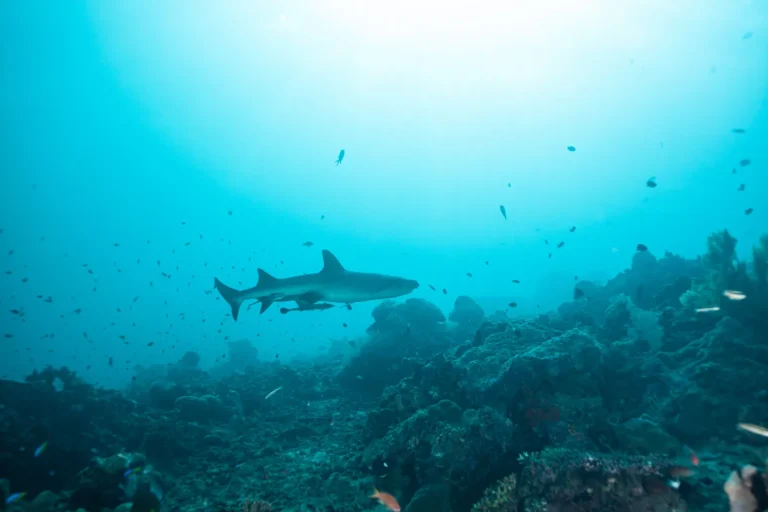
It’s worth testing the theory that most lost cameras on shark dive boats don’t fall, they get unclipped. You keep yours close by using a short coil lanyard and a brass bolt snap on a solid BCD or boat D ring, then you tug every connection like you’re checking a seatbelt. You stow the rig flat for the bumpy ride, and you hand it up only after a clear nod, because one sloppy grab can turn expensive gear into chum…
Key Takeaways
- Use marine‑rated brass bolt snaps or heavy carabiners; avoid plastic clips that become brittle and fail in saltwater.
- Keep a short, one‑hand quick‑release tether (30–45 cm) on a reinforced chest/shoulder BCD D‑ring for fast access.
- Match tether to rig: floating wrist lanyard for action cams; coil lanyard or retractor for heavy housings and trays.
- Follow a clear crew hand‑off: show clip point, say “secure,” and confirm every connection with a firm tug.
- Tug‑test (5–10 kgf) before entry and after bumps; rinse and soak gear post‑dive, and replace pitted hardware early.
Choose the Right Camera Tether for Boats
On a shark dive boat, where the deck’s slick with salt spray and gear slides like it’s got a mind of its own, the right camera tether keeps your setup close and your stress low.
On a slick, salt-sprayed shark dive deck, a solid camera tether keeps your rig close and your nerves steady.
Start with metal you can trust, a brass bolt snap or heavy carabiner, since it shrugs off salt and won’t bend like bargain clips.
For extra protection at the dock, stash your phone and small electronics in a waterproof dry bag when spray and splashes pick up at the harbor.
If you’re shooting an action cam, a floating wrist lanyard plus a bolt snap lets you surface without a sinking surprise.
For heavier mirrorless or DSLR rigs, use a coiled lanyard or a retractor rated for the weight, so a bump at the ladder doesn’t turn into a drop.
Add a loop of shoelace or webbing, tied with a figure eight or double fisherman’s knot.
Pick a Wrist Tether vs BCD Retractor
If you’re shooting with an action cam or a small compact rig, a floating wrist tether with a brass bolt snap feels like the easy, low-snag choice, it stays with you, and if you fumble, your camera can bob up like a well-behaved pool toy.
On Oahu shark dives, a GoPro often beats a phone-in-case for reliable underwater footage, so securing it properly matters when you’re choosing between GoPro vs phone case setups.
When you’re hauling a heavier housing or a tray setup, a sturdy BCD retractor or coil lanyard clipped to a D-ring keeps the whole rig parked and secure while you move, though you’ll want to watch for extra pull and potential tangles.
Either way, set the length so you can fully stretch your arm without unclipping, clip it on before you hit the water, and give it a firm tug, because cheap plastic clips fail at the worst possible moment.
Wrist Tether Advantages
Often, the simplest safeguard on a shark dive boat is also the smartest: a floating wrist tether keeps your action cam or compact rig snug to your wrist, so a slippery glove moment or a bump in the swell doesn’t send your camera spiraling into blue water, it pops to the surface where you can spot it fast. A wrist tether hugs your arm, so it won’t snag on rails or fins. If you’re unsure where to stash spare items, follow the boat crew’s guidance on protecting your valuables so nothing important gets left loose on deck.
| Advantage | Tip |
|---|---|
| Floats | Add float |
| Low-snag | Keep tight |
| Easy handoff | Stay clipped |
Clip a brass bolt-snap or small carabiner to your tray or housing D-ring, then tug-test before you step in. Choose a floating strap or coiled bungee rated for your rig, and keep the camera in hand until it’s securely clipped.
Still comparing How To Keep Your Camera Safe On A Shark Dive Boat?
Ask for tour ideas, hotel suggestions, or a simple trip plan that combines both.
Trip Helper
BCD Retractor Tradeoffs
In the push and pull of a shark boat deck, you’ll usually choose between a wrist tether that stays with your body and a BCD retractor that lives on your harness, and the right call depends on how you shoot and how busy the entry feels.
A retractor is handy when you need hands for the ladder, but cheap springs lose tension and coils can unspool under drag, turning your camera into a yo-yo.
Just like dialing in proper fin fit to avoid blisters and get steady power in Oahu’s shark-dive conditions, you want your camera retention setup to feel secure without fighting you when you kick, climb, or reposition.
Choose a heavy-duty model rated for your rig, clip it with a brass bolt snap to a reinforced D-ring, and test with a tug before entry.
Make sure it extends to your arm reach, then back it up with wrist tethers while you shoot and a short clip for handoffs.
Clip Your Camera Tether to Safe BCD Points
Start by clipping your camera tether to a solid, reinforced D-ring or a dedicated camera point on your BCD, not a skinny fabric loop that can rip like a grocery bag on a sharp corner. Aim for chest or shoulder straps so you can see, grab, and clip the camera even when the deck’s slick and the boat’s rocking. If you’re packing for shark diving in Oahu, include a camera tether in your essential gear so your rig stays attached from deck to descent.
- Use only reinforced hardware points, never accessory tabs.
- Give the tether a firm tug before you splash.
- Re-check after a bump, giant stride, or ladder shuffle.
- Tell crew where it’s clipped, and transfer to their sturdy D-ring.
If you run a quick-release or retractor, anchor it to the BCD point, then connect the housing to the release, so you can ditch a snag fast alone.
Use Bolt Snaps (Skip Plastic Clips)
Reach for a brass bolt snap when you’re clipping your housing or tray to your BCD, and leave the plastic clips for keychains and beach bags. Brass bolt snaps shrug off salt and sun, while plastic turns chalky and can snap when the boat lurches. If you’re riding out from Waikiki, stash your rig securely during the boat ride so it doesn’t slam around before you even hit the water.
| Check | What you want |
|---|---|
| Material | Marine rated brass |
| Size | 5–8 mm body |
| Gate | Snappy, secure spring |
Pick a snap that won’t pop open under the weight of a rig, then back it up with a split ring or a lanyard knot so it can’t shake loose during roll-ins. Before every dive, tug hard and scan for pitting or a lazy spring, and swap it early. On wrist or pole setups, clip through the lanyard and add a strap.
Add a Tray + Coil Lanyard for Big Rigs
Step up to a rigid, flat tray with two handles and you’ll feel your big rig settle down, like carrying a loaded serving board instead of juggling a slick, top heavy bundle on a rocking shark boat. The tray gives you a stable handhold for entries, an easy handoff to crew, and a safe place to park your system between dives. If you’re diving in Oahu in cooler months, a wetsuit layer can add bulk and reduce dexterity, making a stable two-handle tray even more valuable on a moving deck.
- Bolt the housing and lights to the tray so nothing twists.
- Add a heavy-duty coil lanyard, rated for your rig’s weight.
- Clip it to a solid brass bolt-snap or carabiner on your BCD or a boat D-ring.
- Choose 18 to 30 inches unstretched, long enough for full reach, short enough not to dangle.
Before any roll-in, tug hard to confirm it’s locked, always.
Rig Quick-Release So You Can Ditch Safely
Clip in a one-hand quick-release you can trust, like a brass bolt-snap or a marine-grade push-button carabiner rated well above your rig’s weight, and test it under load so it won’t pop open when the boat rocks and everything clinks.
Keep a short wrist lanyard or retractor on the camera side, so if a shark tugs or you need to let go fast, you can free yourself cleanly while the housing stays close enough to grab at the surface.
In low-visibility water, prioritize sharp shark photos by practicing stable, close-range shooting so you’re not fighting a long, dangling rig while you line up the shot.
Before you board, agree on a simple crew hand-off routine for clipping and unclipping, then give the connection a firm tug every time, because “I thought it was locked” isn’t the story you want to tell later.
One-Hand Quick-Release Setup
When the current picks up or a shark sweeps close enough to make you forget your camera’s price tag, a one‑hand quick‑release lets you drop the rig fast and get both hands back where they belong. Clip a brass bolt-snap to your camera rig, then run it through a low-profile buckle rated for 100 kg so you can cut the link with one squeeze. Mount the release on your dominant wrist or a nearby BCD D-ring, and keep the tether short, about 30 to 45 cm, so it doesn’t drift like a loose keychain in surge. On Oahu shark dives, staying streamlined for strong currents helps you avoid snagging coral, lines, or other divers when you need to let go.
- Add a neon pull-tab.
- Practice ditch and re-clip on deck.
- Tug-test the snap and buckle.
- Keep regulator and mask steady.
You’ll find it by touch, even in gloves.
Crew Hand-Off Protocol
Although the swim platform can feel like a busy little airport gate, a solid crew hand-off protocol keeps your camera from becoming the day’s most expensive fumble.
Before you splash in, show the deckhand your brass bolt-snap or marine-grade carabiner and rehearse the unclip motion, plus where they should hold the camera so nobody yanks your arms.
Clip the rig to a dedicated D-ring or tray loop, keep the gate exposed, then give it a tug to confirm it’s locked.
Use a short tether or wrist lanyard so one person can retrieve it without a relay.
For added peace of mind, confirm the operator follows clear crew communication standards so the hand-off is coordinated even in rougher conditions.
At the surface, get your mask and regulator settled, take a steady breath, then cue the crew to unclip, and call a pause for any last O-ring check.
Do a Pre-Dive Tug Test on Every Clip
Before you ever step onto the deck or roll into the blue, always give every connection point on your camera rig a firm, confidence-check tug, think 5–10 kgf (about the weight of a full grocery bag) so you know each clip, carabiner, bolt snap, or D-ring is fully closed and latched.
> Before stepping on deck or dropping in, tug every camera rig connection hard (5–10 kgf) to confirm every clip and D-ring is fully latched.
Do it while holding the rig the way you’ll carry it, because odd angles reveal weak catches. After any hardware swap or reopened housing clip, repeat the test and make sure nothing sits twisted.
On a shark dive boat, follow crew roles when passing your rig so it never gets clipped to the wrong line or left unsecured during deck procedures.
- Pull, pause, listen for squeaks.
- Watch for any opening.
- Feel for springy, plastic flex.
- Replace suspects with a brass bolt snap or rated carabiner.
Make it a checklist habit, and say “secure” when you hand the camera to crew.
Enter and Exit Safely With a Camera Rig
Treat the entry and the climb back aboard as the moments your camera’s most likely to get banged, splashed, or launched, so you’ll either hand it to crew or keep it in your hands, never parked on a busy deck.
For a giant stride, lift the housing above shoulder height so the water takes the hit first, and for a backward roll, tuck it to your chest while your other hand holds your mask and regulator, then give your lanyard or bolt-snap a quick, confident tug before you go.
If you’re debating photo packages, remember they can be worth the cost if you’d rather focus on safe entries and exits than managing a rig in rough boat conditions.
On the return, fold in strobe arms, shield the dome like it’s a sunglasses lens, and let the crew hoist heavier rigs from the platform in chop so you don’t fumble a clamp, a grip, or your patience.
Controlled Water Entry
Once the boat’s rocking and the ocean’s loud, a controlled entry is what keeps your camera rig from getting its first battle scar. On this boat, treat the drop like a photo op, not a stunt, and set up before you step off for scuba diving. During the pre-dive flow from check-in to boat ride, keep your rig staged and secured so you’re not scrambling at the gate when it’s time to enter.
- For a giant stride, hold it above shoulder level so your arm takes the hit before the housing hits water.
- For a backward roll, press it to your chest, then lock your mask and regulator with your free hand.
- For a RIB negative entry, clamp strobe arms, fold dome protection, and hug the housing so nothing flaps.
- Clip a wrist lanyard or bolt snap to your BCD, tug-check it, then take the camera from crew after “camera ready.”
Safe Boat Recovery
On the way back to the boat, think of your camera rig like a wet bar of soap, it’s valuable, slick, and prone to slip the moment you relax.
Before you climb the ladder, keep your camera clipped to a bolt snap or coil lanyard on your BCD, then give it a firm tug.
If you’re on a wrist cam, use a strap and tell the crew your handover plan, so nobody yanks it by surprise.
At the surface, stay in the water and first pass the housing up, don’t juggle it on a step.
For better footage in Oahu’s changing surface light, lock in Protune settings before you start your exit so you’re not fumbling with buttons at the ladder.
Once aboard, set it flat on deck or the floor, not a seat or rinse tank edge.
Rinse, keep it damp, and check O-rings and latches before round two.
Hand Cameras to Crew Without Getting Yanked
Before you hop off the swim step, line up a simple handoff plan so your camera doesn’t end up pulling you around like a stubborn carry on at the airport.
> Before you step off the swim step, agree on a quick handoff so your camera doesn’t tow you around like airport luggage.
After you’ve checked your vacuum pump seal, tell the crew who’ll take it and where, so nobody grabs your arm. On Hawaii shark boats, following fair tipping guidance helps keep crew support consistent and attentive for small tasks like careful camera handoffs.
- Clip a short wrist lanyard or bolt snap to your wrist, leaving the strap as the grab point
- Keep one hand on the housing, the other on mask or reg, and don’t let go until you hear “Got it.”
- Offer a clear cue, “Camera coming up, ready?” and watch their hands for a firm, two hand grip
- When you can, set the rig on a tray, then let the deckhand lift from the deck
Rinse Fast, Stow Safely, Back Up Nightly
Camera’s safely in crew hands, you’re back on deck with salt drying fast, and now the clock starts ticking on care and storage. Dunk the housing right away, give it a rinse or mild soak with O-rings in view, then pull it from the tank, because an unattended rig gets bumped, scratched, or worse, flooded. Keep controls above water, wipe off grit, and if you can’t dry it properly, leave the housing damp so salt crystals don’t set like sandpaper.
Next, park your setup flat on the saloon floor or camera table, or inside a padded bag, and strap heavy rigs down for the boat’s next lurch. If you’re using a guide or boat package, confirm what video package deliverables you’ll receive so you can plan memory cards, battery cycles, and nightly backups accordingly. Every night, back up Underwater Photography files to two drives, verify cards, recharge batteries, and label spares.
Frequently Asked Questions
How Do I Protect My Camera From Salt Spray During the Boat Ride?
Keep your camera zipped in a neoprene sleeve or Saltproof pouch on deck, and stash it low under a bench. Slip a cover over it when moving, then rinse or wipe housing before salt dries.
Is It Safe to Bring Spare Batteries and SD Cards on a Wet Deck?
Yes, it’s safe, if you enjoy gambling with saltwater. You’ll keep spares in waterproof, crush‑resistant Battery storage, stash them in a dry box off the deck, add silica, label cards, and tug-check pouches before stepping away.
What Insurance Options Cover Camera Loss or Flooding on Dive Trips?
Your Insurance options include homeowner’s/renter’s riders, dedicated photo-gear policies, or travel insurance with electronics and water-sports endorsements. You’ll want agreed-value, worldwide cover that explicitly includes accidental water ingress, low excess, and proof-of-ownership requirements for claims.
Should I Use a Lens Hood or Filter to Reduce Glare at the Surface?
Use a short rigid hood for flare control, and add a Polarizing filter when you need to cut reflections for split shots. Attach it before boarding, choose low-profile gear, and tether it to avoid drops.
How Can I Prevent Theft or Mix-Ups When Multiple Divers Have Similar Rigs?
You’ll prevent theft and mix-ups by using Rig labels, color codes, and crew-verified handoffs. Test the “I’ll recognize it” theory: similar rigs fool you fast. Add a daily cable-tie seal and keep a reference photo.
Conclusion
Treat your camera like a passport on a rolling dock, you don’t let it wander. Clip a brass bolt snap to a solid D‑ring, add a short coil or wrist tether, then give every connection a firm tug before you giant stride. Keep big rigs on a tray, pass them to crew with a clear “got it,” and stow them flat for the ride. Rinse, inspect, back up, and you’ll sleep easy after every dive.