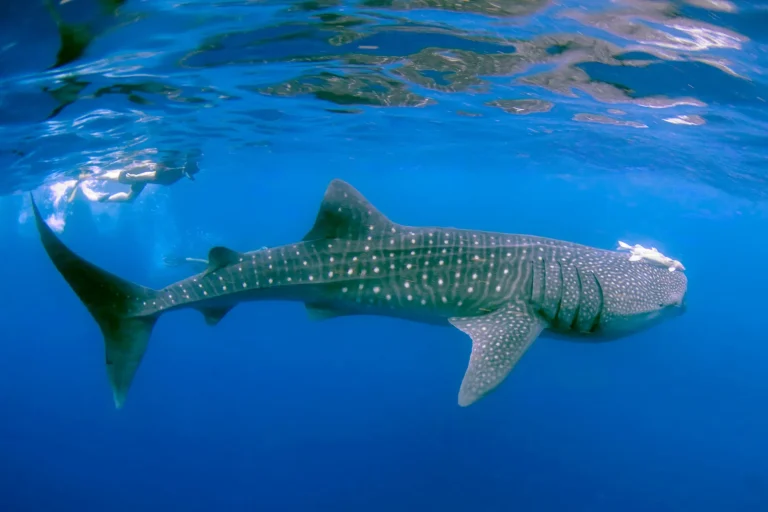
You’re not trying to be a fearless shark whisperer. You just want to get in the water and stay calm. On Oahu, that can start with a harbor warm-up, a few mask and snorkel drills, and a slow belly breath while the safety diver watches. You’ll feel the rope line under your fingers and hear the boat creak. Then the sharks glide past like shadows. So how do you take the next step without freezing?
Key Takeaways
- Choose a documented, insured operator with a 6:1 guest-to-safety-diver ratio; divers should enter first and exit last.
- Book an early-morning trip for calmer seas and clearer water, reducing stress and motion sickness.
- Start with a 10–15 minute harbor warm-up to practice mask/snorkel clearing, floating, and ladder exits until automatic.
- Use the boat’s safety line first; slow breathing, stop kicking, and move farther only with close diver support.
- Follow a panic reset: keep mask on, exhale 4–6 seconds, surface to the line, float on back, and reboard anytime.
Best Shark Dive Oahu Options for Beginners
If you’re new to shark diving and your stomach flips at the thought of open water, start with an operator that keeps the whole experience calm and structured for shark diving in Oahu. One Ocean Diving in Haleiwa runs cage free swims with no chum and caps groups at six guests per safety diver.
Most private trips start with a dockside check-in, gear sizing, and a short boat ride out to the North Shore where the crew walks you through private charter safety rules before anyone gets in.
If you pictured first shark cage diving, you’ll notice how quiet this feels once you slide in. The safety divers enter first and exit last, staying close as you listen to bubbles and watch shapes pass.
A marine biologist leads the briefing and shares IDs. Want to stay dry? Ride along and watch from the rail, or snorkel the surface. Book a morning trip for gentler seas and clearer water.
How to Choose a Safe Shark Dive Oahu Operator
Before you zip up a wetsuit and step off the transom into that deep Hawaiian blue, pick an operator that treats safety like the main event. Look for a documented 100% safety record plus current insurance, licensing, and a paper trail you can verify. Ask who’s on board. You want a marine biologist and a trained safety diver who enters first and exits last, with a clear guest ratio like 6:1.
Choose a shark diving tour that uses science backed, non‑invasive rules, no chum, and calm adjustments based on shark body language. Confirm they follow no-chum policies and other best-practice standards specific to Oahu shark diving. Check the boat size, stable 33‑foot decks, freshwater rinse, and gear rentals. Read fresh reviews.
Finally, confirm briefings, incident steps, and fair refund policies if plans change before you pay your deposit.
Cage vs. No-Cage: What Nervous Swimmers Prefer
Often, the biggest choice that calms your nerves on a shark plunge in Oahu comes down to one simple question: do you want a cage or open water?
If you crave predictability, the cage feels like a sturdy porch rail. You climb in, kneel or sit, and let the ocean slap the bars while sharks glide past. You don’t need strong swimming, and you can focus on fins, shadows, and the low hum of the boat.
If you want a gentler ramp, a cage-free trip can work. Some crews let you watch boat-side first or ride along a float line. Trained safety divers enter first and exit last, about six guests per diver. It also helps to think through the tradeoff between cage-free vs cage shark diving in Oahu so you pick the style that matches your comfort level. Book a morning, take sea-sickness meds, and ask for the line.
Quick Snorkel Practice Before Your Shark Dive Oahu
Before you head out, you’ll want a quick harbor warm-up snorkel in calm, waist-deep water where the surface feels like cool glass and the only soundtrack is your own bubbles.
You’ll practice calm, slow breathing and do a few mask-clear and snorkel-clear drills until it’s just muscle memory, not a surprise.
Add a minute of surface floating so you can relax your body and conserve energy before you head out for your shark dive.
Harbor Warm-Up Snorkel
Sometimes the best confidence boost happens right at the dock, with your fins tapping the ladder at Haleiwa Harbor and the water lying calm and green beneath you. You’ll do a 10–15 minute harbor warm-up snorkel with a One Ocean safety diver. In the shallow basin you practice mask clearing, snorkel breathing, and equalizing as boats clink nearby.
If you’re getting there without a rental car, plan extra time for getting to Haleiwa so you arrive calm and unhurried for the warm-up.
Use it to adjust gear. Tighten fin straps, test the snorkel purge, and reseat your mask. A good fit cuts leaks by over 90 percent. Run short breath-control drills, then dip your face for 10 to 20 seconds. Review hand signals and the stay-close-to-boat routine for a 2 to 3 meter viewing distance. Check seasickness prevention too. Try ginger candy or confirm your Dramamine timing today.
Practice Calm Breathing
Usually your nerves settle fastest when you give your lungs a simple job to do on land first. Before boarding, practice calm diaphragmatic breathing for 5 to 10 minutes: inhale 4 seconds, hold 1 to 2, exhale 6 to 8. Your heart rate drops, and the snorkel hiss feels normal, not urgent. Adding a relaxed neutral buoyancy float while you exhale slowly can help you feel supported in deep water without fighting it.
- Do three 1 to 2 minute snorkel rounds in shallow water.
- Float face down and take 10 breaths, check your pulse, repeat twice.
- Signal your buddy, swim to the ladder, and rehearse an exit with 5 to 10 second breath holds.
- If you get feelings of sea-sickness or tend to hyperventilate, lengthen breaths in two sessions to Prepare for Your First and stay comfortable in the water.
What to Eat, Wear, and Bring
Eat a light low-fat snack a couple hours before you board and keep sipping water so your stomach stays calm while the boat hums over the swells.
For the night before, aim for a simple dinner and skip heavy, greasy foods so you feel steady on the boat with a calm stomach.
You’ll feel best in a snug rashguard or thin wetsuit with your suit underneath, plus a light windbreaker for that salty breeze that always shows up.
Pack reef-safe non-aerosol sunscreen, two towels, hat and polarized sunglasses, and a small dry bag with meds, ID, and any motion-sickness help, and keep your camera plans simple since in-water filming needs the crew’s okay.
Pre-Dive Snacks And Hydration
Before you step onto the boat, set yourself up with a snack and a water plan that keep your nerves steady and your stomach calm. The harbor smells like salt and diesel, and a steady routine helps.
- eat a light,carbohydrate-rich snack 1–2 hours before boarding, like banana and toast or warm oatmeal.
- drink at least 16–20 ounces of water in the two hours before departure, then sip on board.
- avoid heavy,greasy,or alcohol-containing foods for six hours, and don’t crush a big meal right before you walk down the dock.
- pack easy-to-eat,bland snacks like saltines or a small bar, plus your motion-sickness meds or ginger chews.
Some divers also find that following an eat and drink right routine before departure helps prevent seasickness on shark dives.
Tell the crew about allergies or meds early, and you’ll feel more in control. Even the waves seem friendlier.
Clothing, Sun, And Gear
Sometimes the biggest confidence boost on an Oahu shark dive is as simple as what you wear and what you pack.
You’ll want to wear a snug rash guard or a thin wetsuit for jellyfish and a touch of warmth, plus two towels: one for the bench and one for the saltwater rinse-off.
If you tend to run cold, consider layering a rash guard under a thin wetsuit for extra warmth without feeling bulky.
Apply reef-safe, non-aerosol sunscreen before you arrive.
Hawaii law favors biodegradable formulas like Raw Elements, and the boat ride stays cleaner.
Bring a snug mask and fins even if the crew has spares.
Skip handheld cameras in the water.
A dry-top snorkel can smooth your snorkel experience by blocking splashes.
Pack one small bag, choose dark colors, share medical needs, and follow safety protocols with quiet respect for the ocean today.
Seasickness Plan for Shark Dive Oahu Days
Often the difference between a dreamy shark dive day off Oahu and a boat ride comes down to a simple seasickness plan. For your Shark Dive, treat motion sickness prevention like sunscreen: do it early and consistently.
- Take 50–100 mg dimenhydrinate the night before, then again 1 hour before boarding, or use 25–50 mg meclizine the night before for longer cover.
- Book the earliest departure. Boats leave about 6am in summer and 7am in winter, when Oahu pelagic trips feel smoother and the water looks clear.
- Sit mid-ship on the 33 ft Mano Kai or Niuhi. Face the horizon, skip engine fumes, and sip water.
- Sleep well, avoid breakfasts, and tell the crew your history. Add wristbands or a scopolamine patch if it’s rough.
Also, avoid triggers like alcohol the night before and strong smells on board, and choose fresh air on deck whenever possible.
Shark Behavior Basics That Calm Nerves
You calm your nerves fast when you learn to read shark body language, like a smooth side-to-side tail and easy cruising versus quick, jerky turns or lowered pectoral fins.
Sharks may also make curious passes by circling to gather information and keep you in view, which is typically investigative rather than aggressive.
You’ll also feel steadier by holding a relaxed posture and keeping a respectful 2 to 3 meter buffer while the guide’s safety team watches the spacing like a hawk in a wetsuit.
You don’t have to do much, just stay still, move slow, and enjoy the quiet rush of bubbles as you practice passive observation like you’re watching wildlife from the best seat in the ocean.
Reading Shark Body Language
On a shark dive off Oahu, it’s usually easier to relax once you know what “calm” looks like underwater. You’ll spot steady cruising with a smooth tailbeat and slow gill pumps, like quiet bellows. A level body and pectoral fins slightly down often mean curiosity, not conflict. Many divers use shark body language to distinguish curiosity from agitation and stay calm in the water.
- Watch the rhythm: even speed and regular gill opening equals settled shark behavior.
- Note the turns: slow circles and repeated passes suggest a polite check-in and a respectful interaction.
- Flag tension: jerky darts, a hunched back, or sharp pivots signal rising arousal.
- If a Tiger Shark adds head jerks, snout lifts, and sudden vertical moves, get your guide’s cue and exit calmly.
Less splashing helps ocean conservation and everyone’s nerves up top too.
Distance And Calm Posture
In the clear blue water off Oahu, distance and posture do a lot of the talking for you. When sharks cruise instead of feed, they glide level and unhurried. Match that with slow breaths and a calm, horizontal posture, and you look like background scenery, not lunch.
For most shark diving experiences, your safety diver will cue where to hover. Maintain a passive distance of 2 to 3 meters, about two fin lengths. Keep your body turned slightly sideways, arms tucked, legs together. Don’t splash or reach out. Sudden motion reads like a struggling fish. Follow the guide’s hand signals to hold your spacing and avoid crowding the group. Think cage diving vs open water: you still use the same quiet body language, just with more salt on your lips and fewer rattling bars as sunlight flickers overhead.
Respectful Passive Observation
Calm posture buys you space, and a little shark body language buys you peace of mind. Most approaches are curious, not cranky. Galapagos sharks and reef sharks often glide past in slow side to side checks. Their mouths may hang open because they’re breathing, not plotting. You stay still at 2 to 3 meters and let the ocean go quiet around you. On an Oahu shark dive, it’s normal for a shark to make a close, calm pass during a curiosity check, so realistic expectations help keep your nerves steady.
- Watch for level cruising and steady pectoral fins. That’s relaxed.
- Note jerky turns, an arched back, or quick vertical rises. That’s a cue.
- Keep hands close and avoid splashes, bright gear, and fast kicks.
- Trust safety divers. They enter first, exit last, and gently redirect attention.
This respect for sharks makes passive observation feel like TV in 4K.
Safety Briefing: Signals, Spacing, and Exits
Before you even feel the first cool splash, your guide will run a crisp safety briefing that makes the whole shark dive feel orderly and surprisingly simple.
> Before you hit the water, your guide delivers a clear safety briefing, making the shark dive feel calm, structured, and simple.
You’ll learn hand signals and verbal cues like “stay,” “move,” and “exit,” so you can communicate without surfacing.
In the water, you’ll keep a 2–3 meter (6–10 foot) distance while safety divers coach your spacing and calm breathing.
They enter first and exit last, so you follow their lead.
If you’re coming from Waikiki, confirm your Waikiki to Oahu transportation pickup plan ahead of time so you arrive calm and on schedule for the briefing.
If a shark drifts too close or shows agitation with quick turns, you stay still and let a safety diver nudge it away.
You’ll also review exit points in advance.
The ladder or rope line lets you rest or leave anytime.
Signal the crew and you’re back aboard.
Start on the Boat Line (Then Go Farther)
Once you’ve got the hand signals and exit plan locked in, you’ll start with the easiest move: grab the boat’s safety line and let yourself bob at the surface.
You’ll feel the rope through your gloves as you settle into calm breathing. One Ocean’s safety divers enter first and last, so you’re bracketed by pros while sharks cruise below at a relaxed 2 to 3 meters. Stay quiet, no bright colors, no splashing. Before you ever hit the water, the crew walks you through the full check-in to boat ride flow so you know exactly what to expect.
- Hold the safety line and keep your fins still.
- Watch for comfort cues your guide points out.
- Ease one hand off and drift a foot away.
- Go farther only when a diver stays close for 1:1 support.
Step back to the line or ladder whenever you want.
If You Panic: How to Reset and Surface Safely
If panic taps you on the shoulder out there, you’ve got a simple reset that works fast and keeps you in control.
Keep your mask on, face in the water, and do slow controlled exhalations for 4 to 6 seconds. You’ll feel bubbles slide past your cheeks and your pulse ease.
If you’re breathless underwater, stop kicking, tuck your chin, take one snorkel breath, then surface if you need to.
Signal the safety diver or crew right away with a wave or thumb down.
Grab the boat’s line or their outstretched arm and float on your back.
Do five calm breaths, then 30 to 60 seconds of inhale 4, hold 1, exhale 6.
If you still feel overwhelmed after surfacing, use the open water panic reset and keep slow breathing while you hold the line and wait for the crew.
You can climb aboard anytime, and that’s how you prevent panic.
After Your Shark Dive Oahu: Easy Conservation Steps
Stepping off the boat with salt on your lips and your wetsuit still dripping, you’ve already got a few easy ways to keep the sharks safer. Keep that post-dive buzz and turn it into shark Conservation that lasts past the dock. As you head back onto the North Shore, remember respectful visiting means leaving places better than you found them and caring for the community and coastline you just enjoyed.
- Post the operator’s shark ID shots and behavior notes. Tag @oneoceanglobal so named sharks get logged and more people learn.
- reduce single-use plastics this week, then join or donate to the tour-funded beach cleanup. Less trash means fewer snarled fins and cleaner prey.
- support shark-friendly policy by emailing Hawai‘i lawmakers. Mention HB553 and nudge a friend to send one too.
- Make ocean-friendly choices: reef-safe sunscreen, sustainable seafood, and less runoff. If you can, sponsor a shark to fund Mano research and school outreach.
Frequently Asked Questions
Can Kids or Non-Swimmers Join a Shark Dive Oahu Tour?
Yes, you’ll find kids and non-swimmers can join an Oahu shark tour. Check age limits (often 5+), guarantee parental supervision, and choose boat viewing or safety-line snorkeling. Use flotation devices, consider swimming lessons beforehand too.
Are There Medical Conditions That Prevent Me From Shark Diving?
Sometimes the ocean asks you to sit this dance out: yes, medical issues can stop you. Disclose pre existing conditions; operators may require cardiac precautions, won’t accept seizure risks, and enforce pregnancy considerations for safety.
How Long Is the Boat Ride, and How Rough Can It Get?
You’ll ride about 20–40 minutes from Haleiwa Harbor, those are your duration estimates. Sea conditions stay calmer in summer, rougher in winter trades. For comfort measures, sit mid‑ship, watch the horizon, and take motion sickness meds.
Can I Bring My Own Camera or Gopro, and Are Mounts Allowed?
You can bring a camera or GoPro, but follow camera policies: handhelds stay on the boat, and underwater use needs waterproof housings. Mounting restrictions apply, secure wrist/chest mounts only, tethered. Ask about footage rights during briefing.
What’s the Refund or Reschedule Policy if Weather Cancels the Trip?
Windy, worrisome waves? If weather cancels, you’ll get weather refunds or you’ll choose trip reschedules to a new date. They’ll work fast by text. Ask about cancellation insurance and credit transfers if plans change later.
Conclusion
You’ll start small, then watch your courage stretch like a sail catching steady wind. The harbor warm-up feels like pool practice with salt on your lips and a quiet safety diver at your shoulder. You’ll breathe slow, grip the boat line, and ease out to that two to three meter view. You’ll hear bubbles and boat creaks, then see sleek shadows pass. If you need out, the ladder’s right there.