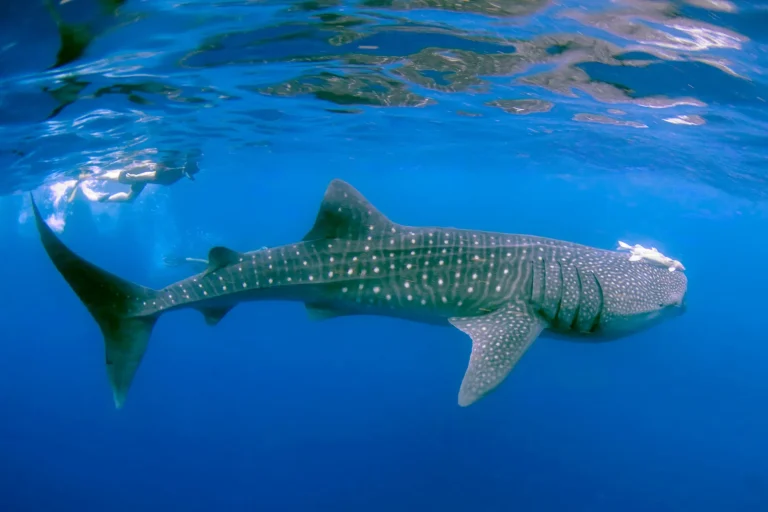
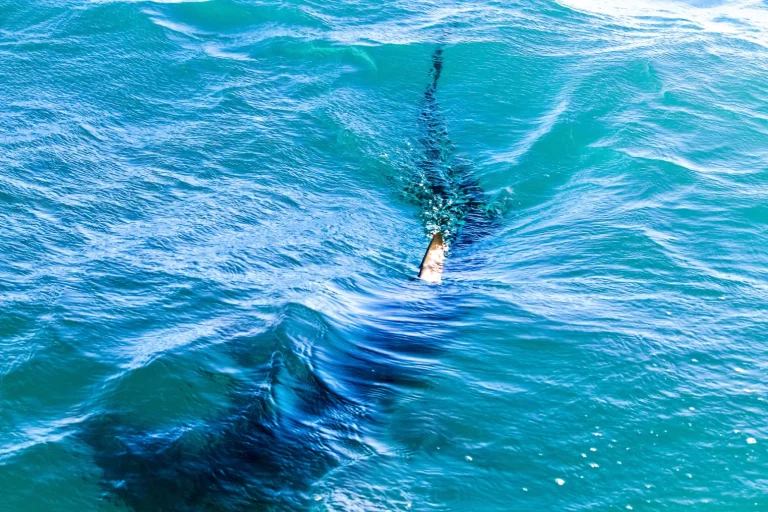
You can watch sharks up close even if you can’t swim, and you don’t have to play hero. You stay on deck with a rail under your hands and salt spray on your face while the crew calls out fins in the wake. Some tours add glass panels or live camera feeds, so you spot shadowy shapes without getting wet. You just need the right boat and the right questions. Which ones matter most?
Key Takeaways
- Many shark tours offer boat-only viewing, so non-swimmers can stay aboard without entering the water.
- Glass-bottom boats and clear viewing panels let you watch sharks below the surface while staying completely dry.
- Deck-based spotting cruises provide safe surface viewing from behind rails as crew manage bait, chum, and crowd control.
- Choose licensed, insured operators with CPR-trained crew, lifejackets, radios, and clear safety briefings before departure.
- Ask in advance about rules banning swimming, required lifejacket use, accessibility, and trip length for comfort and stability.

Can Non-Swimmers Do a Shark Tour Safely?
Even if you can’t swim, you can still join a shark tour safely because many trips keep you on the boat or in a secure cage that’s clipped to a solid platform.
Even if you can’t swim, you can join a shark tour, many keep you on the boat or in a secure cage.
You’ll watch sleek shadows cruise past the hull, hear the slap of waves, and feel the deck vibrate when the engine idles.
Operators hand you a life jacket near open rails and supply extra flotation for transfers, so you’re not relying on your kick. Before you book, read the safety policy for crew ratios, briefings, and emergency steps. Ask about visibility concerns and how they handle choppy days.
On a private shark dive charter on Oahu, crews typically walk you through what to expect before you ever leave the dock.
If you have health issues, get medical clearance first.
Choose licensed, insured crews with radios, lifelines, and strong reviews. Bring sunscreen, keep hands in.
Do You Ever Need to Enter the Water?
When do you actually have to get wet on a shark tour? Usually, you don’t. Many operators keep you on a glass bottom boat or a raised deck where you can lean on the rail and watch fins slice the surface. Some run shark cage viewing from the vessel so you look down through clear panels without climbing in. Many Oahu shark dives also leave from established harbors and ramps, so you can confirm the exact meet spot before booking.
If the crew sets a chum line or baited spot, they still keep passengers aboard. Rules and local maritime laws often ban swimming or jumping in during encounters, so check policies before you book. You can still feel close via underwater camera feeds, hydrophone crackles, and narrated sightings. Ask about accessibility accommodations, or pick shore watches, museums, and virtual experiences when seas feel too wild.
Boat Shark Tour vs Cage Dive: What’s Safer?
If you stay on a boat tour, you stay dry and keep a clean buffer between you and the sharks, so water exposure and its risks drop fast.
If you pick a cage option, you’re closer to the action, but you also rely more on gear and your own calm, so check the operator’s safety rules, crew first aid training, and basics like lifejackets, VHF radio, and an AED on board. Many Oahu operators also emphasize that cage shark diving is best suited for confident swimmers who can stay relaxed in the water. Listen for the briefings over the engine hum, watch how the crew handles lines and distance, and you’ll quickly feel which setup matches your skills and comfort level.
Water Exposure And Risk
Although both options can feel like front-row seats to wild nature, a boat-based shark tour keeps your biggest risk out of the picture: water. You stay dry on deck while fins slice the surface and gulls argue overhead. That means no cold shock, no sudden gasp reflex, and far less chance of drowning if you can’t swim. You also skip exposure to waterborne pathogens that can sneak in through cuts or a swallowed mouthful. Before you go, confirm the operator reviews life jacket use and crew safety procedures so you know exactly what to do if conditions change.
A cage dive trades that comfort for immersion. Even in calm seas you must manage waves, gear, and nerves. Most sea mishaps happen to people in the water. On a boat you still watch your footing, brace for spray, and pack sunscreen. Choose gentle conditions and you’ll feel the difference.
Safety Protocols And Crew
Before you even spot a fin, the safety story starts with the crew and the rules they run like clockwork. On a boat-only tour, you’ll see Coast Guard lifejackets stacked like bright pillows, plus a throw ring ready to fly. The skipper’s crew certification matters, and you want at least one person with marine first aid and CPR. You’ll get a briefing: stay seated, keep hands inside rails, and don’t lean over the gunwale. Ask about VHF contacts and emergency drills. Some operators also walk you through a step-by-step check-in process before boarding so the crew can verify waivers, do a quick headcount, and set expectations early.
| Feature | Boat tour | Cage dive |
|---|---|---|
| Crew focus | crowd control | water monitor |
| Hardware | lifejackets, ring | bolted cage |
| Procedures | seated rules | supervised entry |
| Paperwork | permits posted | observer logs |
Regulations vary, so pick operators with posted permits, wildlife rules, and an emergency-action plan, AED, and radio.
Skills, Gear, And Training
Since the biggest safety gap comes down to water time, skills, gear, and training matter a lot more on a cage dive than on a boat-only shark tour.
On deck, you don’t need to swim. You do need steady feet, the habit of holding a rail, and enough mobility to brace when the hull slaps a wave.
Before you book, ask for a quick skills assessment of how you move around. Check that lifejackets are required and sized for you. Scan for VHF radio, EPIRB/GPS, and throwable flotation. Life rafts help too.
Good operators carry training equipment for drills and keep crew current on CPR and first aid. Choose a larger, stable vessel and a calm briefing if seasickness or nerves sneak up early. Ask the crew to review basic hand signals and spacing rules used during Oahu shark dives so everyone can communicate clearly if plans change.
Which Shark Tours Never Require Swimming?
If you want sharks without getting wet, you’ve got options that keep your shoes dry and your pulse up. You can book a glass-bottom boat tour and watch tiger and reef sharks slide past underwater windows while the hull hums and the salt air hits your face.
Or you can stick to cage-free deck viewing and marina-based shark cruises where the captain draws them in near the surface and you lean on the rail with a camera and a very sensible snack.
For the easiest logistics, choose a shark tour in Oahu that includes hotel pickup so you can stay on the boat from start to finish without worrying about transportation.
Glass-Bottom Boat Tours
A glass-bottom boat feels like a floating window, and it’s one of the easiest ways to meet sharks without getting your hair wet. You stay dry on a deck or step into a below-deck viewing chamber. Operators promise you won’t enter the water so non-swimmers can relax and listen to the hull hum. For a smoother ride and steadier views, many travelers pair these trips with calm water time at North Shore beaches.
Look down through reinforced acrylic or laminated glass panels several inches thick and watch shadows turn into sharks. Most trips run 1 to 3 hours with narrated spotting windows and sometimes timed feeding. You’ll get a safety briefing and a life jacket even if you never leave your seat. Check posted seasonal odds often 70 to 90 percent and book peak months. Bring marine photography gear and read the educational signage.
Cage-Free Deck Viewing
Often the simplest shark tour never asks you to get wet at all. You stay planted on a stable deck while crew drop chum or bait bags off the stern. Sharks slide into view beside glass sides or railings, and you can watch shark behavior up close as the sea slaps the hull. Many operators also brief guests on risk management basics, like how bait is handled and why you should never lean over or trail gear in the water.
Before you book, confirm:
- the operator is Coast Guard-licensed and carries life jackets and full safety gear
- your viewing setup is open deck, covered area, or glass-bottom panel, plus passenger limits and trip length
- whether binoculars and a naturalist are onboard, and ask for photography tips
Follow boat etiquette, keep hands in, and respect wildlife laws. You’ll leave with salty hair and zero swim time for good measure.
Marina-Based Shark Cruises
Marina-based shark cruises keep that dry-deck comfort but add a tidy schedule and an easy walk from the parking lot to the boat. You step aboard a covered deck or glass-bottom tour, then stay fully on-board while Stuart, Cape Cod, or Mossel Bay slides past. Certified guides give a safety briefing and point out fins, shadows, and the silver flash under the panels. You’ll hear gulls and the soft thrum of the engine, not your nerves.
Crew keep life jackets ready and they’re trained in CPR and first aid, so you can relax. Some boats lower viewing boxes and use chum-free methods. Many operators also offer Reserve Now, Pay Later options for Oahu shark dives, which can make planning easier if you’re not ready to commit upfront. Book ahead and scan listings for “boat-only” and rules on ages. Practice marina etiquette, then use photography tips to catch the moment.
What Does “Stay on the Boat” Mean in Practice?
Step aboard and “stay on the boat” quickly becomes a very literal promise: you watch sharks from the deck and you don’t get in the water, not even for a minute.
Step aboard and “stay on the boat” means exactly that: sharks from the deck, dry feet only, no swimming, not even for a minute.
You stay dry while the captain idles near seal colonies or fishing grounds, then trails a chum line so fins slide into view like quick shadows.
You’ll usually rotate through a raised platform or a glass-bottom panel, steady underfoot, and you’ll learn a bit as you scan.
Before departure, crew gives a quick briefing, points out lifejackets, and keeps passenger numbers comfortably capped.
If you’re coming from Honolulu, plan ahead for transportation tips to reach the harbor on time.
- Follow deck etiquette: keep rails clear and kids close.
- Use provided binoculars and ask about viewing optics for photos.
- Expect 1–2 hours to half-day, plus talks and optional high-res shots.
What Makes a Shark Tour Boat Feel Safest?
Usually, the safest shark tour boats feel calm before you even spot a fin. You step into an enclosed viewing area where railings and plexiglass panels create a clear boundary, and the high freeboard keeps the sea at a respectful distance. A wide-beam hull or catamaran stance softens roll, so your coffee doesn’t skate. Crew move with purpose, and their CPR and first-aid badges aren’t just for show. You can also vet an operator using a simple safety checklist before you book. You’ll also see labeled, Coast Guard-approved life jackets and throwables within reach. Good passenger flow matters. So does lighting design that keeps steps, thresholds, and gear easy to read at dusk today.
| Look for | What you notice |
|---|---|
| Covered deck | Wind hush, fewer open gaps |
| Tall sides | Solid railings, vertical bars |
| Steady layout | Clear aisles, calm crowding |
What Rules Keep Guests From Going Overboard?
Before the engines even rumble, the crew lays down simple rules that keep you planted and confident on deck. You’ll ride with a capped headcount, so there’s room to move without bumping elbows. Plan to follow the crew’s check-in times so the safety briefing happens before boarding. During transit you stay seated or inside marked rail zones, and the deck feels like a tidy workspace, not a dance floor.
- Wear non-slip shoes and stow loose hats, phones, and bags.
- Skip alcohol until you’re back at the dock.
- Follow one-at-a-time ladder and cage steps while crew spotters watch.
That’s passenger discipline with a purpose. Strong railings, netting, and locked gates add access control near the swim platform. Lifejackets stay close, and you put one on when conditions get sporty. Ignore the rules and they’ll bar you from the tour.
What to Listen for in the Safety Briefing?
Where should your ears go first when the crew starts the safety talk? To the briefing timing and the trigger phrases right away. When you hear “station for briefing” or “shark viewing,” plant your feet, sit if told, and keep a hand on the rail. Boat bumps are sneaky, like a sidewalk that suddenly tilts.
Next, map the gear. Spot where the life jackets are stowed and follow the fit checks before boarding and anytime you move on deck. Listen for emergency steps, the muster point, and where throw rings and fire extinguishers sit. Good operators will also point out their onboard CPR and first aid kit and who’s trained to use it. Ask who’s in charge and what whistle or horn means man overboard. Finally, lock in command recognition: “hold,” “down,” “back,” and “in the cage,” plus the safe zones for non-swimmers.
Are Life Jackets Provided on Shark Tours?
Once you’ve got those command words and safe zones in your head, the next thing to confirm is what’s keeping you floating.
Most shark tours hand you U.S. Coast Guard approved life jackets, with sizes from infant to adult, so you can get real PFD fit instead of a sloppy squeeze.
On many boats, crew will ask non-swimmers or anyone who wants one to wear it anytime you’re on deck or at the viewing rail.
Expect Type III or Type V vests meant for comfortable, short on-deck use.
If you’re gearing up at the dock first, it also helps to know whether the harbor has restrooms and showers available before and after your tour.
Before you book, run these Preboarding questions:
- Do you reserve my size in advance?
- When is wearing required in rough seas?
- Where are spares stored, and who helps suit up if you wobble.
How to Choose Tours for Kids or Seniors?
If you’re planning a shark tour with kids or seniors, pick a trip that keeps everyone dry and steady while the ocean does the dramatic stuff outside. Look for glass-bottom cruises or enclosed-cage viewing that stays 100% on deck, like operators in Cape Cod or South Africa. Ask about age accommodations and supervision rules, and check any health limits before you book.
For mobility considerations, choose a stable boat with non-slip decks and benches with backrests, so you’re not juggling balance and binoculars. Smaller boats with limited capacity can also feel calmer and easier to manage for families and older guests. Then confirm a licensed captain, passenger limits, and guides trained in CPR, first aid, and marine emergencies.
Finally, match the schedule to attention spans: shorter trips, easy restroom access, shade, and correctly sized lifejackets for kids and older adults on board.
How Does Seasickness Change Your Shark Tour?
Seasickness can sneak up within an hour of boarding, and it changes your shark tour fast because you’ll focus on staying steady and safe instead of chasing every splash.
You can lower the risk by taking motion meds early and by grabbing a seat on the centerline where the boat’s roll feels softer under your feet. Another helpful tip from Calm Seas is to time motion sickness meds so they’re in your system before you leave the harbor. If nausea hits, you’ll likely stay on the open deck with fresh air and maybe ginger candy, and you can skip any water time without missing the thrill of fins slicing the surface.
Seasickness Risk And Safety
While the boat noses past the harbor and the engine settles into a steady growl, motion sickness can quietly rewrite your shark tour plan. About 30 to 40% of day trippers feel it, so treat it like part of your checklist. For motion prevention, nail your medication timing: take 50 to 100 mg meclizine or 25 to 50 mg dimenhydrinate 1 to 2 hours before boarding. Picking a seat near the center of the boat and keeping your eyes on the horizon can reduce motion sickness triggers on small boats.
- Book a mid-day departure when seas smooth out.
- Choose a larger vessel and ask about antiemetics and shade.
- If nausea hits, face the horizon, grab fresh air, sip water, and try ginger 250 to 1000 mg or wristbands.
If you get sick, tell the crew early. They’ll slow the pace, repeat safety steps, and help you suit up.
Choosing Seats For Stability
Claim the right seat early and you’ll feel the difference as soon as the boat clears the breakwater and starts to rise and fall. Go for midship seating and stay low, near the deck. The center rides smoother than the bow, where the nose slaps and pitches. If you know you get queasy, skip those forward-facing seats.
Pick the shaded centerline when you can. Cooler air slides past and the horizon stays steady in your view, which helps your stomach settle. Keep in mind that boat ride conditions can change quickly on the way to the shark site, so stay flexible about where you sit if the water starts getting rough. Look for a backrest and a foot brace so you can lock in your posture. In choppy water, ask the crew for a spot near the helm or cabin window. You can watch the line of sea and breathe slowly, shark talk included
Where Are the Best Viewing Spots Onboard?
Where should you post up when the ocean suddenly turns into a shark stage? Head for the bow for the cleanest look at surface swirls, but ask first and practice bow safety by staying behind the rail while guides work the chum.
If you want steadier footing and play by play, the stern keeps you close to deckhands and their commentary, plus it’s friendlier for lens shots.
For the big picture, climb to panoramic platforms like the flybridge if access is open and the fee fits.
- Bow rail for clear water and bait action
- Stern corner for stable photos and crew tips
- Port or starboard rail on the down-current side when sharks circle
Prefer shade? Watch through cabin windows in comfort.
To make arrival stress-free, plan your timing around best lots and parking costs near the Oahu shark dive harbors so you’re not sprinting to the dock.
If You Fall Off the Shark Tour Boat, What Now?
If you slip off the rail and hit the water with a slap, your best move is to stay calm and get your breathing under control.
Lean back to keep your airway clear.
Take slow breaths and avoid gulping water.
Now do a post fall checklist.
If you have a life jacket, put it on fast.
A Type I to III PFD keeps your face up.
Float on your back with your head slightly back.
Spread your arms and legs to save energy.
Visibility signaling matters.
Wave one arm, shout, and use a whistle or light.
If the boat is near but you can’t swim, keep floating and let the drift carry you as the crew throws a ring or sets a ladder.
Frequently Asked Questions
What Sharks Are Most Commonly Seen on Boat-Only Tours?
Spray-swept boat-only tours most often show you Bull sharks and Nurse sharks, with Tiger sharks and Lemon sharks also common. Sea-swell sightings keep you scanning; you’ll watch reef roamers and coastal cruisers circle calmly nearby.
How Far From Shore Do Boat-Based Shark Tours Typically Travel?
You’ll typically travel 1–10 miles out, with many trips anchoring 1–5 miles offshore in 20–200 feet of water. Your offshore distance depends on rules and seas, but stays within VHF visibility range for quick returns.
Are Bathrooms Available Onboard During the Shark Tour?
Yes, you’ll usually find onboard restrooms, like a little harbor in a storm, announced at briefing and tucked below deck. On smaller boats, you won’t; operators may offer portable toilets or none, so check ahead before.
Can I Bring My Own Camera Gear, and Are Tripods Allowed?
You can bring your own camera gear, but you’ll need straps or tethers and consider camera insurance. Tripods are usually limited to compact, non-spiked types; ask ahead. Use waterproof housings and float straps as well.
What Is the Cancellation Policy if Weather Cancels the Tour?
Weather cancels? You’ll usually get a full refund or free reschedule when the captain calls it unsafe. Check the policy for refund timelines, how you’re notified, and whether you can pick alternative dates without fees.
Conclusion
You don’t need strokes to meet sharks. You pick a boat-only tour, grab a lifejacket, and lean on the rail while the crew spots fins and shadows below. The deck stays steady, the salt air stings, and the camera feed flickers like an old cassette tape. You choose a sheltered route, sit near the center for motion, and keep kids close. If you slip, crew protocols kick in fast. You stay curious, dry, and thrilled.