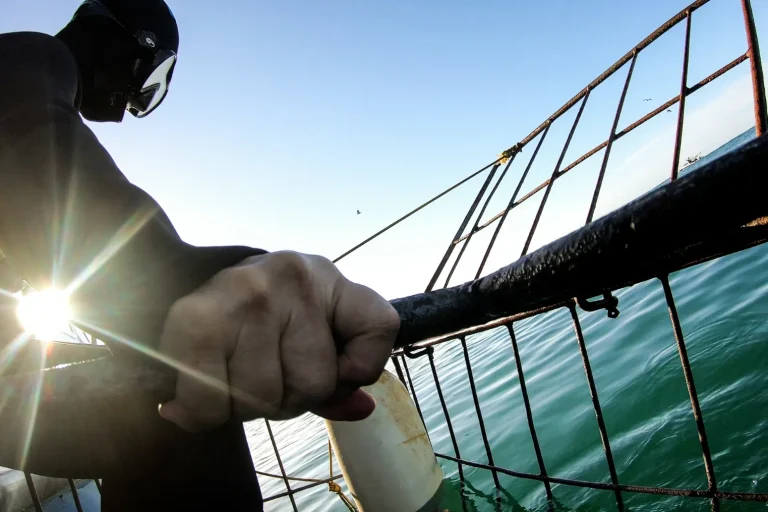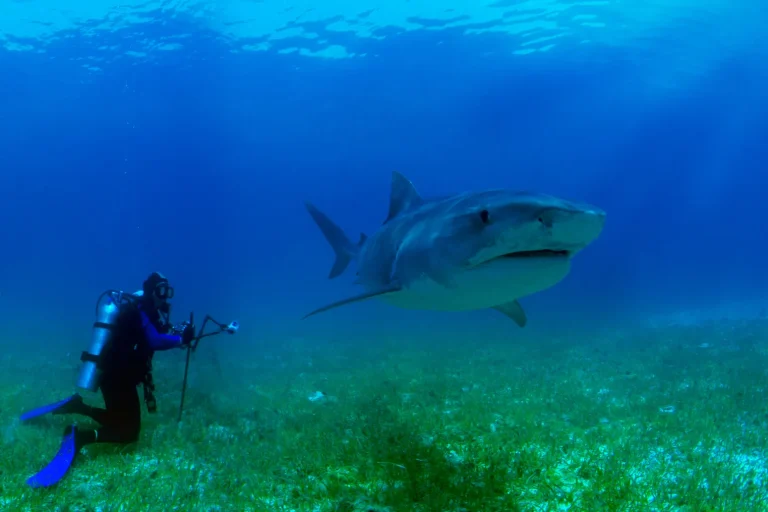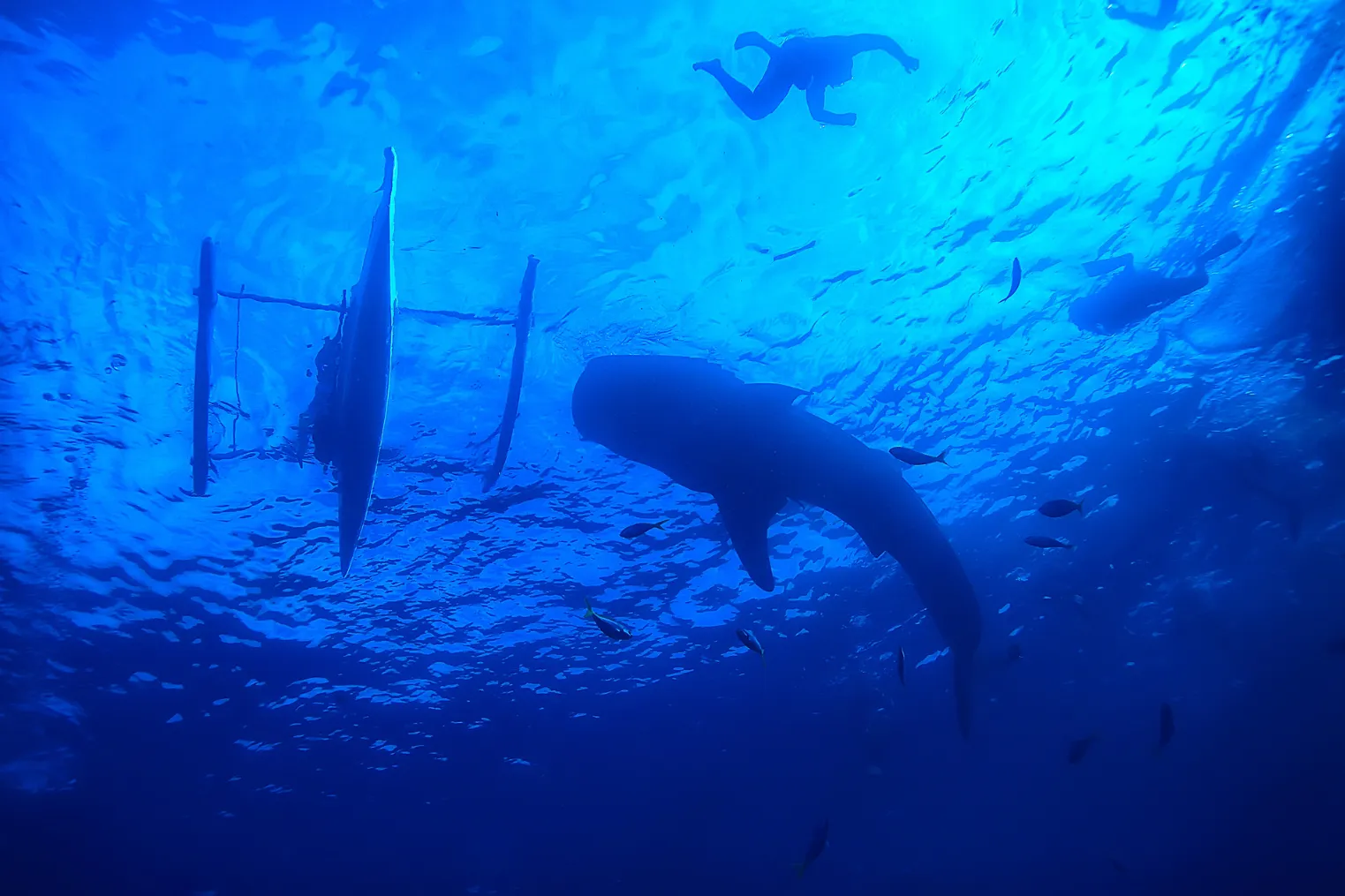
You can hear the boat slap the chop off Oahu and feel the salt dry on your mask before the first dorsal fin slides past the cage. That’s when you’ll want to know what your travel insurance actually pays for, and what it quietly ducks. Does it cover ER stitches, antibiotics, and an airlift to a hyperbaric chamber, or do you need a hazardous sports rider? And what happens if the operator says you broke a rule?
Key Takeaways
- Most policies need an adventure/hazardous-sports rider explicitly covering scuba, cage diving, or shark encounters for claims to be valid.
- Covered medical expenses typically include ER care, sutures, antibiotics, and surgery after bites, stings, or boat slip injuries, up to limits.
- Dive-focused plans often cover decompression sickness treatment, including hyperbaric chamber care, but usually only for dive injuries, not bites alone.
- Emergency evacuation from boat to shore and onward to Honolulu hospitals is commonly covered when local treatment is unavailable, subject to evacuation limits.
- Trip cancellation/interruption can reimburse prepaid shark-dive seats for covered reasons or CFAR upgrades, if the activity and operator are eligible.
What Does Shark Diving Insurance in Oahu Cover?
Although the water off Oahu can look like polished glass from the boat, shark cage and open-water dives often fall outside standard travel insurance, so you’ll want a policy that clearly lists scuba, cage diving, or shark encounters under an adventure rider. You’ll hear the winch hum as you descend.
With that add-on, you can expect emergency treatment and hospital costs covered up to your limits after a bite, jelly sting, or slip on the wet deck. Many dive-focused plans pay for hyperbaric chamber care for decompression sickness and medical evacuation to Honolulu when seas turn ugly. Trip cancellation or interruption benefits can refund prepaid shark cage seats or multi-dive packages if you get sick before departure. Check limits on certification, depth, and supervision. Choosing an operator known for responsible practices can also reduce the chance of avoidable incidents that lead to claims.
Does Travel Insurance Cover Shark Diving in Oahu?
If you’re heading out for a shark cage or open-water swim off Oahu, you’ll find most standard travel insurance skips “hazardous marine activities” and leaves you holding the bill.
You can fix that with an adventure-sports add-on, but the fine print often sets depth limits, asks for certification or a supervised outing, and may refuse claims tied to baiting choices or operator negligence.
It’s also smart to read the operator’s waiver and booking policies so you know what refunds or liability you’re agreeing to before you rely on insurance.
Next, you’ll want to see what incidents they actually cover, like emergency evacuation or a hyperbaric chamber ride, and whether your prepaid excursion and gear get any protection too.
Standard Policy Activity Exclusions
When you’re gearing up for a shark dive off Oahu, don’t assume your standard travel insurance has your back once you leave the beach. Many base plans label cage dives and Scuba diving as hazardous, so claims can sink fast.
You might be covered for a scraped knee on Waikiki, yet not for a bite of excitement offshore. Even if your insurer sells an add-on, it may cap depth, require a licensed operator, or exclude anything tied to baiting or chum.
Big-ticket costs like medical evacuation or a hyperbaric chamber often sit outside regular trip coverage. And if swells cancel your charter, trip cancellation may not repay that special excursion unless it’s listed. Weather and ocean conditions are among the most common causes of shark dive cancellations in Oahu.
Read the list and ask where adventure sports travel insurance fits.
Adventure Sports Coverage Options
Before you zip into a wetsuit and step onto a boat in Haleiwa, know this: regular travel insurance usually won’t cover shark diving in Oahu.
To get protected, you’ll likely need an adventure add-on or a Hazardous Sports rider that names cage dives and operator-supervised encounters.
Read the fine print on depth limits and who must guide you.
The ocean is loud and salty, and help can be far, so choose options that include emergency medical care and evacuation, even hyperbaric chamber access.
If you’re comparing operators, use a safety checklist to confirm they’re properly permitted, briefed, and equipped before you book.
If you’ve prepaid a full dive package, look for Dive Travel Insurance or a rider that treats it as a covered trip cost, including sea-condition cancellations.
Check gear caps and baiting exclusions, and bring proof if your operator asks before boarding.
Common Covered Incidents
Scan your policy like you’re checking the horizon off Haleiwa, because the details decide what counts as “covered” once sharks enter the picture.
If your plan lists scuba or you add a hazardous-activities rider, it may pay for trip cancellation or interruption when you’re sick, a family emergency hits, or rough seas shut the boat down. It can also refund prepaid cage or open-water trips if the activity is named, or if you bought a cancel-for-any-reason upgrade.
Because Oahu shark dives are highly weather-dependent, confirm the operator’s cancellation policy before booking so you know whether you’ll be rebooked or refunded if conditions turn.
Baggage coverage may help when your fins vanish at baggage claim or your mask cracks in the sand, but limits apply.
Immersion-trip add-ons may cover operator default.
For true diving injuries, generic travel plans often fall short. Dive insurance can cover medical care, evacuation, and chamber treatment.
Why Is Shark Diving Often Excluded in Policies?
Even if you’re an experienced traveler with a tidy stack of confirmation emails, your standard travel insurance may still tap out the moment you step off Oahu’s boat ladder for a shark dive.
Insurers tag shark diving as hazardous, so the fine print often blocks injuries and evacuations unless you buy diving insurance built for adventure. They worry about big claims: deep bite wounds, helicopter lifts, and pricey hyperbaric sessions. Risk can also swing fast if baiting is used, or if you enter open water without the right guide. Because policies may distinguish between feeding vs chumming and simple scent trails, operators’ practices around attracting sharks can affect how insurers view the risk.
Exclusions get picky. Some policies void coverage for cage trips, scuba without a certified instructor, or certain operators in hot spots like Oahu and other great-white routes. You must disclose plans, or coverage can vanish.
Which Rider Adds Shark Diving Coverage in Oahu?
If you want shark cage time off Oahu covered, you’ll usually need an Adventure Sports Activity Rider or a Hazardous Water Sports Endorsement added to your travel plan.
You should confirm the add-on names shark cage tours or commercial cage operators, and it should also cover boat and on-deck mishaps like a slick rail or a bumped knee as the waves slap the hull.
Expect operators to require a pre-dive safety briefing covering hand signals, spacing, and cage rules before you enter the water.
If you’re also planning scuba, look for a Scuba And Shark Dive Add-On and consider pairing it with a separate dive-accident policy for hyperbaric care and evacuation, because that’s one detail you don’t want to learn about at the dock.
Adventure Sports Activity Rider
Booking a shark dive off Oahu feels thrilling right up until you hit the fine print, so you’ll want the right add-on before you step onto that rocking boat at Haleiwa.
Look for an adventure sports rider, sometimes listed as a scuba dive or diving add-on, that keeps shark encounters in-bounds.
Names change by insurer, so you’ll confirm the endorsement wording before you buy. Many riders only pay if you dive with a licensed operator and stay within limits like depth or certification.
On Oahu, a private shark dive charter typically means heading out from the North Shore, so confirm your policy treats that boat-based excursion as covered adventure activity.
Check exclusions for cage and open-water encounters. Providers like DAN, DiveAssure, and World Nomads spell out shark cage diving.
If you’re going uncaged, make sure the rider covers hyperbaric treatment, medical evacuation, and deck injuries, not just underwater on this trip.
Hazardous Water Sports Endorsement
While the North Shore swells slap the hull and the scent of salt hangs in the air at Haleiwa, your regular travel plan usually treats shark diving like a hard no. To flip it to yes, you’ll need a hazardous sports endorsement, a water sports option often labeled scuba/diving coverage or an extreme adventure rider. Ask the insurer to name cage diving, shark encounters, and baited-shark trips in writing for Oahu. Before you drop in, verify life jackets are onboard and that the crew has clear roles and procedures for entries, exits, and emergencies.
| Moment | What you want | Watch for |
|---|---|---|
| Gulls crying overhead | Operator supervised tour | No solo, no free diving |
| Cold spray on your face | Evac to mainland limits | Low caps and sub-limits |
| Clink of the cage gate | Hyperbaric and gear cover | Baiting exclusions |
Confirm guides and approved operators, then focus on the blue drop below.
Scuba And Shark Dive Add-On
How do you get a clean “yes” for shark diving off Oahu when most basic travel plans flinch at the word shark? You add a Scuba and shark dive rider that lists scuba diving and shark or cage diving in black and white. Specialty insurers and DAN offer it. They may cap your Dive depth at 30 to 40 meters and require a licensed operator.
This add-on can cover emergency medical bills, evacuation from the boat, and hyperbaric chamber treatment. It may still exclude baiting incidents or free swimming with sharks unless cage diving is named. Good operators also carry CPR and first aid gear onboard for emergencies at sea. Check certification rules, per-activity limits, and any bans on night or dawn dives or water. If you want trip cancellation because you can’t Dive, add a dive-trip upgrade.
How to Verify Coverage With Your Oahu Operator?
Where do you start when a shark dive sounds thrilling, but the fine print feels slippery? Ask your Oahu operator for a written list of what you’ll do, like cage diving, surface viewing, and any baiting practices. Match it to your policy’s covered activities and hazardous sports terms.
From check-in through the boat ride, note any required safety briefings and procedures that could affect how your insurer classifies the activity.
Next, request the operator’s proof of liability and vessel insurance. Get the policy name, insurer, and limits. Ask if their waiver could trip up a claim. Confirm whether they require Dive Accident Insurance or set evacuation minimums, and get those numbers in writing.
Then ask how they handle incidents onboard, who calls for help, and where the nearest hyperbaric chamber is. Send your insurer the itinerary, boat name, registration, and any bottom cage dives for approval.
What Medical Bills Are Covered for Oahu Shark Dives?
When things go wrong in Oahu’s blue water, you want to know if your plan pays for emergency treatment, surgery, and that first night in the hospital.
You’ll also want to check whether medical evacuation is covered, since an air ambulance off the island can cost more than your whole trip and usually needs pre-approval.
If you have asthma or another condition, confirm your policy doesn’t exclude care tied to pre-existing conditions before you book the dive.
Read the fine print and follow the crew’s safety rules, because one “I’ve got this” moment can turn a claim into a no.
Emergency Treatment And Surgery
Even if your Oahu shark excursion feels like a smooth boat ride with salt spray on your lips and cameras clicking, you still want to know what happens if teeth meet skin.
The big question is whether your policy will cover emergency medical care on shore. With the right hazardous activity or shark diving add on, insurers typically pay for ER exams, wound cleaning, sutures, antibiotics, and emergency surgery. Without it, you may be holding the bill while you watch the bandages stack up.
Some operators also use shark baiting, which can increase close-contact risk and make it even more important to confirm your policy’s hazardous-activity coverage before you book.
Check your medical limits before you plunge. Plans range from about $100,000 to unlimited, and sub limits can shrink fast.
Hyperbaric chamber treatment usually applies only if a dive injury also occurs, not a bite. Read the fine print.
Medical Evacuation And Transport
Although shark diving off Oahu can feel like a quick hop from blue water back to the dock, you still need a plan for the ride to care if something goes wrong.
Dive focused travel insurance or DAN style coverage can pay for medical evacuation from the boat to shore, then by ambulance to The Queen’s Medical Center or Straub.
If a deep cut or decompression sickness needs gear Oahu can’t provide, your policy may fund an air ambulance and a transfer to a mainland hyperbaric chamber, up to your evacuation limit.
If you’re shark diving Oahu without a car, confirm whether your insurer will also cover emergency ground transport that starts from a tour’s pickup options like bus or rideshare drop-offs.
Check that your plan lists shark cage or other hazardous dives.
Standard policies can skip them.
Confirm pre approval rules, since island flights can cost tens of thousands fast in real life.
Does Oahu Shark Diving Insurance Cover Evacuation?
If you’re dropping into the blue off Oahu to watch sharks glide past the cage, you’ll want to know whether your insurance can get you out fast if something goes sideways. Many dive accident plans built for shark diving include evacuation coverage for emergencies on Oahu, paying transport to the nearest suitable hospital and sometimes repatriation. Standard travel policies may skip it unless you add an adventure rider that lists cage diving. Check limits, provider networks, and whether you need pre-approval for air ambulance within Hawaii or to the mainland. If you’re on a boat offshore, confirm helicopter pickup counts. Also confirm your operator’s free cancellation window so you can call it off early if conditions look risky.
| What to verify | Why it matters |
|---|---|
| Activity listed | Keeps coverage valid |
| Offshore pickup | Boats aren’t hospitals |
| Pre-authorization | Avoids surprise bills |
Bring the policy number.
Is Hyperbaric Chamber Care Covered in Hawaii?
Once you leave the warm deck and slip into that clear Oahu blue, it’s smart to know whether your insurance will pay for a hyperbaric chamber if your body doesn’t love the ascent.
Dive accident plans, like DAN-style coverage, often include hyperbaric chamber treatment for decompression sickness or an arterial gas embolism, even in Hawaii.
Oahu has the main emergency chamber in Honolulu, so you’ll want to confirm your plan recognizes that facility and covers transport to it.
Regular travel insurance cover can skip scuba injuries entirely, which is a rude surprise at the claims desk.
Look for a dive policy or hazardous-sports rider that names recompression care, then check limits, deductibles, memberships, and any pre-approval steps before you splash in after your briefing.
If you’re doing a shark dive on Oahu as a scuba diver, confirm whether certification is required because that can affect how an insurer views eligibility and coverage.
Cage vs Open-Water: What Changes in Coverage?
When you pick between a steel cage and open water off Oahu’s North Shore, you’re not just choosing a view of sleek gray bodies sliding past in the blue. You’re choosing how an insurer reads risk.
With cage shark diving, many standard adventure riders feel more comfortable because steel bars separate you from teeth and tail swishes. Coverage may still hinge on the operator’s safety plan and it leans toward boat mishaps, cage entrapment, or evacuation after a slip on wet deck, not medical bills.
With open-water shark diving, carriers flag it as higher hazard and exclude it unless you buy specialty dive coverage for chamber care and medical transport. Trip cancellation can fit both, as long as the activity isn’t explicitly excluded here. Operators also manage real risk by enforcing safety protocols like briefings, controlled entries/exits, and diver positioning to reduce the chance of an incident.
Depth Limits and Certification Rules for Coverage?
Cage or open-water sets the risk level, but your policy also reads the fine print on depth and training. Many plans won’t touch shark or scuba days unless you add an adventure rider that names cage and scuba activities. Then check the depth limits, often 30 to 40 meters or 100 to 130 feet. Some plans also follow age and health limits tied to who can join a shark dive in Oahu.
| Rule | Typical threshold | What you do |
|---|---|---|
| Depth | 30–40 m max | Stay shallower |
| Card | OW or AOW | Bring proof |
If you drop past the limit, your claim can sink fast. certification requirements can also ask for Advanced Open Water or a specialty for deeper dives. Keep your operator booking and a signed note on letterhead in your dry bag. For bends care and evacuation, pack separate dive accident cover like DAN.
Common Exclusions: Baiting, Alcohol, Rule-Breaking?
Before you book that Oahu shark trip, check the fine print on baiting and feeding, because some plans treat chumming as a risk booster and won’t pay if something goes wrong.
For a cage-free shark dive, confirm your policy doesn’t exclude open-water interactions with sharks as an “unsupported activity” compared to cage-based tours.
Keep the post-boat beer for later since alcohol or drug impairment can shut down medical and evacuation benefits fast.
And if you break operator safety rules like leaving the cage or skipping the harness, the insurer may pull logs and witness notes and decide your claim belongs in the “nice try” pile.
Baiting And Feeding Practices
Even if the water off Oahu looks like polished blue glass and the boat crew feels relaxed, your insurance may get strict the moment bait, booze, or bold rule-breaking enters the picture.
When operators chum or feed, many policies treat injuries as uncovered if baiting breaks local law or the company’s rules.
Before you book, ask how they attract sharks and whether it’s a licensed cage excursion.
Your choice between cage-free and cage shark diving can also affect how an insurer classifies the risk.
Some specialty dive insurers accept standard, permitted methods, but they won’t bless freestyle feeding.
Read the activity list and look for wording that names baited encounters.
Save proof in writing: emails, waivers, and the operator’s brief.
Stay inside the system.
If you leave the cage or ignore the guide, insurers may call it reckless and walk away.
Alcohol Or Drug Impairment
While the deck smells like sunscreen and salt and someone cracks a cold beer after the ride out, your insurance usually draws a hard line on alcohol or drugs. Most travel and plunge policies won’t pay medical bills if you’re intoxicated or high when you get hurt, even if the water looks calm and the crew is solid. That means an alcohol linked slip on the ladder or a bad breath hold decision can turn into a very expensive story.
Some adventure riders may still help with evacuation or chamber treatment, but only when you stayed within a normal, supervised dive. Keep it simple. Save drinks for the ride back. Hydrate, snack, and log your dive in case you file a claim later on.
Violating Operator Safety Rules
Cold beer isn’t the only thing that can shut down your coverage on a shark cage trip off Oahu. If you break operator safety rules, insurers often call it your choice, not an accident. Step out of the cage, fiddle with a lock, or slip into a marked deck zone and the crew’s incident report can sink your claim.
The same goes for shark cage diving shortcuts. Ignore the briefing, skip the provided restraints, or miss a guide’s hand signals and you may lose accident or evacuation benefits. Baiting or chumming when the operator or permit forbids it can look like reckless shark teasing. Save proof. Keep your waiver, snap a photo of the rules board, and ask for an incident note.
Dive Accident vs Dive Trip Insurance: Which Do You Need?
Start by sorting out what you’re trying to protect on an Oahu shark dive: your body or your booking. Dive Accident insurance covers the scary stuff. Think helicopter rides, ER bills, and a hyperbaric chamber if bubbles go bad. Many operators want proof, and plans often run a year, handy when you dive more than once.
Dive Trip insurance covers the money side of your itinerary. It can repay prepaid cage seats, boat charters, or a package if a covered illness, injury, or weather delay cuts things short. Most Dive Accident plans won’t refund those costs. Buy many Dive Trip policies soon after booking, and consider CFAR if your budget is high. Check depth limits, evacuation amounts, and endorsements before you hit the dock.
Trip Cancellation for Oahu Shark Diving: What Qualifies?
If you’ve ever watched the north shore swell thump against the boat ramp and thought, “Maybe not today,” you already get the point of trip cancellation coverage for an Oahu shark dive.
It can repay non‑refundable costs like your boat charter, operator fees, and that Waikiki hotel.
You usually qualify if you or a travel buddy gets seriously sick, hurt, or dies before departure, and you can show a doctor’s note. Confirm your policy covers shark diving.
Weather can count too when high surf, hurricane warnings, or an official harbor closure makes shark diving unsafe on your scheduled days. Save closure notices and airline reports.
A CFAR upgrade may refund 50–75 percent if you cancel for any reason, but you must buy it early.
DAN vs DiveAssure vs Riders: Which Fits Oahu?
Trip cancellation helps when the north shore turns moody and your charter gets scrubbed, but it won’t pay the hospital bill if something goes sideways in the water. That’s where DAN’s dive accident coverage shines. You join DAN about $40 a year, then you get limits for medical evacuation and hyperbaric chamber care, a real comfort when the boat radio crackles and you’re miles off Haleiwa.
If you’ve prepaid cage slots or a multi day package, look at DiveAssure trip insurance or a standard policy with a hazardous sports rider. Those options can repay missed dives, operator default, or delays. Also compare gear coverage per item, liveaboard clauses, and cancel for any reason perks. Pick the mix that matches your risk and your budget.
Frequently Asked Questions
What Documentation Should I Bring to File a Shark-Dive Insurance Claim?
Bring your policy and declarations with shark-diving endorsement, a passport copy, the operator’s incident report, medical records and medical receipts, evacuation/hyperbaric invoices, proof of trip costs and refunds, photos/video, police/coast guard reports, and certification proof.
Are Lost or Damaged Dive Computers, Cameras, or Wetsuits Covered?
Not under standard plans, you’re like a sailor guarding cargo from sharks: without a sports rider, electronics exclusions can sink claims. With add-on coverage, your personal property may qualify, but caps apply; keep receipts, report fast.
Does Coverage Apply During Training Dives or Certification Courses in Oahu?
Yes, coverage can apply during training dives and certification courses in Oahu, but you’ll usually need an adventure rider or dive-accident plan. You must dive with a certified instructor and stay within policy depth limits.
Will Insurance Cover Missed Flights Due to Ocean Conditions Delaying the Dive?
Yes, it can, if your policy includes trip delay/interruption and covers hazardous diving. You’ll need proof of weather delays from the operator. It may reimburse rebooking costs, meals, and alternate accommodations within limits per day.
Are Rental Cars Covered if I Crash While Driving to the Shark-Dive Harbor?
Usually, you’re covered only if you’ve bought CDW/LDW or added rental protection, ironic, since the calm drive can bite hardest. Verify rental liability and roadside assistance, check credit-card exclusions, avoid DUI, file reports fast with police.
Conclusion
Shark diving off Oahu feels thrilling and simple. Salt spray hits your face and the cage rattles as fins slice the blue. You might think your regular travel plan is enough. It usually isn’t unless you add a dive or hazardous sports rider. That rider can cover ER care, stitches, antibiotics, evacuation, and even hyperbaric treatment. Check your limits and rules, then ask your operator what they require. Your wallet will thank you later.