Shark diving on Oahu can feel like you’re buying a front-row seat to a nature documentary, except the splash is real and your heart rate will notice. You’ll usually pay about $150 per diver plus fees, with kamaʻāina or military rates closer to $125 and ride-alongs around $100, and you’ll get the safety briefing, snorkel gear, and roughly two hours dock to dock with 30 to 90 minutes in the water. The surprise costs and age rules are where it gets interesting…
Key Takeaways
- Expect about $150 per person plus taxes/fees for standard Oʻahu shark dives; rates can change seasonally, so confirm before booking.
- Kamaʻāina and military discounts often run about $125 with valid ID; without ID at check-in, you’ll pay the standard rate.
- Ride-along deck seats are commonly about $100 plus taxes/fees, letting non-swimmers watch from the boat without entering the water.
- Most tours include mask, snorkel, fins, and a safety briefing; cage-free snorkeling is guided by safety divers, while cage dives rotate guests inside a cage.
- Photo packages typically cost $75–$85 per person and may be paid onboard (card/cash/Venmo); cancellations within 24–48 hours often forfeit full payment.
Shark Dive Oahu Pricing: Quick Table
Let’s break down what you’ll actually pay before you pull on a wetsuit and step onto the boat in Haleʻiwa, because Oʻahu shark dive prices are consistent once you know the buckets.
Standard Shark Dive Oahu trips run about $150 price per person, plus taxes and fees, while Kamaʻāina and military guests usually see $125 with valid ID.
Standard Oʻahu shark dives average $150 plus tax, while kamaʻāina and military rates are often $125 with valid ID.
Want to watch the action from the deck? A ride-along seat is commonly around $100 per person.
Many operators pitch professional photography as an add-on, expect $75 to $85 per person, paid aboard by card, cash, or Venmo for shots later.
Your safety briefing is typically included, then you’ll confirm promos, student or family discounts, and cancellation terms, often 48 hours, before you lock in payment.
It also helps to know that many so-called promo codes come from affiliate partnerships rather than being direct operator discounts.
Which Tour Is This: Cage-Free vs Cage Dive?
You’ll want to know which format you’re booking, because cage-free tours put you in open blue water with trained safety pros entering first, keeping the encounter close but calm while you float, snorkel, or free-swim. A well-run cage-free option in Oahu often emphasizes safety-first briefings and clear in-water protocols before anyone gets in.
A cage tour feels more like a front-row seat, you step into a secure aluminum enclosure off the boat for timed drops, and it’s often friendlier for mixed swimming ability groups or anyone who’d rather watch as a ride-along.
To choose, start with your comfort in deep water and how hands-on you want the experience to be, then compare group size, gear and briefing inclusions, and the price range that fits your trip.
Cage-Free Tour Overview
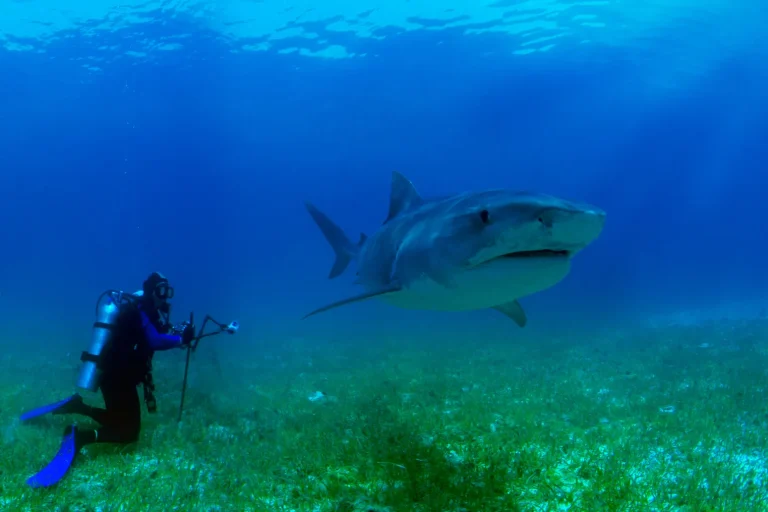
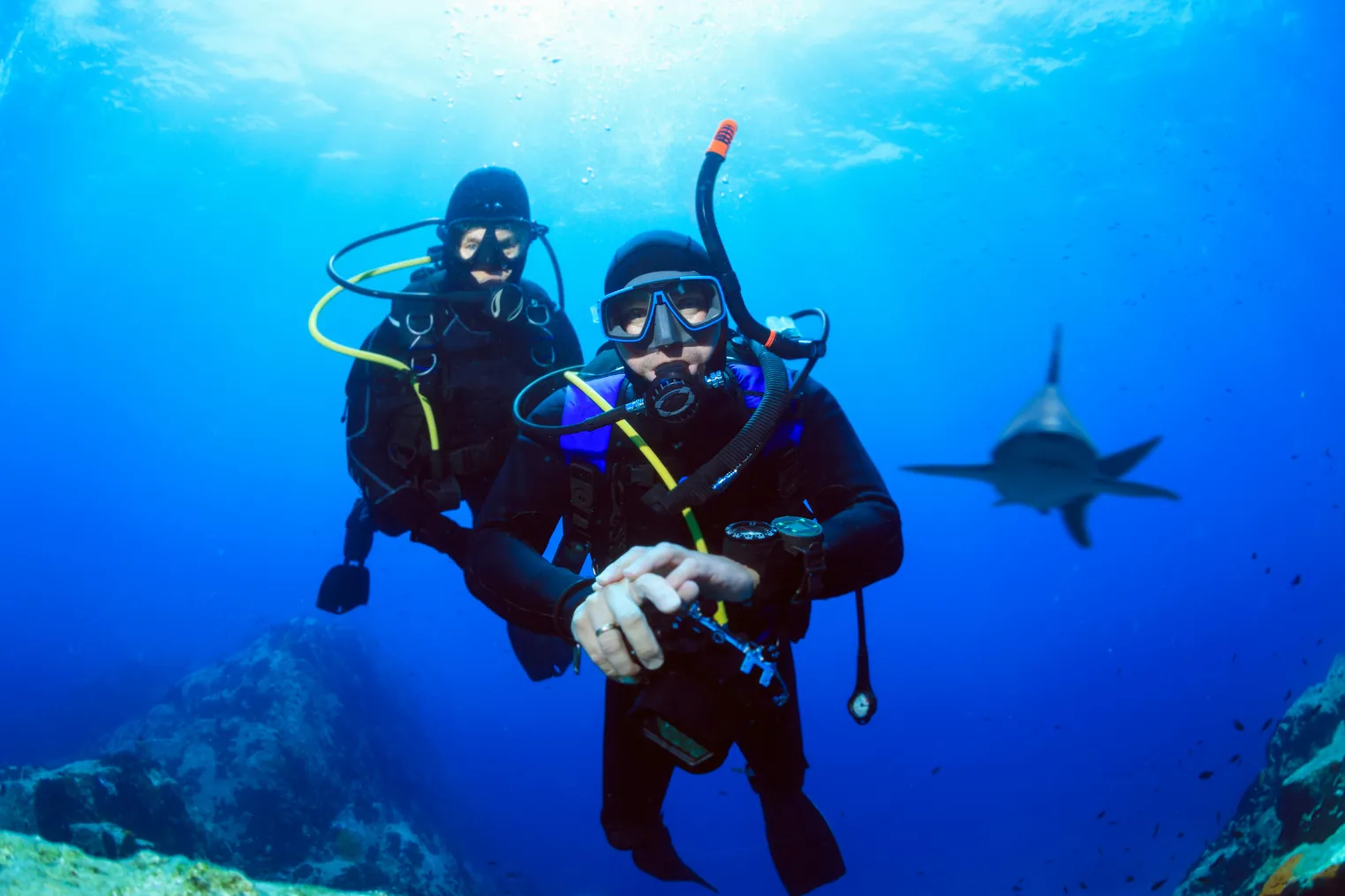
Think of the cage-free shark tour as the no-bars version of shark diving, an open-ocean pelagic snorkel where you slip into clear blue water and meet sharks at the surface without a cage. Plan a two-hour round trip, with about 90 minutes in the water, and pack a wind layer for the ride.
At the dock you’ll get a thorough briefing and quick demos, then you’ll use provided mask, snorkel, and fins, or watch onboard. Groups stay small, minimum four guests, max six per safety diver, and safety divers enter first to manage non-invasive encounters without chumming. Most operators run these trips on Oahu’s North Shore out of Haleʻiwa Harbor, where pelagic species like Galapagos and sandbar sharks are commonly encountered on cage-free dives.
For Shark Diving Oahu, the price per person is $150 plus tax, kamaʻāina and military rates run $125, photos cost extra, and conservation efforts wrap it up.
Cage Dive Comparison
While both trips put you on the same blue-water run off Oahu’s North Shore, the choice comes down to how close you want to feel to the action: a cage-free tour has you floating at the surface with a small, guided group and full snorkel gear included, while a cage dive keeps you behind metal bars, often with more passengers rotating through the cage.
Price per person runs $140 to $150, cage-free near $150.
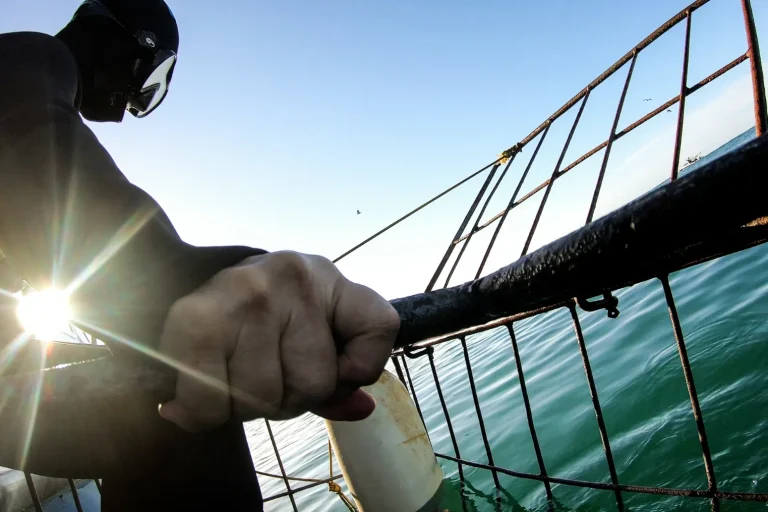
In a Shark Cage, you rotate in, hold the rails, and watch sharks pass.
With cage-free vs cage, you float by the boat and follow a safety diver’s cues.
Many travelers pick based on comfort level, since Cage-Free vs Cage is ultimately about how exposed you want to feel in open water.
A photo package costs $75 to $85.
- Fins appear, breath catches.
- Bars steady you.
- Open water feels intimate
Still comparing Shark Dive Oahu Prices And What’s Included?
Ask for tour ideas, hotel suggestions, or a simple trip plan that combines both.
Trip Helper
Choosing The Right Tour
Both tours head out into the same deep-blue water off Oahu’s North Shore, so the real question is how you want to meet the sharks, behind metal bars or out in the open with a guide at your shoulder.
On a cage dive, you stand in a steel cage, hold the rail, and watch sharks cruise inches away, ideal if you’re a non-swimmer or want an observer seat.
Choose cage-free for a small-group Shark Tour led by safety divers and behaviorists, no chumming, with divers entering first and last.
You’ll be on a private shark dive charter where the crew walks you through what to expect before you ever slip into the water.
After an educational briefing, you snorkel at the surface once you’re cleared, close enough to hear your own breath in the tube.
Compare each Shark Diving Tour by price per person, cage-free is about $150, observers often near $100.
What’s Included (Gear, Briefing, Time in Water)
You’ll show up with light packing, because the tour typically includes snorkel gear like a mask, snorkel, and fins, so you can focus on the salt air and the horizon instead of extra luggage.
Before you board, you’ll get a clear dockside safety and education briefing on shark behavior, in-water rules, and what the encounter will feel like, think of it like a quick, practical orientation before a new trail.
You’ll spend about two hours dock-to-dock with roughly 30 to 90 minutes in the water depending on conditions, so bring a towel and a warm layer for the ride back when the breeze kicks up.
It’s also smart to pack a little extra for comfort and safety, like reef-safe sunscreen and water, as part of your essential gear for shark diving in Oahu.
Included Snorkel Gear
- Slip on clean, well-fitting Snorkel gear and feel your breathing slow, like settling into a pool.
- Watch a Divemaster demonstration during the mandatory safety briefing, and you’ll trust your setup.
- Before the boat ride begins, you’ll go through check-in so your crew can confirm waivers and match you to the right gear.
- Leave your camera behind, professional underwater shooters can handle the close-ups, so you stay present and wide-eyed.
If you wear contacts, bring spares, and ask for rinse before you head out.
Briefing And Water Time
Once your mask and snorkel feel dialed in, the next piece is knowing exactly how the morning runs, from the dock briefing to the minutes you’ll actually spend in the blue.
Before you board, you’ll get a safety briefing on the pier from trained safety divers and marine biologists, with quick demos, hand signals, and clear rules for respectful shark watching. You’ll also learn the basic hand signals used in the water, along with spacing and positioning rules so the group stays calm and predictable around sharks.
Your snorkel gear is included, so you can focus on fit, a strap check, and a test-breathe.
Plan on about two hours dock to dock, with in-water time anywhere from 30 minutes to 1.5 hours.
Safety divers drop in first, hold the line or ladder, point out species, and leave last.
With small group sizes, usually 4–6 guests per diver, you’ll get attention.
Kamaʻāina & Military Discounts (With ID)
If you live in Hawaiʻi or serve in the military, ask about the kamaʻāina or military rate when you book, it often lands around $125 per person plus taxes and fees for the same shark diving tour.
Bring a valid ID to Haleiwa Harbor and show your Hawaii license or military ID at check-in, the crew can’t apply the discount without it.
Bring a valid ID to Haleiwa Harbor, show your Hawaiʻi license or military ID at check-in; no ID means no discount.
Plan ahead for Waikiki to Oahu transportation since most shark dive boats depart from Haleiwa Harbor on the North Shore.
Policies stay the same as regular bookings, so cancellations within 48 hours usually get charged in full, and availability can shift with the season, so call to confirm the rate and add-ons like photos.
- You’ll feel that pride when the price drops.
- You’ll breathe easier knowing you did the homework.
- You’ll step aboard with cash left for shave ice.
Child and Infant Rates (And Age Rules)
Discounts are great, but families usually want to know what the kids will pay and whether the youngest can even come along. Child rates often cover ages 3–13, and you might see a $90 cage or snorkel ticket, plus tax, so treat it as subject to change. Infants 0–2 can be free, but you still add them to the booking, and some crews ask for a reservation note or ID. Many operators set age cutoffs tied to sea conditions, keeping infants on tours before 9:00 AM since later runs can feel choppier. Many family-friendly tours also require that minors be accompanied by an adult and follow crew safety briefings for kid safety.
| Who | Ages | Example |
|---|---|---|
| Child | 3–13 | $90 |
| Infant | 0–2 | $0* |
| Add to booking | Yes | Free |
| Before 9 AM | Often | Better |
Arrive early, pack snacks.
Ride-Along Pricing for Non-Divers
Tag along as a ride-along and you’ll still get the best seat in the house, usually about $100 per person plus taxes and fees, to watch the cage action up close without getting your hair wet.
Your Ride-Along price gets you a seat on the boat for the full tour, close enough to hear the cage clink and smell salt, and keep your camera ready.
Your ride-along seat keeps you close, hear the cage clink, smell the salt, and keep your camera ready.
If you can’t swim, stay on the boat and still enjoy a shark tour safely and completely dry.
Your reservation can count toward the minimum to sail, often three guests.
Photo packages are optional onboard, so decide after you’ve seen the action.
Read the cancellation policy, it usually matches divers, with full charge inside 48 hours.
- Feel the thrum of the engines.
- Watch shadows turn into sharks.
- Cheer for your friends in the cage.
Photo Packages: Prices and Add-Ons
On most Oahu shark tours, the photo package is the easy upgrade that lets you stay in the moment while someone else captures the wide-eyed mask shots and that classic shark glide in the blue.
Expect about $75 to $85 price per person, and you’ll usually get several high-end edited photos delivered digitally, crisp enough for a screensaver and mom’s fridge-magnet dreams.
Many guests find photo packages worth the price for preserving once-in-a-lifetime shark moments without fumbling with their own camera.
Because professional photographers aren’t always automatic, book online with the add-on, then call us or the operator to confirm a shooter’s on board.
You can often decide and pay on the day, using card, cash, or Venmo, but double-check accepted methods before you step aboard.
Your download link, often Dropbox, typically lands in 5 to 7 days.
Video packages are separate too.
Tour Times, Duration, and Check-In Details
If you like starting the day with glassier seas and fewer boats in the harbor, aim for the earliest shark dive slot, which runs seasonally at 6:00am or year-round at 7:00am, with daily departures continuing at 9:00–11:00am, 11:00am–1:00pm, 1:00pm–3:00pm, and 3:00pm–5:00pm, Monday through Sunday.
Your Shark Tours boat departs Haleiwa Harbor on the North Shore of Oahu, then cruises 3 to 4 miles offshore, so the total duration runs about two hours dock to dock.
Most North Shore trips meet at established harbors and ramps rather than random beach pickups.
Arrive for check-in 20 to 30 minutes early at the One Ocean blue and white kiosk next to Haleiwa Joe’s.
Keep Daily tour times handy:
- Quiet pier, coffee, pink sky.
- Quick ride out, trade small talk for open ocean.
- Cruise back, towel around your shoulders, smiling.
Safety Expectations, Wildlife Sightings, and Cancellations
Once you’ve got your time slot picked and you’re sipping that pre-boat coffee at Haleiwa Harbor, it helps to know what the day actually feels like out past the reef, how the crew keeps things smooth, what you’re likely to see, and when you might get bumped by weather. Expect a 2‑hour round-trip, 1.5 hours in the water. You’ll get a safety briefing, then professionally trained safety divers and Shark behaviorists enter first and exit last, guiding shark behavior and safety with no chumming. From Kailua, plan on extra drive time for a Kailua to Haleiwa day trip so you arrive early for parking and check-in. Diving in Oahu delivers wildlife sightings of Galapagos and sandbar sharks, plus a tiger or dolphin, but it’s not guaranteed. Check cancellation policies: most need 48 hours notice, some 24; weather calls mean refund or reschedule.
| Topic | Note |
|---|---|
| Safety | Briefing,lines |
| Cancellations | 48h,weather |
Frequently Asked Questions
What Should I Wear for a Winter Morning Shark Dive?
You’ll stay warm in a winter morning shark dive by wearing layered clothing with thermal underwear, then a 3–5mm wetsuit. Add neoprene gloves, wool socks, waterproof boots, and a windproof jacket for docks and rides.
Is There Free Parking at the Harbor, and Where Do We Meet?
Like a beacon in fog, you’ll find parking availability’s free near the harbor restrooms; your meeting point’s the One Ocean kiosk. Follow dock directions, respect harbor regulations, marina security, and arrival time: 10–30 minutes early.
Can I Bring My Own Gopro or DSLR on the Boat?
You can bring your GoPro; bring a DSLR aboard only after you’ve cleared space with crew. For underwater photography, use waterproof housing, tether mounting options, follow camera safety, use gear storage, and request operator assistance.
Are Motion-Sickness Remedies Recommended, and When Should I Take Them?
Yes, you should use anti nausea options; 1 in 3 feel queasy. For timing advice, take dimenhydrinate night before and 1 hour pre-boarding. Check medication interactions, add natural remedies, motion training, and hydrate for seasickness prevention.
Can I Reschedule Due to Bad Weather, and Is There a Fee?
Yes, you can reschedule for bad weather with no fee; weather cancellations qualify under force majeure. You’ll get a free rebook or refund. Follow call policies and reschedule windows; avoid late penalties; ask about credit transfers.
Conclusion
Plan on about $150 per diver, then look for kamaʻāina or military rates near $125, and remember ride-alongs often sit around $100, so you can budget before you smell the salt air at the dock. For example, you and a friend book a cage-free trip, add one ride-along for Grandpa, skip the photo package, and still get gear, a briefing, and solid water time. Check age rules, bring ID, arrive early.