You’ll meet your captain, pull on your mask, and slide into blue water just beyond Haleiwa. On a private charter, you’re not stuck in a crowd, you get a clear safety briefing, quick gear checks on deck, and a short ride out to deep pelagic water where Galapagos and sandbar sharks cruise, and tigers may show up in season. Go early for calmer seas, pack ginger chews, and ask about photo add-ons, because the next choice you make matters.
Key Takeaways
- Private shark charters leave Haleiwa Harbor for 1.5–2 hours, reaching deep pelagic waters about three miles offshore.
- Expect a captain and safety divers, with briefings, in-water escorts, and species ID for Galapagos, sandbar, and seasonal tiger sharks.
- Boats usually include masks, snorkels, and fins; photographers may be add-ons or included, delivering edited high-res photos and short clips.
- Pricing starts around $1,200 for up to eight guests; mornings offer calmer seas, better visibility, and stronger tiger shark odds July–November.
- Choose cage diving for extra protection or cageless snorkeling for immersion; cageless requires strong ocean comfort, basic gear skills, and calm in chop.
What Is a Private Shark Dive Charter on Oahu?
On Oahu’s North Shore, a private shark dive charter means you’re booking the whole boat, usually for up to 6 to 8 guests, for an exclusive shark snorkel or cage-dive trip that departs from Haleiwa Harbor.
Book the whole boat for 6–8 guests on an exclusive North Shore shark snorkel or cage dive from Haleiwa Harbor.
Before you book, use a safety checklist to confirm the operator’s briefing process, guide-to-guest ratios, and ocean-friendly practices.
You’ll trade mixed-group bustle for your own pace, with about 1.5 to 2 hours on the water, cageless snorkel or cage dive.
With a captain and experienced safety divers, you’ll get a clear briefing, in-water escorts, and local species ID so you know what you’re seeing in the North Shore of Oahu.
Aim for early morning, seas often feel smoother and tiger shark sightings can be higher.
A Private charter commonly starts around $1,200 for up to eight, and you’ll follow the same strict safety and ocean-friendly rules.
Is a Private Haleiwa Shark Charter Worth It?
So, is a private Haleiwa shark charter actually worth the extra cost? If you’re traveling with family or a tight crew, splitting roughly $1,200 for up to 6 to 8 guests can land near $135 to $150 each, and you buy time, space, and control. You’ll notice it as soon as you step aboard, fewer elbows, more ocean.
With many of the best options offering hotel pickup, you can keep the whole day simpler and spend your energy on the water instead of logistics.
- You set the schedule, book a calm morning, and chase better light for clear water and photos.
- You get more coaching from the captain and safety divers, plus briefings on shark behavior and Hawaiian marine ecology.
- You stay flexible in the water, matching the plan to your comfort level.
For many groups, a private shark charter feels like the upgrade you’ll remember most.
Cage vs. Cage-Free on Oahu: Which Should You Choose?
Private charters give you breathing room and control, but your biggest choice still comes down to how you want to meet the sharks, from the steady, front row feel of a steel cage to the open water freedom of a cage-free snorkel.
With cage diving, you settle into a protected box for a two-hour tour, snap steady photos as shadows cruise past, and it works well for families with young kids or anyone who wants low effort.
Choose cage-free shark diving if you’re after a looser, more immersive 1.5-hour snorkel in deep water, escorted by safety divers, where the sharks feel less like a show and more like neighbors.
In Oahu, cage-free shark diving is typically done as a guided snorkel in open ocean conditions where your comfort in deep water matters as much as the visibility.
When seas kick up, pick the cage, and book early mornings for seasonal giants May–November.

Do You Need to Swim Well for Cage-Free Shark Snorkeling?
Although you won’t need Olympic swim chops, you do need solid, real ocean comfort for cage-free shark snorkeling, because you’ll be floating and finning in deep blue water that can run 250 feet or more beneath you. Your swimming ability should cover more than a pool: you’ll tread water, breathe through a snorkel, and stay relaxed when the surface gets bumpy. Many charters also provide floatation devices and in-water guides, but you should still be able to manage yourself calmly at the surface.
Solid ocean comfort matters: you’ll float and fin over 250-foot depths, tread water, snorkel-breathe, and stay calm in chop.
- Stay afloat: you can tread for several minutes without grabbing a float.
- Gear ready: you can put on fins, clear your mask, and keep steady breathing.
- Stamina and focus: you can do a few short swims, then listen and react fast to safety cues.
No SCUBA is needed, but age minimums vary, sometimes 12. If you’re unsure, ask about the cage option first.
Still comparing Private Shark Dive Charters On Oahu: What To Expect?
Ask for tour ideas, hotel suggestions, or a simple trip plan that combines both.
Trip Helper
What Happens on a Private Shark Charter (1.5–2 Hours)?
You’ll meet your crew at Haleiwa Harbor early, check in, and hear a clear safety briefing with species notes, so you know what to do once the boat leaves the dock.
Haleiwa Harbor is one of the main departure points on Oahu for shark dives.
Next you’ll launch and cruise a few miles offshore to deep water, where the air feels cooler, the salt spray hits your lips, and you choose cage or cageless, with safety divers right beside you if you’re in the open.
Then it’s swim time, you’ll float and watch the blue shift beneath you as sharks glide past, and a simple tip helps, relax your breathing and keep your fins behind you like you’re waiting for a set wave.
Meet-Up, Briefing, Launch
Start by making your way to the Haleiwa Harbor kiosk near the historic Anahulu (Haleiwa) Bridge, where the day kicks off with a quick check-in and a calm, no-rush gear fit, so plan on about 45 minutes from the airport and aim to arrive 15 to 30 minutes early.
On deck, you’ll try on mask, snorkel, and fins, skipping a wetsuit, while the crew double-checks straps and answers questions.
Before you cast off, the crew walks you through the full check-in to boat ride flow so you know exactly what’s coming next.
- Listen closely to the safety briefing, you’ll cover shark behavior, hand signals, and clear emergency steps.
- Meet your captain and safety diver, a small, dialed-in team that runs a tidy boat.
- Settle in for the 15 to 30 minute ride from Haleiwa harbor, scanning the water as the coastline fades and the depth drops fast.
Open-Ocean Swim Time
Often, the real magic begins once the boat slows a few miles off Haleiwa and the water turns that inky, bottomless blue, with depths dropping past 250 feet so fast it feels like someone pulled the plug on the seafloor.
You slip in for 20 to 60 minutes of cageless shark diving, floating at the surface in the open ocean while a safety diver stays with you and keeps the group tight.
With only 6 to 8 guests, you get mask help, signals, and a reminder to look, not chase.
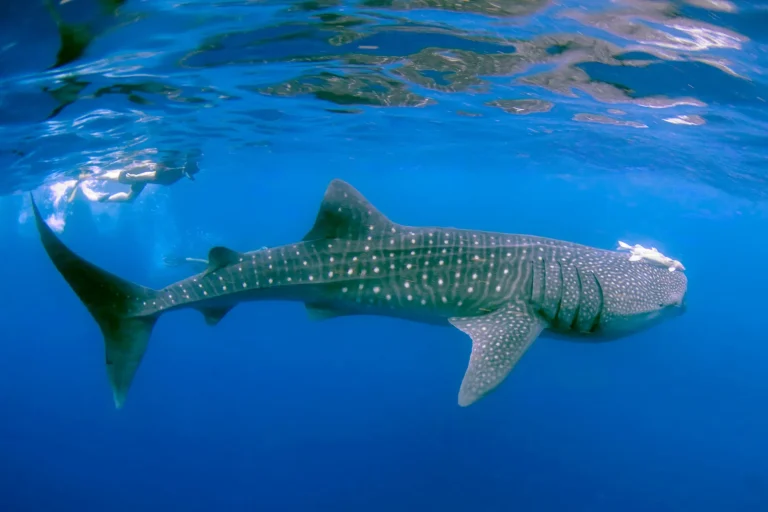
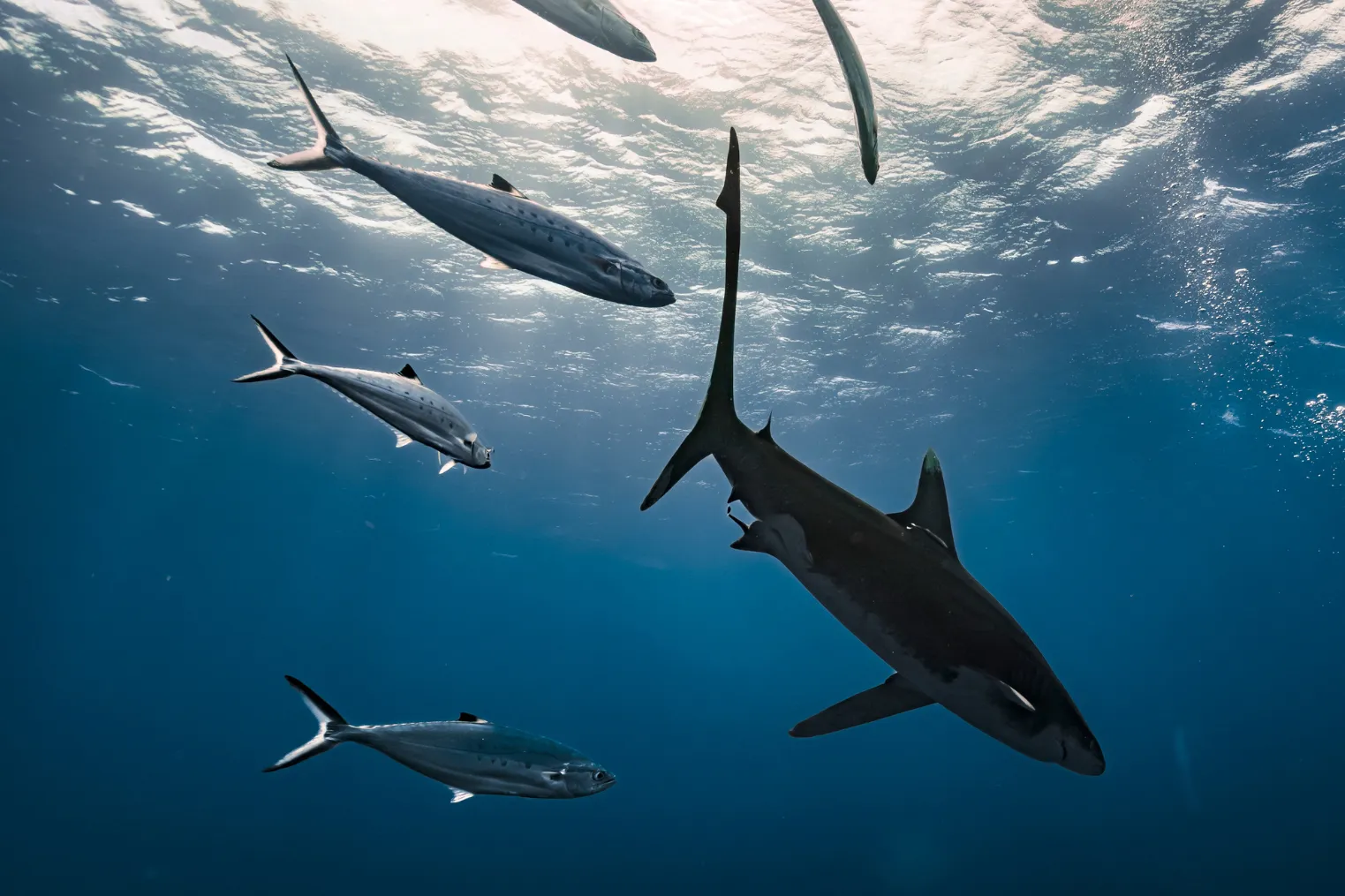
Galapagos and sandbar sharks cruise like slow submarines, and during tiger season through November, morning trips bring close pass-bys.
In Oahu’s North Shore charter zone, you’re often near the deep drop-off where pelagic water moves in fast and visibility can feel surprisingly clear even in the open ocean.
If seasickness hits, fix your gaze on the horizon, and let the photographer grab shots.
What’s Included on a Private Oahu Shark Dive Charter?
You’ll board from Haleiwa Harbor on the North Shore, step onto a boat set up for a small private group, and meet a calm, seasoned crew who’ll fit you with snorkel gear and keep you escorted in the water.
If you’re coming without a vehicle, there are practical ways of getting there without a car so you can still make an on-time check-in at Haleiwa Harbor.
Before you head a few miles offshore, you’ll get a clear safety briefing that covers signals, spacing, and what to do if the swell kicks up, plus a quick tip for keeping seasickness at bay by choosing an early morning departure.
If you want keepsakes, you can usually add photo or video coverage so you can focus on the blue water, the sun on your shoulders, and the moment a shadow turns into a shark.
Boat, Gear, And Crew
Because a private shark dive charter keeps the group small and the plan tight, the boat, gear, and crew feel less like a tour and more like a well-run water day with pros watching your back.
If you’re planning a shark dive Oahu without a car, you can still get to the harbor using bus, rideshare, or pickup options.
You’ll meet at Haleiwa Harbor, step onto a purpose-built boat, and head a few miles offshore into 250+ foot pelagic water where Galapagos, sandbar, and seasonal tiger sharks cruise.
- Boat: room to gear up, steady railings, and a direct route so your shark diving adventure starts fast.
- Gear: quality mask, snorkel, and fins are onboard, so you can travel light.
- Crew: a captain plus in-water handlers, often Stacy Lieser or Nick Loewenstine, keep your small group organized; book mornings for calmer seas and clearer visibility.
Briefings, Safety, And Photos
Before anyone slips into the blue, the crew runs a thorough pre-dive briefing that feels like a quick, calm workshop, covering how Galapagos, sandbar, and tiger sharks tend to move, the hand signals you’ll use, and exactly what changes between cageless and cage dives. They’ll also review hand signals and spacing rules so everyone stays coordinated and calm in the water.
You’ll also get emergency steps, seasickness tips, and an entry and exit plan, plus signals and float options so you stay oriented.
They fit your mask, snorkel, and fins on deck, then check your comfort before you enter.
On a cageless shark diving tour, a safety diver stays beside you, guiding your position and reading shark body language, while cage dives get monitoring from the crew following safety protocols.
Photographers shoot high-resolution photos and video, and you can add packages.
What Safety Briefing Will You Get Before Entry?
Wondering what happens between the dock and that first quiet slide into open water? Before you gear up, the crew gives you a clear, friendly rundown so shark diving feels focused, not frantic. You’ll hear how different shark species tend to cruise, what counts as normal curiosity, and the emergency plan if anything shifts.
Before you gear up, the crew’s friendly briefing keeps shark diving focused, covering behavior basics and what to do if conditions change.
Then you’ll practice the hand signals and learn who to call out to if you feel queasy. You’ll also be shown where the onboard CPR and first aid gear is kept and how the crew would respond if someone needed help at sea.
- Entry and exit steps, plus mask, snorkel, and fin fit checks.
- Surface positioning and group formation, with the safety diver beside you.
- Calm body language rules: no splashing, no touching, keep hands and feet tucked.
If a shark comes close, you’ll stay steady, follow directions, and enjoy the view too.
Where Do Haleiwa Shark Charters Depart From?
After you’ve got the hand signals and calm-body rules down, the next question is simply where you’ll meet the boat. You’ll start at Haleiwa Harbor on Oahu’s North Shore, checking in in the town center near the historic Haleiwa (Anahulu) Bridge, where you can grab a coffee and spot the flags snapping in the trade winds. Plan an extra 20–30 minutes of buffer time for parking and check-in so you’re not rushed if traffic slows on the North Shore drive.
Once everyone’s on board, your private shark dive charter, typically capped at 6 to 8 guests, heads a few miles offshore, often to water about three miles out where the blue drops to 250 feet or more, ideal for deep-water cageless snorkels and cage sites.
Aim for a morning departure for calmer seas and clearer visibility, especially now through November when tiger shark sightings tend to peak.
How Do You Get to Haleiwa Harbor (Routes + Parking)?
You’ve got two easy ways into Haleiwa, take the quicker run up from H‑1 when you’re racing the clock, or choose the longer, greener east-side approach when you’d rather trade minutes for palm-lined views, and either way you’ll want to budget for peak-hour traffic.
Set your GPS to Haleiwa Bridge or Haleiwa Harbor so you land right by the town center, where the air smells like salt and sunscreen as you roll past the historic bridge.
Once you arrive, you’ll find ample free parking near the harbor and around town, but show up early on weekends or summer mornings if you don’t want to circle the blocks like you’re hunting for the last shave ice.
For North Shore shark dives, aim to arrive 30–45 minutes early to grab free parking and still have time to check in before your charter.
Two Routes Into Haleiwa
Because Haleiwa Harbor sits right by the historic Anahulu, also called Haleiwa Bridge, getting to your private shark dive charter is mostly about picking the route that fits your morning and then parking smart once you roll into town.
Only two two-lane roads feed Haleiwa, so pad your drive time and peek at morning wind before you go.
- H-1 west to Kamehameha Highway (Hwy 99) northbound: fastest, roughly 45 minutes from Honolulu International Airport in light traffic.
- Hwy 83 from the Windward side: longer, scenic, with coastal views and fewer stoplights at times.
- Once you arrive, park near the bridge or harbor kiosk, check in, and allow time for gear and briefings.
If you’re coming from Waikiki, plan for Waikiki to Oahu drive time to run longer during the morning rush.
You’ll board quickly and ready for shark dive charters.
Free Parking Near Harbor
Haleiwa makes the final stretch easy, as long as you treat parking like part of the plan, not an afterthought. From HNL it’s about 45 minutes to the harbor by the Haleiwa (Anahulu) Bridge, and you’ll spot the kiosk check in before boarding your shark tour. Take the direct H‑1 route when time’s tight, or the longer east-side drive for sea views, then budget extra for Waikiki traffic and weekend surf crowds. Most lots near the harbor are free, but timing matters if you want the closest spots without circling.
| Where | Cost | Tip |
|---|---|---|
| Street by bridge | Free | Early |
| Public lot | Free | Kiosk |
| Town blocks | Free | Walk |
| Overflow spots | Free | Patience |
If lots fill up, park a few blocks into town, enjoy the salty air and coffee smells, and stroll back so you arrive calm and on time with shoes you don’t mind.
What Does Cage-Free Shark Snorkeling Feel Like Offshore?
Slip off the boat and the first thing you notice is how open everything feels, deep cobalt water beneath you, sky above, and no metal cage to turn the moment into a theme-park ride. You’re on the open ocean surface above water over 250 feet deep, and cage-free shark snorkeling feels more like flying than viewing, you can float, kick, and pivot as the boat lifts with the swell.
A safety diver stays beside you, calm and watchful, so you can breathe steadily, scan the electric blue, and keep your hands close. Before anyone gets in, operators rely on clear briefings, group positioning, and risk management practices that reduce unpredictable interactions.
- Take the briefing seriously, then enter slowly.
- Stay near the group, it keeps the scene orderly.
- Choose early hours, smoother water boosts visibility and photos, without needing a wetsuit.
Which Sharks Will You See Off Haleiwa, Oahu?
Head a few miles offshore and you’ll notice the shark lineup changes fast, the water turns that deep cobalt blue, the bottom drops past 250 feet, and the animals you meet tend to be open-ocean regulars rather than reef hangers. Off Haleiwa, you’ll most often share the water with Galapagos sharks and sandbar sharks, sometimes several circling at once, calm and curious as if they’re checking your fins. Galapagos sharks are often identified by their robust bodies and broad, rounded snouts, and they tend to cruise in steady, confident passes rather than darting in and out like reef species, classic Galapagos shark behavior.
| Likely | Sometimes | Bonus company |
|---|---|---|
| Galapagos | Hammerhead | Dolphin |
| Sandbar | Tiger Sharks | Mahi-mahi |
You might also spot a white-tip or gray reef shark drifting in from shallower terrain. Keep your body long, breathe slow, and let the guide position you near the bait line so you can watch behavior, not chase it. Light rash guards help with sun.
Best Time for Tiger Sharks on Oahu (Now–November)
Once you’ve got a feel for the usual Galapagos and sandbar crowd offshore, the next question is when the bigger striped celebrity is most likely to show up. On Oahu, Tiger shark season runs from now through November, with the best odds building in summer and holding strong into late fall, when your captain starts scanning a harder and you start listening for that excited whisper on deck. This lines up with what many visitors notice about tiger sharks becoming more likely in the warmer months around Hawaii.
- Choose early-morning departures, you’ll often get the day’s first shot at a tiger arrival.
- Aim for peak months, July through November, if your calendar’s flexible.
- Book a private or small-group Oahu shark charter, so you can stay longer at sites.
Even then, sightings aren’t guaranteed, but the regulars keep the dive lively.
Ocean Conditions: Visibility, Swells, and Water Temp
Out on Oahu’s North Shore, you’ll often get startlingly clear blue water with 30 to 100-plus feet of visibility, but after heavy rain or a big swell it can turn milky fast, so keep your expectations flexible.
Swells shift with the seasons, summer usually feels smoother and more relaxed while winter can kick up wind and chop that cuts your time in the water, and you’ll notice it the moment the boat noses into open ocean.
Water temps hover from the mid-70s°F in summer to the low 70s°F in cooler months, so you can usually skip a full wetsuit, but a rash guard or shorty helps, and booking a morning charter stacks the odds for calmer seas and better clarity.
If you’re planning your post-dive day, the North Shore has plenty of top places to visit after your shark charter.
Visibility And Water Clarity
Most mornings, the ocean off Haleiwa looks like a giant pane of blue glass, and that’s when visibility can stretch anywhere from about 30 feet to 100-plus feet, letting you spot shapes in the water long before they’re close.
Out here, you’re floating over 250 feet of blue, so clarity depends more on deep currents and wind chop than on reef wash.
After heavy rain, runoff can tint the surface and knock your visibility down, so stay flexible and trust your captain’s call.
On the North Shore, morning light winds often pair with calmer seas and cleaner visibility, which is why early departures usually see the clearest water.
- Book the earliest slot; light winds usually mean the cleanest water.
- Scan the water column, not just the surface, shadows show up first.
- Use a dark mask skirt and anti-fog, it helps in low contrast for better spotting.
Swells And Water Temperature
Although the North Shore can look calm from the harbor, swells and water temperature decide whether your shark snorkel feels like a smooth glide or a bouncy open-ocean ride.
In summer, swells often sit around 1 to 4 feet, so you’ll float easily and spend more time watching the ocean and its inhabitants instead of timing your breaths to the bob.
Winter is another story: November through March can bring 8 to 20 foot north swells, chop, and cancellations or reschedules, especially after rain sends runoff that also cuts visibility.
Water stays about 75 to 82°F year-round, but a thin 2 to 3 mm suit or rashguard feels great on cooler mornings.
Book a morning Hawaii shark diving charter for lighter winds and seas.
How to Avoid Seasickness on Your Oahu Shark Boat
Sometimes the difference between a dreamy shark dive and a green-faced boat ride comes down to a few smart choices you can make before you even step on the dock.
Book a morning charter, check wind and swell, summer into late fall runs smaller.
On the shark boat, use these fixes for seasickness:
- Sit mid-boat, face forward, and keep your eyes on the horizon, don’t lie down.
- Sit upwind of engine fumes, sip water, and eat a light, non-greasy snack 1 to 2 hours before.
- Take meclizine or dimenhydrinate the night before or 30 to 60 minutes before boarding, or wear acupressure bands.
If you’re prone to motion sickness, mention it when booking, the crew can suggest a lighter day today.
Photos and Video: What You’ll Get (and Upgrades)
Once you’ve got seasickness handled, the next question is simple, what’ll you bring home besides salt on your skin and a serious respect for open water.
On private charters out of Haleiwa, a photographer and safety diver snag surface cageless frames and in-water action of you and the shark stars, Galapagos, sandbar, even tiger, against deep cobalt-blue sea.
Private Haleiwa charters pair a photographer and safety diver to capture cageless surface shots and in-water action with sharks in cobalt-blue sea.
Most operators deliver high-res stills and short clips, with basic photos and video included or available as an add-on.
Upgrade to bigger galleries, RAW stills, uncompressed files, or a highlight reel for socials or prints.
Bring a GoPro, but ask about a ride-along camera spot or stabilized diver footage for cleaner shots.
You might often preview onboard, then get edits in 24 to 72 hours.
Frequently Asked Questions
What’s the Minimum Age for Private Shark Snorkel Charters on Oahu?
You’ll usually find the minimum age is 5+ for cageless shark snorkels on Oʻahu, but some require 12. If you choose a cage charter, kids 3–5 may go with parental consent. Confirm policies when booking.
Are Private Shark Charters Available Year-Round, Including Holidays?
Yes, you can book private shark charters year-round, even on holidays; it’s funny how the ocean’s always open. You’ll face few seasonal restrictions, but holiday demand rises fast, so reserve early and expect weather cancellations.
Can We Book the Entire Boat Exclusively for Our Group?
Yes, you can book the entire boat for your group through Private chartering, giving you Exclusive access. You’ll typically host 6–8 guests, pay around $1,200, pick departure times, and should reserve early with a deposit required.
What’s Your Cancellation or Rescheduling Policy for Weather or Illness?
If weather turns unsafe, you’ll get weather refunds or you can rebook right away, depending on availability. For illness, you’ve got illness flexibility: notify us 24–48 hours ahead to reschedule; no-shows may forfeit fares though.
Are Pregnant Guests Allowed on the Boat or in the Water?
Smooth seas, steady breaths, you’re welcome on the boat while pregnant, and we’ll seat you in shade. We don’t recommend entering the water; if you insist, bring medical clearance, and expect limits for reduced visibility today.
Conclusion
You’ll step off Haleiwa Harbor with a clear plan, fitted gear, and a crew that keeps the pace calm and sharp. Choose a cage if you want a steady perch, or go cage free if you’re comfortable floating and listening to cues. Morning water often looks like blue glass, but pack ginger chews and hydrate anyway. When a tiger cruises by, the ocean feels like a living runway, and you’re simply a guest for now.