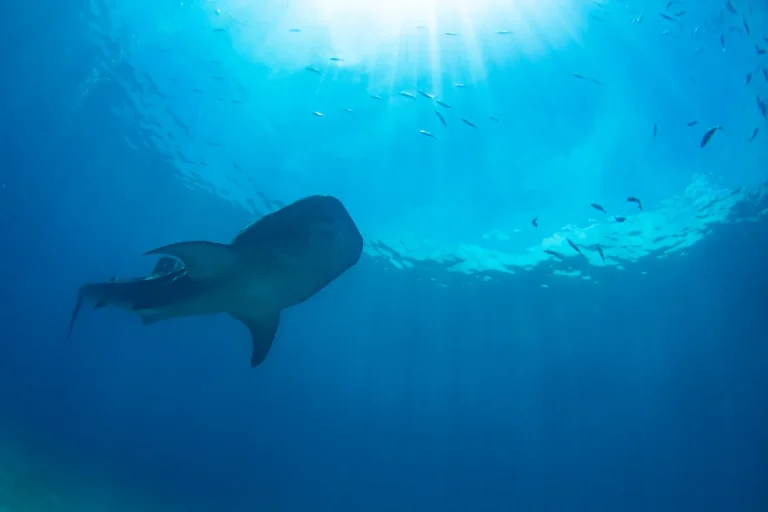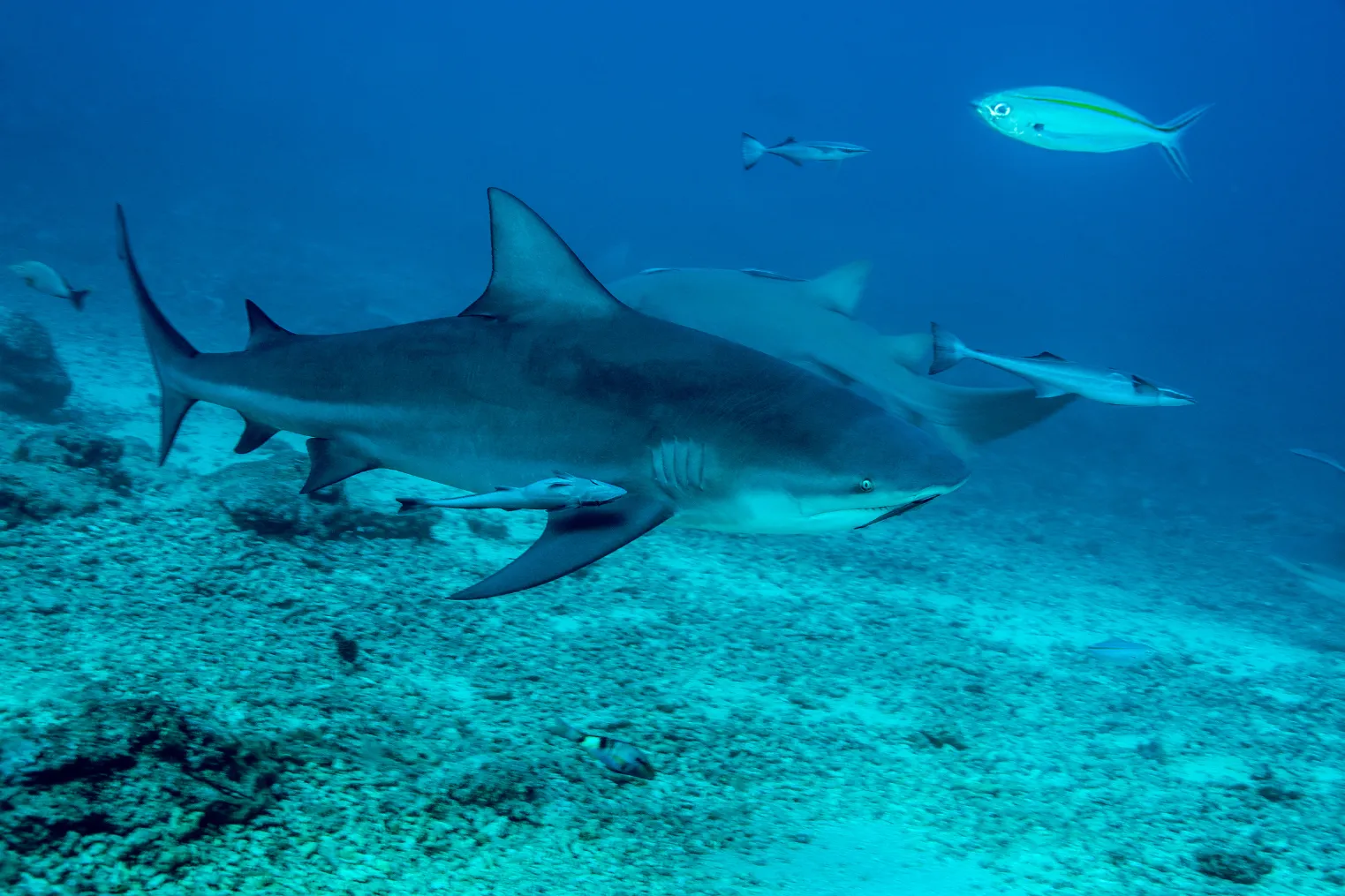
On a typical Oahu shark trip, you’ll spot a dozen or more sharks on many days, and that number alone resets your idea of “close.” In a cage, they often glide inches to a few feet from the bars, close enough to hear your own breath and watch a gray back roll past like a slow-moving kayak, while cageless swims usually put them a few feet away, sometimes nearer when conditions feel calm. The real question is what makes that distance shrink.
Key Takeaways
- On cage dives off Oahu, sharks commonly glide within inches to 1–3 feet of the bars or viewing windows.
- On cageless snorkel dives, most passes are about 3–10 feet away, with occasional eye-level approaches within a few feet.
- Expect multiple sharks circling: often 2–20+ (commonly 12–20) staying roughly 5–20 feet from the boat between passes.
- Species affects closeness: Galapagos sharks tend to come closest, sandbars usually keep slightly more space, and tigers may pass near seasonally.
- Visibility and sea state change perceived distance: calm 10–30+ foot visibility allows early spotting; choppy or murky water makes sharks appear suddenly closer.
How Close Do Sharks Get on an Oahu Shark Dive?
How close is “close” when you drop into the blue off Oahu’s North Shore?
On cage dives, you’ll often watch Galapagos or sandbar sharks glide in at eye level, then slip past the bars within inches to a few feet, close enough to spot scratches on their skin.
On cageless tours, your guide may have you float calmly while curious sharks cruise under or beside you at 1 to 3 feet, like a dog passing on a sidewalk.
This kind of cage-free shark diving can feel even closer because there’s no barrier, so calm body position and following your guide’s cues matter.
Bigger “alpha” sharks tend to patrol higher, smaller ones stay lower, so the closest passes often happen near the boat.
If you’re shark diving Oahu in summer or fall, a tiger might circle nearer, but distance varies.
Keep limbs tucked, keep eye contact, enjoy the ballet.
Is an Oahu Shark Dive Safe at Close Range?
Even when a Galapagos or sandbar shark slides in at eye level and passes within a few feet, an Oahu shark dive can feel surprisingly controlled because you’re never left to manage that proximity alone.
Even as Galapagos or sandbar sharks pass within feet, the dive stays controlled, you’re never handling that closeness alone.
On cageless Oahu shark dives, guides and safety divers stay beside you, watching current and sharks’ body language, so you can focus on steady breathing and slow kicks.
Operators don’t use chum or bait, so the scene stays calm, more like a quiet wildlife snorkel than a feeding show.
You’ll hear the boat, see backs glint, then get the reminder: tuck your arms, keep eye contact, and stay with the group.
Guides also review clear hand signals and spacing rules so everyone moves as one if a shark turns in close.
Pick a morning trip for smoother seas and clearer water, helping you read each close pass more clearly.
Shark Cage vs. Cageless Oahu Shark Dive: Who Gets Closer?
In a shark cage off Oahu’s North Shore, you’ll often see sharks slide in so close their snouts nearly tap the bars, giving you steady eye-level views and clear sight lines for photos through the metal grid.
Go cageless and you can still get startlingly near, often just a few feet away, but the safety team keeps your group tight and the sharks’ comfort in mind, so proximity and visibility can shift with the current and the sharks’ mood.
On a private trip, your captain can often tailor the pace and positioning, which can subtly affect how close encounters feel during a Private shark dive charter.
If you’re choosing for comfort and camera angles, ask where you’ll be positioned, how they manage swimmers, and whether you want the predictable “inches away” framing of a cage or the wider, more natural perspective in open water.
Proximity And Visibility
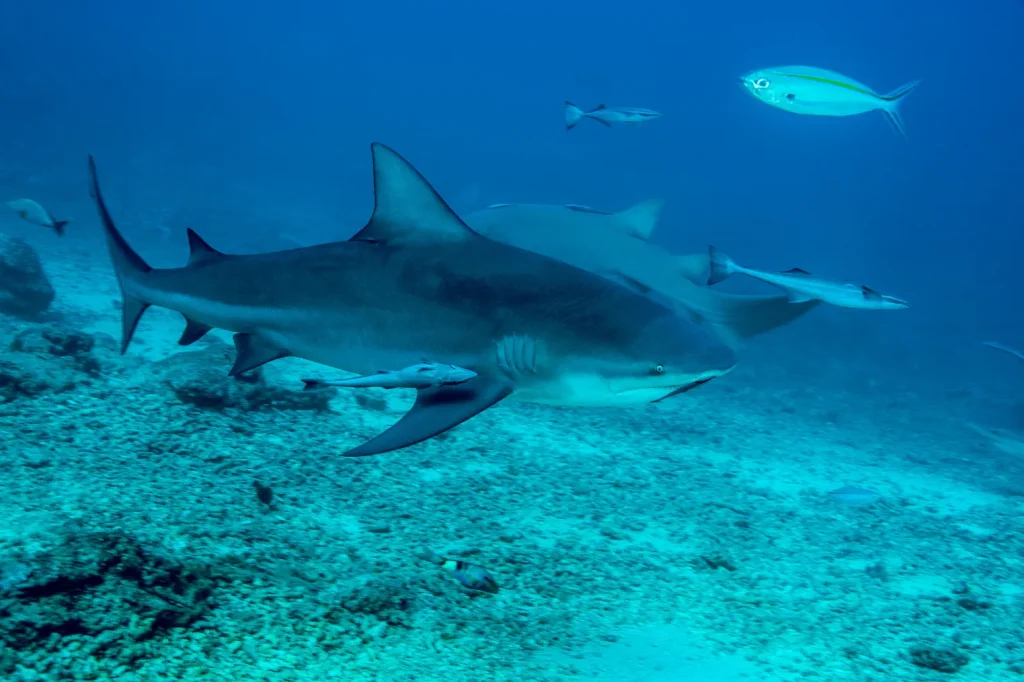
While both styles can deliver that jaw-dropping “did you see that” moment, cage dives off Oahu’s North Shore usually put sharks closest to you, because they’ll cruise right up to the bars, often within inches to a few feet, and sometimes glide past about 1–3 feet from your face on the other side of the metal. Choosing between cage and cageless often comes down to your comfort level with cage-free encounters versus the added separation a cage provides.
| Style | Typical pass | What you see |
|---|---|---|
| Cage | Inches–3ft | Snout to bars, stripes sharp |
| Cageless | 3–10ft | Side glide, tail sweep |
| Windy/choppy | Looks farther | Haze, outlines soften |
On cageless shark diving tours, you’ll usually see passes at 3–10 feet, often a few feet below you, sometimes eye level. Offshore visibility runs about 10–30+ feet on calm mornings, and drops fast in wind. Galapagos and sandbars investigate closer than tiger sharks.
Still comparing How Close Will Sharks Get On An Oahu Shark Dive? Realistic Expectations?
Ask for tour ideas, hotel suggestions, or a simple trip plan that combines both.
Trip Helper
Safety And Comfort Levels
Because comfort matters as much as courage once you’re bobbing in deep blue water off Oahu’s North Shore, the real choice between a shark cage and a cageless dive comes down to how protected you want to feel when a Galapagos or sandbar shark slides close, and how steady you’ll stay as it checks you out.
Cage dives tend to suit first-timers, nervous swimmers, and families because the barrier boosts confidence while still delivering close passes, key pros and cons to weigh before you book.
- Shark Cage Diving: sharks often pass inches from bars in a 20 minute drop, and you can relax.
- Cageless: you may meet them at eye level, a few feet away, so stay calm with guide nearby.
- Safety divers stay close, cue arms tucked, and ask you to hold eye contact.
- Choose cage for kids or jitters, choose cageless if you snorkel well, usually 12+.
Photo Opportunities And Angles
How close do you really get on an Oahu shark dive when you’re thinking less about thrills and more about the shot?
On cageless North Shore swims, Galapagos and sandbar sharks often slide 1 to 3 feet below your fins or meet you at eye level, so a GoPro or 16–35mm equivalent captures full bodies and that floating, face to face feel.
In a cage, you stay dry, yet sharks can press inches from the bars or cruise right under you, perfect for framed 24–70mm close ups and low angle upward shots as you lean in.
Choosing a tour with small-group capacity can also mean fewer bodies blocking your frame and more chances to hold a clean angle when sharks make a close pass.
Book mornings for calmer seas and clear light; afternoons can look milkier.
Whatever you choose in Oahu Shark Diving, keep arms tucked and follow the safety diver’s cues.
How Close Do Sharks Get on Cageless Oahu Shark Dives?
Most days on a cageless Oahu shark dive, the sharks get close enough that you can track them without squinting, often gliding just 1 to 3 feet below your fins or cruising through your eye line like slow, silent submarines.
Most days, sharks glide close enough to follow without squinting, 1 to 3 feet under your fins, slow submarines in your eye line.
You’ll splash in about three miles off the North Shore from Haleiwa Harbor, where Galapagos and sandbar sharks act curious, not cranky, on cageless Oahu shark dives.
Many operators featured in Top Shark Diving Tours offer both cageless and cage options, so the exact closeness you experience can vary by tour style and conditions.
If a dozen to 20 circle the boat, the biggest “alpha” often swims higher while smaller sharks stay lower, so proximity changes by individual.
Calm mornings bring the tightest passes; your safety diver keeps you tidy.
Use these habits:
- Tuck hands and feet.
- Kick slow, level.
- Keep eye contact.
- Breathe, let them pass.
How Close Do Sharks Get in an Oahu Shark Cage?
In an Oahu shark cage, you can expect most sharks to cruise within a few feet, and on a lively pass they’ll slide so close you could measure the gap in inches through the bars.
They don’t all commit to that near, though, because their curiosity, the boat’s motor hum, and the mood of a bigger “alpha” shark can shift the action from a polite circle to a slow glide right under your fins.
Reputable operators also manage those close passes with briefings, positioning, and safety divers in the water, which helps keep the encounter controlled even when a shark decides to investigate the cage.
You’ll keep your arms tucked, stay still when one comes to eye level, and let the crew and safety divers read the room so you can focus on the view instead of playing “oops, my hand slipped.”
Typical Cage Distance
Because the cage sits right where the sharks like to cruise, you’ll often watch them slide past so close you can count the gill slits, sometimes just inches to 3 or 4 feet from the bars or viewing windows.
On most Oahu trips, the operator drops you near a known hangout, and you’ll usually see 2 to 20-plus Galapagos or sandbar shark circling within about 5 to 20 feet of the boat, fins cutting the surface like little sails. For first-timers, focusing on slow breathing can help you stay calm and steady in deep water while sharks make close, predictable passes.
- Look out the window, they often track the cage line.
- Stay calm, slow breaths keep your view steady.
- Pick a corner for wide angles, then scan closer.
- Go early if you can, clear mornings tend to bring tighter, longer passes too.
When Sharks Approach Inches
Often, the wildest moment on an Oahu shark cage dive is when a Galapagos or sandbar shark glides so close you could almost tap it, then it drifts past with a slow tail sweep, just inches from the bars or viewing window.
On a Shark Tour, you’ll sit at eye level as 5 to 15 foot sharks cruise right up to the cage, pausing like they’re reading you, not attacking.
Operators don’t chum, so the draw is the boat’s hum and curiosity, and the close passes feel like a flyby.
If weather shifts or nerves kick in, choosing an operator with free cancellation can keep the whole experience stress-free.
You’ll hear your bubbles, see a pale belly flash, and watch a snout inspect cameras.
Keep hands tucked, hold fins steady, and let the safety diver do the watching, since a nudge can happen.
Factors Affecting Proximity
While every North Shore trip has its own rhythm, you can usually count on sharks coming within a few feet of the cage, and sometimes sliding past just inches from the bars as if they’re checking the new “reef” in their neighborhood.
Proximity shifts with conditions and choices:
- Calm water: light wind, clear swell, and morning sun make surface passes easier, and sharks tend to investigate.
- Species: Galapagos and sandbar sharks cruise eye level; seasonal tiger sharks may circle closer, but not every day.
- Boat cues: the hull and cage draw curiosity, not chum.
- You: stay quiet, keep fingers in, and you’ll get cleaner, closer fly-bys.
If you’re cageless, safety divers set the pace, keeping sharks a few feet off. Non-swimmers can still participate comfortably by using floatation devices and following the guides’ instructions closely.
Does Chum Affect How Close Sharks Get in Oahu?
On Oahu shark dives, you’ll usually see sharks come in close even without chum, which surprises a lot of first-timers who expect a “baited” scene.
Most operators skip chum entirely, so the sharks key in on boat noise, bubbles, and the everyday hunt around the reef edge, then cruise over to check you out.
This matters for shark conditioning and overall tour ethics, since avoiding food incentives helps keep interactions more natural.
If a crew did chum, you’d probably notice more frequent drive-bys and bolder passes, but reputable tours avoid it to keep behavior natural and reduce long-term conditioning.
Instead, you often watch a loose squad of a dozen to 20 circle the boat, with single sharks peeling off to glide eye-level or just below your fins, curious, not pushy.
Tip: stay calm, keep your hands close, and let the approach happen.
Which Oahu Shark Species Come Closest to Divers?
On Oahu, you’ll usually get your closest looks from Galapagos sharks, they’re the curious ones that cruise right in, sometimes within a few feet and almost at eye level if you stay calm and keep your hands close.
Sandbar sharks tend to hold a little more space, often gliding 3 to 10 feet below you, so you’ll spot that tall dorsal fin cutting through the blue like a steady metronome.
If you’re lucky enough to see a tiger shark, expect a larger, slower pass that can still come near, and your best move is to follow your guide’s spacing rules and let the shark set the pace.
Beyond these close-pass regulars, Oahu waters can also host other species, and a good Oahu shark species guide helps you know what you might spot and how their behavior differs.
Galapagos Sharks Up Close
Drop into the water off Oahu’s North Shore and you’ll quickly learn that Galapagos sharks are the species most likely to come in close on cageless dives, often gliding within a few feet, slipping just under your fins or cruising past at eye level like they’re checking you out as much as you’re watching them.
Here they’re usually 6 to 10 feet, smaller ones cruise deeper while bigger Galapagos patrol near the boat.
From Haleiwa Harbor, 12 to 20 may circle in a 45-minute window, so passes add up.
They’re curious, not aggressive, and may inspect your camera. As described in Identification & Behavior guidance for Galapagos sharks around Oahu, this close-range “checking you out” is typically investigative rather than predatory. Tips:
- Go early for seas.
- Kick slow, stay vertical.
- Tuck hands and gear.
- Follow divers.
You might see Galapagos and Sandbar sharks.
Sandbar Sharks In Range
After you’ve watched Galapagos sharks slide past like calm, curious bouncers, you’ll notice another regular that often gets even closer: the sandbar shark. On many Oahu tours, sandbar sharks cruise within 1 to 3 feet of your fins or the cage, their tall dorsal fins cutting the blue like sails and their slow, graceful turns inviting long looks. They’re frequent visitors at Oahu hotspots, often looping the same corridor in steady, repeatable passes.
You’ll feel the water thrum as one tracks along the rail, then glides by again, unhurried. Stay relaxed, keep your hands tucked, and avoid splashing or flashing shiny gear, because quick kicks can pull attention from reef sharks that usually hold 3 to 6 feet back. When you move smoothly, these close passes stay predictable, and the experience feels more like a parade than a rush.
Tiger Sharks Passing Near
Catching a tiger shark on an Oahu dive feels like spotting the island’s top traveler in the wild, rare enough that you don’t count on it, but close enough to reset your sense of space when it happens.
In peak season, roughly now through November, a tiger shark might slide in from the blue and pass within a few feet of you or the boat, but sightings aren’t guaranteed.
They’re most often seen in Hawaii’s nearshore waters, so even on an offshore dive it pays to treat every approach with steady, respectful body control and follow your guide’s lead on tiger shark safety.
- Tuck your hands, keep knees bent, and stay vertical.
- Hold eye contact, then let it cruise by, no chasing.
- Keep shiny gear tight, movement can pull curiosity closer.
- Follow the safety diver, they’ll adjust your spacing quickly.
Stay calm and slow, close passes can happen in seconds right beside your fins.
How Does Visibility Affect Distance on North Shore Shark Dives?
Because water clarity sets your “viewing radius,” visibility on North Shore shark dives directly shapes how far away you’ll spot a shark and how close it seems when it glides past. On calm mornings you often get 10 to 30+ feet, so you’ll notice a Galapagos, sandbar, or tiger shark well off your shoulder, then watch it angle in with plenty of time to breathe and frame a photo. Conditions like wind, swell, and plankton can shift typical visibility ranges from one day (or even one hour) to the next. When wind, swell, or plankton drop visibility to a few feet, sharks can pop out like a plot twist, seeming closer even if they’re just crossing a murky layer.
| Visibility | What you’ll notice |
|---|---|
| 30+ ft | Early spotting, relaxed viewing |
| 10–20 ft | First seen meters away, passes 1–3 ft below fins |
| 3–5 ft | Sudden appearances, stay tight to your guide at all. |
How Far Offshore Are Oahu Shark Dives From Haleiwa?
Just beyond Haleiwa’s surf line, most Oahu shark dives run about 3 to 4 miles offshore, an easy 15 to 20 minute boat ride from Haleiwa Harbor.
Just past Haleiwa’s surf line, most Oahu shark dives sit 3–4 miles offshore, about a 15–20 minute ride from the harbor.
On the way, the coast fades, water shifts to inky blue, and visibility usually beats the sandy nearshore zone.
You won’t depart Waikiki or Honolulu, they’re shallow and busy, so Haleiwa Harbor is the practical launch.
If you’re coming without a rental car, plan ahead with North Shore bus routes or a rideshare so you can still make an early check-in at the harbor.
Most crews pause and anchor around the 3 mile mark, right over deep habitat and away from beach traffic.
Aim for morning, seas often feel glassier.
- Bring a light jacket.
- Take seasick meds early.
- Keep your camera ready.
- Look back for a postcard view.
You’re far enough out to feel open ocean, yet close enough that land stays in sight always.
How Do Guides Keep Oahu Shark Dives Controlled and Safe?
Once you slip off the boat into that clear, inky North Shore blue, the dive can feel wild, but the setup stays tightly managed by the crew.
Licensed guides and trained safety divers stay beside you on cageless drops, and on cage dives they run entry and exit like airport boarding, calm and quick. Before anyone gets wet, you get a short briefing on hand signals, body position, and what to do if the ocean shifts, and they screen for age and swim ability.
Out at shark zones 3 to 4 miles offshore, the boat anchors where currents behave and traffic stays low.
As part of choosing the right operator, you’ll want to confirm they consistently follow a clear safety checklist like the one described above. Operators skip chumming, use boat sound and positioning, keep drops 20 minutes, and call it if visibility or swell turns sketchy.
What Rules Do Guests Follow to Avoid “Too Close” Moments?
The crew does a lot to keep the water calm and predictable, but your own habits matter just as much when a shark slides in close, quiet as a shadow. Follow these simple rules and you’ll feel steady even when sharks in their natural habitat cruise within a few feet. Before you even get in, confirm your life jacket fit and listen for the crew’s role and procedure briefing so everyone moves as one.
- Tuck your arms and legs in, stay vertical, and move like you’re balancing a book on your head.
- Keep gentle eye contact, the safety diver will step between you and any shark that drifts to 2–3 feet.
- Don’t touch, grab, or chase, your hands should stay close, not flapping near fins or masks.
- Film smart, don’t wave cameras, and enter, exit, and hover only in the rope or cage zone.
What Is the Best Time of Day for Close Oahu Shark Encounters?
Often, the closest Oahu shark encounters happen right after sunrise, when the ocean feels glassy, the light cuts cleanly through the water, and you can see sharks cruising in without the chop pushing everyone around. If you can, book one of the first departures, around 6 to 7 a.m., because early mornings bring calmer seas and visibility, which makes a Galapagos or sandbar shark more likely to circle within a few feet of you or the boat off Haleiwa.
Check the forecast for light winds and low swell, since those conditions help sharks stay near the surface. Want a shot at a bigger silhouette? Tiger sightings rise in summer through November, and morning charters stack the odds. Afternoons often turn slightly bumpy and dim.
Can You Swim With Sharks in Oahu Without a Tour?
Morning calm can make shark country off the North Shore look inviting, but you can’t legally or safely swim with sharks off Oahu without a licensed tour in the established offshore shark zones. Here’s what makes a tour the smart route:
1) Offshore zones sit roughly 3 miles out from Haleiwa Harbor.
2) Strong currents can pull you like a treadmill, and boat traffic stays busy.
3) Trained crews run briefings, set protocols, and watch you with safety divers.
4) Going solo, especially free-diving, means no backup and more risk.
If you want to swim with sharks, book a certified operator, or pick a surface-only boat ride and enjoy the view while staying out of the water. You’ll still smell salt spray, spot sleek silhouettes, and snap photos.
Frequently Asked Questions
What Are the Age, Weight, or Health Requirements for an Oahu Shark Dive?
You’ll need to meet age rules: cageless dives usually start at 12+, cage trips may take kids 3–5+. You won’t face strict weight limits, but disclose size. Expect Health screening; avoid if pregnant or ill.
Can I Bring My Own Gopro or Camera, and Are There Restrictions?
Yes, you can bring your GoPro, because nothing says “don’t attract sharks” like a shiny camera. Follow the operator’s Camera Policy: use a wrist strap, skip flash, tape dangling bits, and coordinate if pros film too.
What Should I Wear, and Is Wetsuit Rental Included?
Wear swimwear with a rashguard; add a 3/2mm wetsuit on cooler mornings or deeper water. You’ll ask about Wetsuit Options, some tours include rentals, others charge. Bring reef-safe sunscreen, towel, and minimal gear for your change.
How Likely Is Seasickness, and Should I Take Motion-Sickness Medication?
Seasickness is moderately likely offshore, especially if it’s choppy, so you should plan for Motion sickness. Take meclizine or dimenhydrinate 30–60 minutes before boarding; use a scopolamine patch earlier if you’re sensitive, and eat lightly.
What Happens if Weather Cancels the Trip, Reschedule or Refund?
If weather slams the door, you’ll usually get a full refund or you can rebook free, promptly. Check the operator’s Rescheduling policy: they’ll text/call, often same morning. Cancel late yourself, and you’ll likely forfeit fees.
Conclusion
On Oahu, you’re not watching sharks from far away, you’re sharing their lane, and that’s the point. On many dives, you’ll see Galapagos or sandbar sharks cruise within 1 to 3 feet, close enough to catch the shift of light on their backs, while cages can bring them inches from the bars. Keep your fins still, stay vertical, and follow the guide’s hand signals, it’s calmer, safer, and honestly funnier.